Deconstruction Division, Joint BioEnergy Institute, 5885 Hollis Street, Emeryville, CA, 94608, USA.
Bioresource and Environmental Security Department, Sandia National Laboratories, 7011 East Avenue, Livermore, CA, 94551, USA.
Sci Rep. 2023 Jan 6;13(1):271. doi: 10.1038/s41598-022-25372-2.
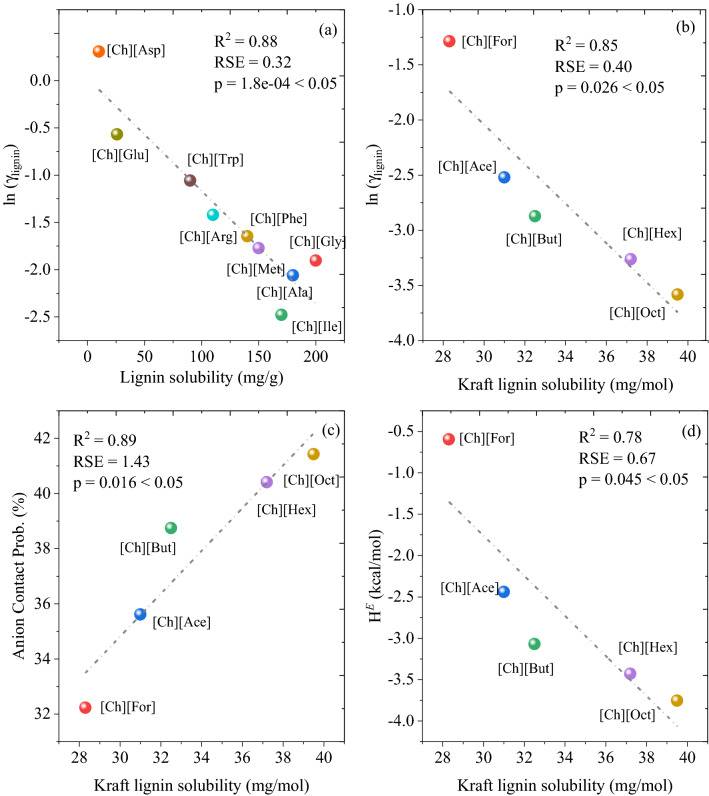
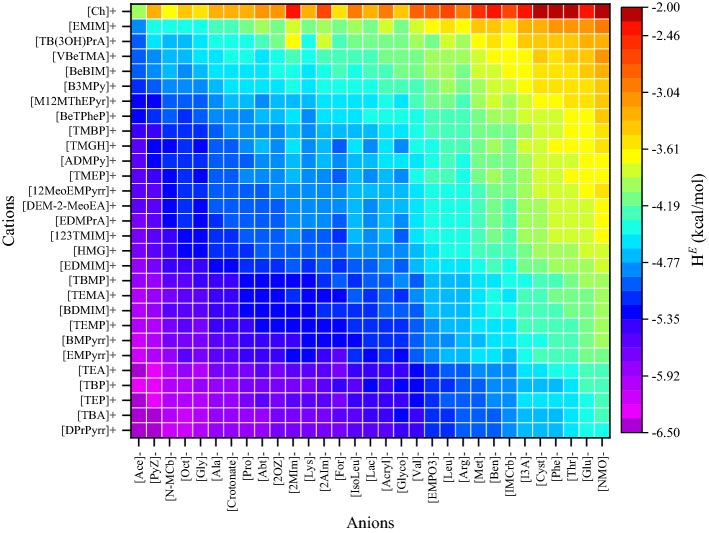
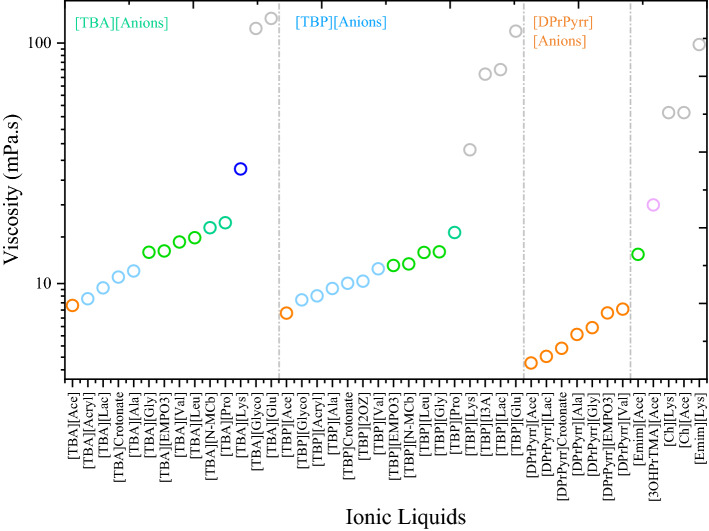
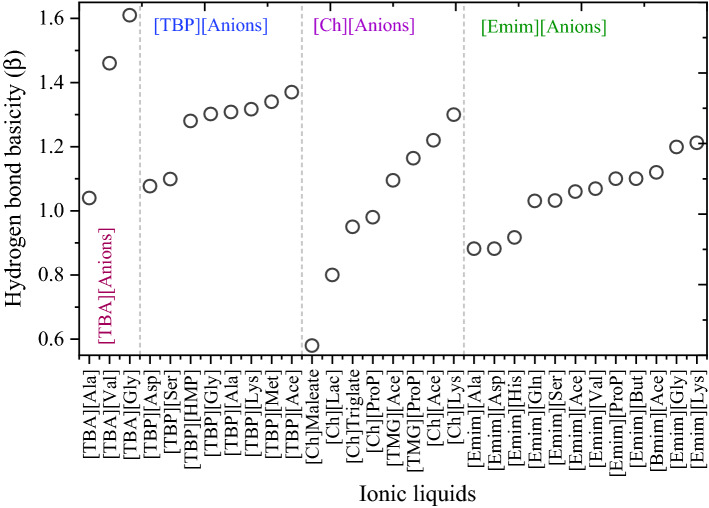
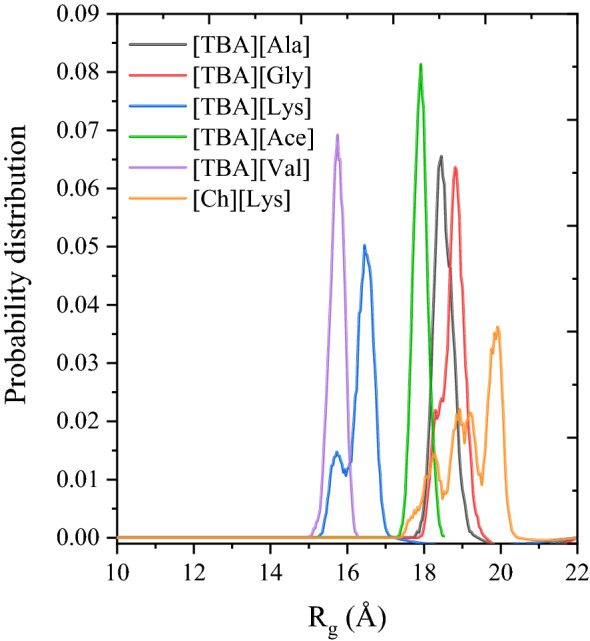
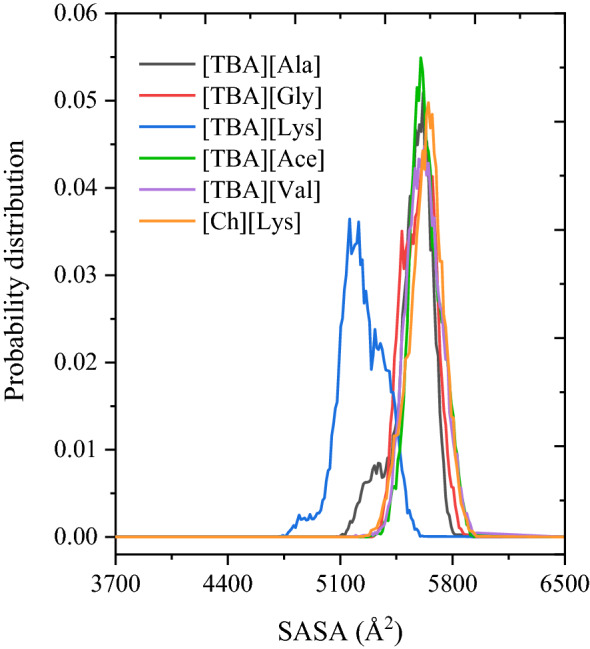
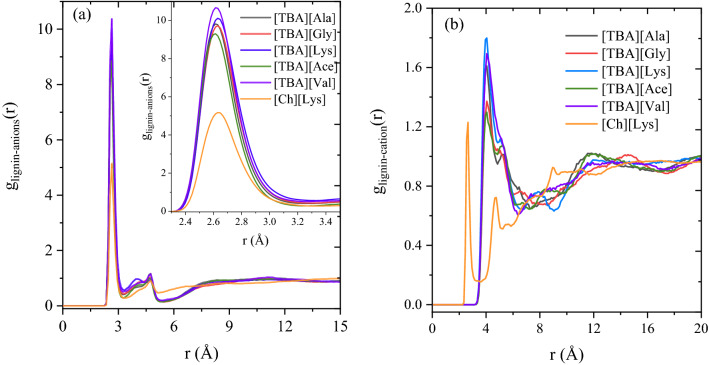
Lignin, the second most abundant biopolymer found in nature, has emerged as a potential source of sustainable fuels, chemicals, and materials. Finding suitable solvents, as well as technologies for efficient and affordable lignin dissolution and depolymerization, are major obstacles in the conversion of lignin to value-added products. Certain ionic liquids (ILs) are capable of dissolving and depolymerizing lignin but designing and developing an effective IL for lignin dissolution remains quite challenging. To address this issue, the COnductor-like Screening MOdel for Real Solvents (COSMO-RS) model was used to screen 5670 ILs by computing logarithmic activity coefficients (ln(γ)) and excess enthalpies (H) of lignin, respectively. Based on the COSMO-RS computed thermodynamic properties (ln(γ) and H) of lignin, anions such as acetate, methyl carbonate, octanoate, glycinate, alaninate, and lysinate in combination with cations like tetraalkylammonium, tetraalkylphosphonium, and pyridinium are predicted to be suitable solvents for lignin dissolution. The dissolution properties such as interaction energy between anion and cation, viscosity, Hansen solubility parameters, dissociation constants, and Kamlet-Taft parameters of selected ILs were evaluated to assess their propensity for lignin dissolution. Furthermore, molecular dynamics (MD) simulations were performed to understand the structural and dynamic properties of tetrabutylammonium [TBA]-based ILs and lignin mixtures and to shed light on the mechanisms involved in lignin dissolution. MD simulation results suggested [TBA]-based ILs have the potential to dissolve lignin because of their higher contact probability and interaction energies with lignin when compared to cholinium lysinate.
木质素是自然界中第二丰富的生物聚合物,已成为可持续燃料、化学品和材料的潜在来源。寻找合适的溶剂以及高效、经济地溶解和解聚木质素的技术,是将木质素转化为高附加值产品的主要障碍。某些离子液体(ILs)能够溶解和解聚木质素,但设计和开发有效的 IL 来溶解木质素仍然极具挑战性。为了解决这个问题,使用了类似于导体的真实溶剂筛选模型(COSMO-RS)来分别计算木质素的对数活度系数(ln(γ))和超额焓(H),以筛选 5670 种 IL。基于 COSMO-RS 计算出的木质素热力学性质(ln(γ)和 H),预测乙酸盐、碳酸甲酯、辛酸盐、甘氨酸盐、丙氨酸盐和赖氨酸盐等阴离子与四烷基铵、四烷基膦和吡啶𬭩等阳离子结合,是适合木质素溶解的溶剂。评估了所选 IL 的溶解性质,如阴阳离子之间的相互作用能、粘度、Hansen 溶解度参数、离解常数和 Kamlet-Taft 参数,以评估它们对木质素溶解的倾向。此外,还进行了分子动力学(MD)模拟,以了解基于四丁基铵[TBA]的 IL 和木质素混合物的结构和动态特性,并阐明木质素溶解的机制。MD 模拟结果表明,与胆碱赖氨酸相比,基于[TBA]的 IL 具有更高的接触概率和与木质素的相互作用能,因此有潜力溶解木质素。