Department of Environmental and Biological Chemistry, Chungbuk National University, 1 Chungdae-ro, 28644, Cheongju, Seowon-gu, Republic of Korea.
Sci Rep. 2023 Jan 6;13(1):291. doi: 10.1038/s41598-022-26687-w.
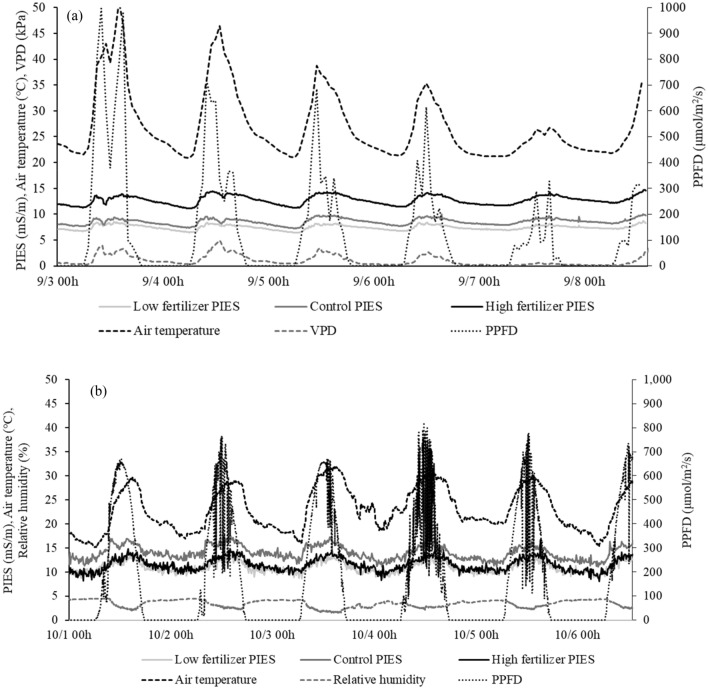
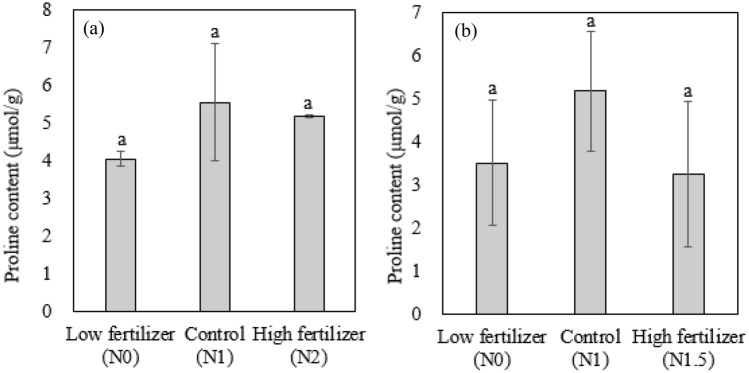
Plant-induced electrical signals (PIES) can be non-destructively monitored by inserting electrodes into plant stems, which reflect plant nutrient and water uptake. The main objective of this study was to evaluate the growth of pepper plants with different urea applications (low fertilizer: N0, Control: N1, and high fertilizer: N2) in soil by monitoring PIES. The PIES value was found to be low in the low urea treatment group while the two times higher urea applied pepper had the highest PIES value. The nutritional content of the stem, leaves and soil did not correlate with PIES because of dilution effect by high biomass with high urea application, but principal component analysis showed that the PIES was positively associated with pepper biomass and soil EC. The high fertilizer did not affect chlorophyll and proline contents in pepper leaves. The assessment of plant growth by PIES has advantages because non-destructive, real time and remote monitoring is possible. Therefore, PIES monitoring of different plants grown under various cultivation environments is useful method to evaluate plant activity and growth.
植物诱发的电信号(PIES)可以通过将电极插入植物茎中来进行非破坏性监测,这反映了植物对养分和水分的吸收。本研究的主要目的是通过监测 PIES 来评估不同尿素施用量(低肥:N0、对照:N1 和高肥:N2)下土壤中辣椒植株的生长情况。结果发现,低尿素处理组的 PIES 值较低,而施用量是两倍的高尿素处理组的 PIES 值最高。由于高尿素处理下高生物量的稀释效应,茎、叶和土壤的营养含量与 PIES 不相关,但主成分分析表明 PIES 与辣椒生物量和土壤 EC 呈正相关。高肥料处理对辣椒叶片中的叶绿素和脯氨酸含量没有影响。通过 PIES 评估植物生长具有优势,因为可以进行非破坏性、实时和远程监测。因此,在不同的种植环境下对不同植物进行 PIES 监测是评估植物活性和生长的有用方法。