Department of Cellular and Molecular Medicine, University of Arizona College of Medicine, Tucson, Arizona.
Department of Neuropathology, Barrow Neurological Institute, Phoenix, Arizona.
Transl Res. 2023 Jun;256:56-72. doi: 10.1016/j.trsl.2023.01.002. Epub 2023 Jan 12.
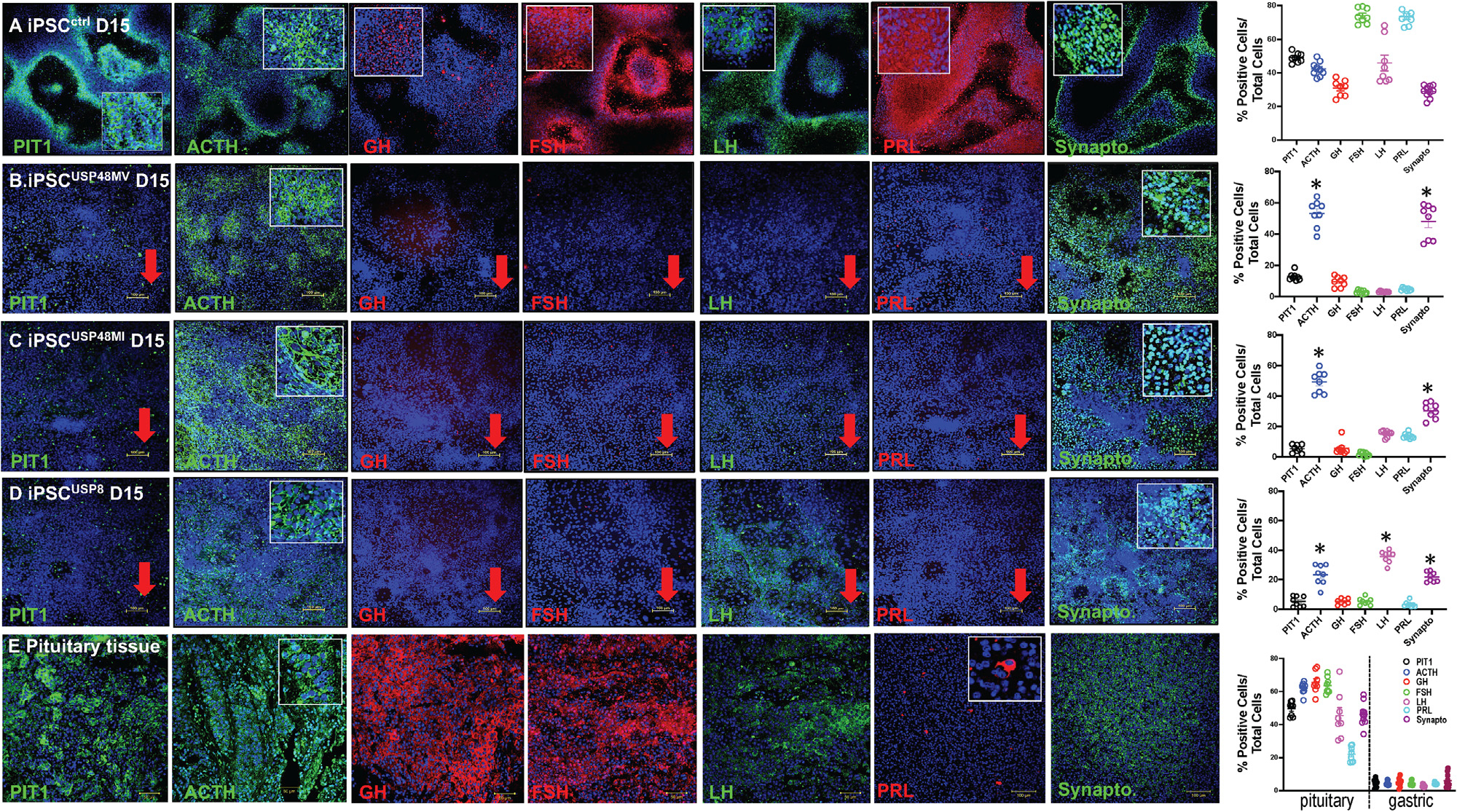
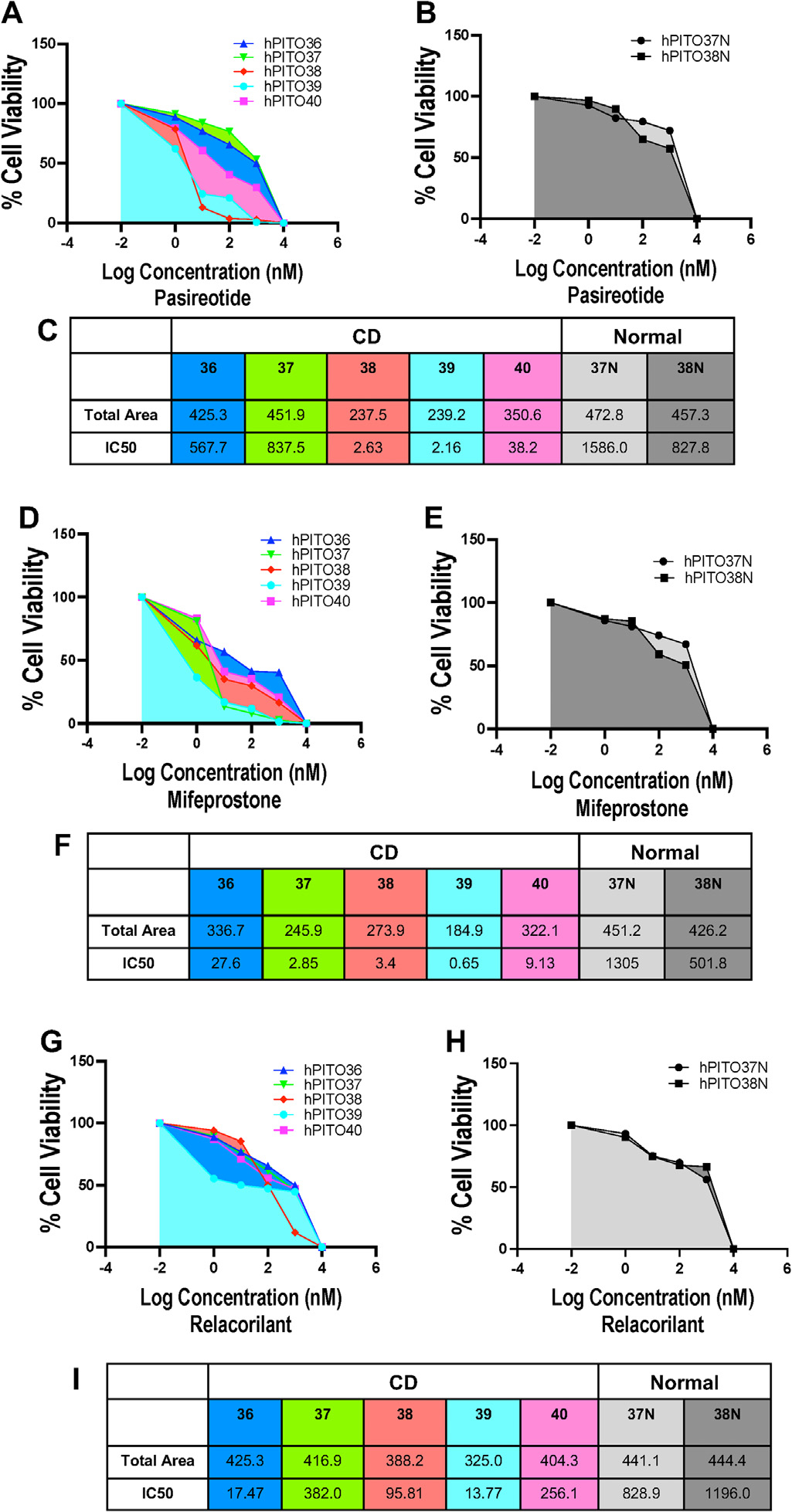
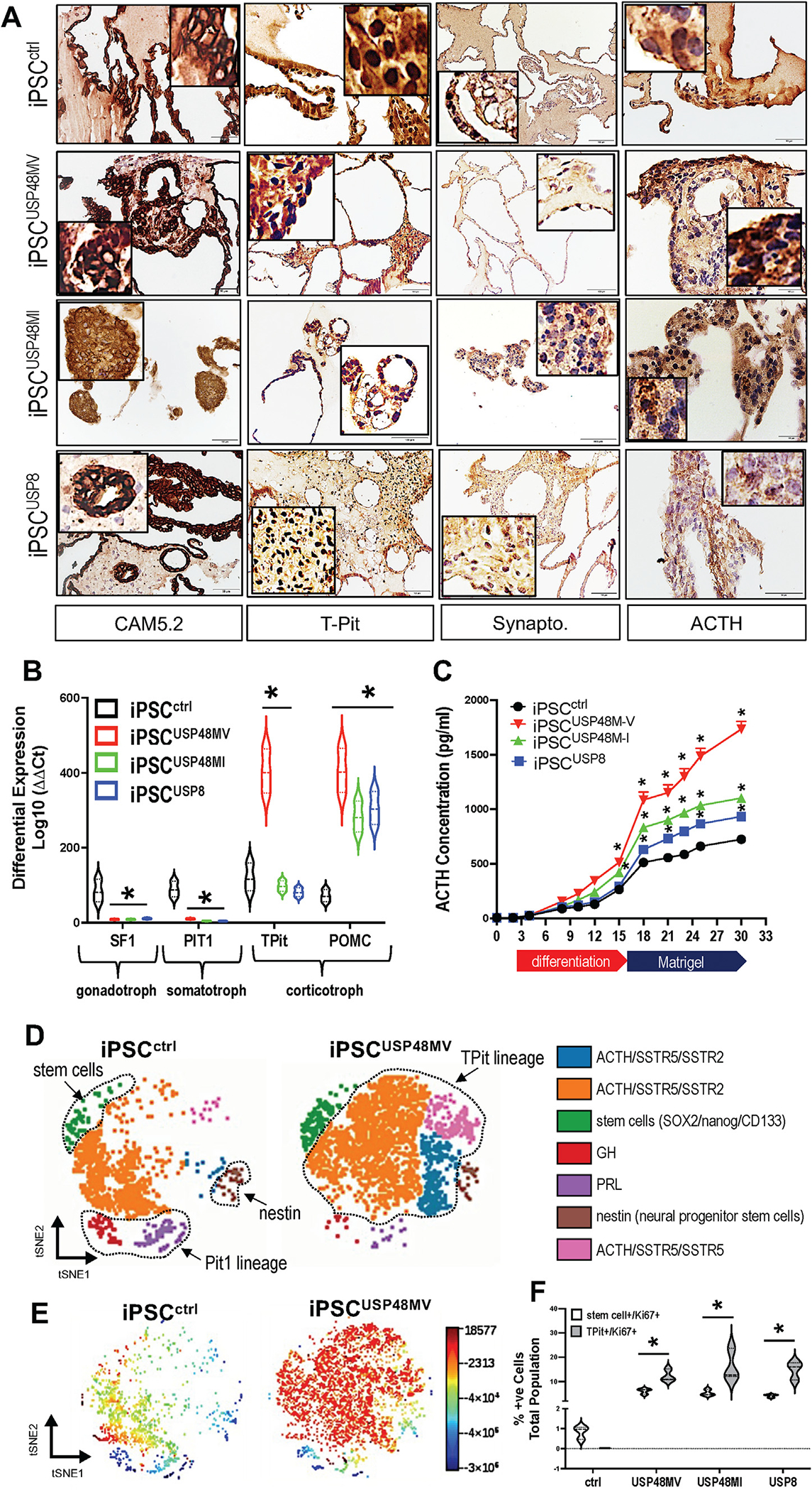
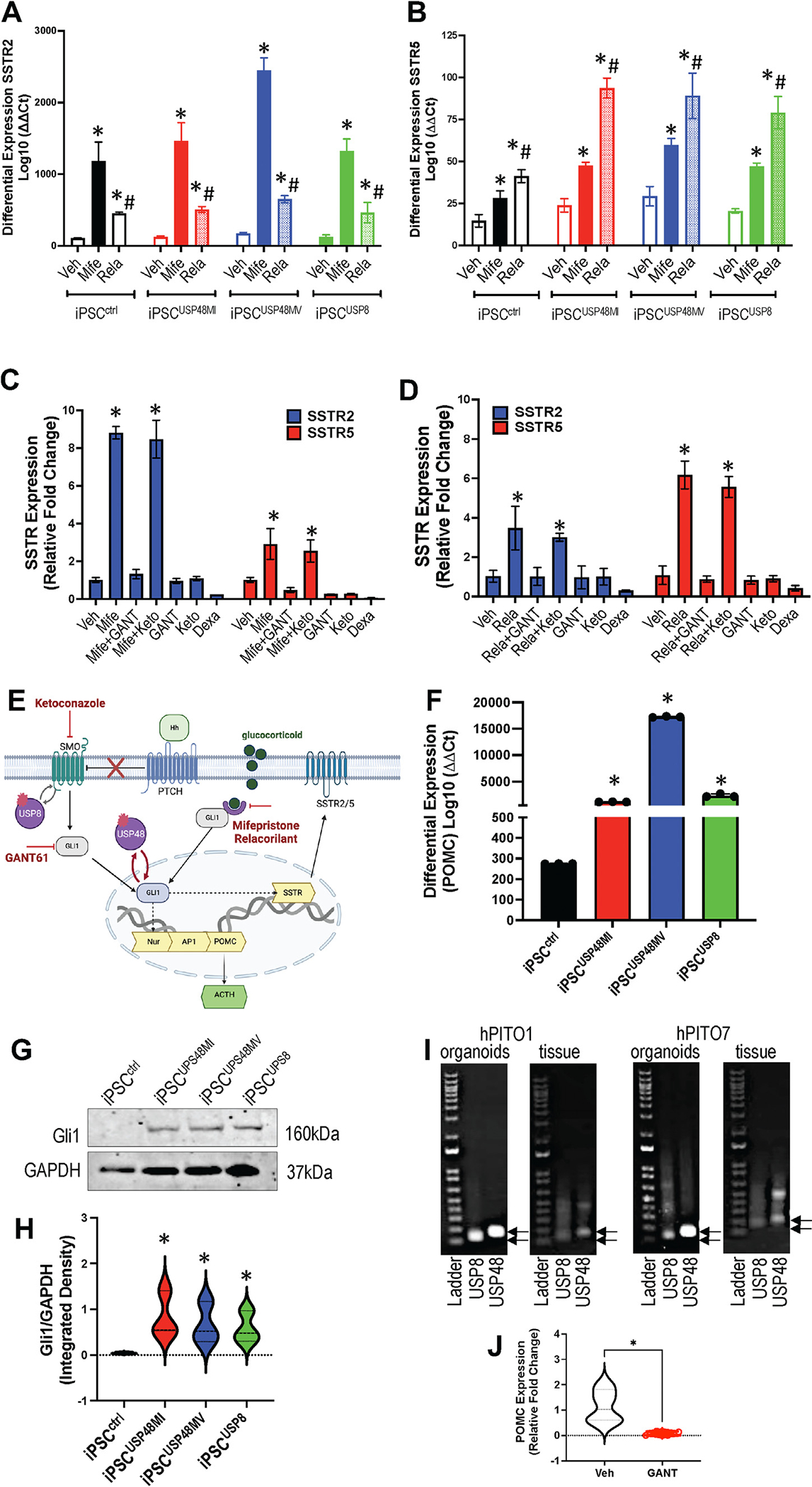
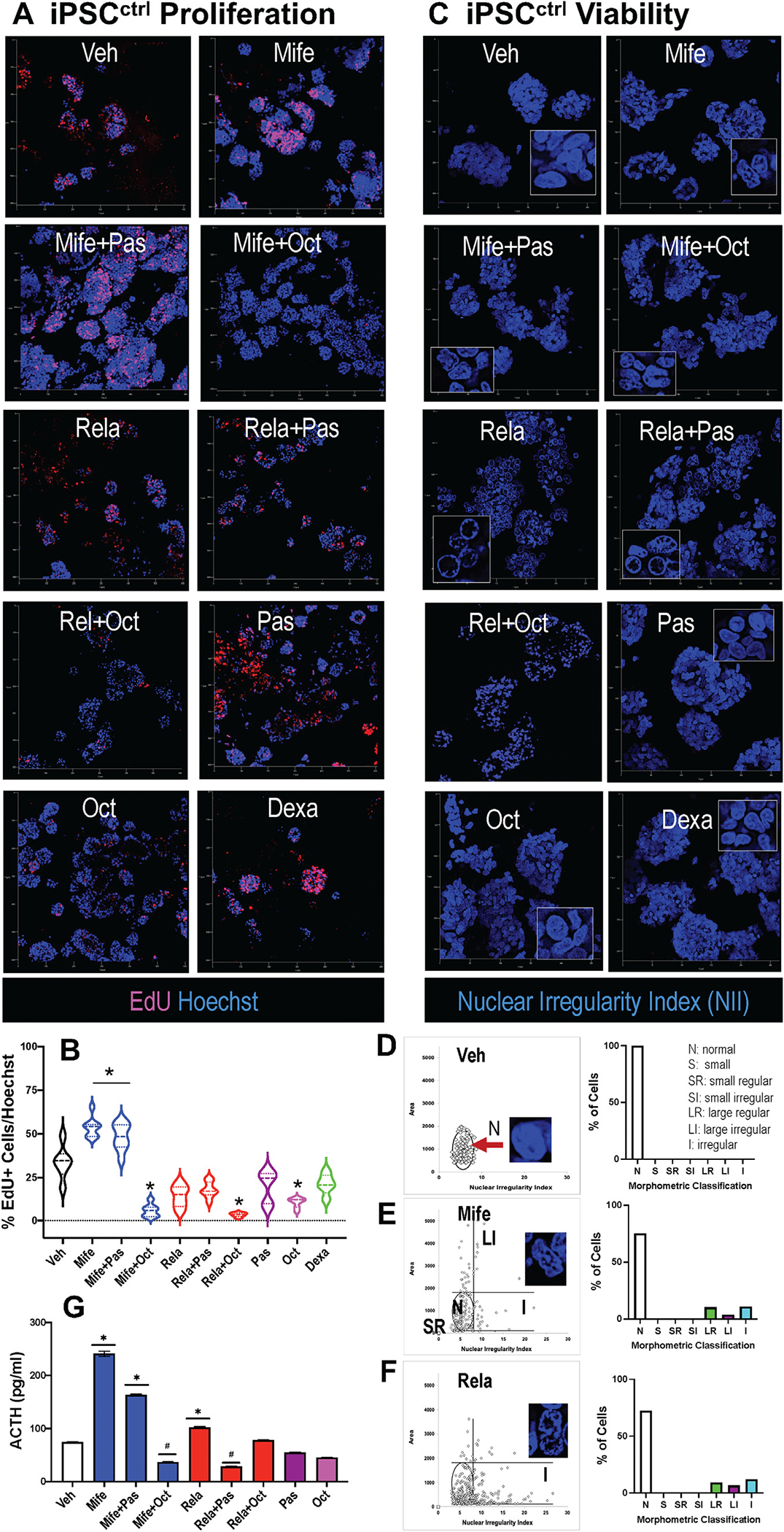
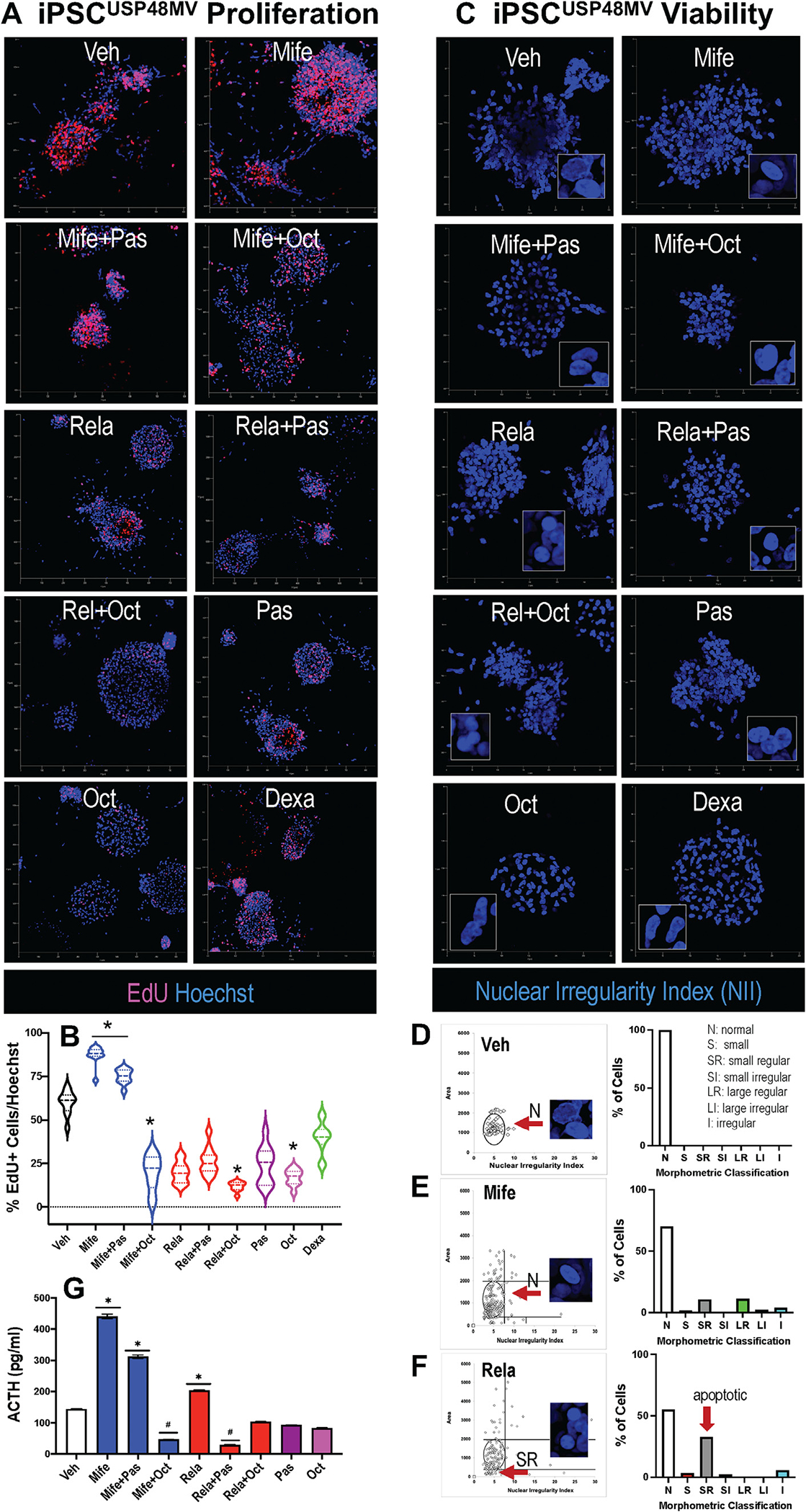
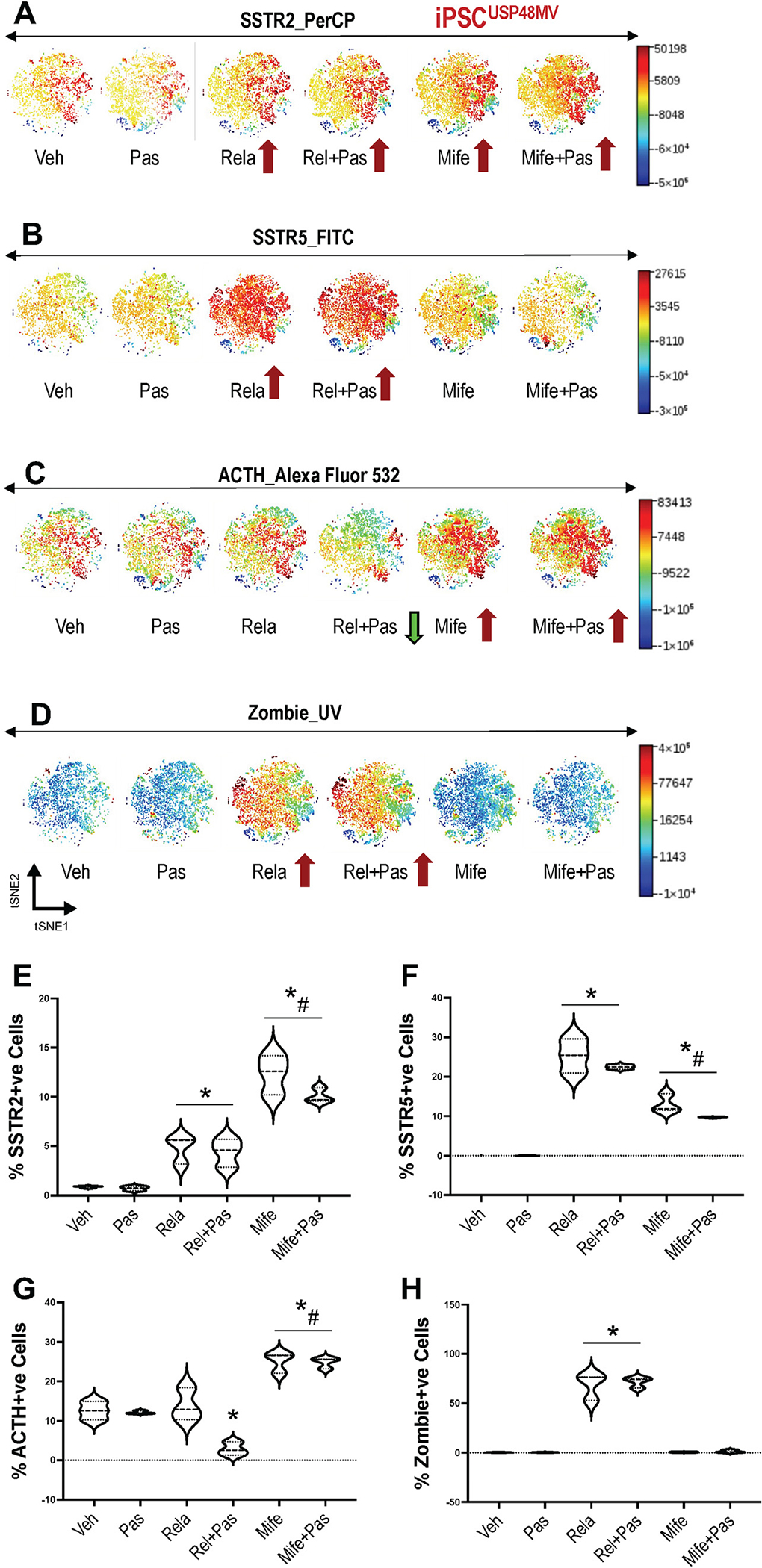
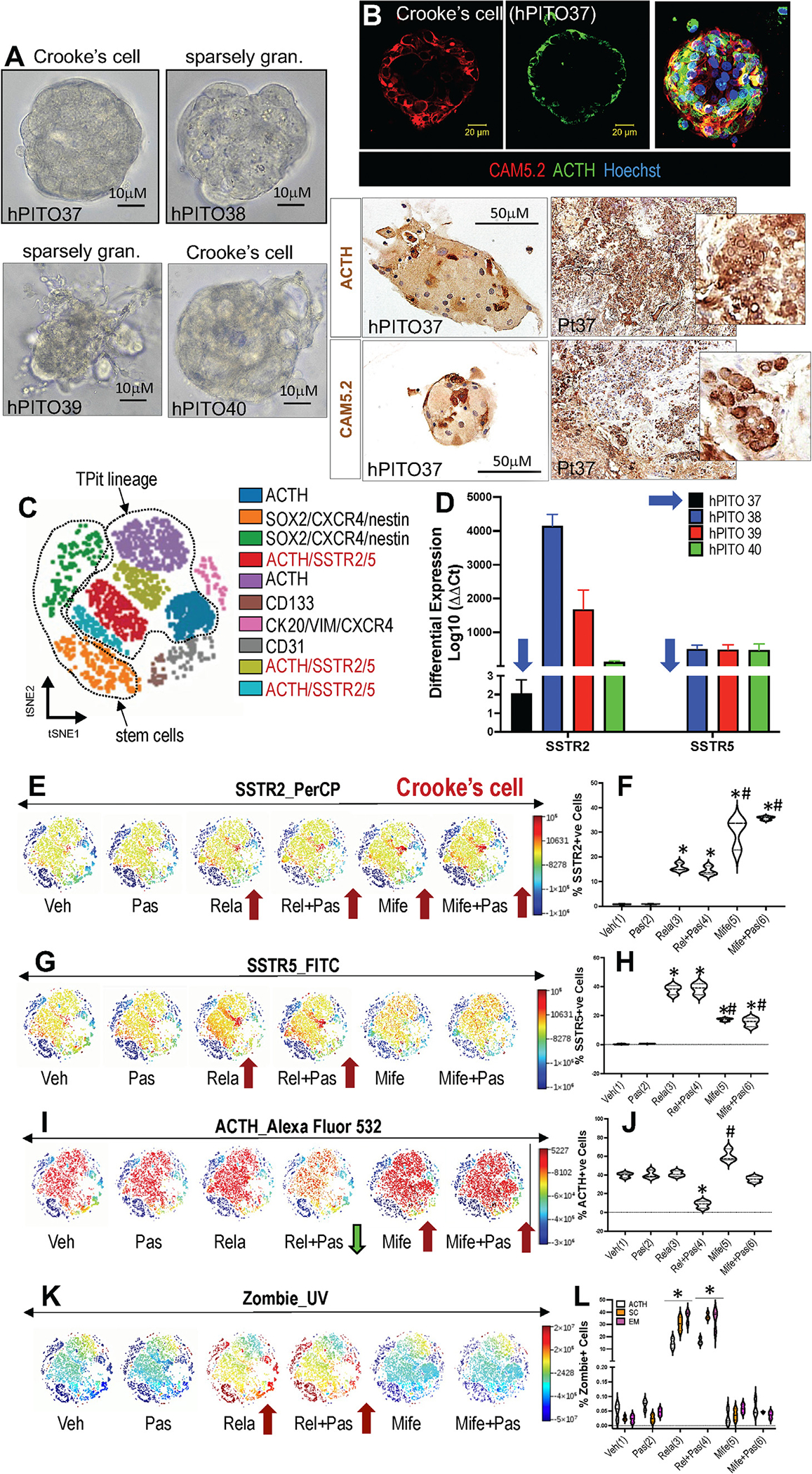
Cushing's disease (CD) is a serious endocrine disorder attributed to an adrenocorticotropic hormone (ACTH)-secreting pituitary neuroendocrine tumor (PitNET) that that subsequently leads to chronic hypercortisolemia. PitNET regression has been reported following treatment with the investigational selective glucocorticoid receptor (GR) modulator relacorilant, but the mechanisms behind that effect remain unknown. Human PitNET organoid models were generated from induced human pluripotent stem cells (iPSCs) or fresh tissue obtained from CD patient PitNETs (hPITOs). Genetically engineered iPSC derived organoids were used to model the development of corticotroph PitNETs expressing USP48 (iPSC) or USP8 (iPSC) somatic mutations. Organoids were treated with the GR antagonist mifepristone or the GR modulator relacorilant with or without somatostatin receptor (SSTR) agonists pasireotide or octreotide. In iPSC and iPSC cultures, mifepristone induced a predominant expression of SSTR2 with a concomitant increase in ACTH secretion and tumor cell proliferation. Relacorilant predominantly induced SSTR5 expression and tumor cell apoptosis with minimal ACTH induction. Hedgehog signaling mediated the induction of SSTR2 and SSTR5 in response to mifepristone and relacorilant. Relacorilant sensitized PitNET organoid responsiveness to pasireotide. Therefore, our study identified the potential therapeutic use of relacorilant in combination with somatostatin analogs and demonstrated the advantages of relacorilant over mifepristone, supporting its further development for use in the treatment of Cushing's disease patients.
库欣病(CD)是一种严重的内分泌紊乱疾病,归因于促肾上腺皮质激素(ACTH)分泌的垂体神经内分泌肿瘤(PitNET),进而导致慢性皮质醇增多症。据报道,在使用研究性选择性糖皮质激素受体(GR)调节剂瑞拉戈利凡特治疗后,PitNET 会发生消退,但该效果背后的机制仍不清楚。人源 PitNET 类器官模型是从诱导多能干细胞(iPSC)或从 CD 患者 PitNET 中获得的新鲜组织中生成的。使用基因工程 iPSC 衍生的类器官来模拟表达 USP48(iPSC)或 USP8(iPSC)体细胞突变的促肾上腺皮质激素 PitNET 的发育。类器官用 GR 拮抗剂米非司酮或 GR 调节剂瑞拉戈利凡特处理,同时用或不用生长抑素受体(SSTR)激动剂培高利特或奥曲肽处理。在 iPSC 和 iPSC 培养物中,米非司酮诱导 SSTR2 的主要表达,同时 ACTH 分泌和肿瘤细胞增殖增加。瑞拉戈利凡特主要诱导 SSTR5 表达和肿瘤细胞凋亡,而 ACTH 诱导最小。Hedgehog 信号介导米非司酮和瑞拉戈利凡特诱导 SSTR2 和 SSTR5 的表达。瑞拉戈利凡特使 PitNET 类器官对培高利特的反应性变得敏感。因此,我们的研究确定了瑞拉戈利凡特与生长抑素类似物联合使用的潜在治疗用途,并证明了瑞拉戈利凡特优于米非司酮的优势,支持其进一步开发用于治疗库欣病患者。