JCI Insight. 2023 Feb 22;8(4):e161003. doi: 10.1172/jci.insight.161003.
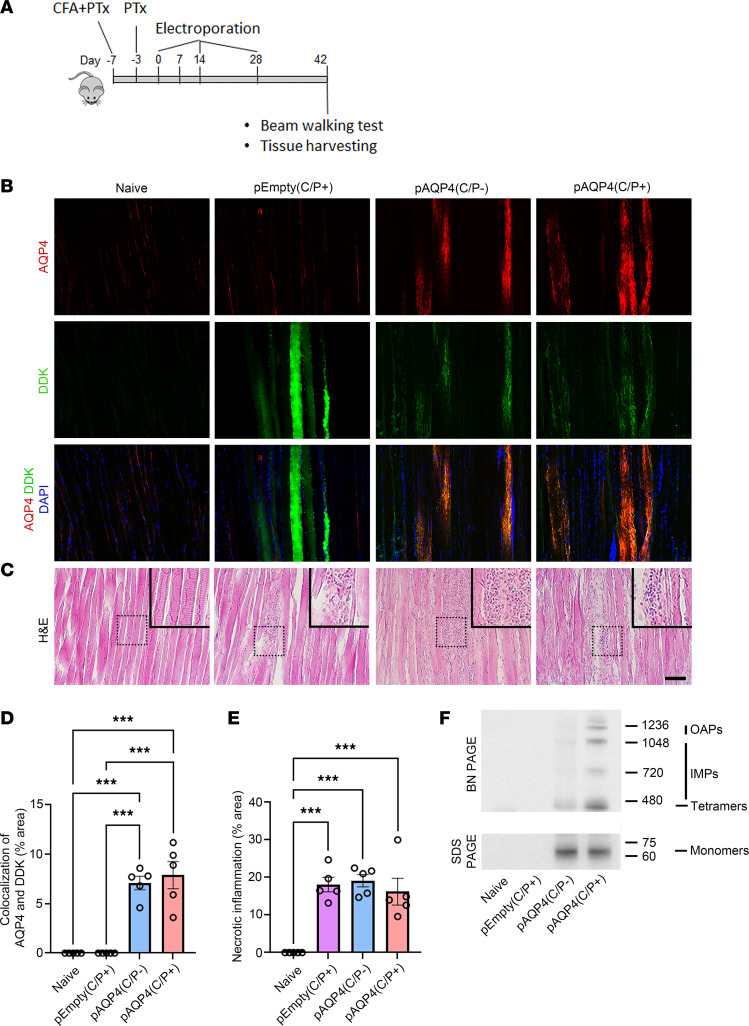
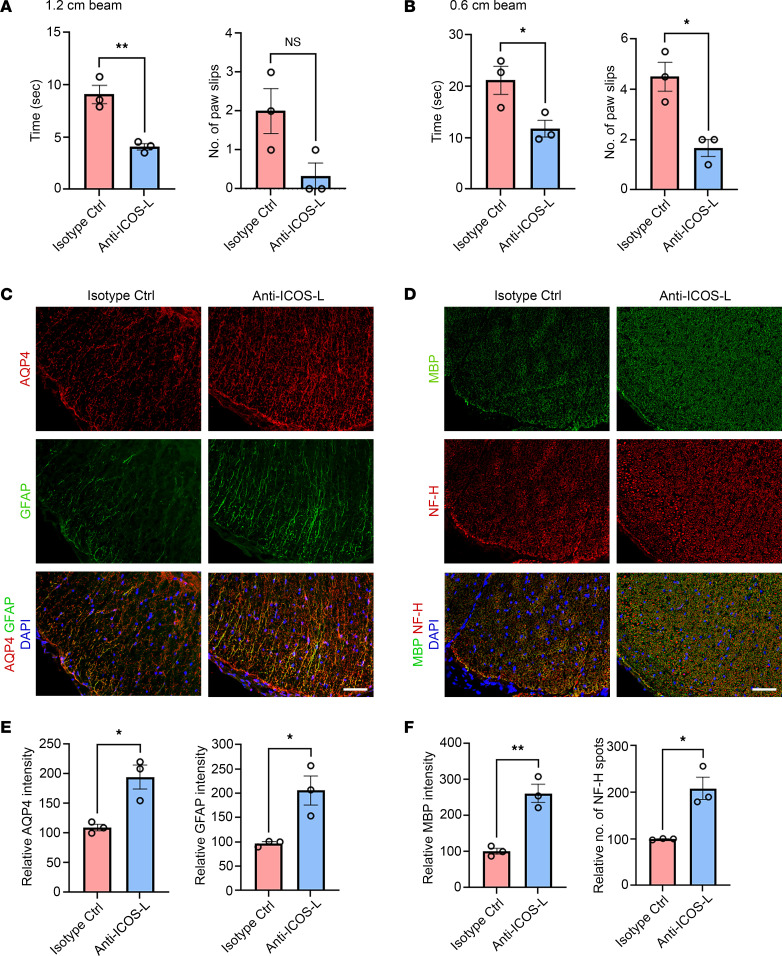
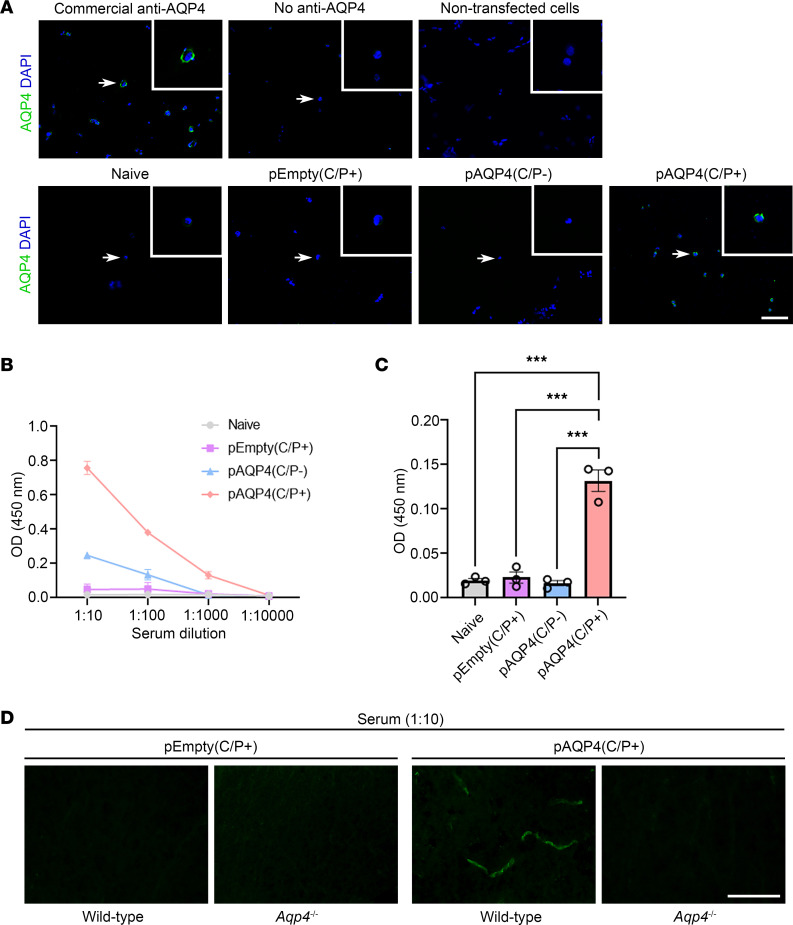
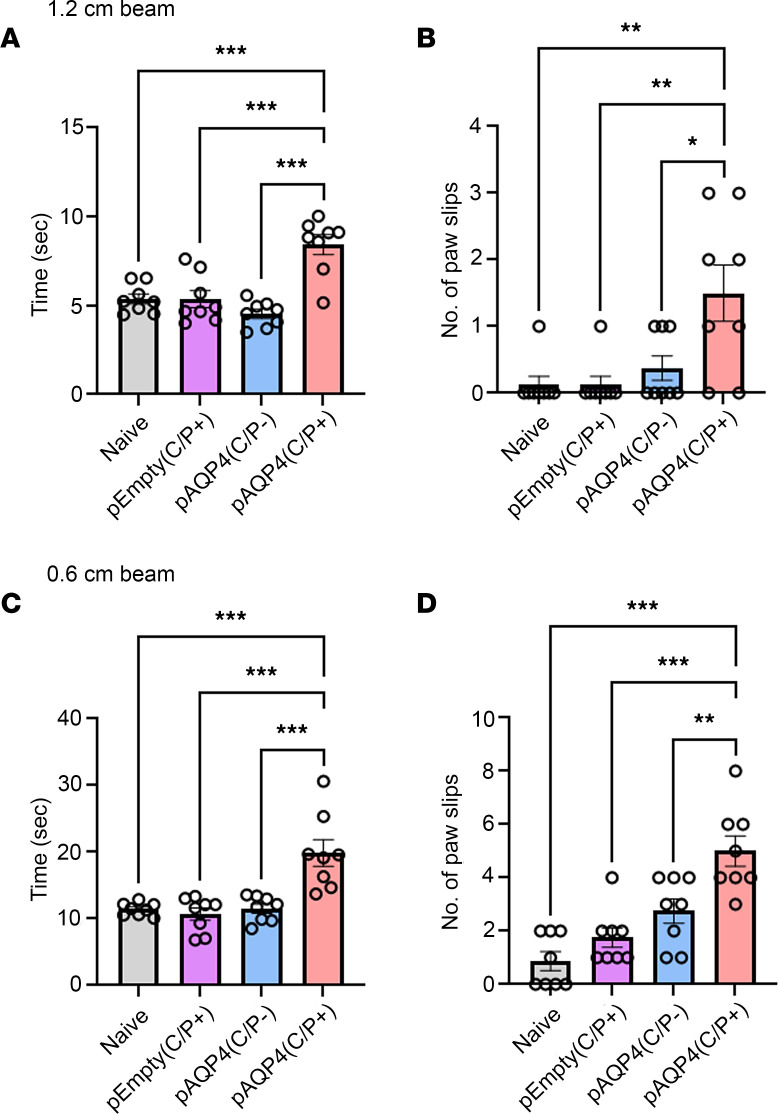
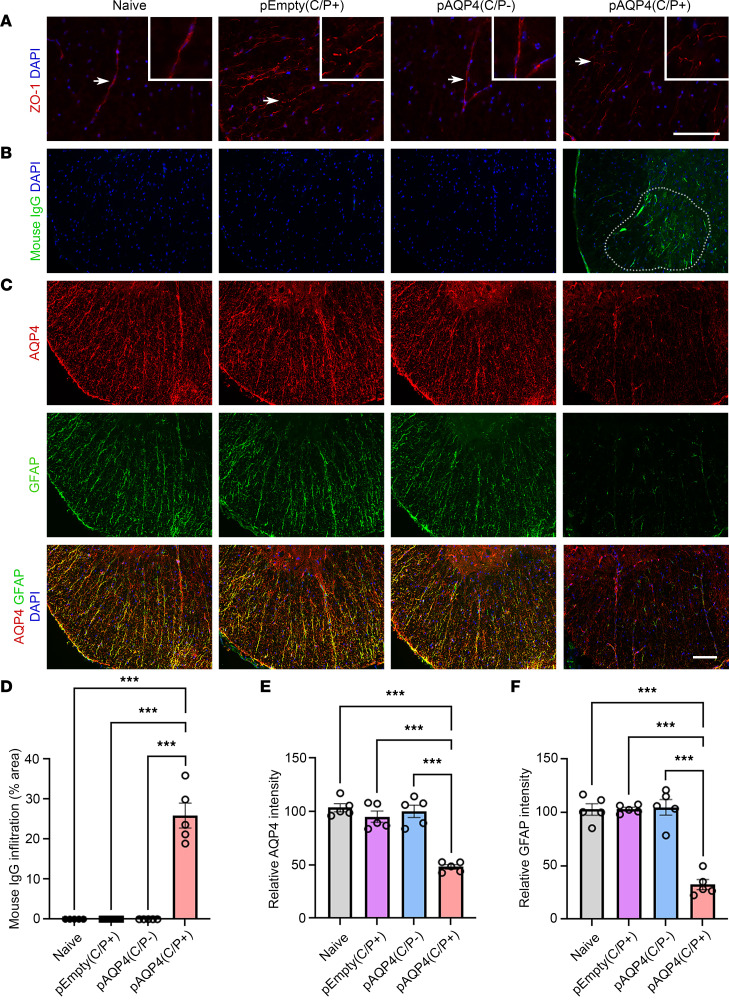
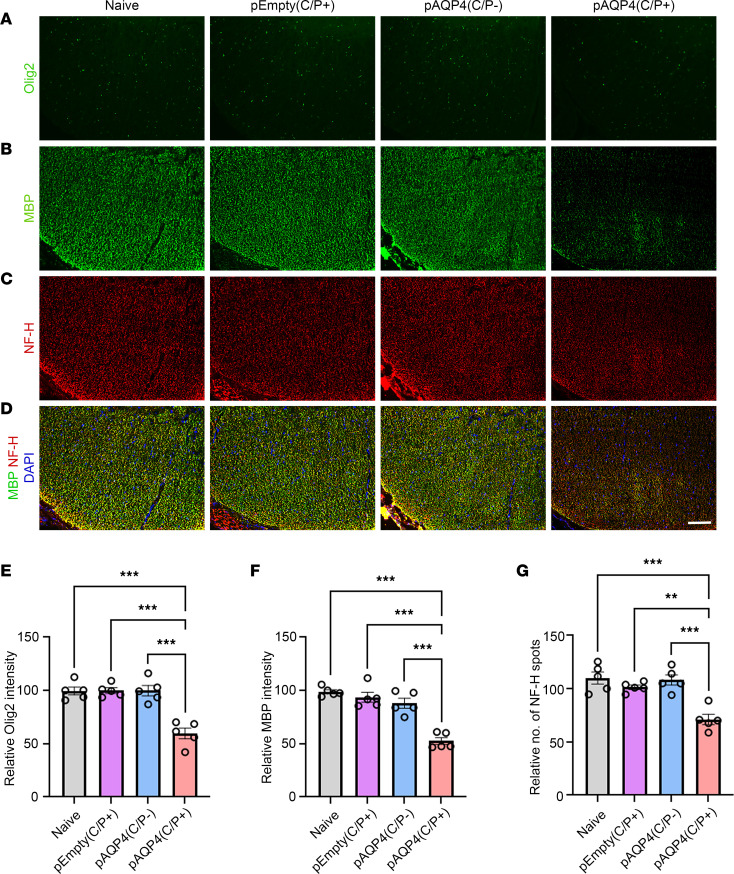
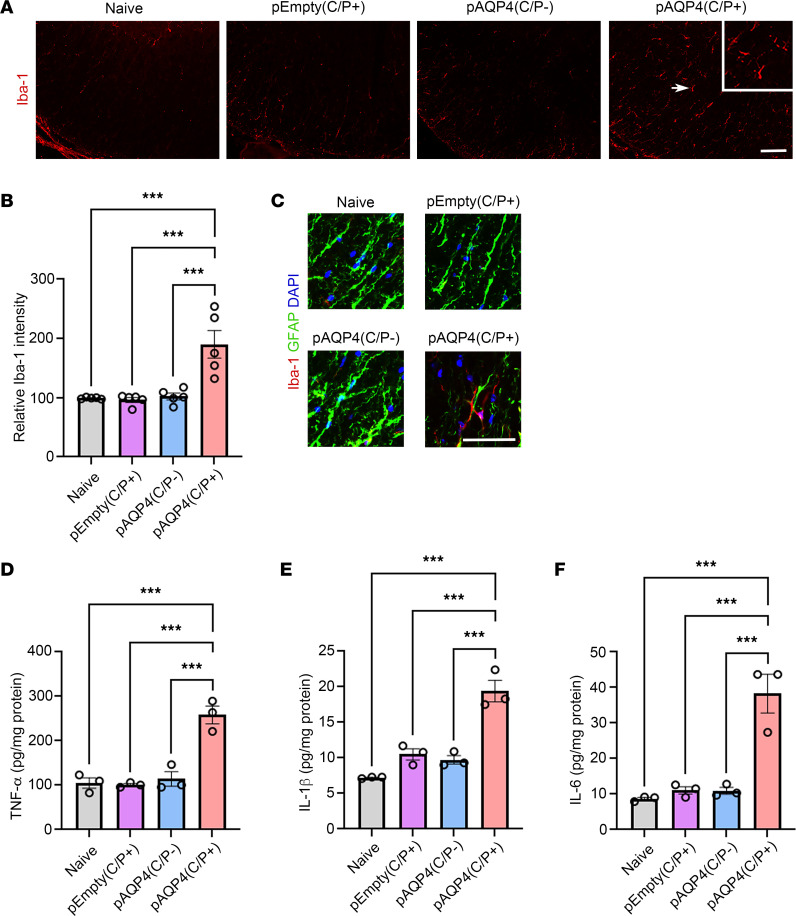
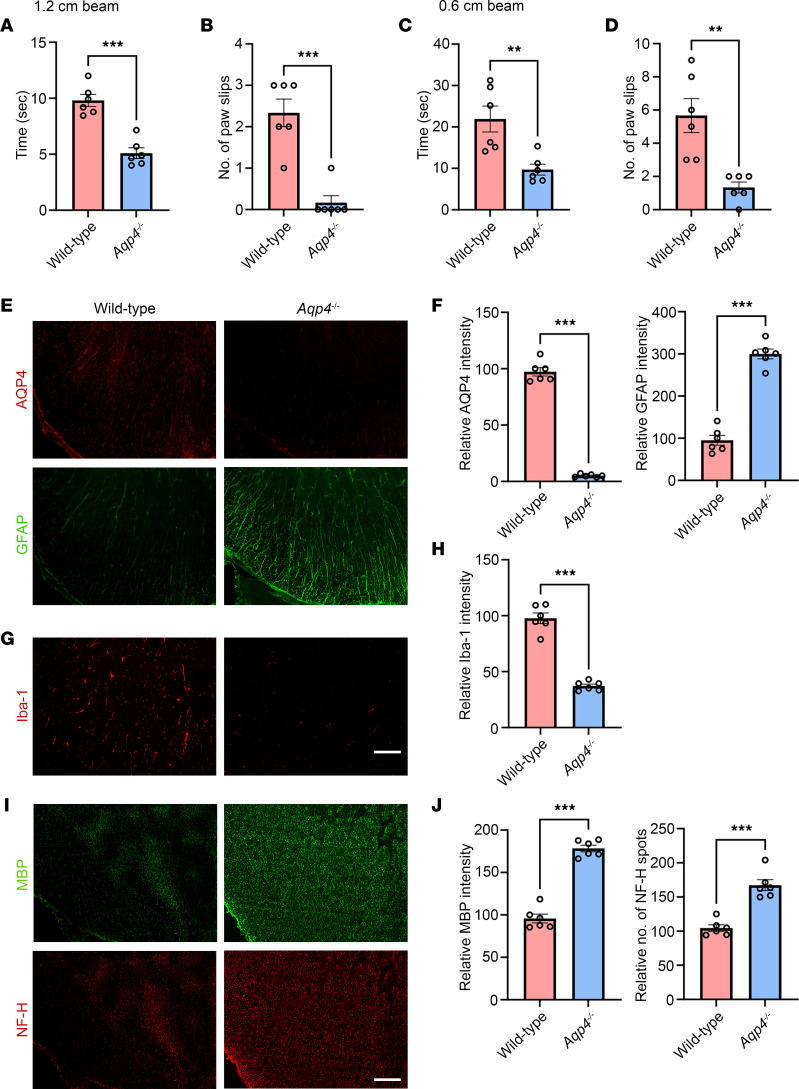
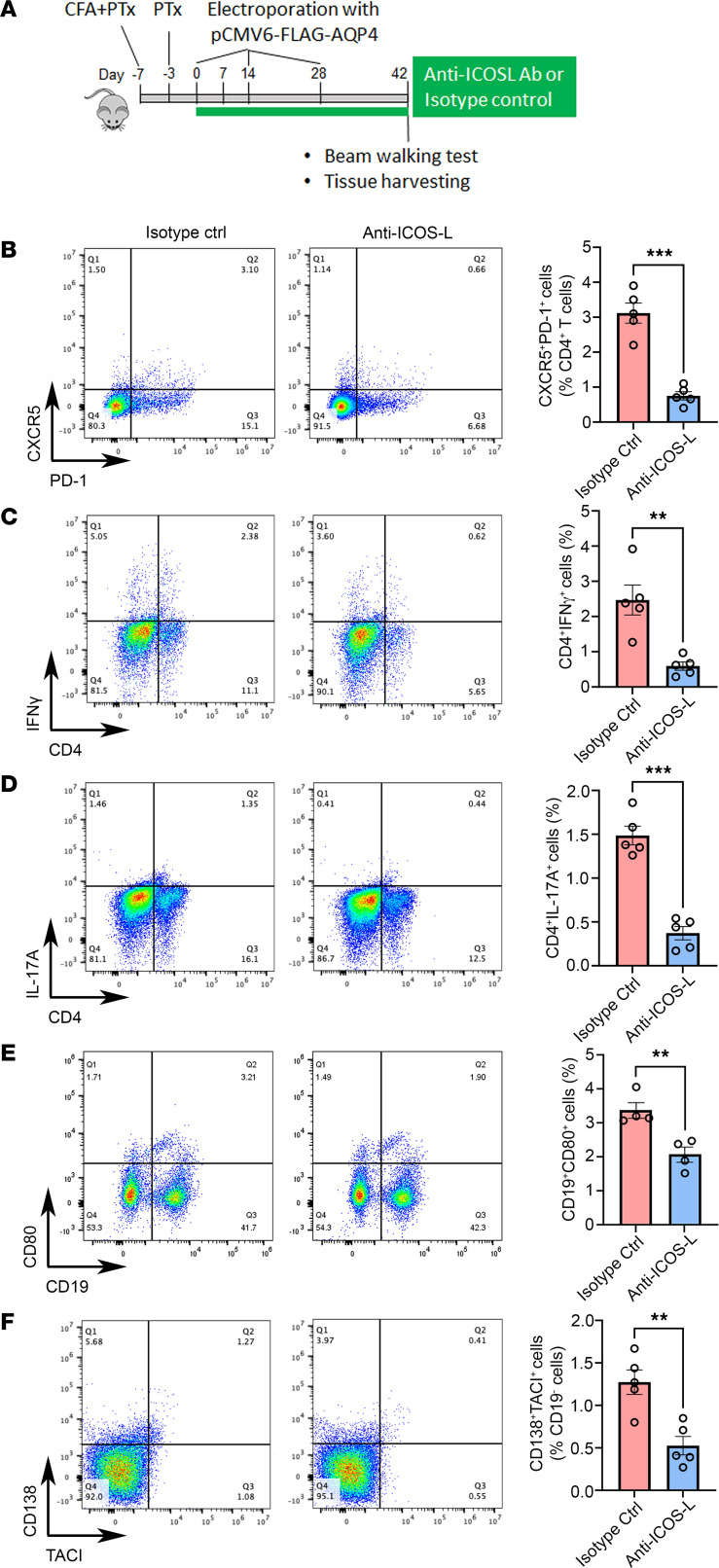
Neuromyelitis optica spectrum disorders (NMOSD) are inflammatory autoimmune disorders of the CNS. IgG autoantibodies targeting the aquaporin-4 water channel (AQP4-IgGs) are the pathogenic effector of NMOSD. Dysregulated T follicular helper (Tfh) cells have been implicated in loss of B cell tolerance in autoimmune diseases. The contribution of Tfh cells to disease activity and therapeutic potential of targeting these cells in NMOSD remain unclear. Here, we established an autoimmune model of NMOSD by immunizing mice against AQP4 via in vivo electroporation. After AQP4 immunization, mice displayed AQP4 autoantibodies in blood circulation, blood-brain barrier disruption, and IgG infiltration in spinal cord parenchyma. Moreover, AQP4 immunization induced motor impairments and NMOSD-like pathologies, including astrocytopathy, demyelination, axonal loss, and microglia activation. These were associated with increased splenic Tfh, Th1, and Th17 cells; memory B cells; and plasma cells. Aqp4-deficient mice did not display motor impairments and NMOSD-like pathologies after AQP4 immunization. Importantly, abrogating ICOS/ICOS-L signaling using anti-ICOS-L antibody depleted Tfh cells and suppressed the response of Th1 and Th17 cells, memory B cells, and plasma cells in AQP4-immunized mice. These findings were associated with ameliorated motor impairments and spinal cord pathologies. This study suggests a role of Tfh cells in the pathophysiology of NMOSD in a mouse model with AQP4 autoimmunity and provides an animal model for investigating the immunological mechanisms underlying AQP4 autoimmunity and developing therapeutic interventions targeting autoimmune reactions in NMOSD.
视神经脊髓炎谱系疾病(NMOSD)是中枢神经系统的炎症性自身免疫性疾病。针对水通道蛋白-4(AQP4)的 IgG 自身抗体(AQP4-IgGs)是 NMOSD 的致病效应物。失调的滤泡辅助性 T 细胞(Tfh)已被牵连到自身免疫性疾病中 B 细胞耐受的丧失。Tfh 细胞对 NMOSD 疾病活动的贡献以及针对这些细胞的治疗潜力仍不清楚。在这里,我们通过体内电穿孔使小鼠针对 AQP4 进行免疫,建立了 NMOSD 的自身免疫模型。在 AQP4 免疫后,小鼠血液中出现 AQP4 自身抗体,血脑屏障破坏,脊髓实质 IgG 浸润。此外,AQP4 免疫诱导运动障碍和 NMOSD 样病变,包括星形胶质细胞病、脱髓鞘、轴突丢失和小胶质细胞激活。这些与脾 Tfh、Th1 和 Th17 细胞、记忆 B 细胞和浆细胞增加有关。AQP4 缺陷型小鼠在 AQP4 免疫后不会出现运动障碍和 NMOSD 样病变。重要的是,使用抗 ICOS-L 抗体阻断 ICOS/ICOS-L 信号可耗尽 Tfh 细胞,并抑制 AQP4 免疫小鼠中 Th1 和 Th17 细胞、记忆 B 细胞和浆细胞的反应。这些发现与运动障碍的改善和脊髓病变有关。这项研究表明,在具有 AQP4 自身免疫的小鼠模型中,Tfh 细胞在 NMOSD 的病理生理学中发挥作用,并提供了一种动物模型,用于研究 AQP4 自身免疫的免疫学机制,并开发针对 NMOSD 自身免疫反应的治疗干预措施。