Department of Radiation Oncology, Shanghai Proton and Heavy Ion Center, Fudan University Cancer Hospital, Shanghai, 201321, China.
Shanghai Key Laboratory of Radiation Oncology (20dz2261000), Shanghai, 201321, China.
Nat Commun. 2023 Jan 17;14(1):265. doi: 10.1038/s41467-022-35710-7.
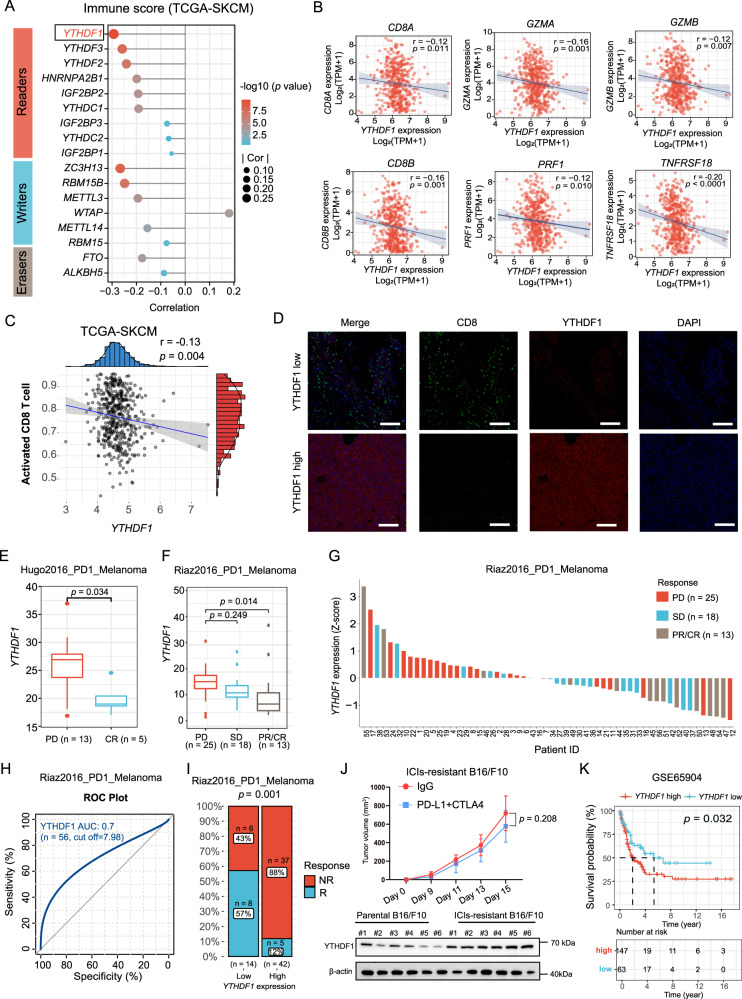
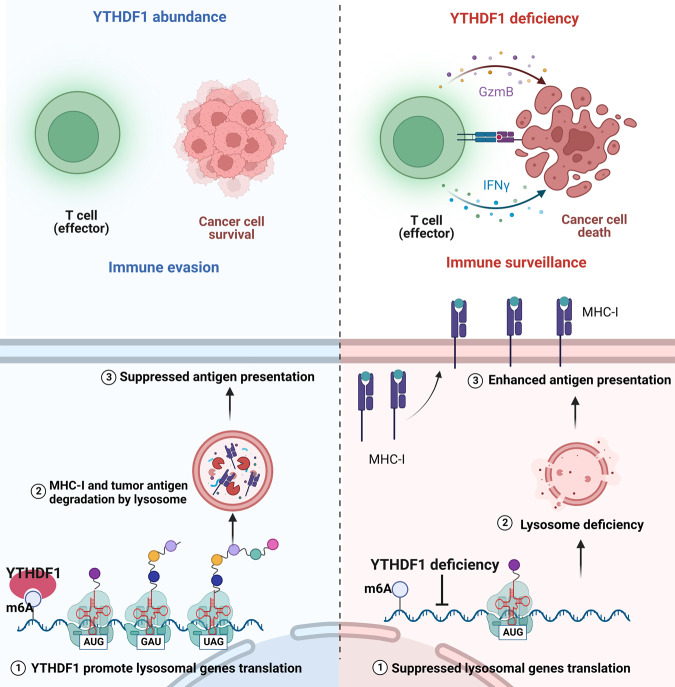
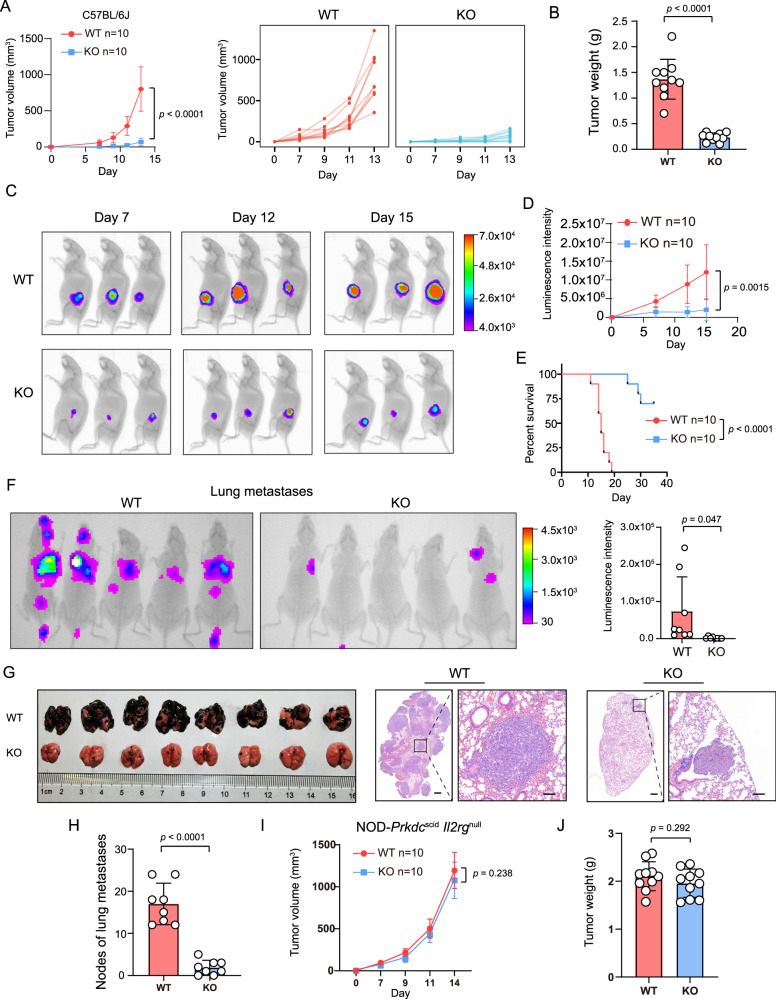
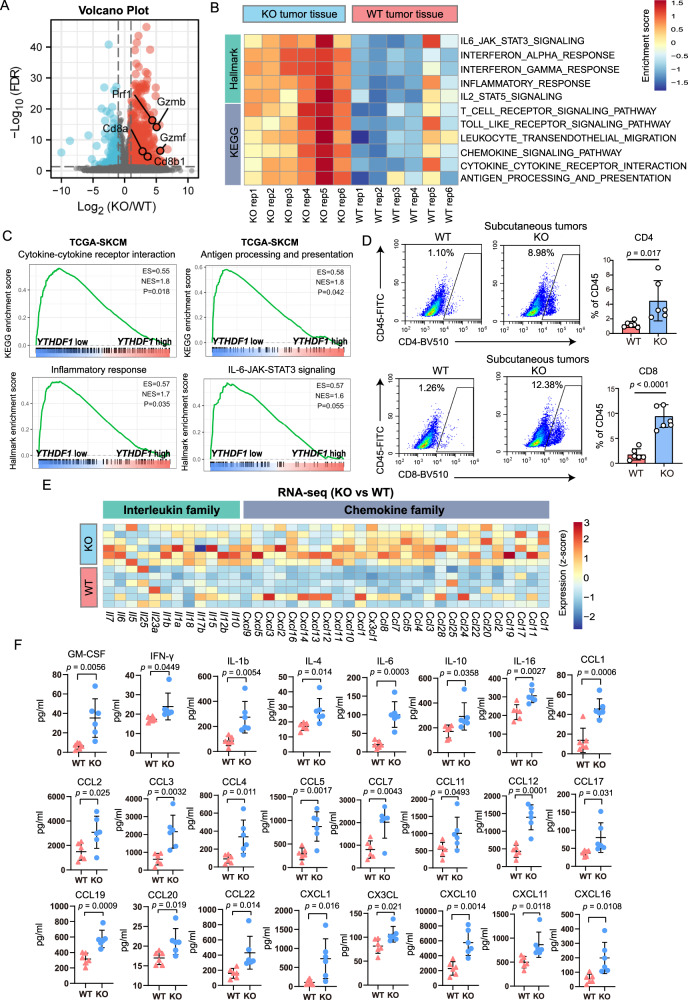
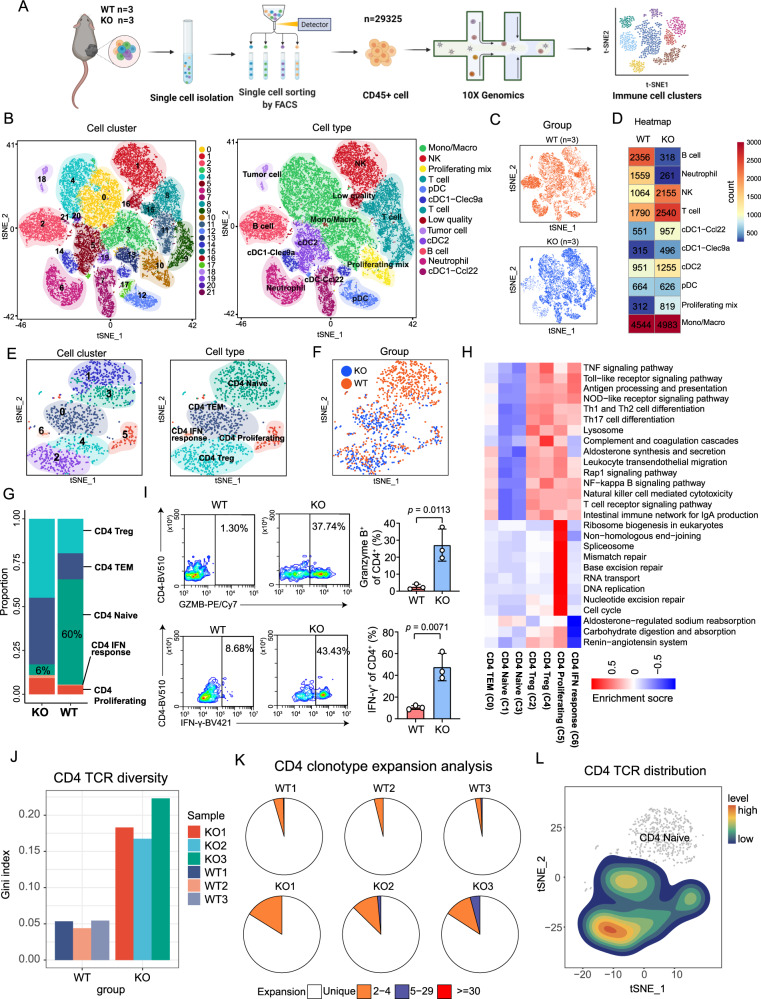
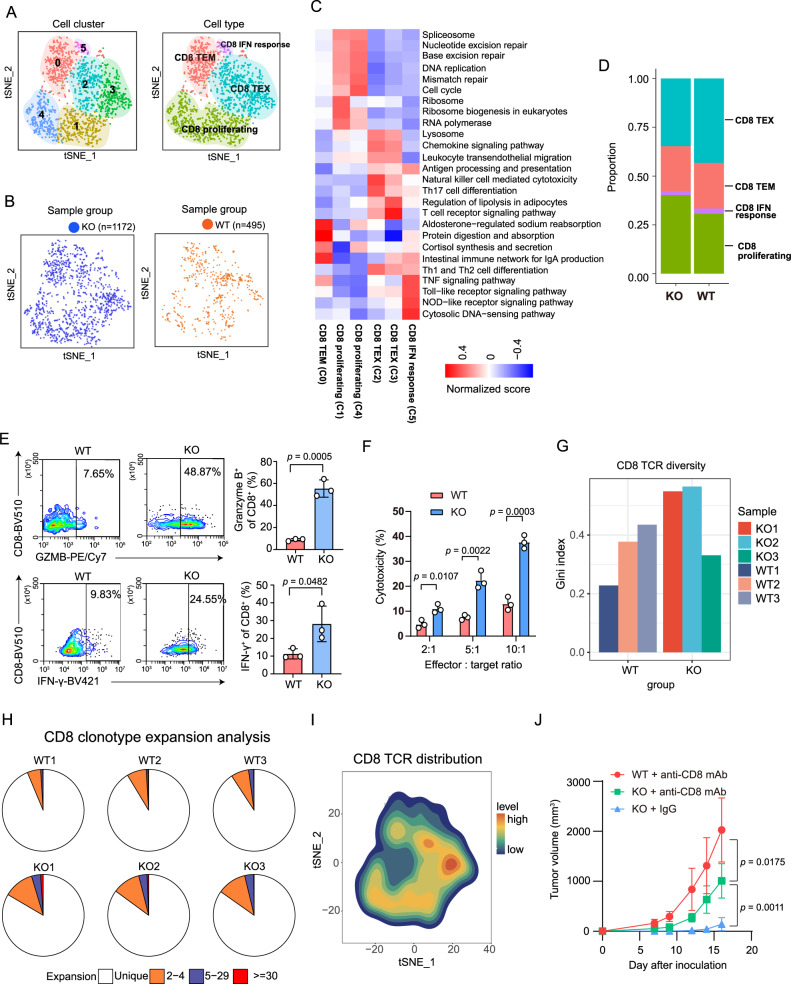
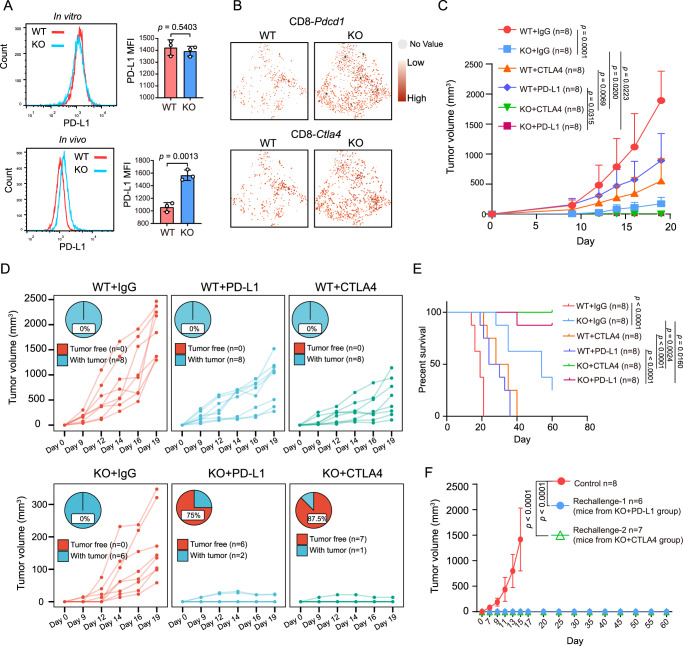
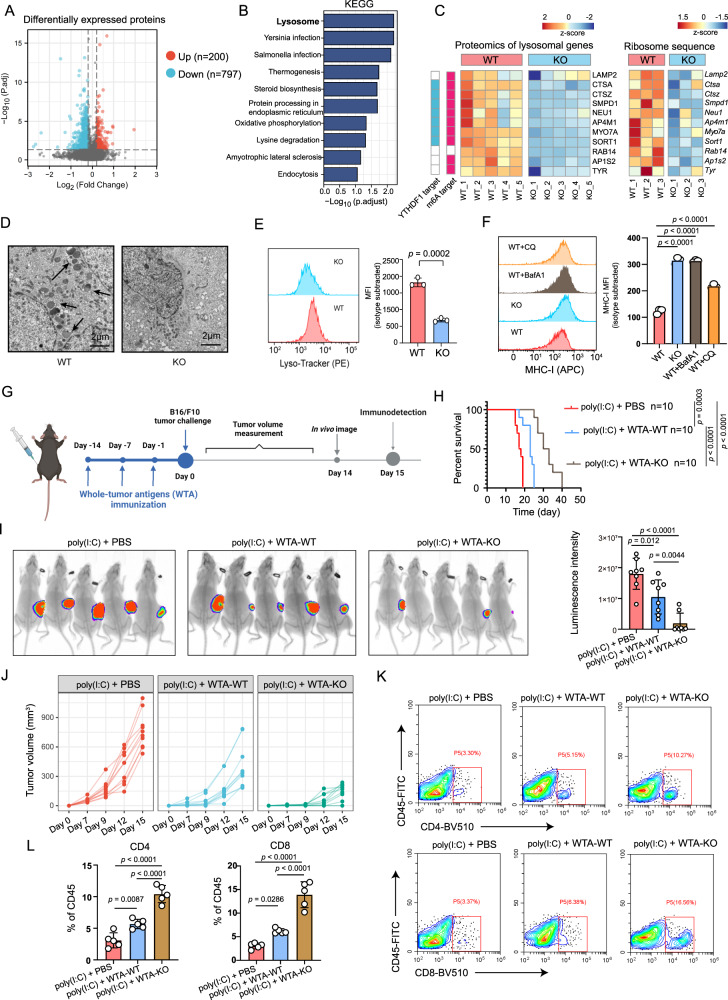
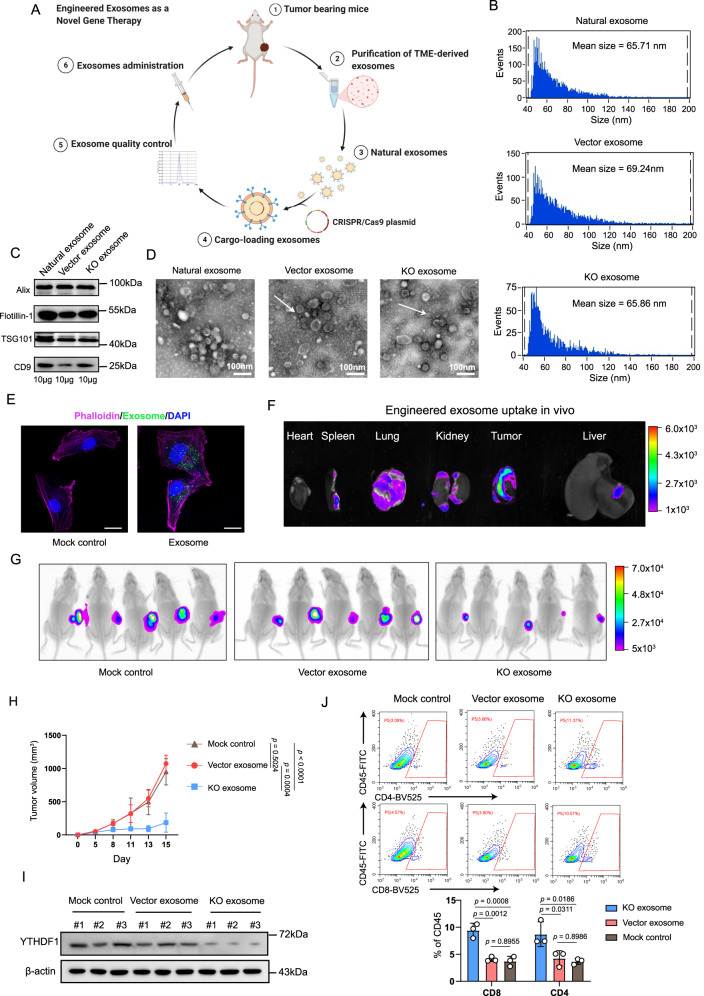
The recently described role of RNA methylation in regulating immune cell infiltration into tumors has attracted interest, given its potential impact on immunotherapy response. YTHDF1 is a versatile and powerful m6A reader, but the understanding of its impact on immune evasion is limited. Here, we reveal that tumor-intrinsic YTHDF1 drives immune evasion and immune checkpoint inhibitor (ICI) resistance. Additionally, YTHDF1 deficiency converts cold tumors into responsive hot tumors, which improves ICI efficacy. Mechanistically, YTHDF1 deficiency inhibits the translation of lysosomal genes and limits lysosomal proteolysis of the major histocompatibility complex class I (MHC-I) and antigens, ultimately restoring tumor immune surveillance. In addition, we design a system for exosome-mediated CRISPR/Cas9 delivery to target YTHDF1 in vivo, resulting in YTHDF1 depletion and antitumor activity. Our findings elucidate the role of tumor-intrinsic YTHDF1 in driving immune evasion and its underlying mechanism.
最近描述的 RNA 甲基化在调节免疫细胞浸润肿瘤中的作用引起了人们的关注,因为它可能对免疫治疗反应产生影响。YTHDF1 是一种多功能且强大的 m6A 阅读器,但对其免疫逃逸的影响了解有限。在这里,我们揭示了肿瘤内在的 YTHDF1 驱动免疫逃逸和免疫检查点抑制剂 (ICI) 耐药性。此外,YTHDF1 缺乏将冷肿瘤转化为反应性热肿瘤,从而提高了 ICI 的疗效。从机制上讲,YTHDF1 缺乏抑制溶酶体基因的翻译,并限制主要组织相容性复合体 I (MHC-I) 和抗原的溶酶体蛋白水解,最终恢复肿瘤免疫监视。此外,我们设计了一种用于外泌体介导的 CRISPR/Cas9 递送的系统,以在体内靶向 YTHDF1,导致 YTHDF1 耗竭和抗肿瘤活性。我们的研究结果阐明了肿瘤内在的 YTHDF1 在驱动免疫逃逸及其潜在机制中的作用。