Laboratoire de Recherche en Sciences Végétales, CNRS/UT3/INPT, Auzeville-Tolosane, France.
Micropep Technologies, Auzeville-Tolosane, France.
Nat Commun. 2023 Jan 17;14(1):254. doi: 10.1038/s41467-023-35951-0.
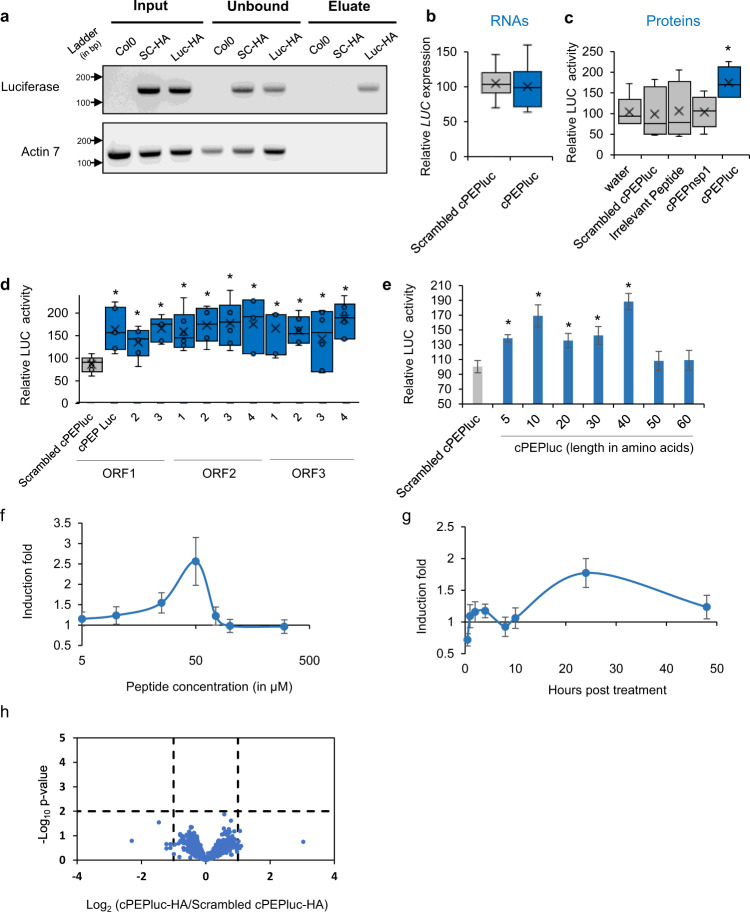
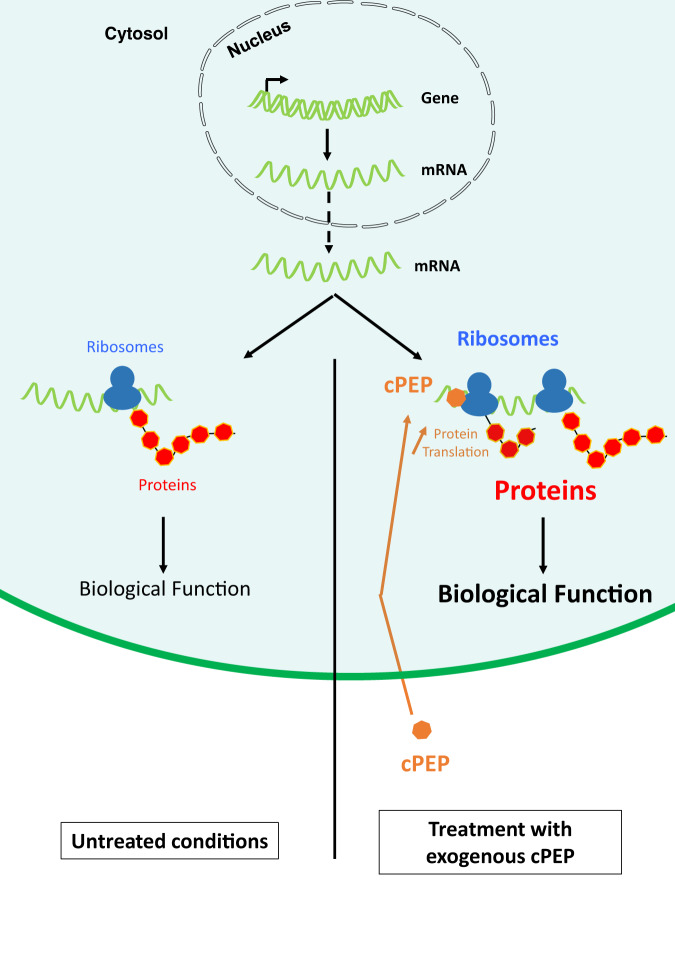
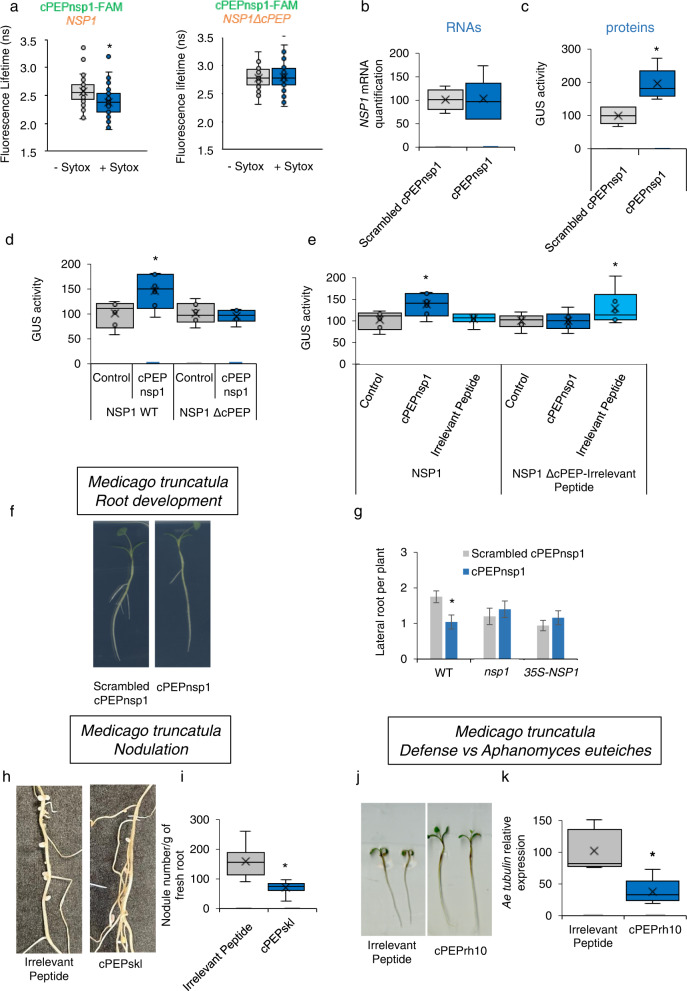
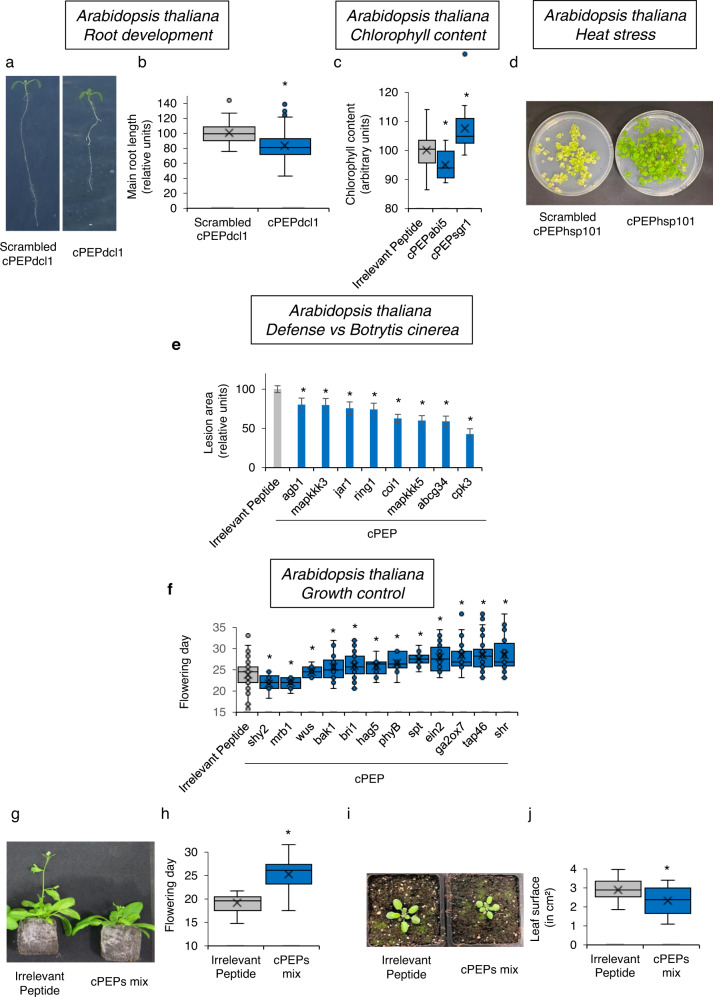
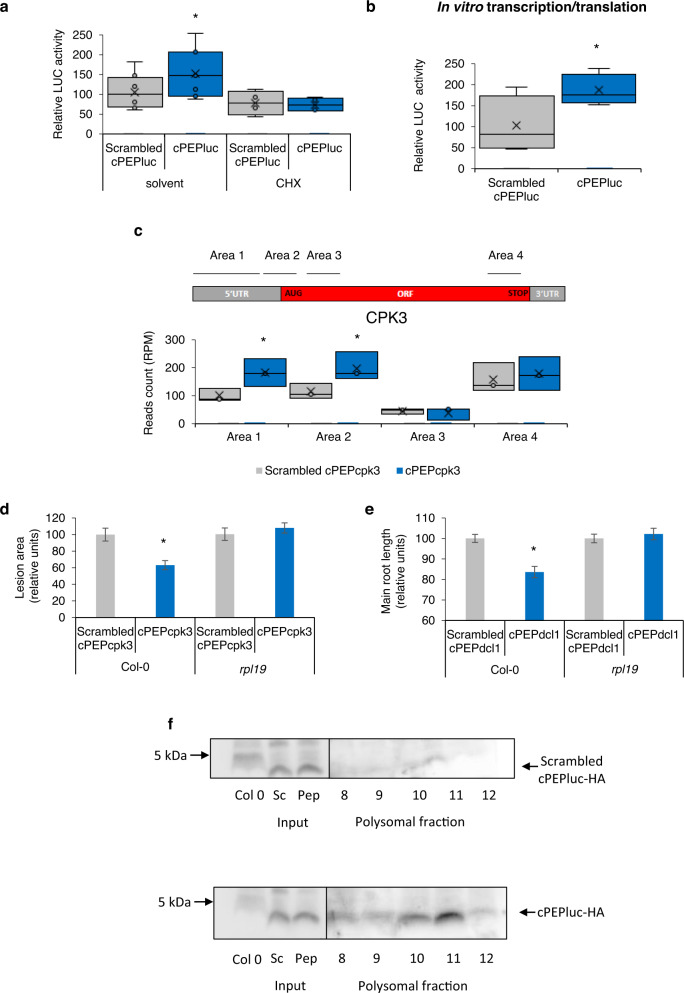
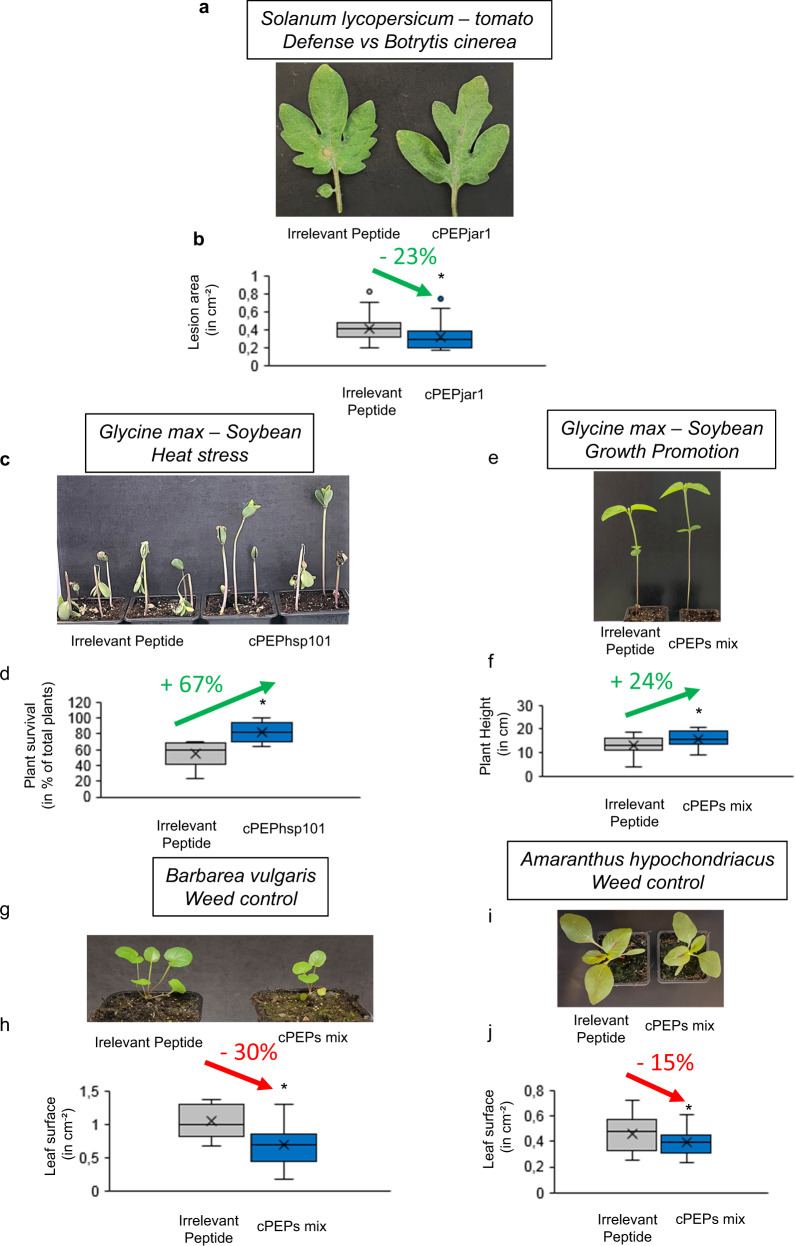
The current agriculture main challenge is to maintain food production while facing multiple threats such as increasing world population, temperature increase, lack of agrochemicals due to health issues and uprising of weeds resistant to herbicides. Developing novel, alternative, and safe methods is hence of paramount importance. Here, we show that complementary peptides (cPEPs) from any gene can be designed to target specifically plant coding genes. External application of synthetic peptides increases the abundance of the targeted protein, leading to related phenotypes. Moreover, we provide evidence that cPEPs can be powerful tools in agronomy to improve plant traits, such as growth, resistance to pathogen or heat stress, without the needs of genetic approaches. Finally, by combining their activity they can also be used to reduce weed growth.
当前农业面临的主要挑战是在面临多种威胁的情况下维持粮食生产,如世界人口增长、气温上升、由于健康问题导致农用化学品短缺以及除草剂抗性杂草的出现。因此,开发新型、替代和安全的方法至关重要。在这里,我们表明,可以设计来自任何基因的互补肽(cPEPs)来专门针对植物编码基因。合成肽的外部应用会增加目标蛋白的丰度,从而导致相关表型。此外,我们还提供了证据表明,cPEPs 可以成为农业领域的有力工具,无需遗传方法即可改善植物特性,如生长、对病原体或热应激的抗性。最后,通过结合它们的活性,它们也可以用于减少杂草的生长。