Neurosciences Graduate Program, University of California San Diego, La Jolla, 92093, California
Center for Neural Circuits and Behavior, Neurobiology Section and Department of Neuroscience, University of California San Diego, La Jolla, 92093, California.
J Neurosci. 2023 Mar 1;43(9):1540-1554. doi: 10.1523/JNEUROSCI.2124-21.2022. Epub 2023 Jan 18.
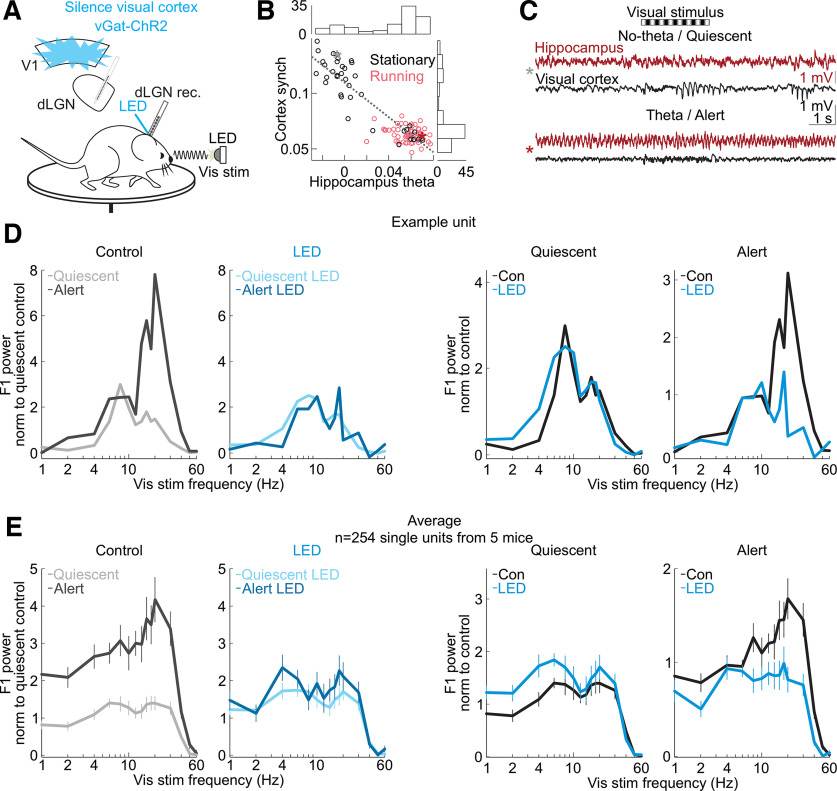
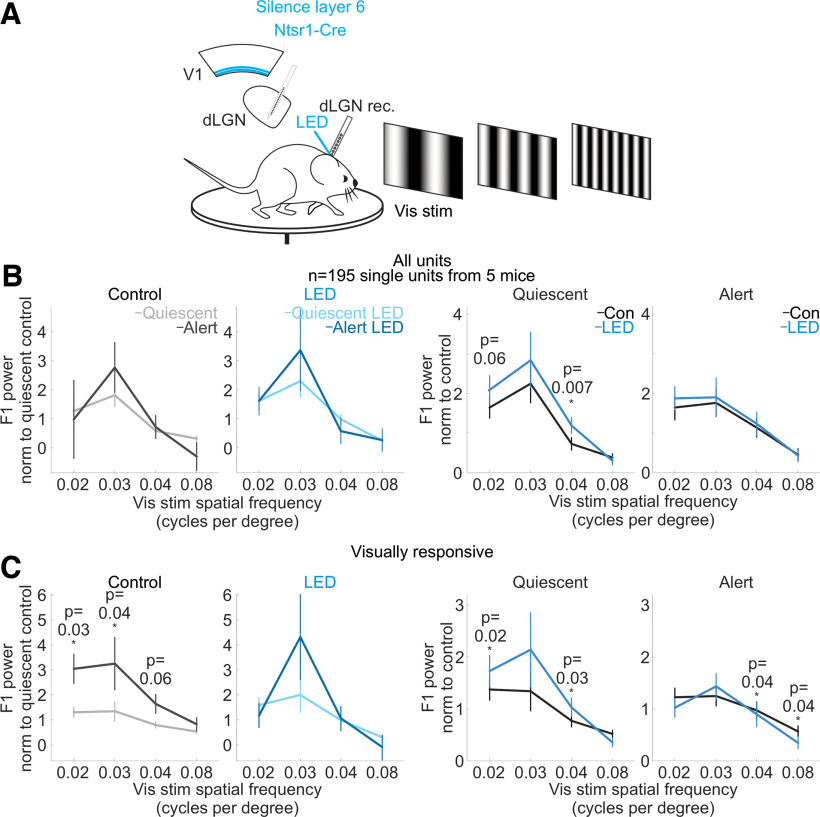
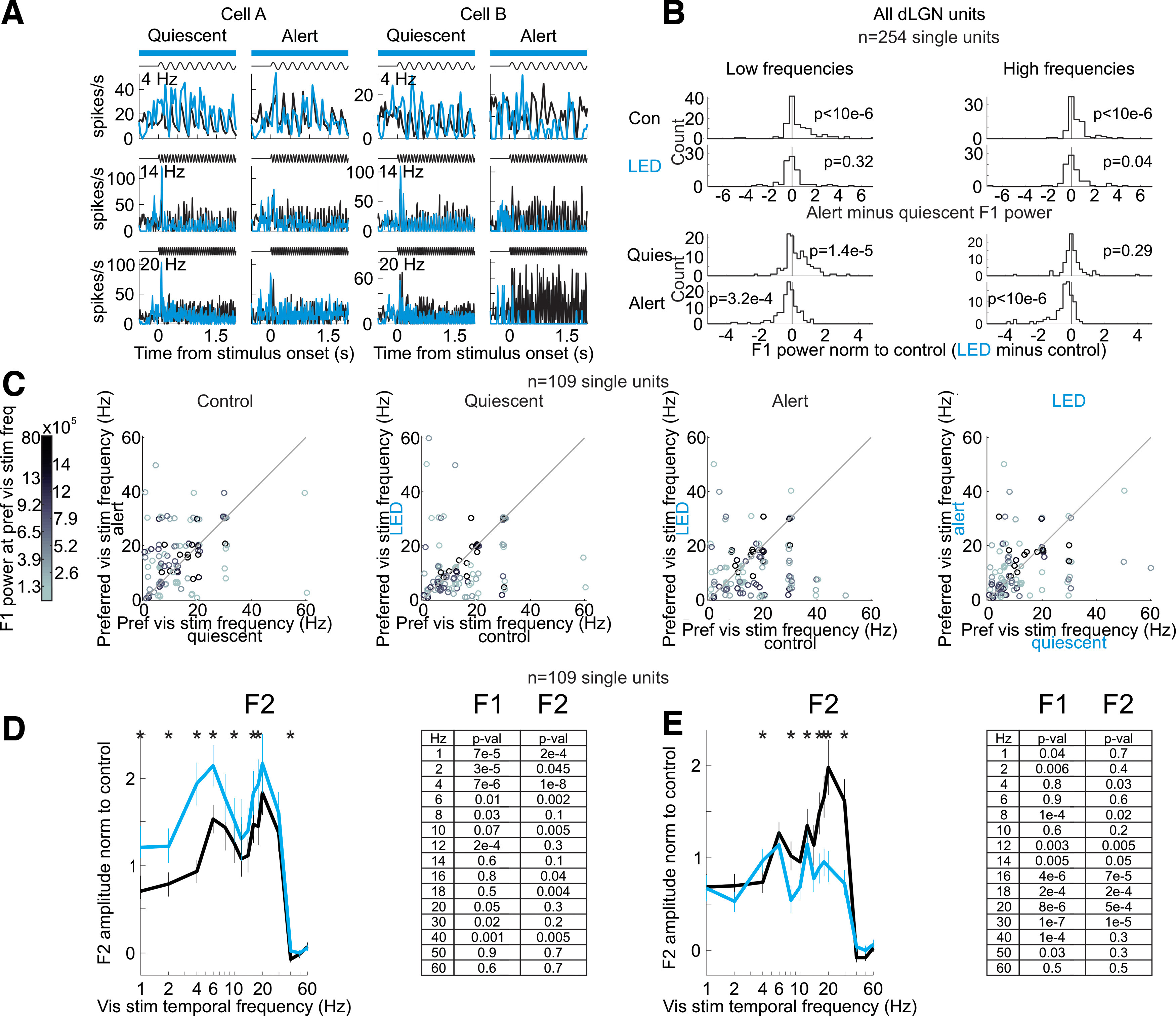
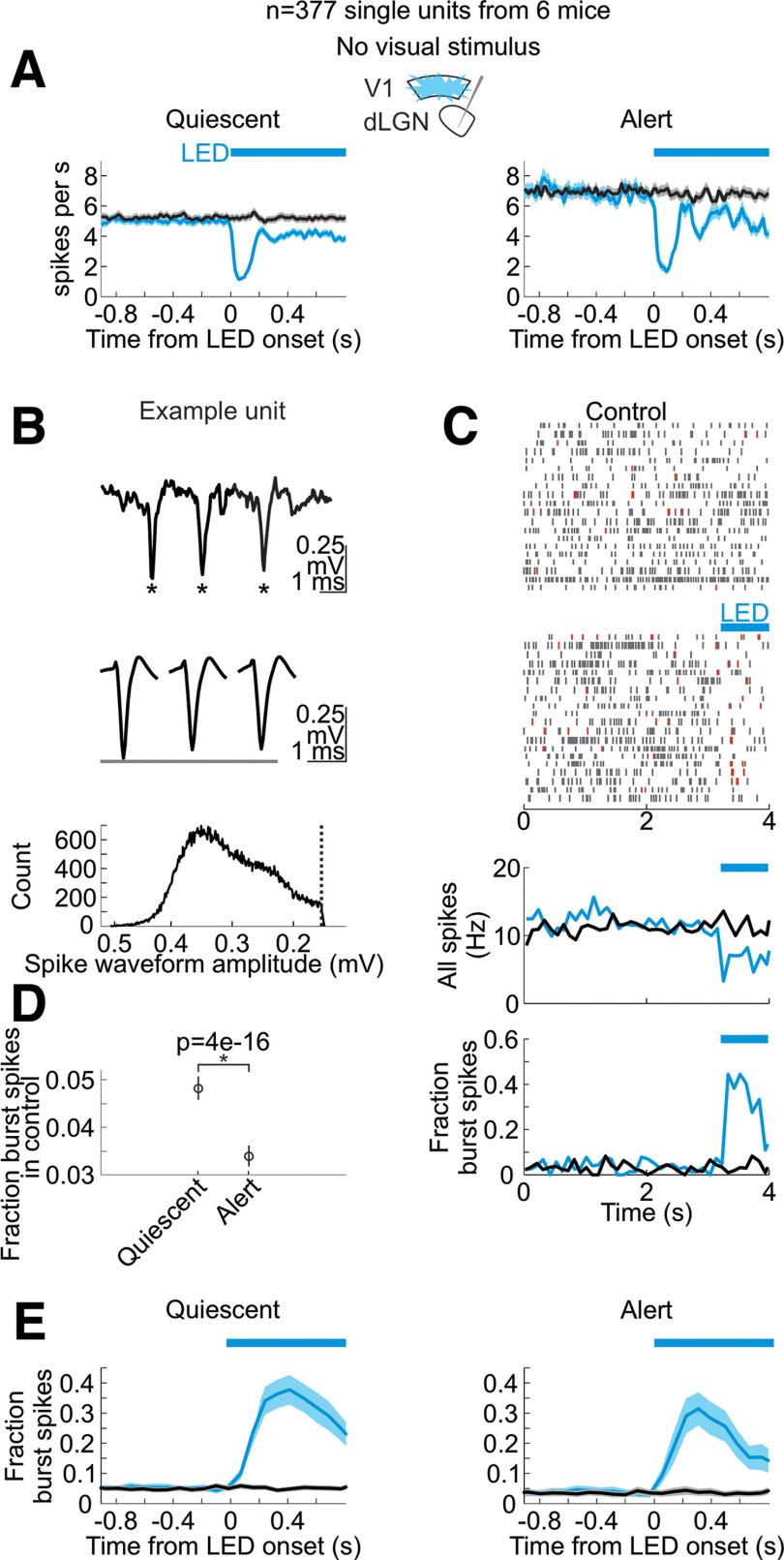
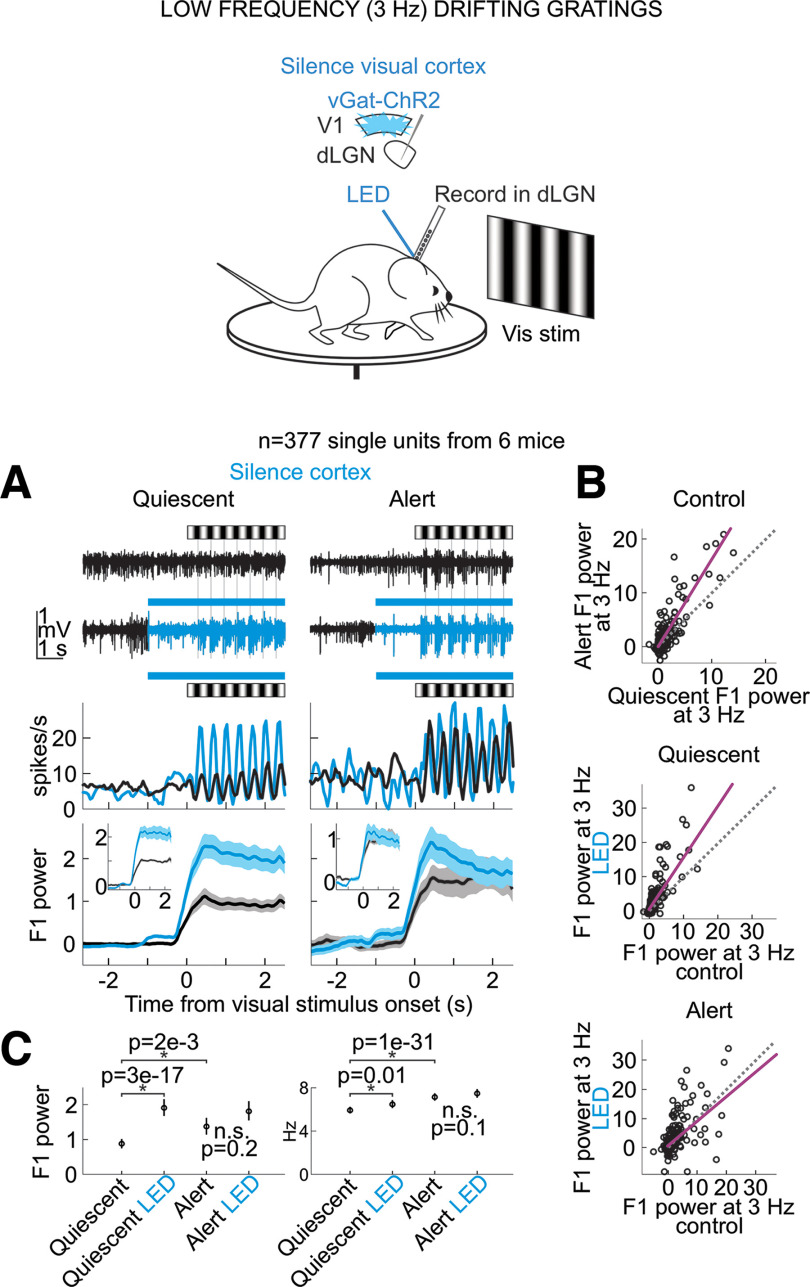
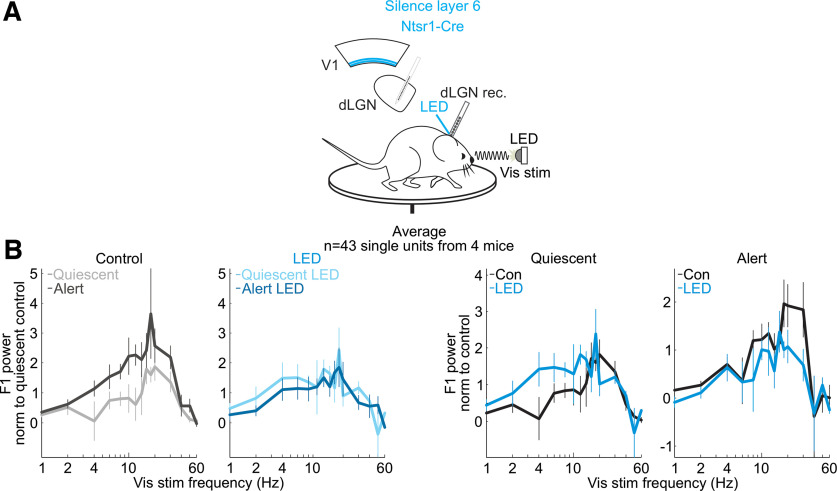
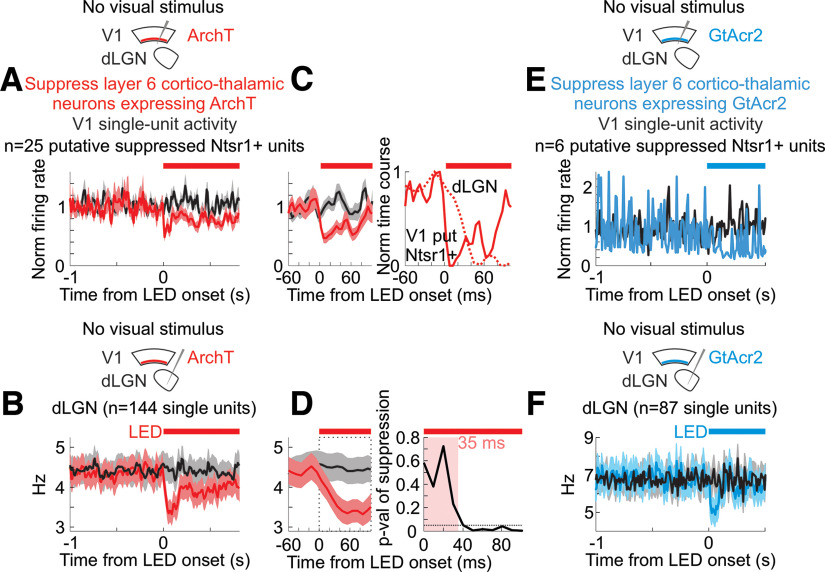
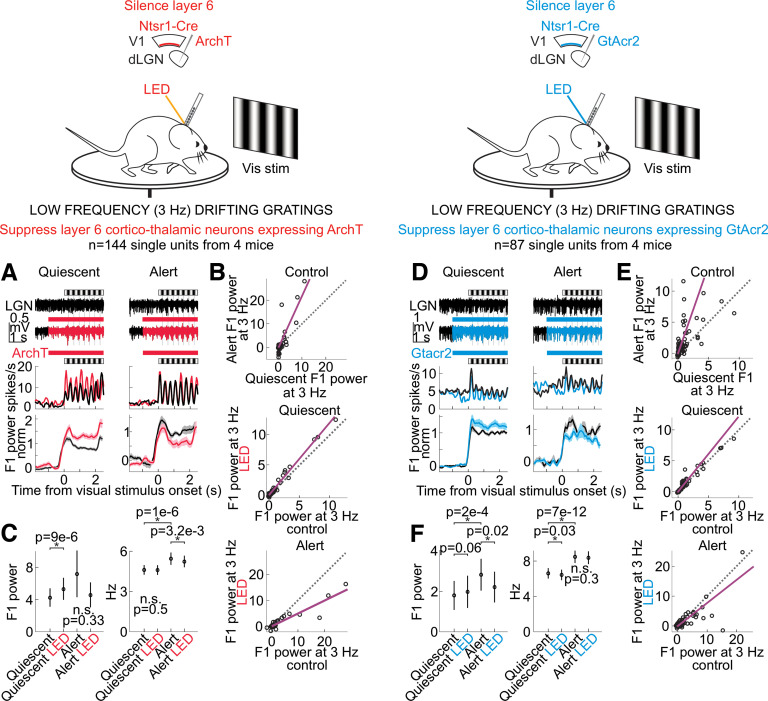
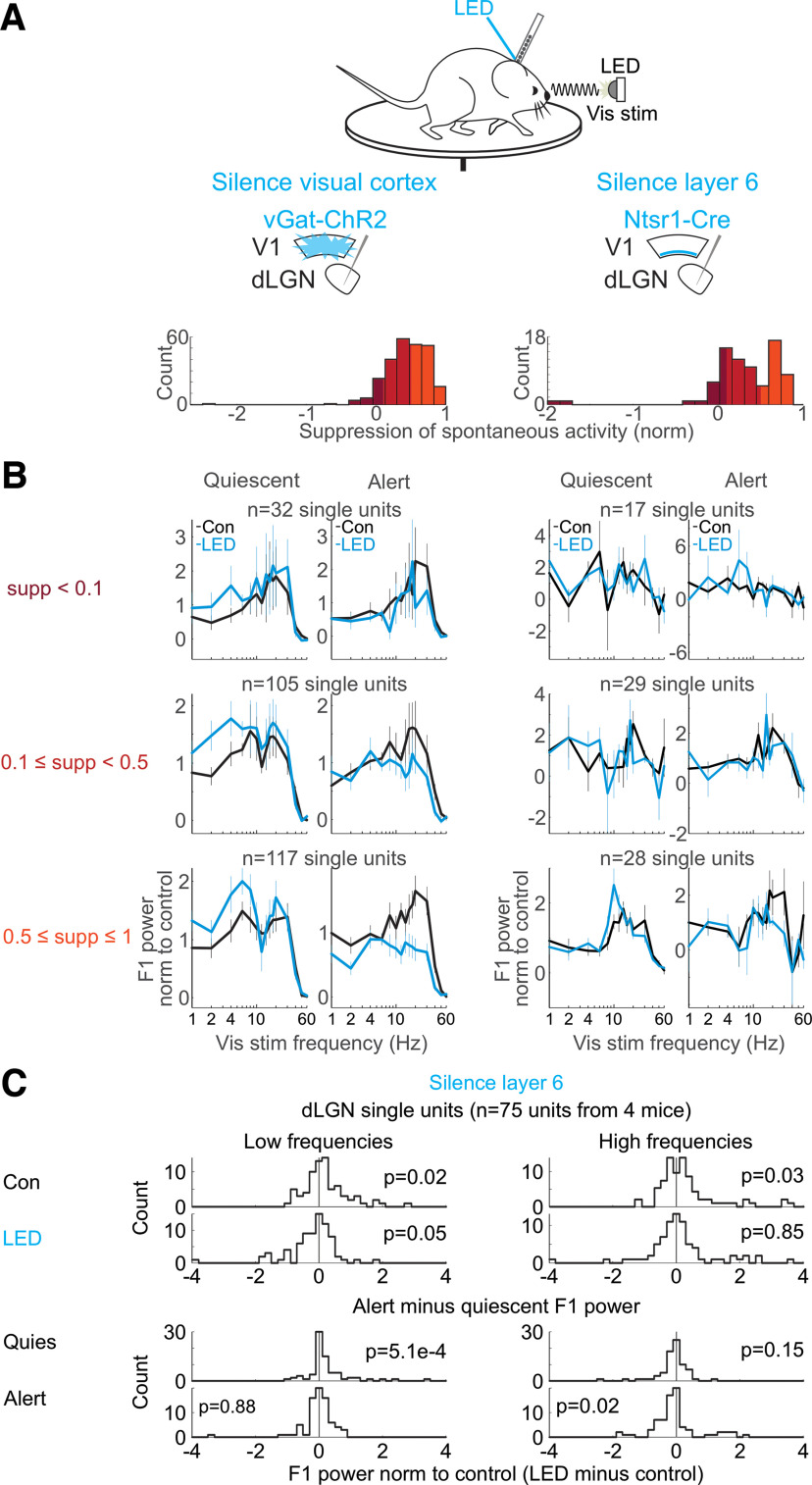
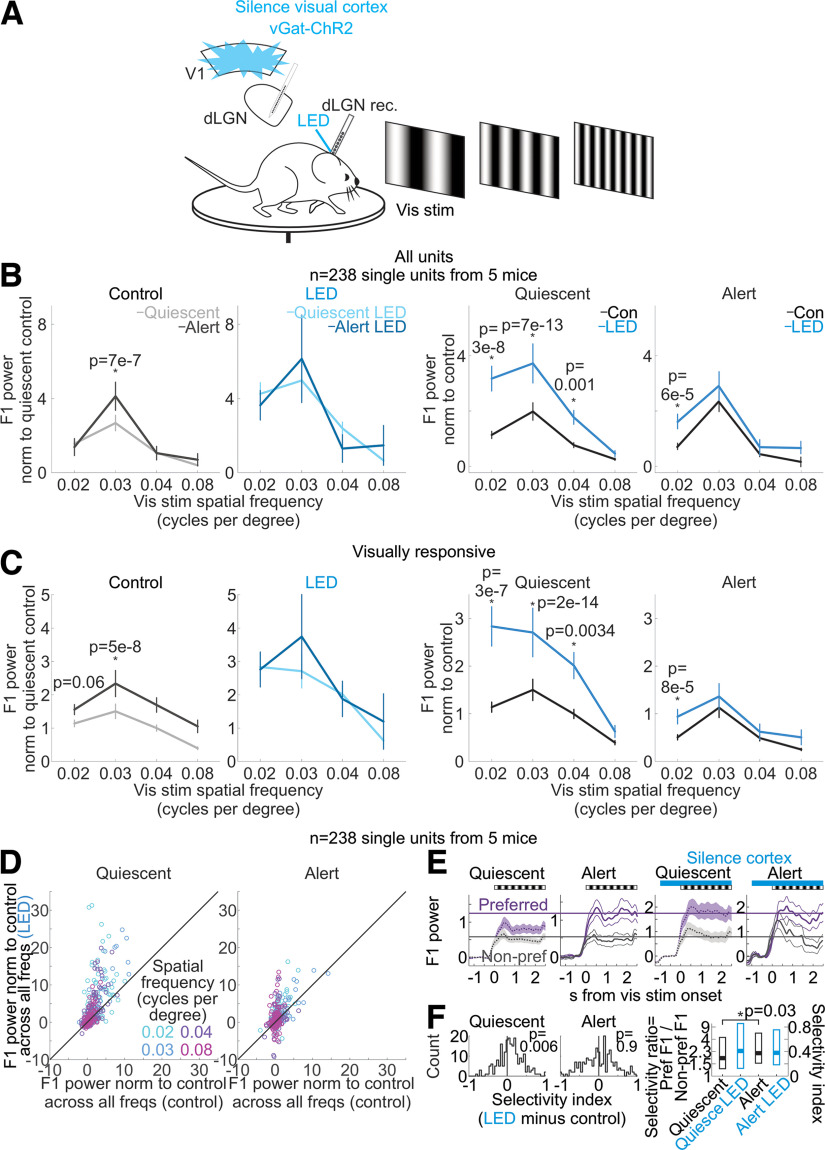
The behavioral state of a mammal impacts how the brain responds to visual stimuli as early as in the dorsolateral geniculate nucleus of the thalamus (dLGN), the primary relay of visual information to the cortex. A clear example of this is the markedly stronger response of dLGN neurons to higher temporal frequencies of the visual stimulus in alert as compared with quiescent animals. The dLGN receives strong feedback from the visual cortex, yet whether this feedback contributes to these state-dependent responses to visual stimuli is poorly understood. Here, we show that in male and female mice, silencing cortico-thalamic feedback profoundly reduces state-dependent differences in the response of dLGN neurons to visual stimuli. This holds true for dLGN responses to both temporal and spatial features of the visual stimulus. These results reveal that the state-dependent shift of the response to visual stimuli in an early stage of visual processing depends on cortico-thalamic feedback. Brain state affects even the earliest stages of sensory processing. A clear example of this phenomenon is the change in thalamic responses to visual stimuli depending on whether the animal's brain is in an alert or quiescent state. Despite the radical impact that brain state has on sensory processing, the underlying circuits are still poorly understood. Here, we show that both the temporal and spatial response properties of thalamic neurons to visual stimuli depend on the state of the animal and, crucially, that this state-dependent shift relies on the feedback projection from visual cortex to thalamus.
哺乳动物的行为状态会影响大脑对视觉刺激的反应,这种影响早在丘脑外侧膝状体核(dLGN)中就已经存在,dLGN 是视觉信息向皮层传递的主要中继站。一个明显的例子是,与安静状态的动物相比,警觉状态下 dLGN 神经元对视觉刺激更高的时间频率的反应明显更强。dLGN 从视觉皮层接收强烈的反馈,但这种反馈是否有助于这些状态依赖的视觉刺激反应还知之甚少。在这里,我们表明,在雄性和雌性小鼠中,沉默皮质丘脑反馈会极大地降低 dLGN 神经元对视觉刺激反应的状态依赖性差异。这对于 dLGN 对视觉刺激的时间和空间特征的反应都是如此。这些结果表明,在视觉处理的早期阶段,对视觉刺激的反应的状态依赖性变化取决于皮质丘脑反馈。大脑状态甚至会影响到感觉处理的最早阶段。这种现象的一个明显例子是,取决于动物的大脑是处于警觉状态还是安静状态,丘脑对视觉刺激的反应会发生变化。尽管大脑状态对感觉处理有重大影响,但相关的神经回路仍知之甚少。在这里,我们表明,丘脑神经元对视觉刺激的时间和空间反应特性都依赖于动物的状态,而且,这种状态依赖性的转变依赖于来自视觉皮层到丘脑的反馈投射。