Faculty of Civil Engineering, Mechanics and Petrochemistry, Warsaw University of Technology, 09-400, Płock, Poland.
Sci Rep. 2023 Jan 18;13(1):946. doi: 10.1038/s41598-023-27748-4.
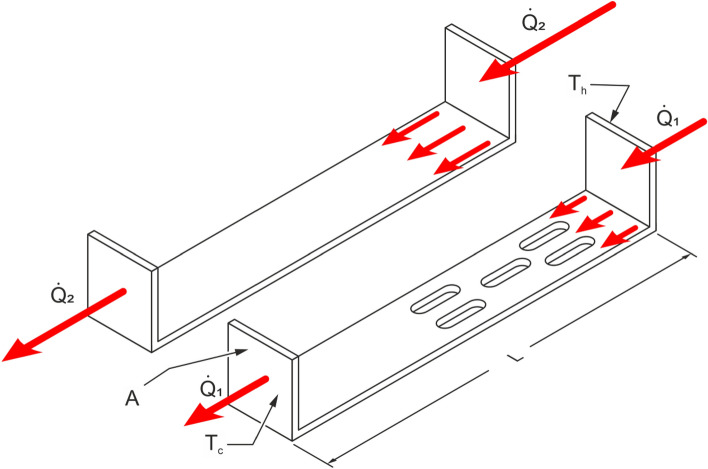
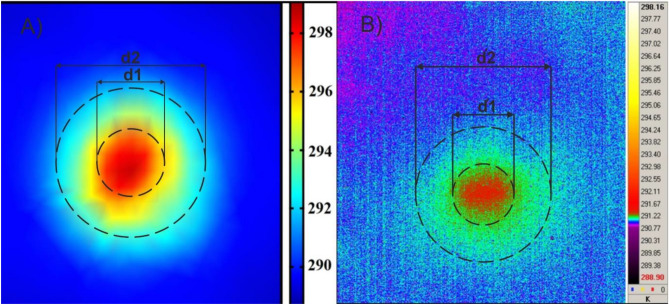
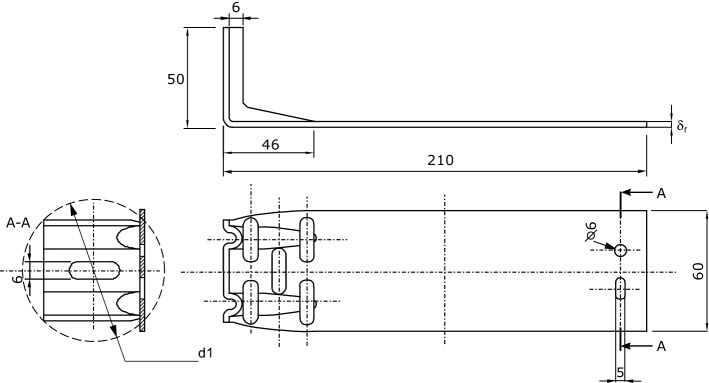
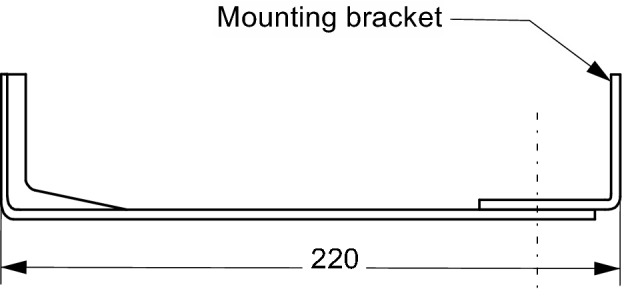
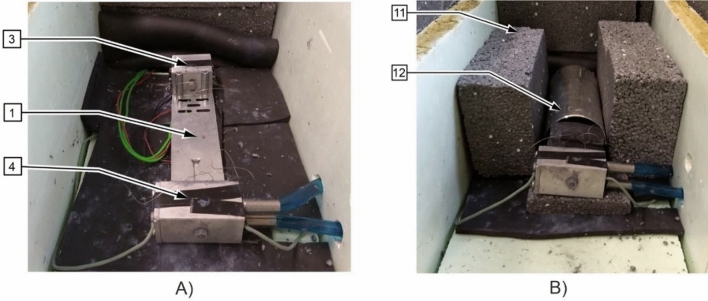
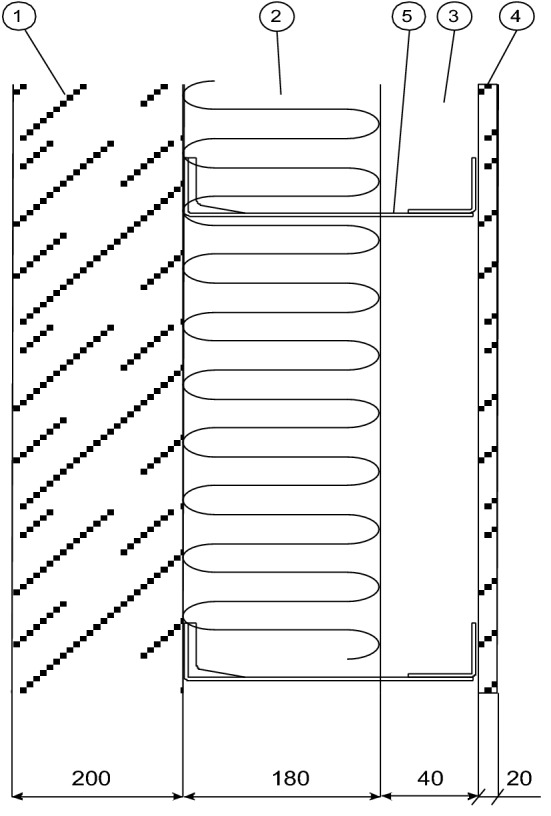
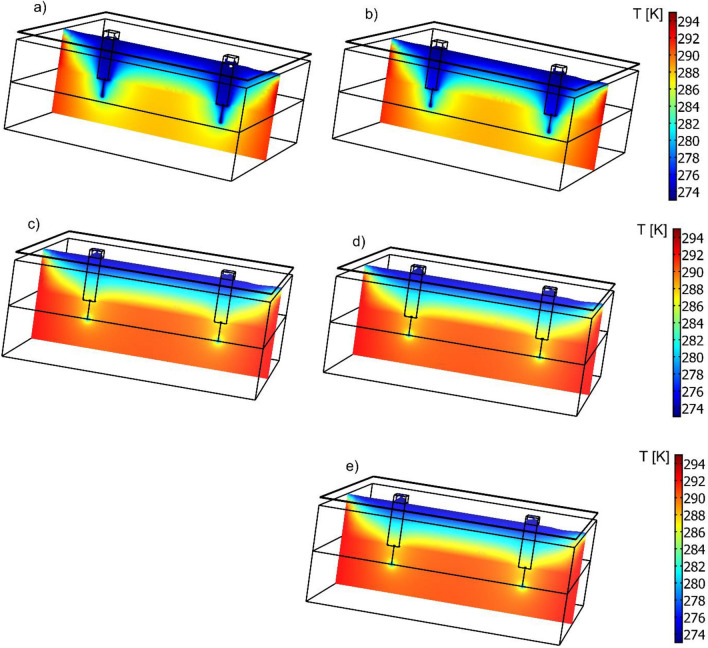
The study reported in this paper investigated a set of building fasteners used in ventilated facades. For the building fasteners actually present in the industrial market the values of the effective thermal conductivity were measured experimentally. These values were used next in numerical simulations run with COMSOL Multiphysics software application. The validation of the simulation model was done in specific additional experimental test. The paper presents a method of determining the effective thermal conductivity coefficient for fasteners with a novel design. Temperature distributions and heat fluxes were determined for different variants of multilayer walls with the fasteners. The calculation of the effective thermal conductivity coefficient for a structural profile is based on the heat balance of the measuring stand. The performed tests show not only an expected reduction in the coefficient value for structures in which stainless steel is used. The results also demonstrate that the fasteners with holes cut out in their structures have significantly lower effective thermal conductivity coefficients than those with solid walls. This effect can be justified by the formation of labyrinth-like narrowings extending the conductive heat flow path in the fastener. As a final result of the experimental tests and the COMSOL simulations the application of the effective thermal conductivity as the new indicator of a thermal effectiveness of building fasteners is proposed in industrial practice. Consequently the design of the building fasteners with various shapes of holes is recommended for improving their insulation features.
本文研究了一组用于通风外墙的建筑紧固件。对于工业市场上实际存在的建筑紧固件,我们通过实验测量了有效导热系数的值。然后,我们使用 COMSOL Multiphysics 软件应用程序进行数值模拟。在特定的附加实验测试中对仿真模型进行了验证。本文提出了一种用于确定具有新颖设计的紧固件有效导热系数的方法。为具有不同紧固件的多层墙变体确定了温度分布和热通量。基于测量台的热平衡,计算了结构型材的有效导热系数。所进行的测试不仅显示了在使用不锈钢的结构中,系数值预期降低的情况。结果还表明,与具有实心壁的紧固件相比,结构中切出孔的紧固件的有效导热系数显着降低。这种效果可以通过在紧固件中形成迷宫状的狭窄部分来延长导热流路径来解释。作为实验测试和 COMSOL 模拟的最终结果,建议在工业实践中应用有效导热系数作为建筑紧固件热效率的新指标。因此,建议设计各种形状孔的建筑紧固件,以提高其隔热性能。