School of Design, Hunan University, Changsha, 410082, China.
Sci Rep. 2023 Jan 19;13(1):1084. doi: 10.1038/s41598-023-27794-y.
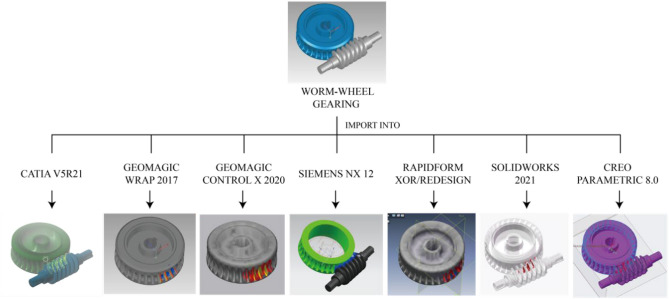
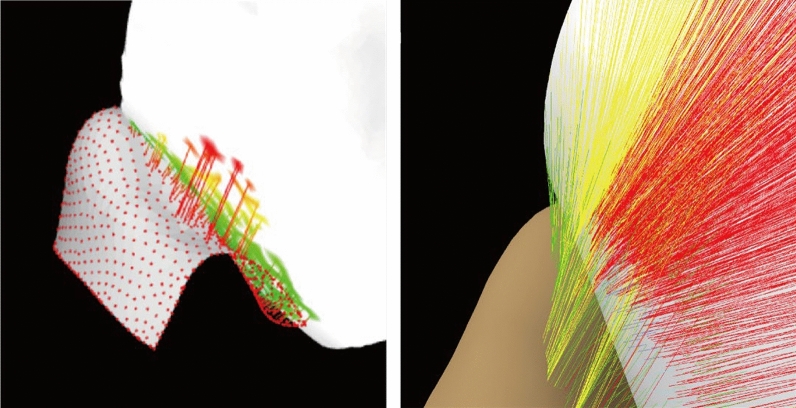
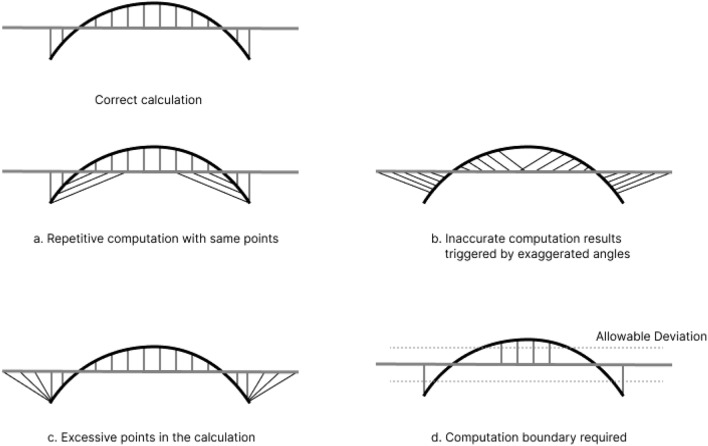
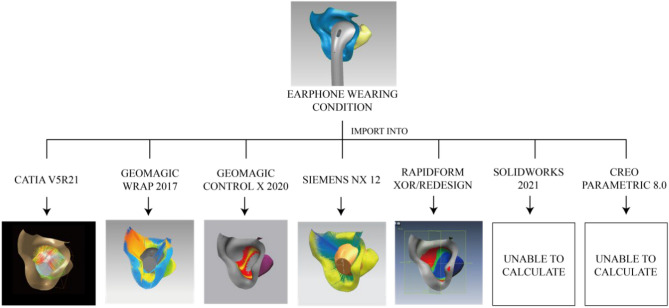
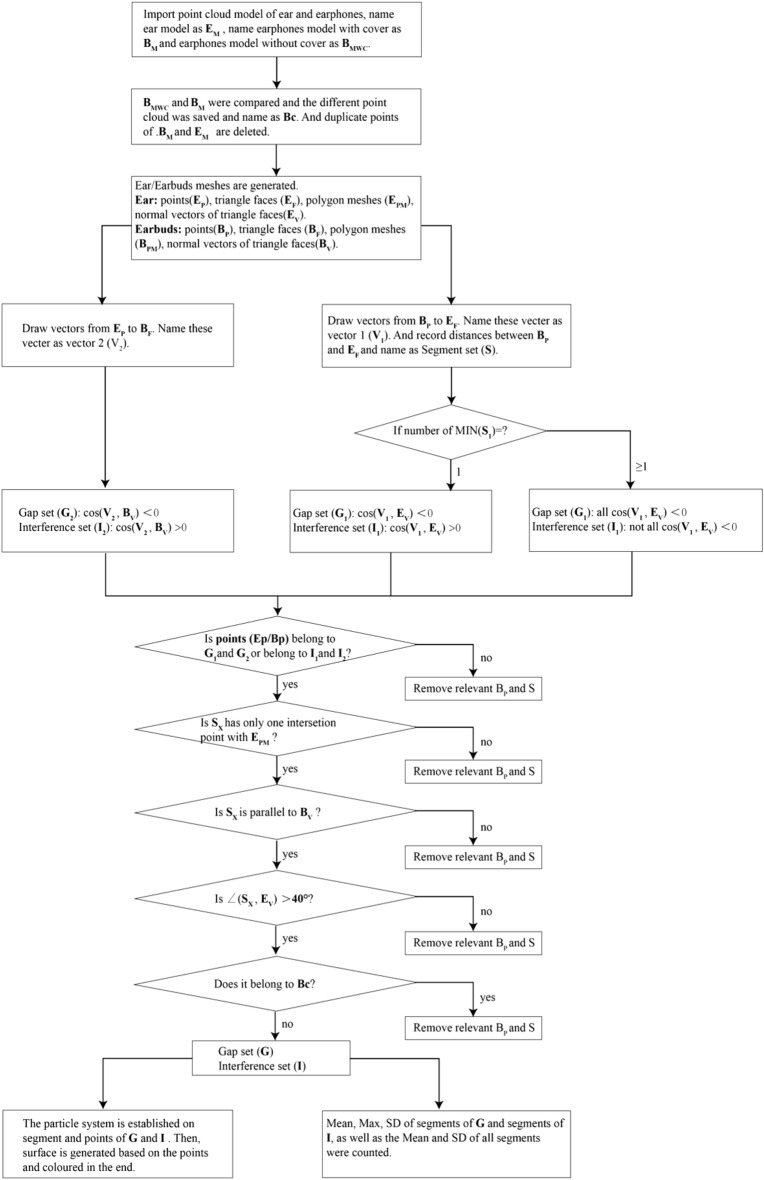
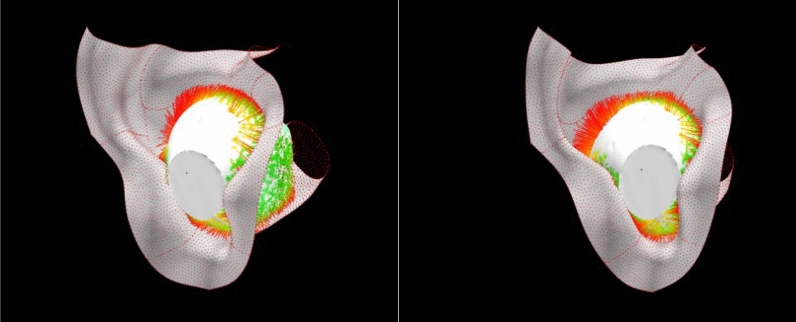
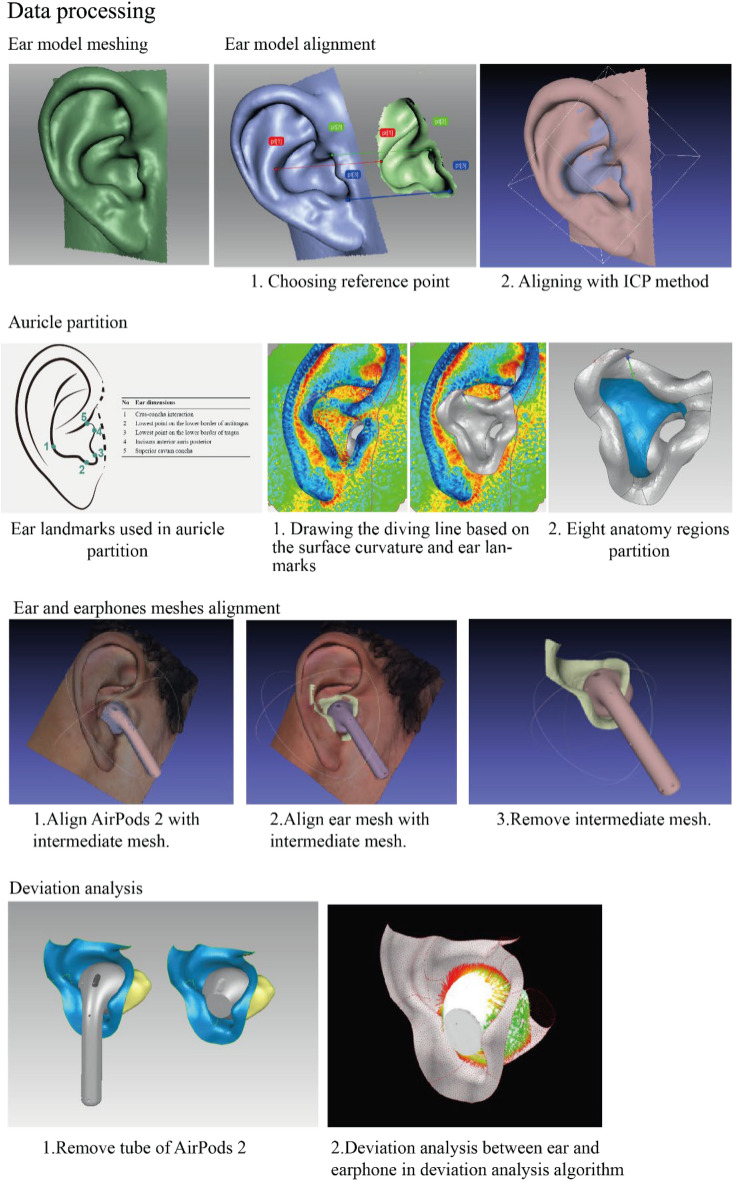
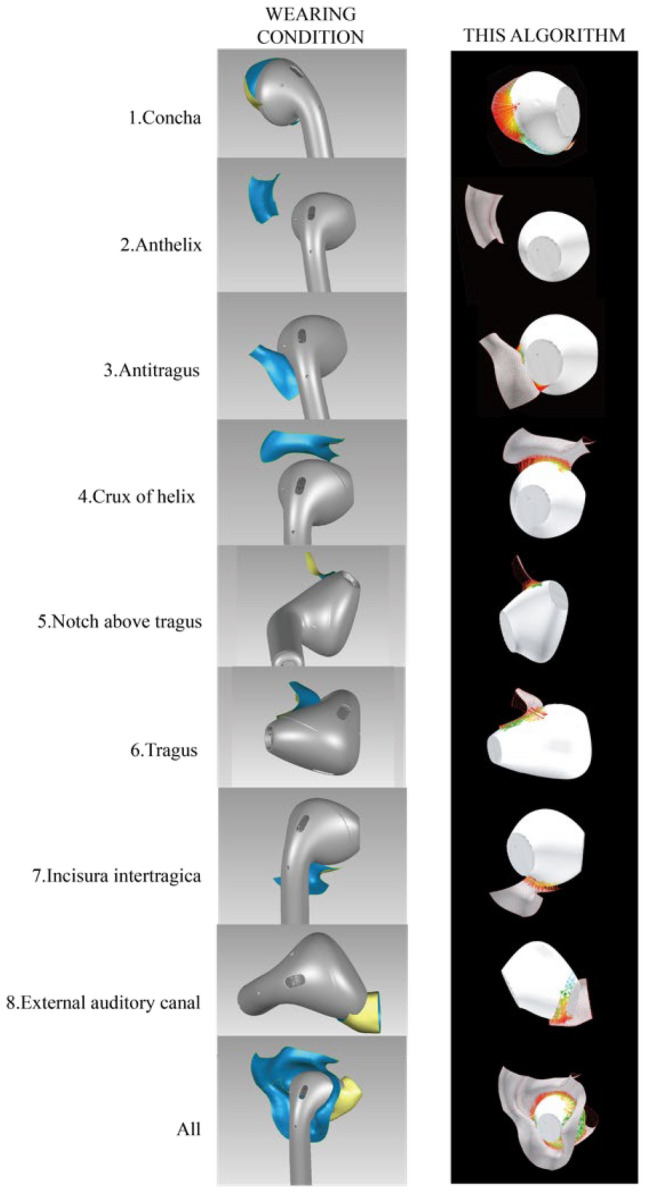
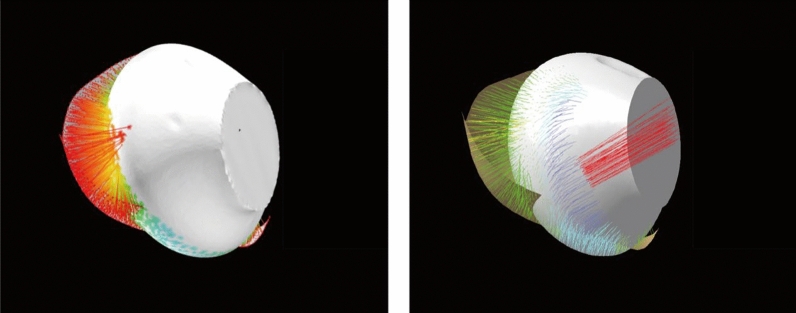
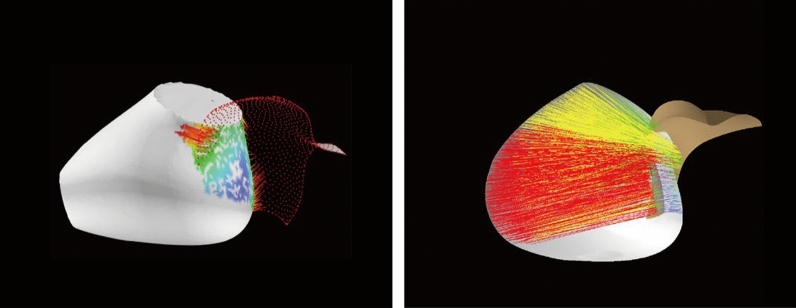
This study provides an accurate method for evaluating the fit of earphones, which could be used for establishing a linkage between interference/gap values with human perception. Seven commercial CAD software tools stood out and were explored for the analysis of the deviation between earphone and ear. However, the current deviation analysis method remains to be improved for earphone fit evaluation due to excessive points in the calculation (Geomagic Wrap and Siemens NX), lack of value on interference (Geomagic Control X), computation boundary required (Rapidform XOR/Redesign), repetitive computation with same points and inclined calculation line segment or even invalid calculation (Solidworks, Creo). Therefore, an accurate deviation analysis algorithm was promoted, which calculated the deviation between earphone and ear exactly and classified the interference set and gap set precisely. There are five main procedures of this algorithm, which are point cloud model pre-processing, the generation of distance vectors, the discrimination of interference set and gap set, the discrimination of validity, and statistical analysis and visualization. Furthermore, the usability and validity of the deviation analysis algorithm were verified through statistical analysis and comparing visual effects based on the earphone-wearing experiment. It is certified that the deviation analysis algorithm is appropriate for earphone fit evaluation and the eight indexes of this algorithm were proved to be related to subjective comfort scores. It is meaningful for ear-worn product fit analysis, design, and development phases.
本研究提供了一种准确的耳机贴合度评估方法,可用于建立干扰/间隙值与人感知之间的联系。七种商业 CAD 软件工具脱颖而出,并被探索用于分析耳机和耳朵之间的偏差。然而,由于计算中存在过多的点(Geomagic Wrap 和 Siemens NX)、缺乏干扰值(Geomagic Control X)、需要计算边界(Rapidform XOR/Redesign)、重复计算相同的点和倾斜的计算线段甚至无效计算(Solidworks、Creo),当前的偏差分析方法仍然需要改进,以用于耳机贴合度评估。因此,我们提出了一种准确的偏差分析算法,该算法可以精确地计算耳机和耳朵之间的偏差,并精确地分类干扰集和间隙集。该算法有五个主要步骤,分别是点云模型预处理、距离向量生成、干扰集和间隙集的区分、有效性区分和统计分析与可视化。此外,通过基于佩戴耳机实验的统计分析和比较视觉效果,验证了偏差分析算法的可用性和有效性。证明了偏差分析算法适用于耳机贴合度评估,并且该算法的八个指标与主观舒适度评分相关。这对于耳戴产品的贴合度分析、设计和开发阶段具有重要意义。