Burand Anthony J, Waltz Tyler B, Manis Anna D, Hodges Matthew R, Stucky Cheryl L
Department of Cell Biology, Neurobiology and Anatomy, Medical College of Wisconsin, Milwaukee, United States.
Department of Physiology, Medical College of Wisconsin, Milwaukee, United States.
Neurobiol Pain. 2023 Jan 5;13:100113. doi: 10.1016/j.ynpai.2022.100113. eCollection 2023 Jan-Jul.
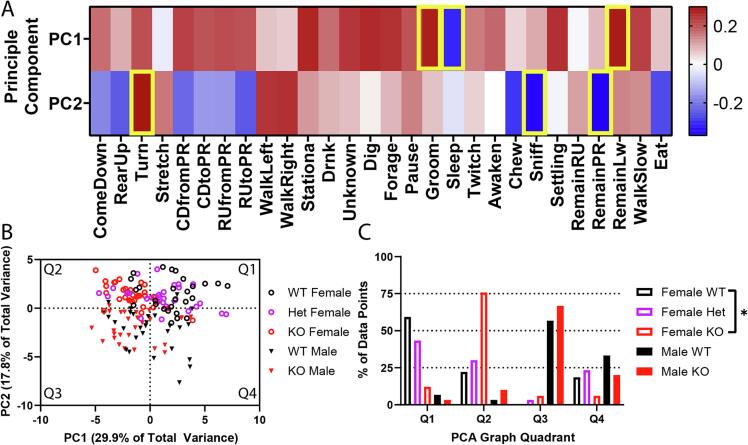
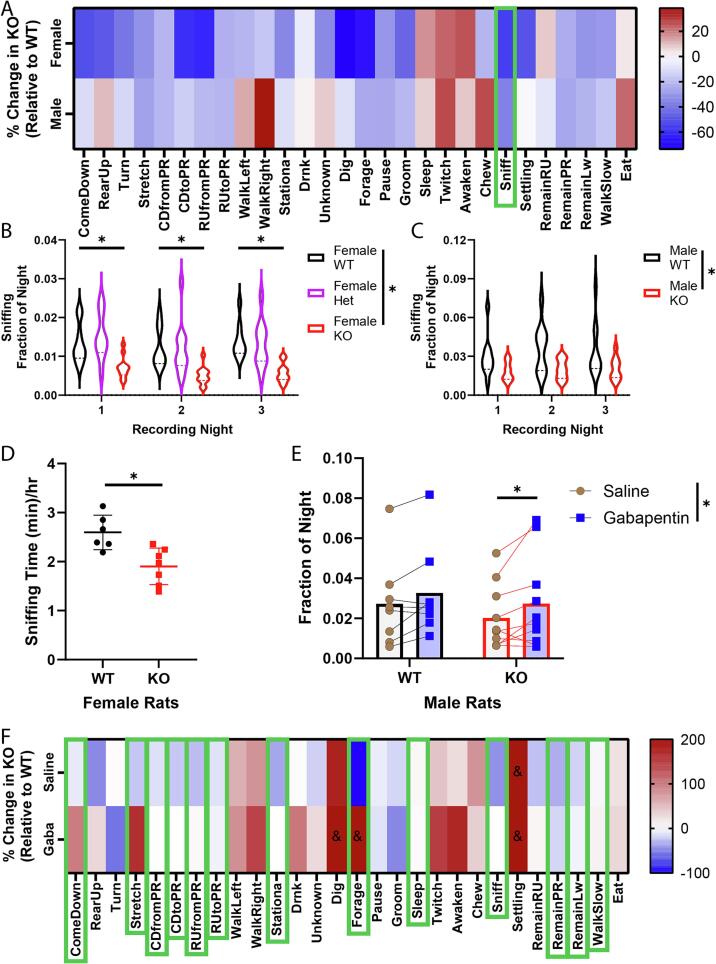
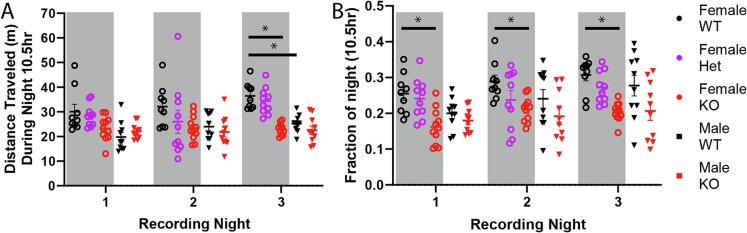
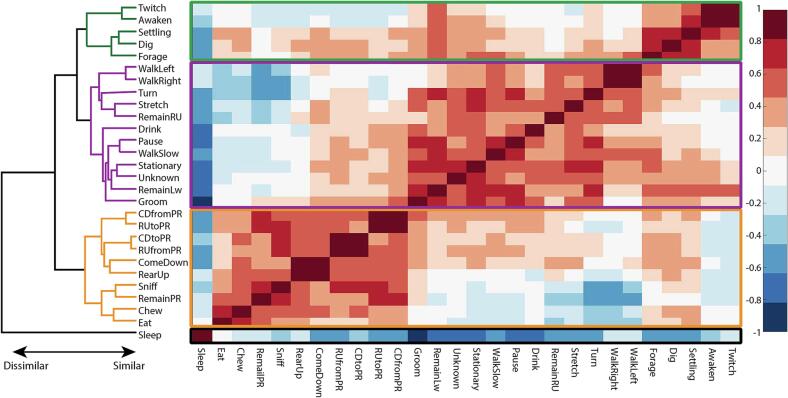
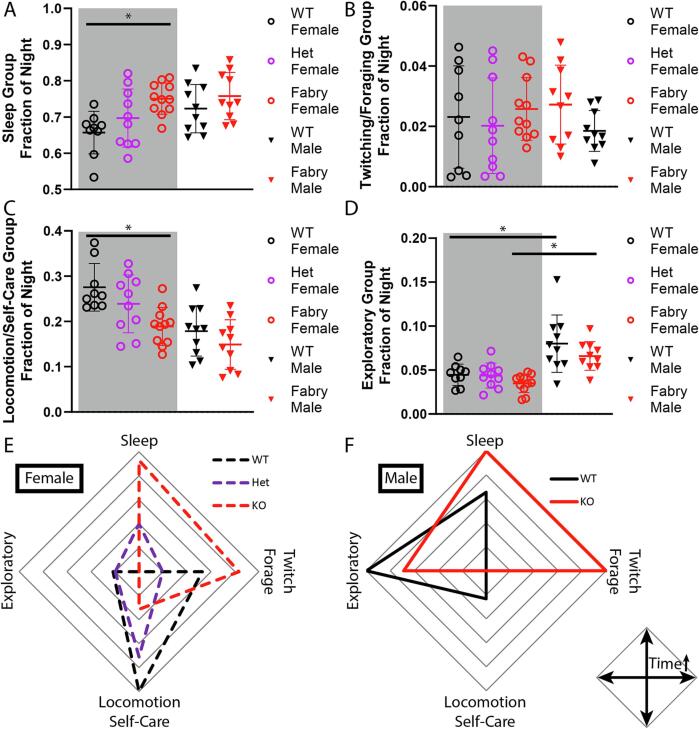
HomeCageScan (HCS) is an automated behavioral scoring system that can be used to classify and quantify rodent behaviors in the home cage. Although HCS has been used for a number of inducible models of severe pain, little has been done to test this system in clinically relevant genetic disease models associated with chronic pain such as Fabry disease. Rats with Fabry disease exhibit mechanical hypersensitivity, however, it is unclear if these rodents also exhibit ongoing non-evoked pain. Therefore, we analyzed HCS data from male and female rats with Fabry disease. Using hierarchical clustering and principal component analysis, we found both sex and genotype differences in several home cage behaviors. Additionally, we used hierarchical clustering to derive behavioral clusters in an unbiased manner. Analysis of these behavioral clusters showed that primarily female Fabry animals moved less, spent less time caring for themselves (e.g., less time spent grooming and drinking), explored less, and slept more; changes that are similar to lifestyle changes observed in patients with long lasting chronic pain. We also show that sniffing, one of the exploratory behaviors that is depressed in Fabry animals, can be partly restored with the analgesic gabapentin, suggesting that depressed sniffing may reflect ongoing pain. Therefore, this approach to HCS data analysis can be used to assess drug efficacy in Fabry disease and potentially other genetic and inducible rodent models associated with persistent pain.
家笼扫描(HCS)是一种自动化行为评分系统,可用于对家笼中的啮齿动物行为进行分类和量化。尽管HCS已被用于多种严重疼痛的诱导模型,但在与慢性疼痛相关的临床相关遗传疾病模型(如法布里病)中测试该系统的工作做得很少。患有法布里病的大鼠表现出机械性超敏反应,然而,尚不清楚这些啮齿动物是否也表现出持续性非诱发性疼痛。因此,我们分析了患有法布里病的雄性和雌性大鼠的HCS数据。通过层次聚类和主成分分析,我们发现家笼行为在性别和基因型上均存在差异。此外,我们使用层次聚类以无偏方式得出行为聚类。对这些行为聚类的分析表明,主要是患有法布里病的雌性动物活动较少,自我照料时间较少(例如,梳理毛发和饮水的时间较少),探索较少,睡眠较多;这些变化与长期慢性疼痛患者观察到的生活方式变化相似。我们还表明,法布里病动物中受抑制的探索行为之一——嗅探,可通过镇痛药物加巴喷丁部分恢复,这表明嗅探受抑制可能反映了持续性疼痛。因此,这种HCS数据分析方法可用于评估法布里病以及可能其他与持续性疼痛相关的遗传和诱导性啮齿动物模型中的药物疗效。