Rohun Justyna, Dorniak Karolina, Młodziński Krzysztof, Bachorski Witold, Gruchała Marcin, Raczak Grzegorz, Daniłowicz-Szymanowicz Ludmiła
Department of Cardiology and Electrotherapy, Medical University of Gdansk, 80-214 Gdansk, Poland.
Department of Noninvasive Cardiac Diagnostics, Medical University of Gdansk, 80-214 Gdansk, Poland.
Life (Basel). 2023 Jan 10;13(1):205. doi: 10.3390/life13010205.
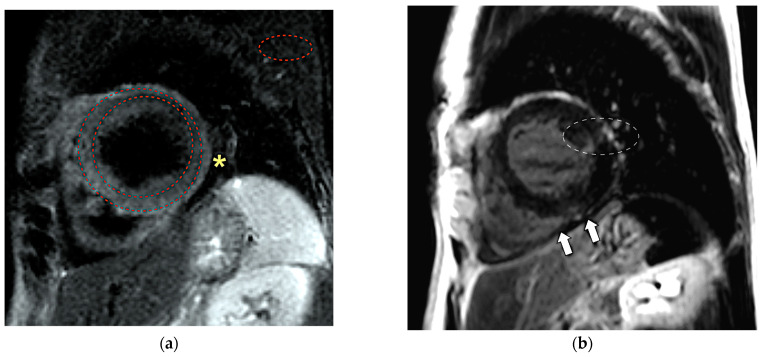
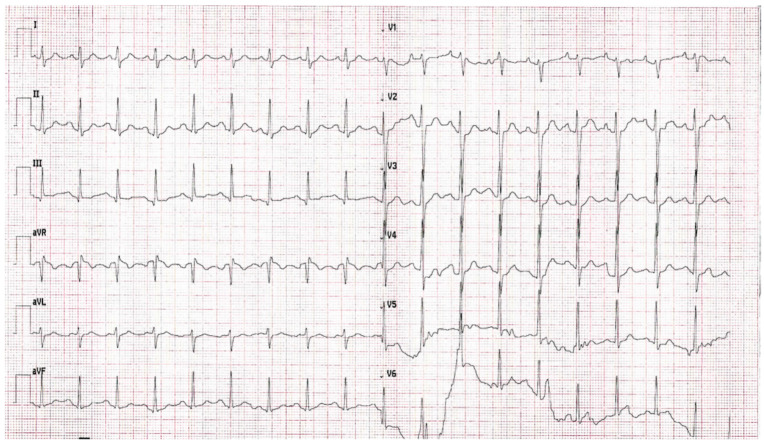
(1) Background: vitamin B1 level depletion, known as a beriberi syndrome, can lead to severe cardiovascular complications, from which perimyocarditis fulminans is one of the most severe. (2) Methods: this is a retrospective case study that includes an adult patient with clinical presentations of acute heart failure (HF) symptoms following perimyocarditis on the grounds of thiamine deficiency. (3) Results: A 49-year-old woman presented with acute HF symptoms due to perimyocarditis. The patient suddenly developed refractory cardiogenic shock with metabolic acidosis requiring maximal medical management, including an intra-aortic balloon pump and extracorporeal membrane oxygenation. Due to additional peripheral polyneuropathy, beriberi disease was suspected after excluding other possible causes of the patient's condition. After administration of vitamin B1, clinical improvement in the patient's condition and the resolution of metabolic abnormalities were observed, which ultimately confirmed the diagnosis of Shoshin syndrome caused by the implementation of a gluten-free diet without indications for its adherence. (4) Conclusions: Fulminant beriberi disease, although considered rare, is a life-threatening condition and should always be included in the differential diagnosis of critically ill patients, notably those with malnutrition. An unbalanced diet can be detrimental and have severe consequences, i.e., perimyocarditis fulminans. However, treatment with thiamine can significantly improve the patient's cardiac function and restore hemodynamic and metabolic parameters.
(1) 背景:维生素B1水平缺乏,即脚气病综合征,可导致严重的心血管并发症,暴发性心内膜炎是其中最严重的一种。(2) 方法:这是一项回顾性病例研究,纳入了一名成年患者,该患者因硫胺素缺乏导致暴发性心内膜炎后出现急性心力衰竭(HF)症状。(3) 结果:一名49岁女性因暴发性心内膜炎出现急性HF症状。患者突然发展为难治性心源性休克并伴有代谢性酸中毒,需要最大程度的药物治疗,包括主动脉内球囊反搏和体外膜肺氧合。由于还存在周围性多发性神经病,在排除患者病情的其他可能病因后怀疑为脚气病。给予维生素B1后,观察到患者病情临床改善且代谢异常得到缓解,最终证实诊断为由实施无麸质饮食(但无坚持该饮食的指征)引起的急性重症脚气病综合征。(4) 结论:暴发性脚气病虽被认为罕见,但却是一种危及生命的疾病,应始终纳入重症患者的鉴别诊断中,尤其是那些营养不良的患者。不均衡饮食可能有害并产生严重后果,即暴发性心内膜炎。然而,硫胺素治疗可显著改善患者的心功能并恢复血流动力学和代谢参数。