Xiao Shiyu, Zhang Mingliang, Liu Changhua, Jiang Chongwen, Wang Xiaodong, Yang Fuhua
Engineering Research Center for Semiconductor Integrated Technology, Institute of Semiconductors, Chinese Academy of Sciences, Beijing 100083, China.
College of Materials Science and Opto-Electronic Technology, University of Chinese Academy of Sciences, Beijing 100049, China.
Sensors (Basel). 2023 Jan 4;23(2):586. doi: 10.3390/s23020586.
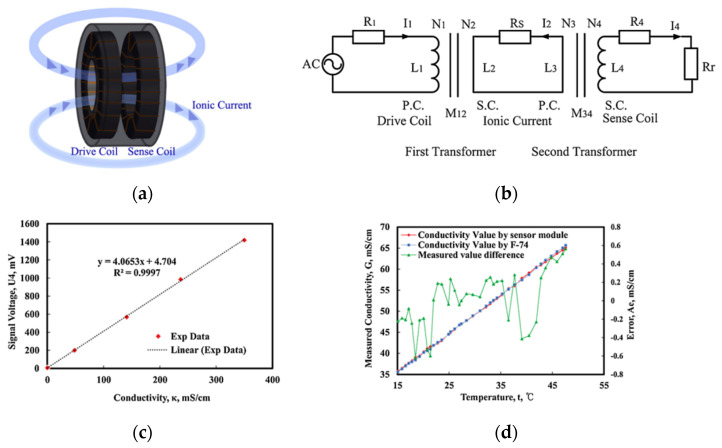
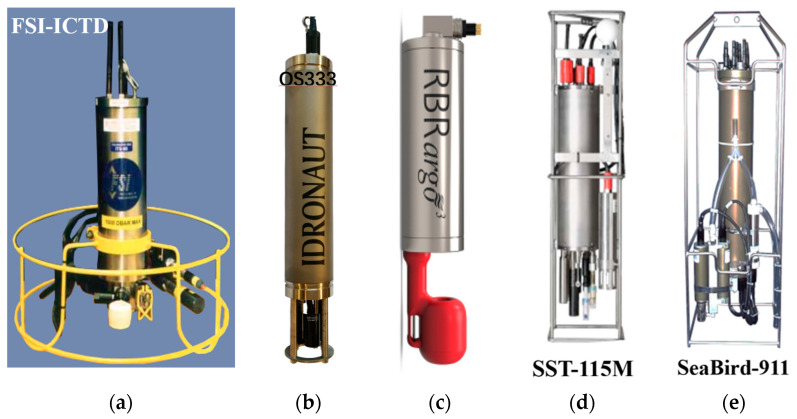
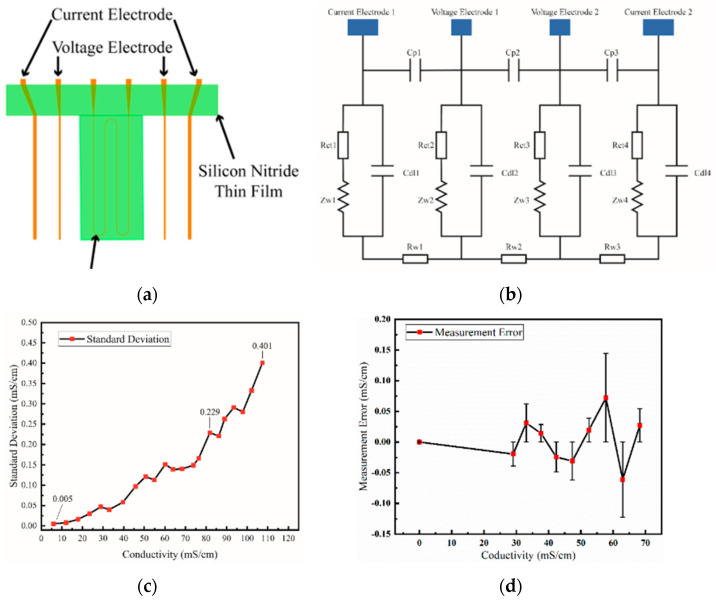
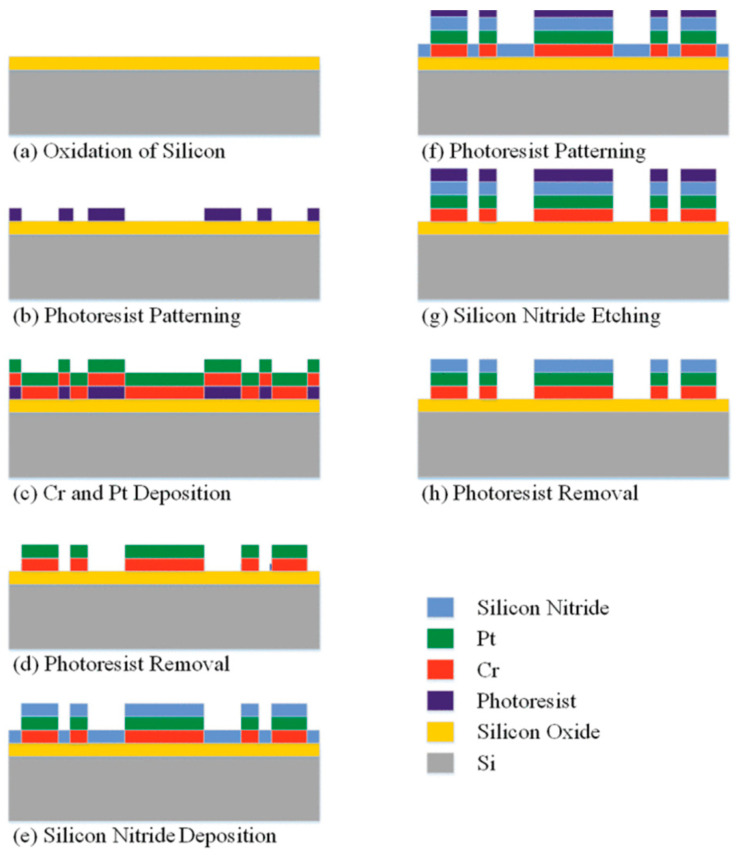
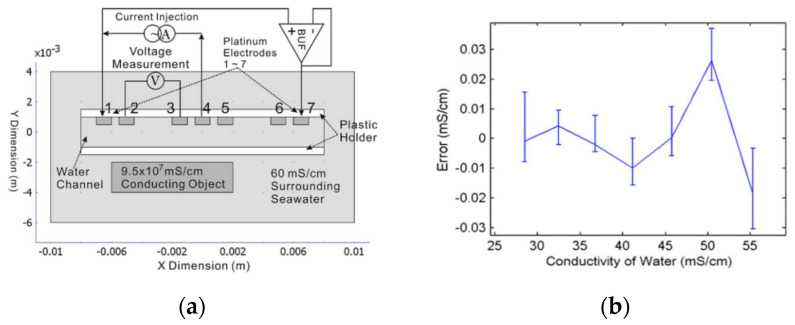
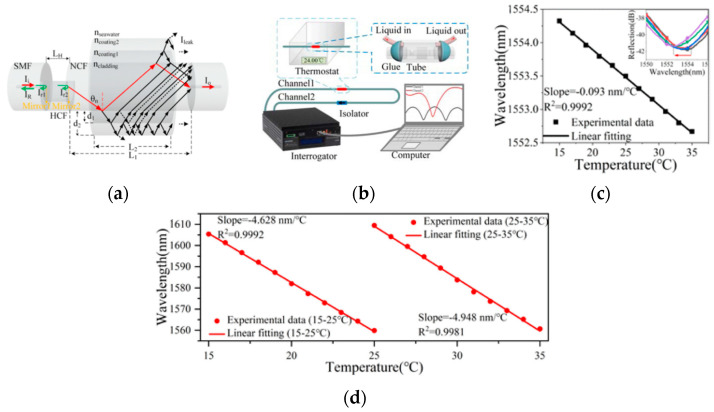
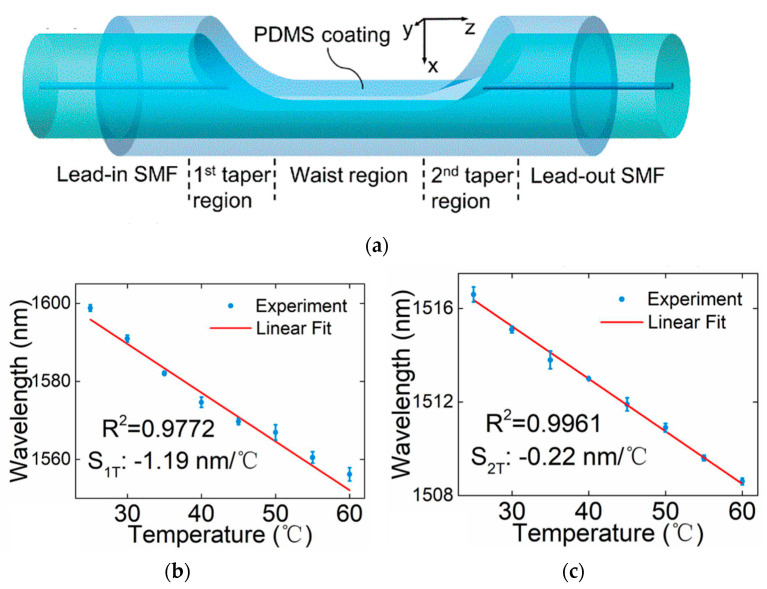
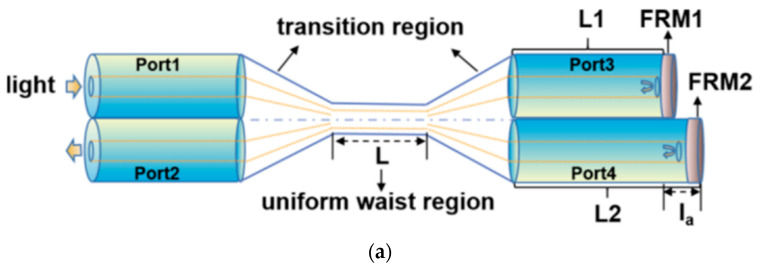
Over 70% of the earth's surface is covered by oceans; globally, oceans provides a huge source of wealth to humans. In the literature, several sensors have been developed to investigate oceans. Electrical conductivity temperature depth (CTD) sensors were used frequently and extensively. Long-term accurate CTD data is important for the study and utilization of oceans, e.g., for weather forecasting, ecological evolution, fishery, and shipping. Several kinds of CTD sensors based on electrics, optical, acoustic wave and radio waves have been developed. CTD sensors are often utilized by measuring electrical signals. The latest progress of CTD sensors will be presented in order of performance. The principles, structure, materials and properties of many CTD sensors were discussed in detail. The commercially available CTD sensors were involved and their respective performances were compared. Some possible development directions of CTD sensors for ocean investigation are proposed.
地球表面70%以上被海洋覆盖;在全球范围内,海洋为人类提供了巨大的财富来源。在文献中,已经开发了几种用于海洋探测的传感器。电导率温度深度(CTD)传感器被频繁且广泛地使用。长期准确的CTD数据对于海洋的研究和利用至关重要,例如用于天气预报、生态演变、渔业和航运。已经开发了几种基于电学、光学、声波和无线电波的CTD传感器。CTD传感器通常通过测量电信号来使用。将按性能顺序介绍CTD传感器的最新进展。详细讨论了许多CTD传感器的原理、结构、材料和特性。涉及了市售的CTD传感器并比较了它们各自的性能。提出了用于海洋探测的CTD传感器的一些可能的发展方向。