Miyatsu Toshiya, Smith Briana M, Koutnik Andrew P, Pirolli Peter, Broderick Timothy J
Healthspan Resilience & Performance, Florida Institute for Human and Machine Cognition, Pensacola, FL, United States.
Department of Bioengineering, University of Washington, Seattle, WA, United States.
Front Physiol. 2023 Jan 4;13:1070285. doi: 10.3389/fphys.2022.1070285. eCollection 2022.
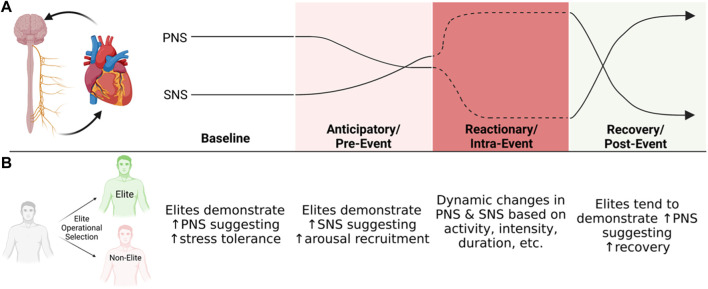
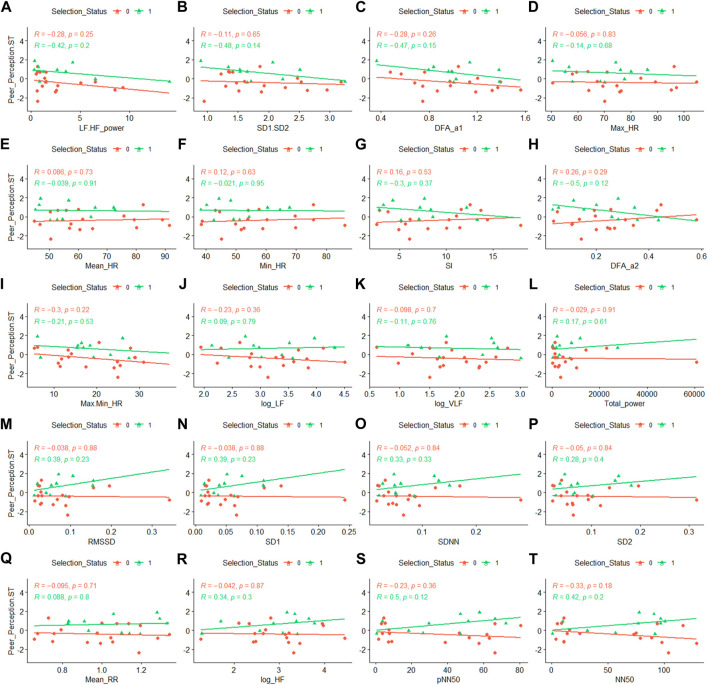
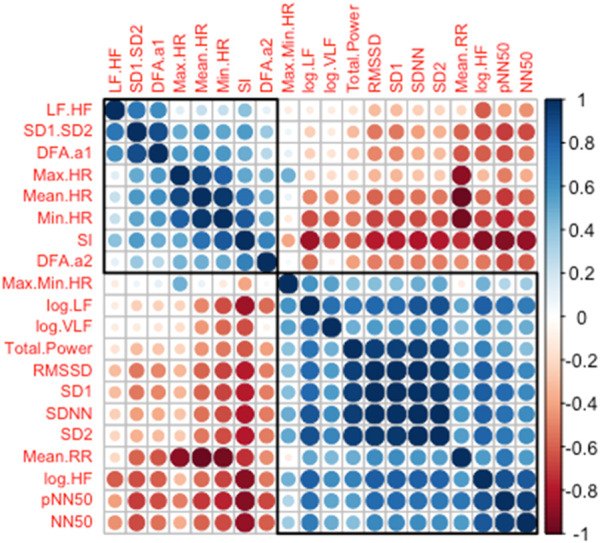
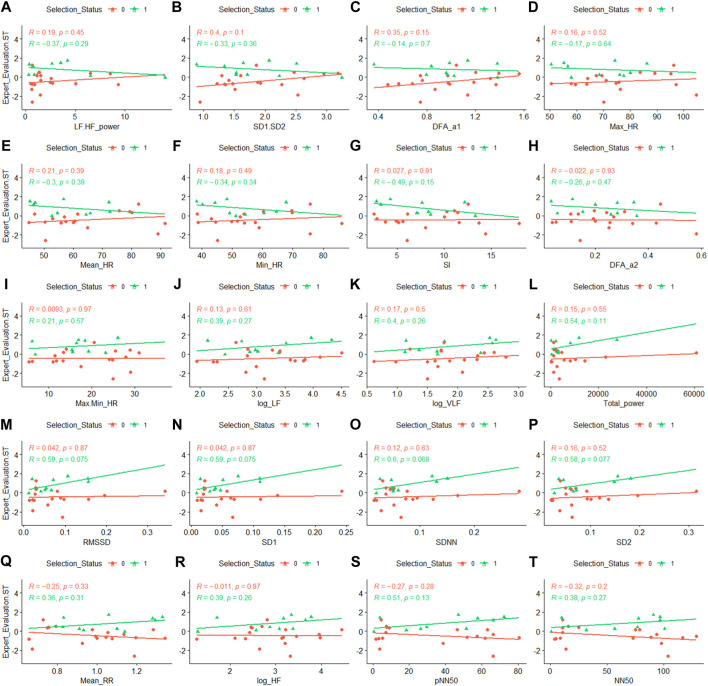
A common trait of elite performers is their ability to perform well when stressed by strong emotions such as fear. Developing objective measures of stress response that reliably predict performance under stress could have far-reaching implications in selection and training of elite individuals and teams. Prior data suggests that (i) Heart rate and heart rate variability (HR/HRV) are associated with stress reaction, (ii) Higher basal sympathetic tone prior to stressful events is associated with higher performance, and (iii) Elite performers tend to exhibit greater increase in parasympathetic tone after a stressful event. The current study assesses the predictive utility of post-stressful event HR/HRV measures, an under-studied time point in HR/HRV research, in the context of military personnel selection. Specifically, we examined the relationship between a comprehensive set of HR/HRV measures and established questionnaires related to stress tolerance, experimental evaluation of executive function during stress induction, and ecologically valid selection assessment data from a week-long Special Operations Forces selection course (N = 30). We found that post-stressful event HR/HRV measures generally had strong correlations with the neuroticism facet of the NEO personality inventory as well as the general and distress facets of the defensive reactivity questionnaire. HR/HRV measures correlated reliably with a change in executive function measured as a decrease in verbal fluency with exposure to a well-validated stressor. Finally, we observed a divergent pattern of correlation among elite and non-elite SOF candidates. Specifically, among elite candidates, parasympathetic nervous system (PNS) measures correlated positively and sympathetic nervous system (SNS) measures correlated negatively with evaluation of stress tolerance by experts and peers. This pattern was not present in non-elite candidates. Our findings demonstrate that post-stressful event HR/HRV data provide an objective non-invasive method to measure the recovery and arousal state in direct reaction to the stressful event and can be used as metrics of stress tolerance that could enhance selection of elite individuals and teams.
精英表现者的一个共同特征是他们在诸如恐惧等强烈情绪的压力下仍能表现出色的能力。开发能够可靠预测压力下表现的压力反应客观测量方法,可能会对精英个人和团队的选拔与训练产生深远影响。先前的数据表明:(i)心率和心率变异性(HR/HRV)与压力反应相关;(ii)压力事件发生前较高的基础交感神经张力与较高的表现相关;(iii)精英表现者在压力事件后往往表现出更大的副交感神经张力增加。本研究评估了压力事件后HR/HRV测量指标在军事人员选拔背景下的预测效用,这是HR/HRV研究中一个研究较少的时间点。具体而言,我们研究了一套全面的HR/HRV测量指标与既定问卷之间的关系,这些问卷涉及压力耐受性、压力诱导期间执行功能的实验评估,以及来自为期一周的特种作战部队选拔课程(N = 30)的生态有效选拔评估数据。我们发现,压力事件后HR/HRV测量指标通常与大五人格量表中的神经质维度以及防御反应问卷中的一般和痛苦维度有很强的相关性。HR/HRV测量指标与执行功能的变化可靠相关,执行功能的变化通过接触经过充分验证的压力源后语言流畅性的下降来衡量。最后,我们观察到精英和非精英特种作战部队候选人之间存在不同的相关模式。具体而言,在精英候选人中,副交感神经系统(PNS)测量指标与专家和同伴对压力耐受性的评估呈正相关,而交感神经系统(SNS)测量指标与评估呈负相关。这种模式在非精英候选人中不存在。我们的研究结果表明,压力事件后HR/HRV数据提供了一种客观的非侵入性方法,用于测量对压力事件的直接反应中的恢复和唤醒状态,并且可以用作压力耐受性指标,以加强精英个人和团队的选拔。