Elert Kerstin, Pérez Mendoza Manuel, Cardell Carolina
Department of Mineralogy and Petrology, University of Granada, Avenida de Fuentenueva S/N, 18071, Granada, Spain.
Department of Inorganic Chemistry, University of Granada, Avenida de Fuentenueva S/N, 18071, Granada, Spain.
Commun Chem. 2021 Dec 10;4(1):174. doi: 10.1038/s42004-021-00610-2.
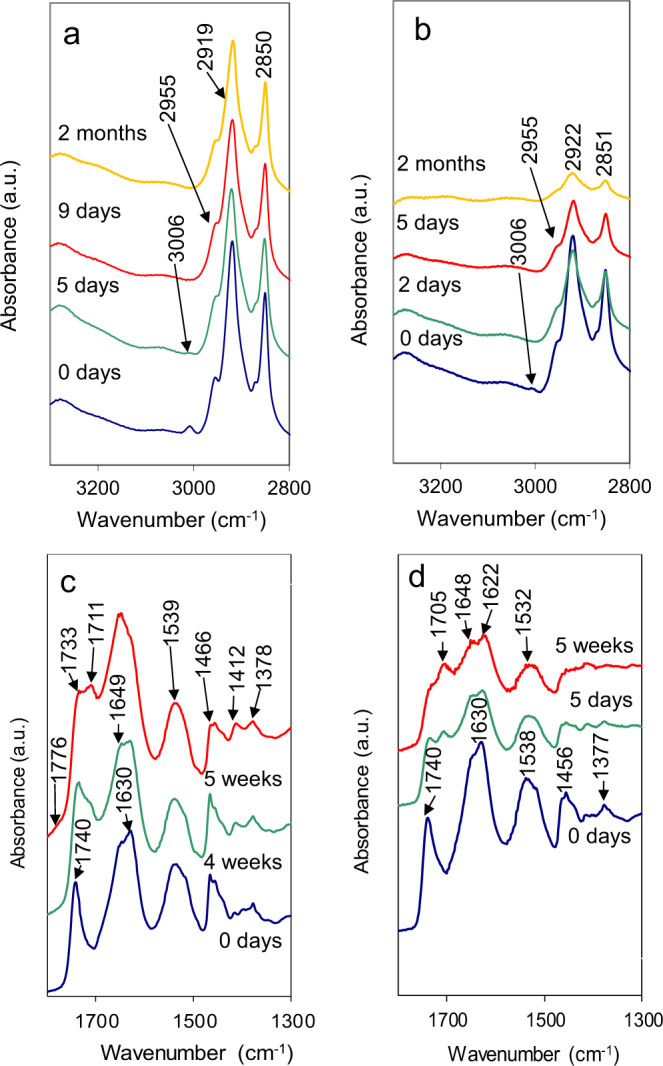
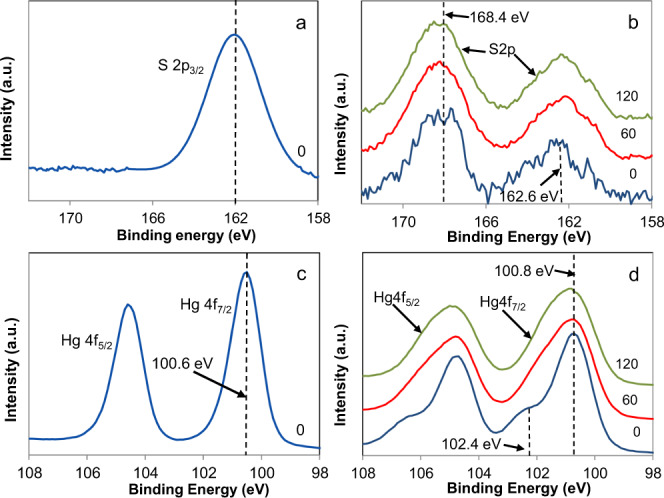
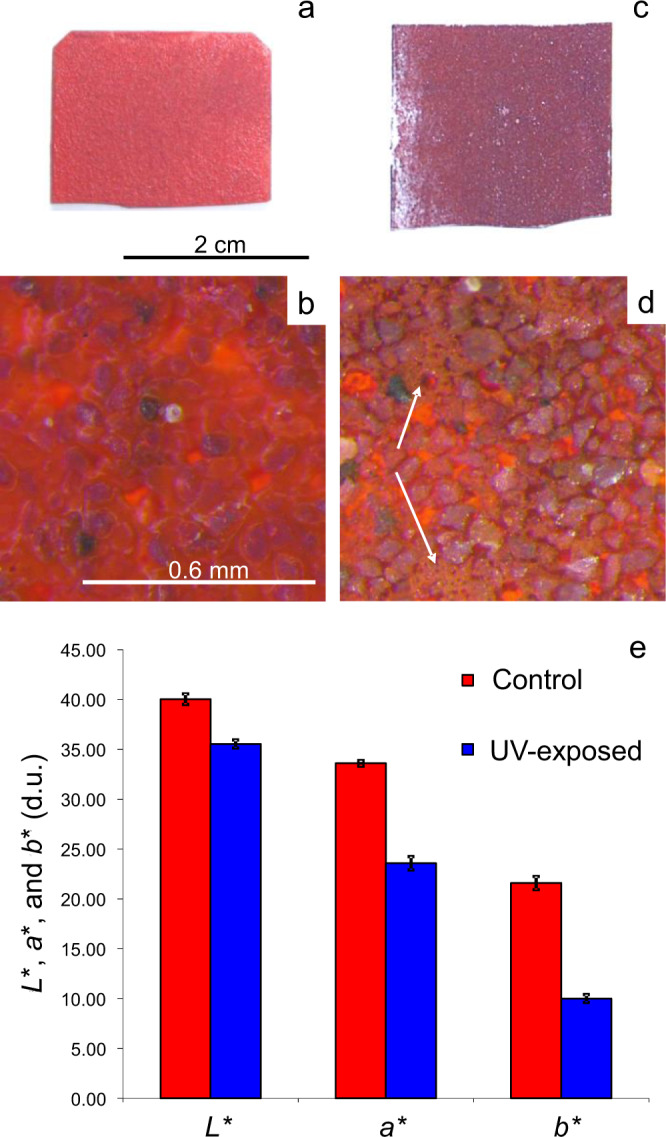
Photo-induced darkening of red cinnabar (HgS) has attracted the interest of many researchers as it drastically impacts the visual perception of artworks. Darkening has commonly been related to metallic mercury (Hg) formation in the presence of chlorides. Based on the study of UV-aged cinnabar pigment and tempera paint we propose an alternative pathway for the blackening reaction of cinnabar, considering its semiconductor properties and pigment-binder interactions. We demonstrate that darkening is caused by the oxidation of cinnabar to mercury sulfates and subsequent reduction to Hg via photo-induced electron transfer without the involvement of chlorides, and provide direct evidence for the presence of Hg on UV-aged tempera paint. Photooxidation also affects the organic binder, causing a competing depletion of photo-generated holes and consequently limiting but not impeding mercury sulfate formation and subsequent reduction to Hg. In addition, organics provide active sites for Hg sorption, which is ultimately responsible for the darkening of cinnabar-based paint.
红色朱砂(HgS)的光致变黑引起了许多研究人员的兴趣,因为它对艺术品的视觉感知有重大影响。变黑通常与在氯化物存在下形成金属汞(Hg)有关。基于对紫外线老化朱砂颜料和蛋彩画的研究,考虑到其半导体特性和颜料 - 粘合剂相互作用,我们提出了朱砂变黑反应的另一种途径。我们证明,变黑是由朱砂氧化为硫酸汞,随后通过光致电子转移还原为汞引起的,且不涉及氯化物,并为紫外线老化蛋彩画上汞的存在提供了直接证据。光氧化还会影响有机粘合剂,导致光生空穴的竞争性消耗,从而限制但不会阻碍硫酸汞的形成以及随后还原为汞。此外,有机物为汞的吸附提供了活性位点,这最终导致了朱砂基涂料的变黑。