School of Archaeology, Newman Building, University College Dublin, Belfield, Dublin, Ireland.
PLoS One. 2023 Jan 26;18(1):e0279556. doi: 10.1371/journal.pone.0279556. eCollection 2023.
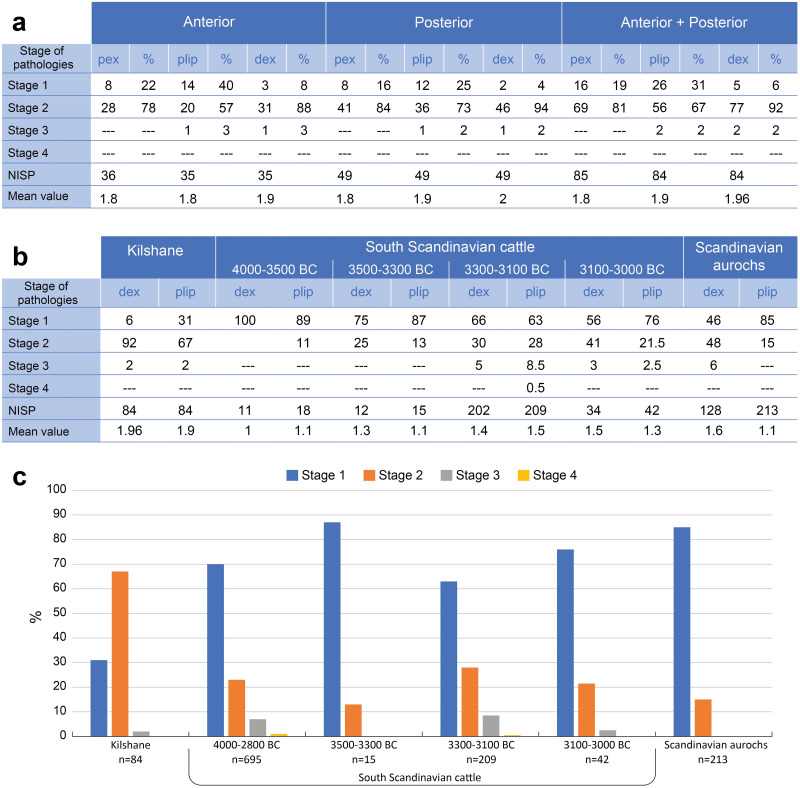
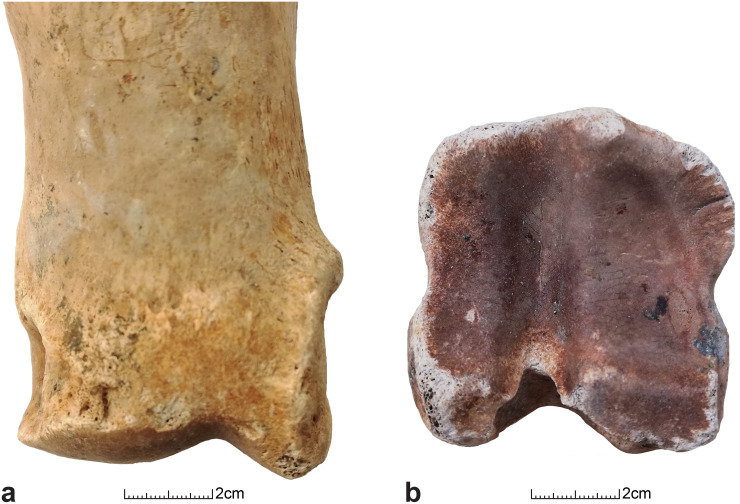
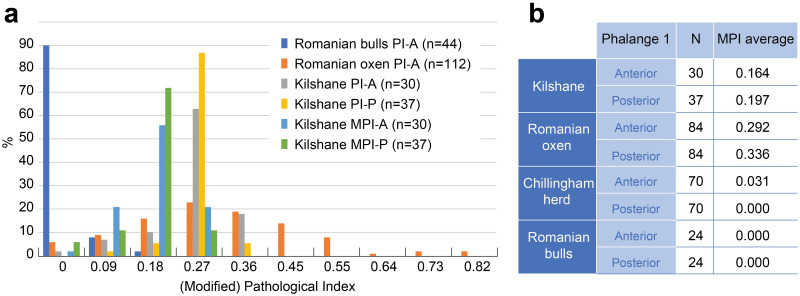
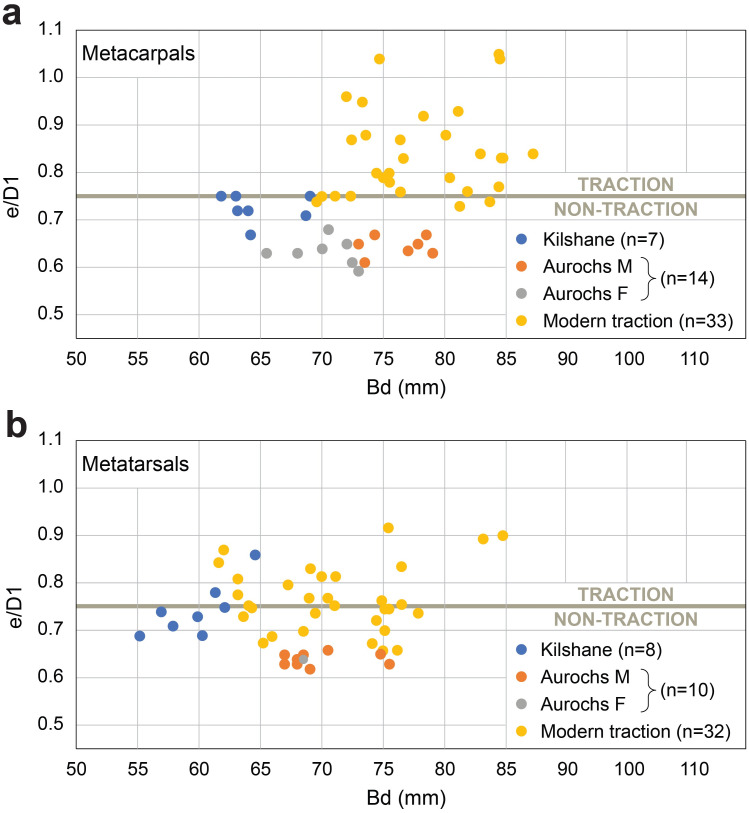
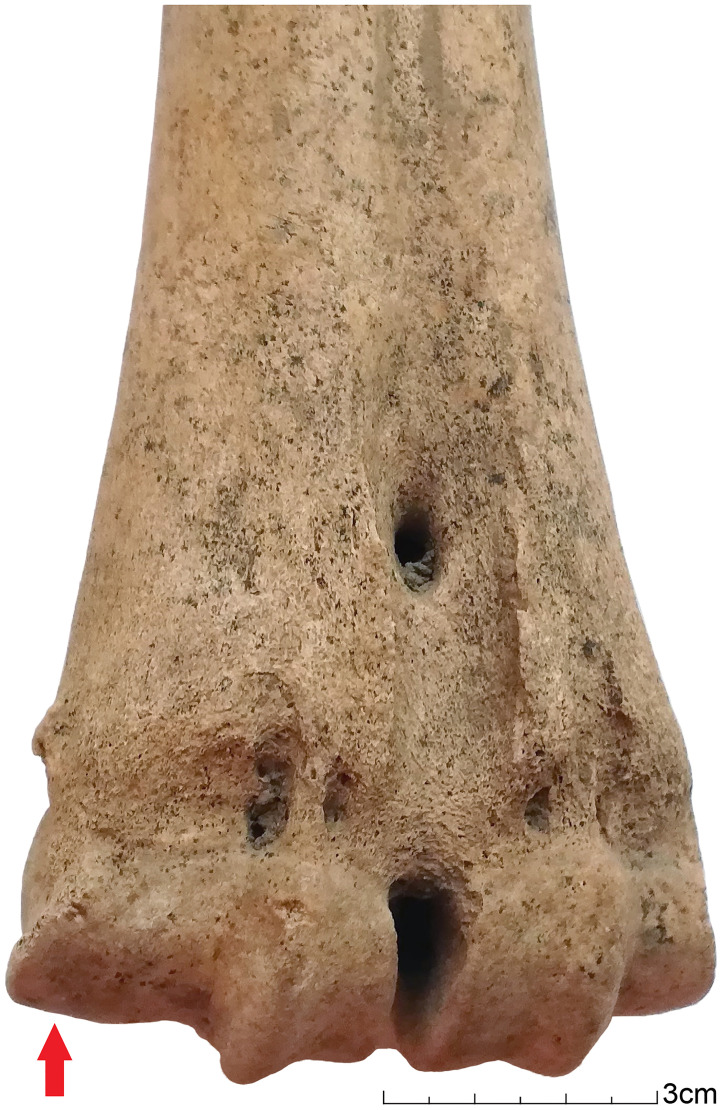
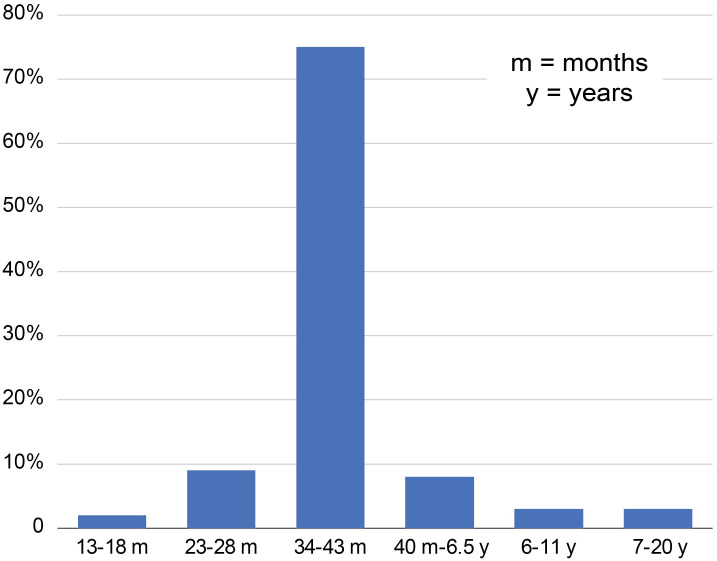
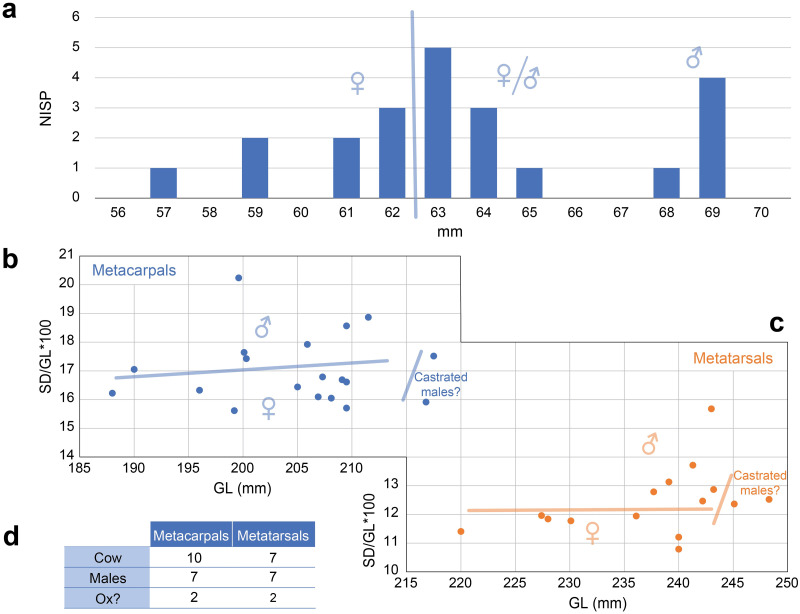
The power harnessed by cattle traction was undeniably a valuable asset to Neolithic communities. However, data are still lacking on the timing, purposes, and intensity of exploitation of draught animals. This paper sheds new light on a region of Europe-Neolithic Ireland-for which our knowledge is particularly restricted as evidence from both Ireland and Britain in this period has been so far patchy and inconclusive. Using a suite of methods and refined criteria for traction identification, we present new and robust data on a large faunal assemblage from Kilshane, Co. Dublin that strongly support cattle traction in the middle 4th millennium BC in Ireland. Bone pathology data combined with osteometric analysis highlight specialised husbandry practices, producing large males, possibly oxen, for the purpose of cattle traction. This new technology has important implications for early agriculture in the region since it provides a key support for more extensive land management practices as well as for megalithic construction, which increased considerably in scale during this period. We argue that access to draught animals and the exploitation of associated resources were at the heart of wider changes that took place in Neolithic Ireland in the second half of the 4th millennium BC.
牛牵引所产生的动力无疑是新石器时代社区的宝贵资产。然而,关于役用动物的开发利用的时间、目的和强度的数据仍然缺乏。本文为欧洲新石器时代爱尔兰地区提供了新的视角,因为这一时期来自爱尔兰和英国的证据一直是零散和不确定的,所以我们对该地区的了解特别有限。本研究使用了一套用于牵引识别的方法和细化标准,对来自都柏林郡基尔沙恩(Kilshane)的大型动物群进行了新的、有力的数据呈现,这些数据强烈支持了公元前 4000 年代中期爱尔兰的牛牵引。骨骼病理学数据结合骨骼测量分析突出了专门的饲养实践,产生了大型雄性动物,可能是公牛,用于牛牵引。这项新技术对该地区的早期农业具有重要意义,因为它为更广泛的土地管理实践以及巨石建筑提供了关键支持,后者在这一时期的规模大大增加。我们认为,在公元前 4000 年代后半叶,对役用动物的利用和相关资源的开发利用是爱尔兰新石器时代发生更广泛变化的核心。