Division of Biomedical Sciences, School of Medicine, University of California, Riverside, CA 92521, United States.
Department of Physiology and Cell Biology, University of Nevada, Reno School of Medicine, NV 89557, United States.
Environ Int. 2023 Feb;172:107769. doi: 10.1016/j.envint.2023.107769. Epub 2023 Jan 23.
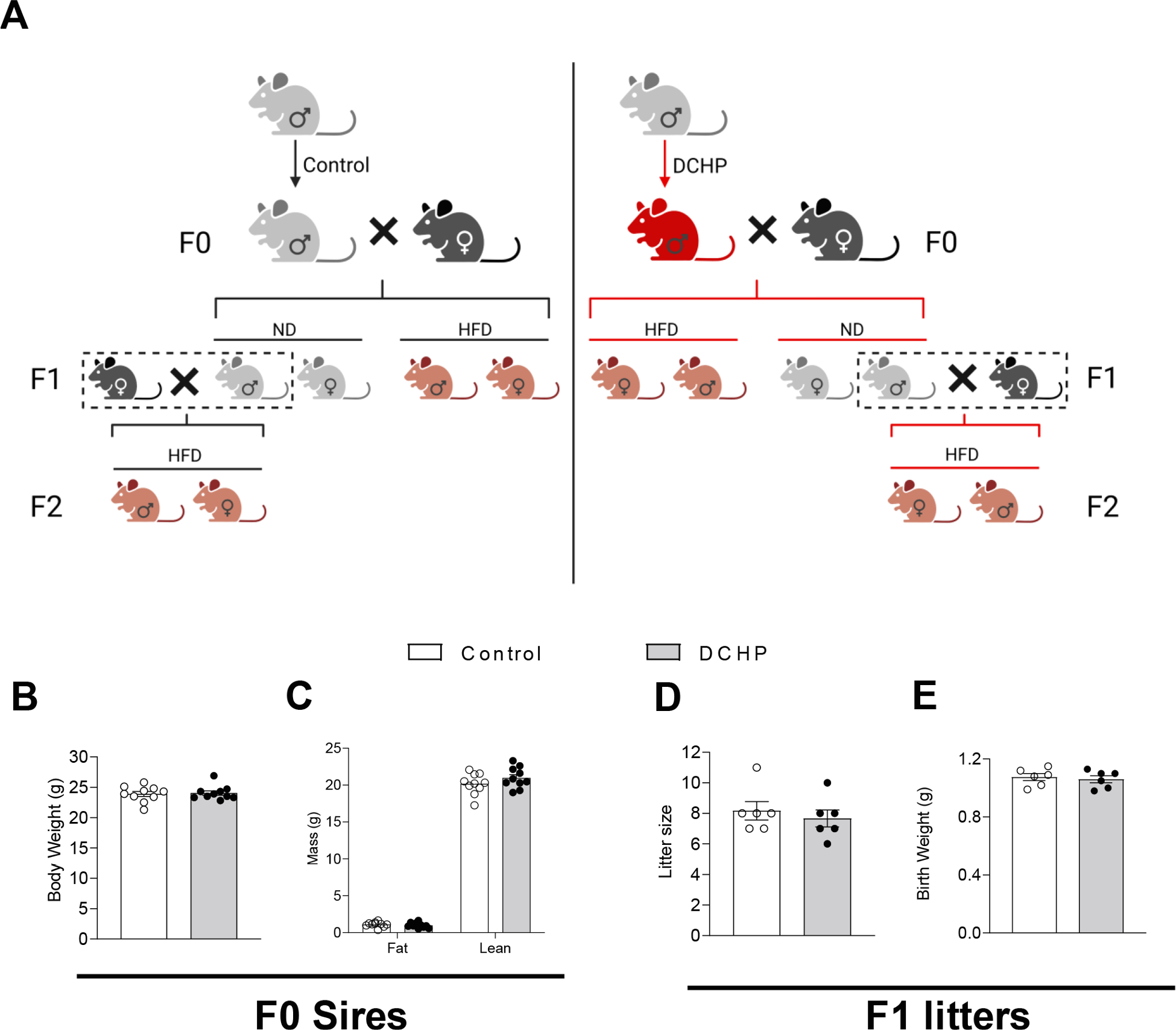
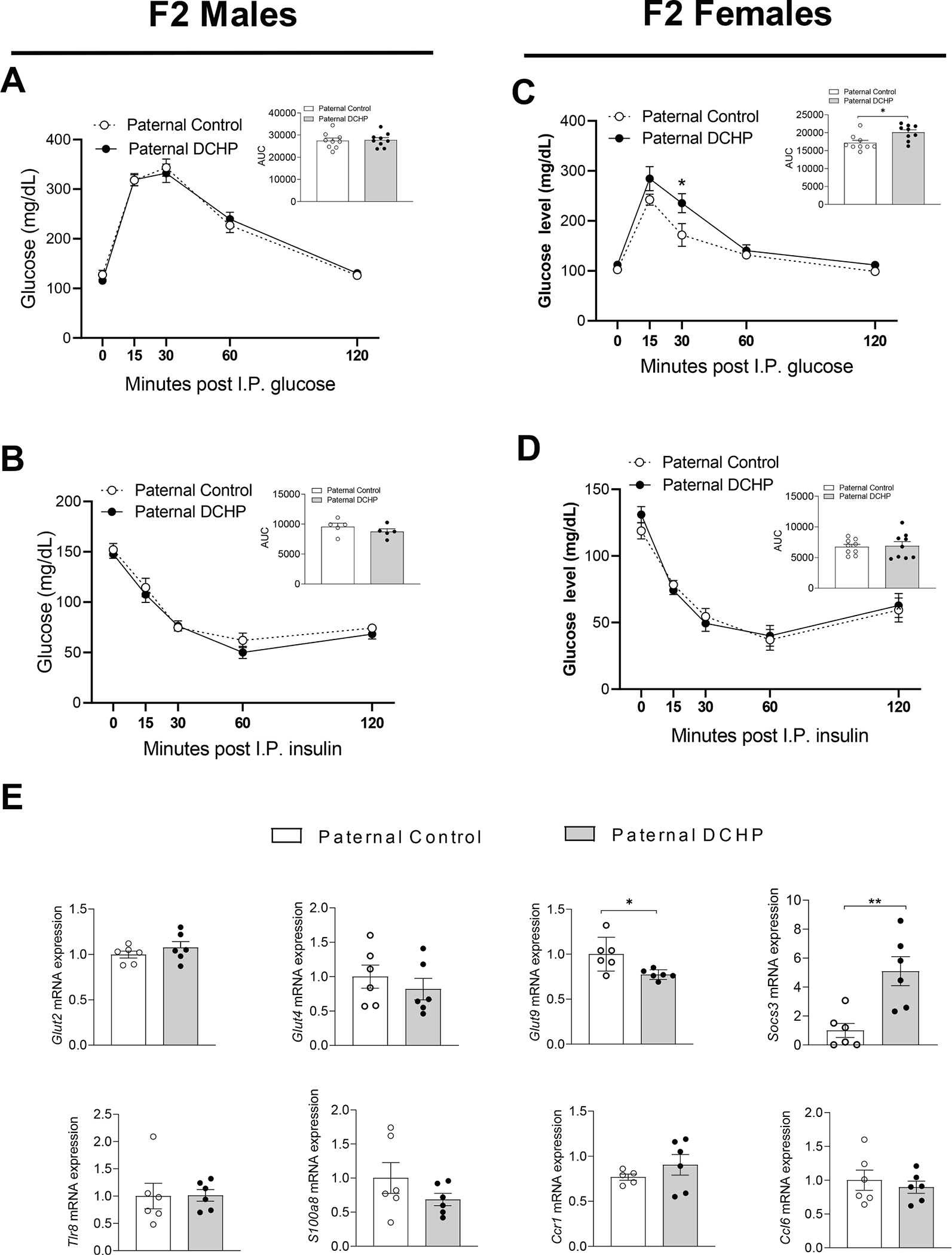
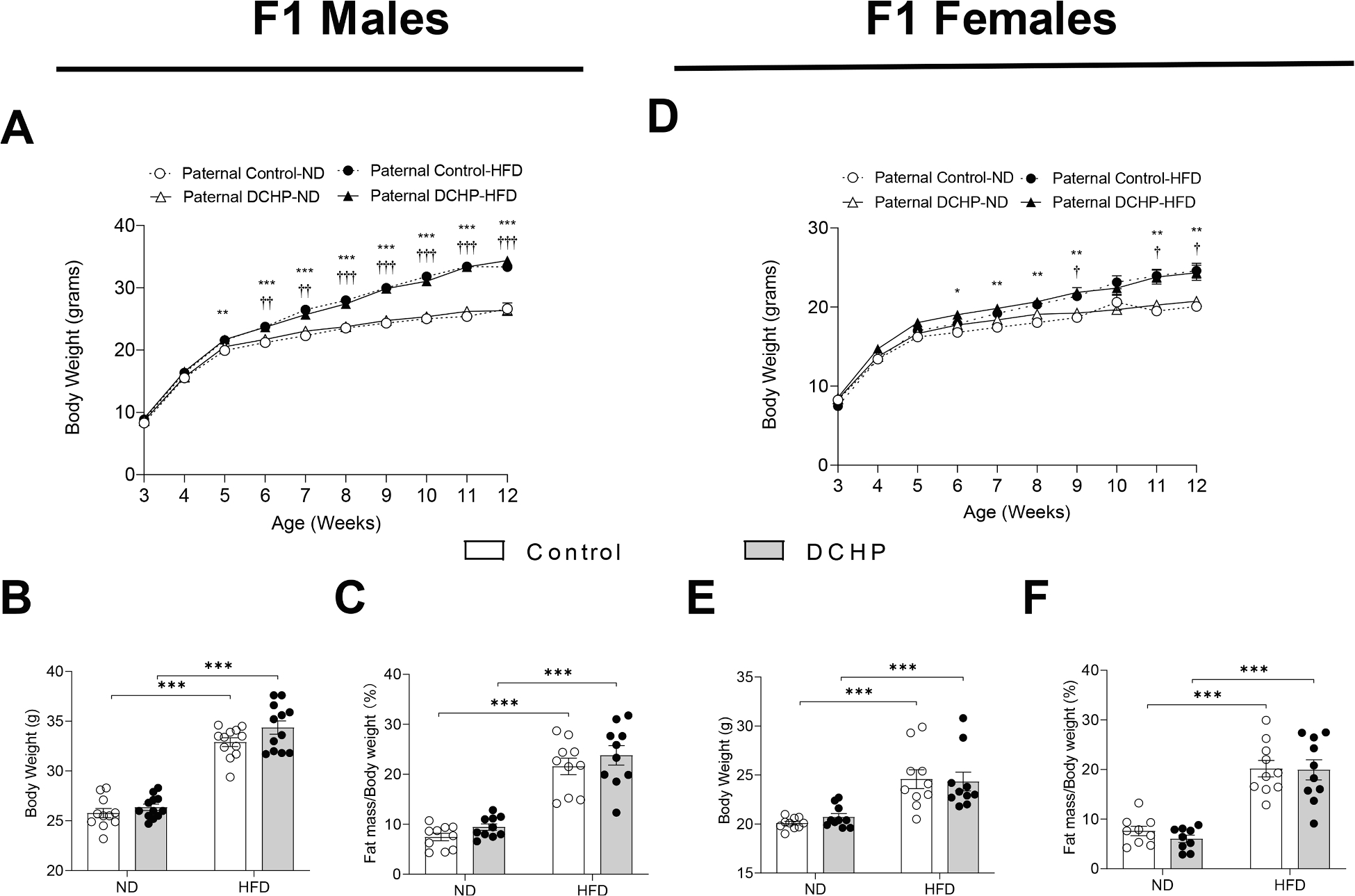
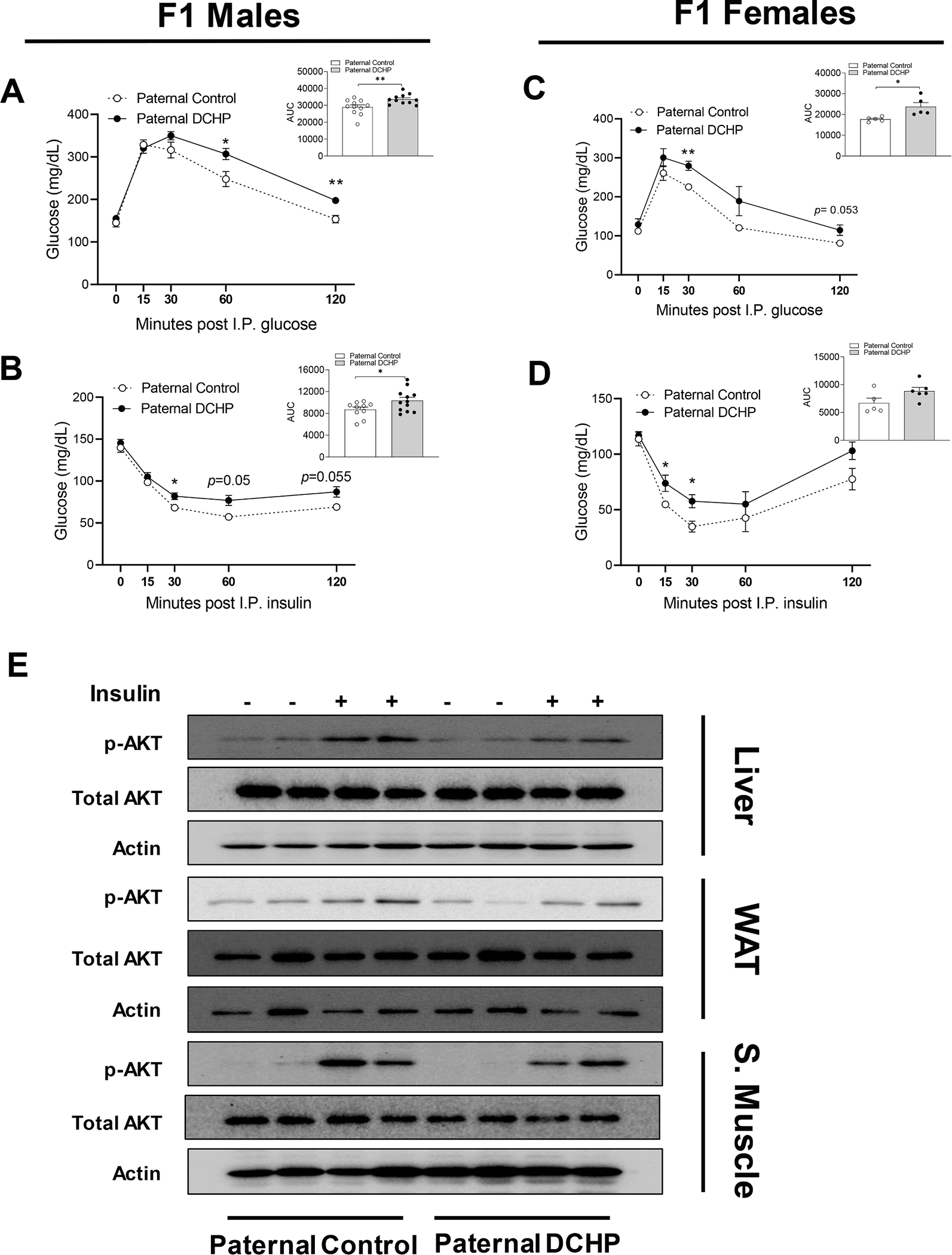
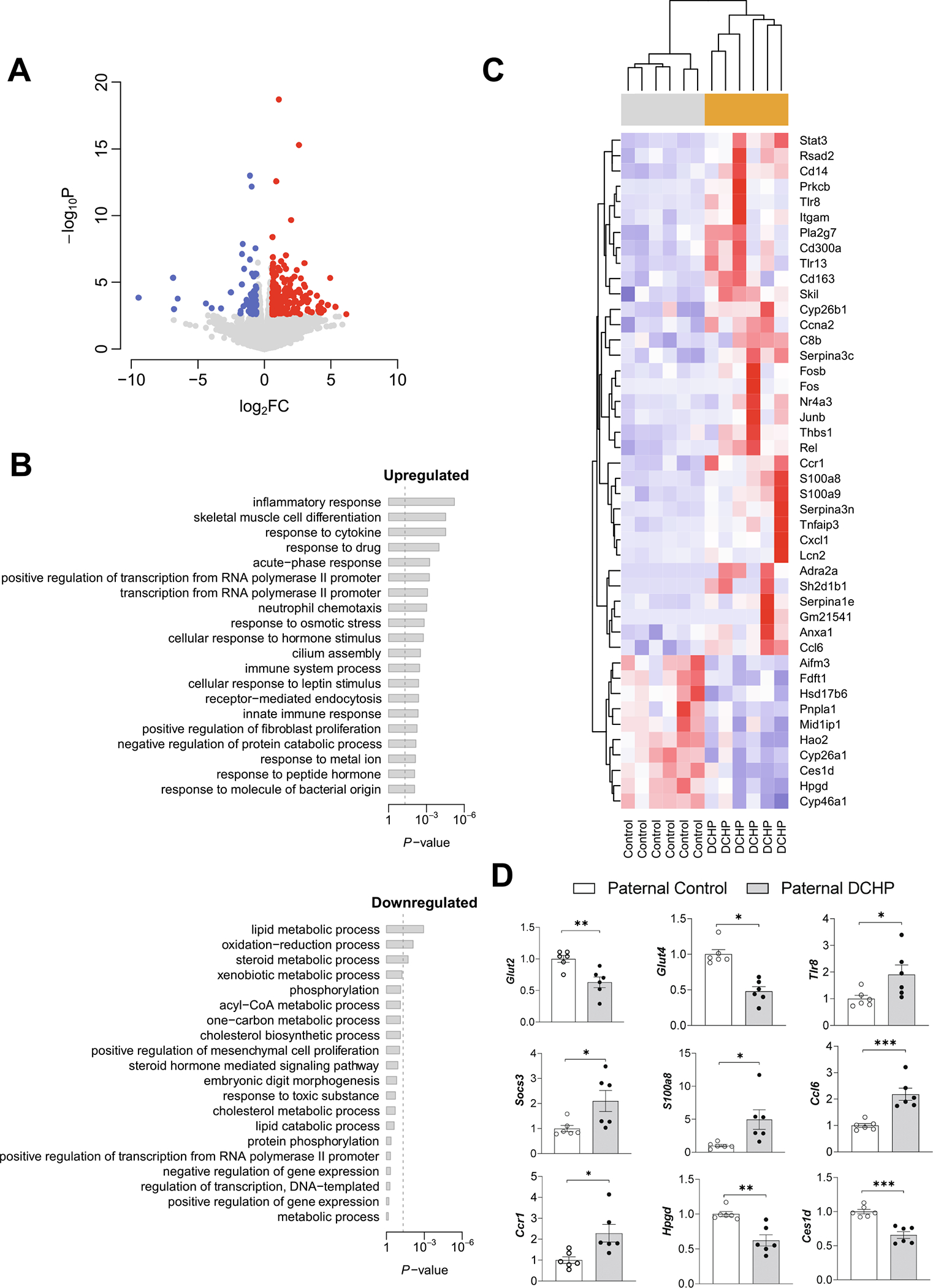
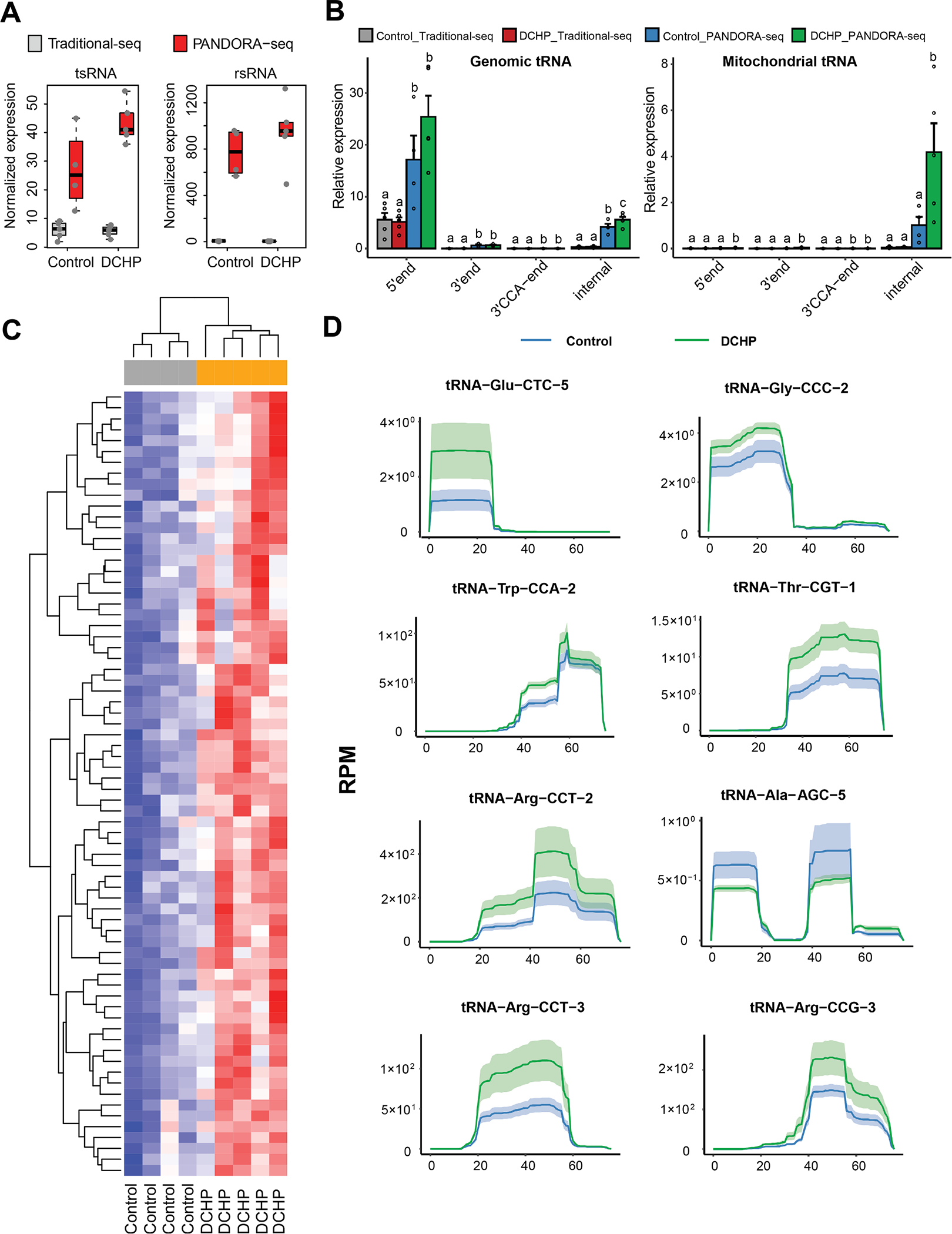
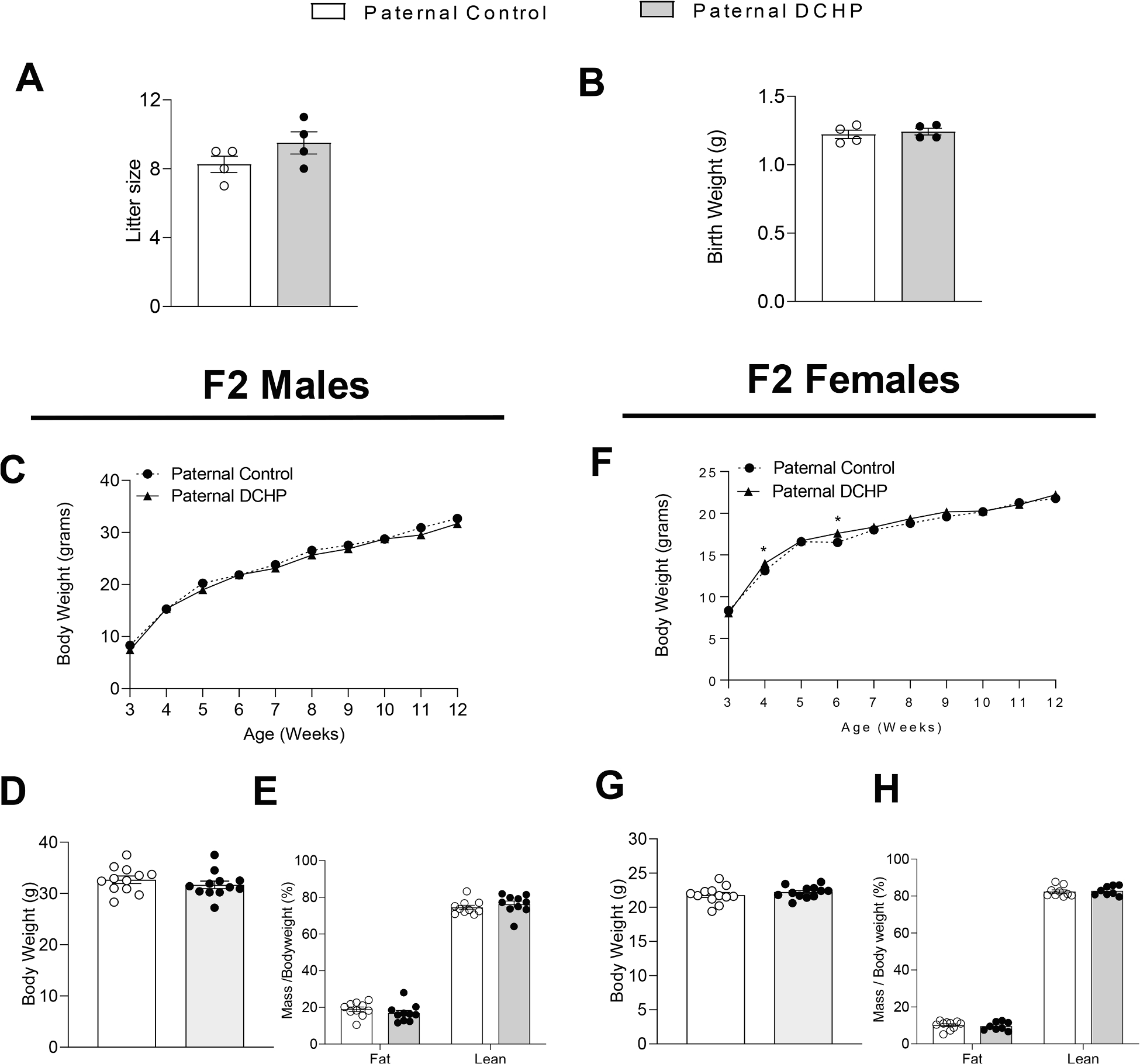
Exposure to ubiquitous plastic-associated endocrine disrupting chemicals (EDCs) is associated with the increased risk of many chronic diseases. For example, phthalate exposure is associated with cardiometabolic mortality in humans, with societal costs ∼ $39 billion/year or more. We recently demonstrated that several widely used plastic-associated EDCs increase cardiometabolic disease in appropriate mouse models. In addition to affecting adult health, parental exposure to EDCs has also been shown to cause metabolic disorders, including obesity and diabetes, in the offspring. While most studies have focused on the impact of maternal EDC exposure on the offspring's health, little is known about the effects of paternal EDC exposure. In the current study, we investigated the adverse impact of paternal exposure to a ubiquitous but understudied phthalate, dicyclohexyl phthalate (DCHP) on the metabolic health of F1 and F2 offspring in mice. Paternal DCHP exposure led to exacerbated insulin resistance and impaired insulin signaling in F1 offspring without affecting diet-induced obesity. We previously showed that sperm small non-coding RNAs including tRNA-derived small RNAs (tsRNAs) and rRNA-derived small RNAs (rsRNAs) contribute to the intergenerational transmission of paternally acquired metabolic disorders. Using a novel PANDORA-seq, we revealed that DCHP exposure can lead to sperm tsRNA/rsRNA landscape changes that were undetected by traditional RNA-seq, which may contribute to DCHP-elicited adverse effects. Lastly, we found that paternal DCHP can also cause sex-specific transgenerational adverse effects in F2 offspring and elicited glucose intolerance in female F2 descendants. Our results suggest that exposure to endocrine disrupting phthalates may have intergenerational and transgenerational adverse effects on the metabolic health of their offspring. These findings increase our understanding of the etiology of chronic human diseases originating from chemical-elicited intergenerational and transgenerational effects.
无处不在的塑料相关内分泌干扰化学物质(EDCs)的暴露与许多慢性疾病的风险增加有关。例如,邻苯二甲酸酯暴露与人类的心脏代谢死亡率有关,每年造成的社会成本约为 390 亿美元或更多。我们最近证明,几种广泛使用的塑料相关 EDCs 在适当的小鼠模型中会增加心脏代谢疾病。除了影响成人健康外,父母接触 EDCs 还会导致后代出现代谢紊乱,包括肥胖和糖尿病。虽然大多数研究都集中在母体 EDC 暴露对后代健康的影响上,但对父体 EDC 暴露的影响知之甚少。在目前的研究中,我们研究了普遍存在但研究较少的邻苯二甲酸二环己酯(DCHP)对雄性亲鼠代谢健康的影响,及其对 F1 和 F2 代后代的影响。父体 DCHP 暴露导致 F1 代后代胰岛素抵抗加剧和胰岛素信号受损,而不会影响饮食诱导的肥胖。我们之前表明,精子小非编码 RNA,包括 tRNA 衍生的小 RNA(tsRNAs)和 rRNA 衍生的小 RNA(rsRNAs),有助于父源性获得性代谢紊乱的跨代传递。使用一种新型的 PANDORA-seq,我们揭示了 DCHP 暴露可导致精子 tsRNA/rsRNA 图谱发生变化,而传统的 RNA-seq 无法检测到这些变化,这可能是 DCHP 引起的不良影响的原因之一。最后,我们发现父体 DCHP 还可以在 F2 代后代中引起性别特异性的跨代不良影响,并在雌性 F2 后代中引起葡萄糖不耐受。我们的结果表明,暴露于内分泌干扰邻苯二甲酸酯可能会对其后代的代谢健康产生代际和跨代的不良影响。这些发现增加了我们对源于化学引发的代际和跨代效应的慢性人类疾病病因的理解。