Brown Kate, Jenkins Lisa M Miller, Crooks Daniel R, Surman Deborah R, Mazur Sharlyn J, Xu Yuan, Arimilli Bhargav S, Yang Ye, Lane Andrew N, Fan Teresa W-M, Schrump David S, Linehan W Marston, Ripley R Taylor, Appella Ettore
Laboratory of Cell Biology, Center for Cancer Research (CCR), National Cancer Institute (NCI), National Institutes of Health (NIH), Bethesda, MD, United States.
Urologic Oncology Branch, Center for Cancer Research (CCR), National Cancer Institute (NCI), National Institutes of Health (NIH), Bethesda, MD, United States.
Front Oncol. 2023 Jan 11;12:1094210. doi: 10.3389/fonc.2022.1094210. eCollection 2022.
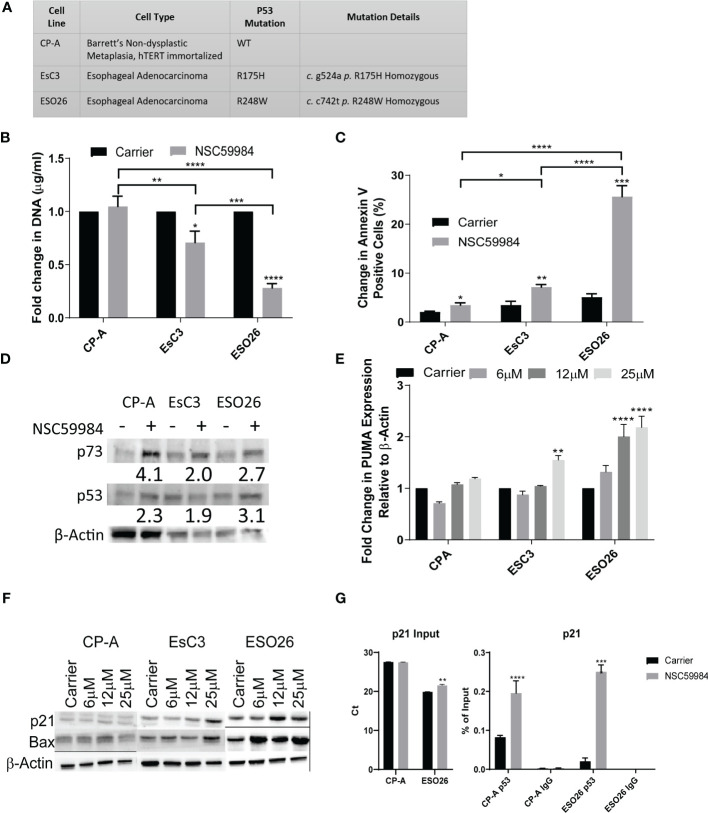
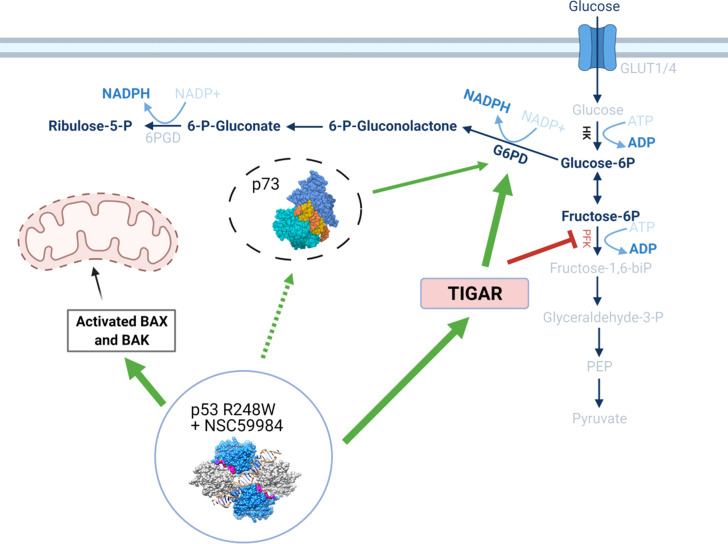
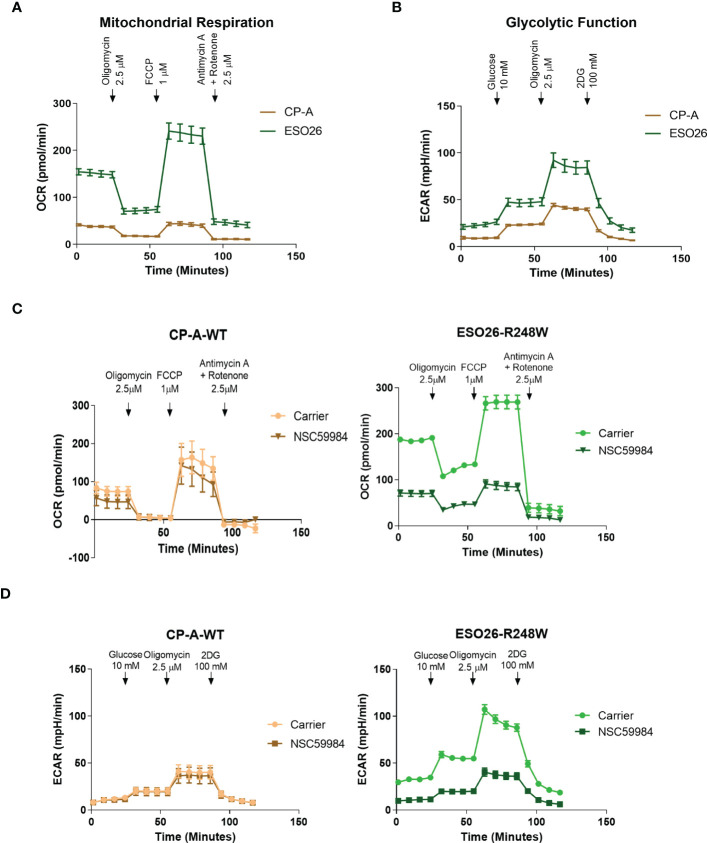
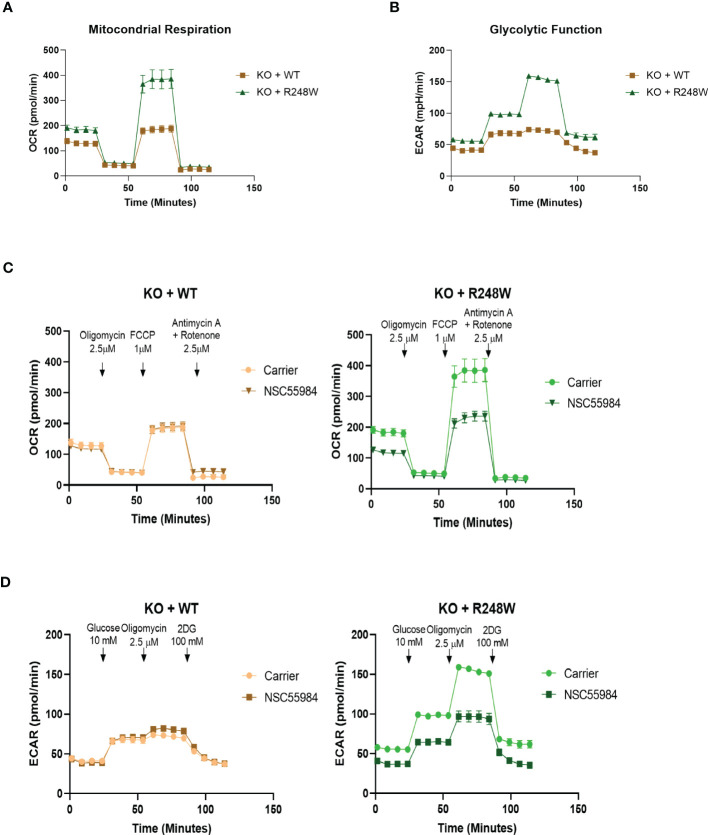
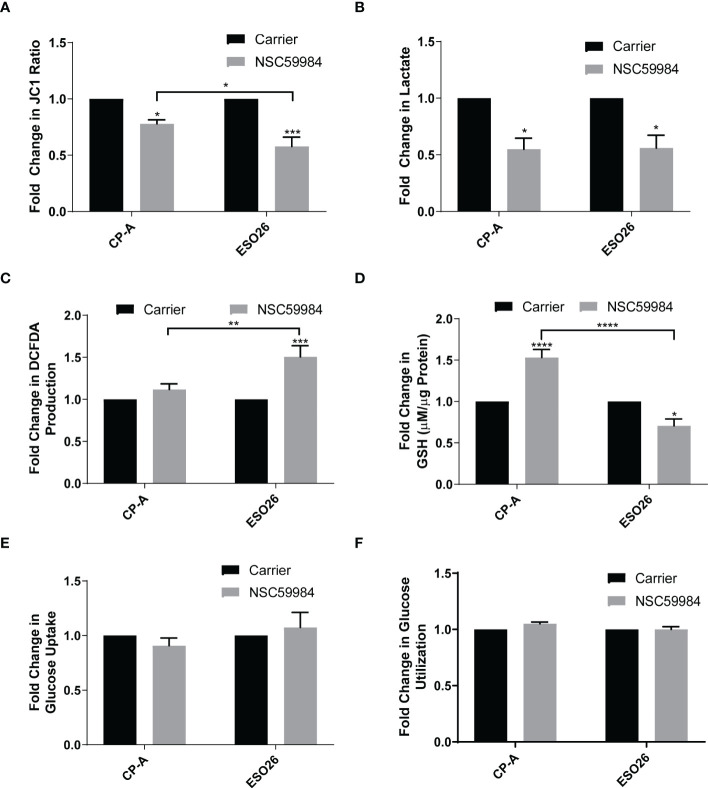
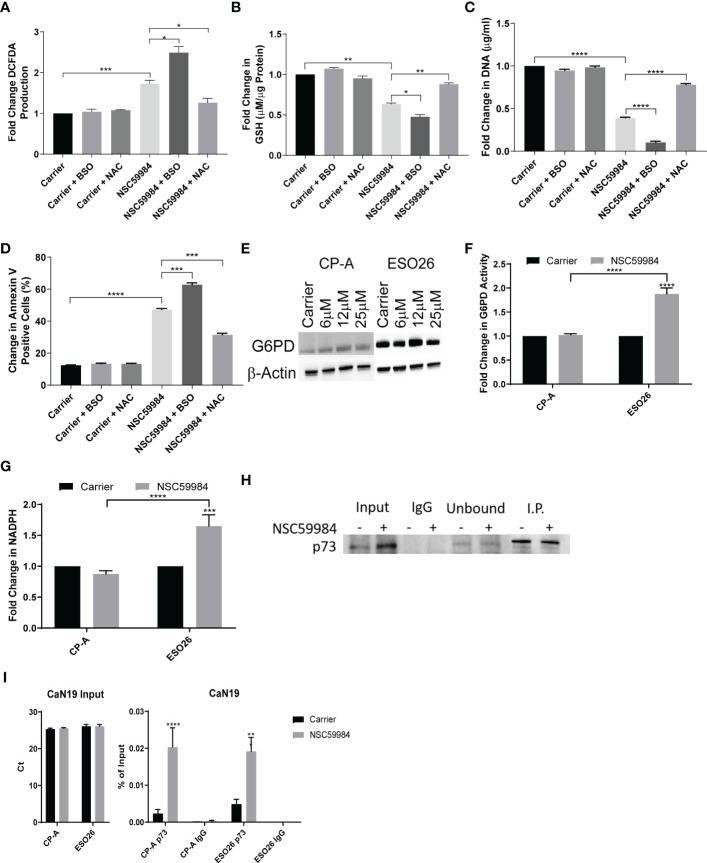
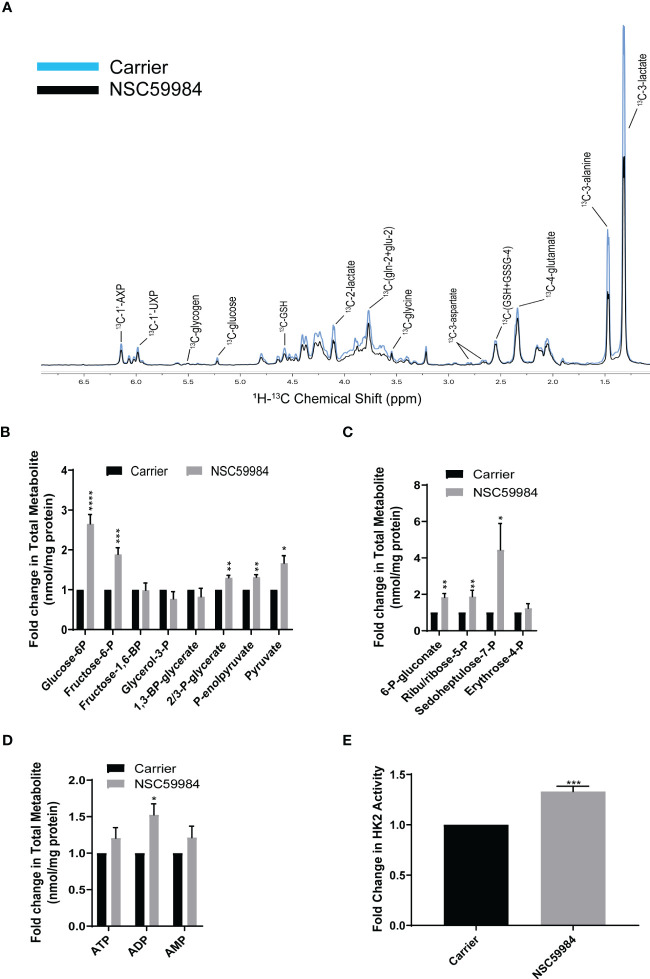
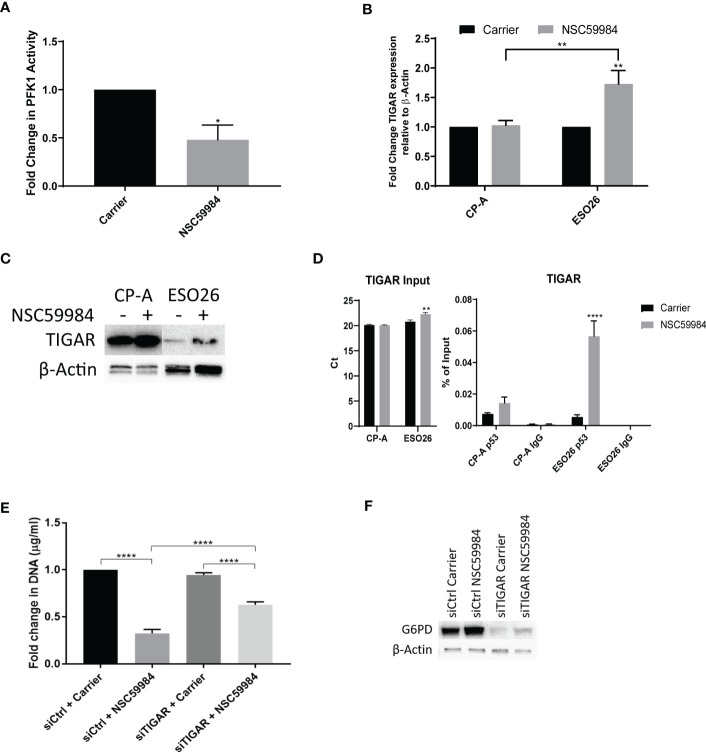
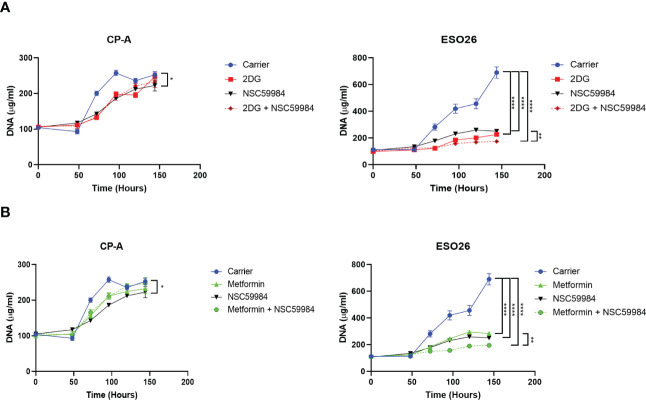
is the most commonly mutated gene in cancer, and gain-of-function mutations have wide-ranging effects. Efforts to reactivate wild-type p53 function and inhibit mutant functions have been complicated by the variety of mutations. Identified from a screen, the NSC59984 compound has been shown to restore activity to mutant p53 in colorectal cancer cells. Here, we investigated its effects on esophageal adenocarcinoma cells with specific p53 hot-spot mutations. NSC59984 treatment of cells reactivated p53 transcriptional regulation, inducing mitochondrial intrinsic apoptosis. Analysis of its effects on cellular metabolism demonstrated increased utilization of the pentose phosphate pathway and inhibition of glycolysis at the fructose-1,6-bisphosphate to fructose 6-phosphate junction. Furthermore, treatment of cells with NSC59984 increased reactive oxygen species production and decreased glutathione levels; these effects were enhanced by the addition of buthionine sulfoximine and inhibited by N-acetyl cysteine. We found that the effects of NSC59984 were substantially greater in cells harboring the p53 R248W mutation. Overall, these findings demonstrate p53-dependent effects of NSC59984 on cellular metabolism, with increased activity in cells harboring the p53 R248W mutation. This research highlights the importance of defining the mutational status of a particular cancer to create a patient-centric strategy for the treatment of p53-driven cancers.
是癌症中最常发生突变的基因,功能获得性突变具有广泛影响。由于突变种类繁多,重新激活野生型p53功能和抑制突变功能的努力变得复杂。从一次筛选中鉴定出的NSC59984化合物已被证明可恢复结肠癌细胞中突变型p53的活性。在此,我们研究了其对具有特定p53热点突变的食管腺癌细胞的影响。用NSC59984处理细胞可重新激活p53转录调控,诱导线粒体内在凋亡。对其对细胞代谢影响的分析表明,磷酸戊糖途径的利用率增加,并且在果糖-1,6-二磷酸到果糖6-磷酸的连接处抑制糖酵解。此外,用NSC59984处理细胞会增加活性氧的产生并降低谷胱甘肽水平;添加丁硫氨酸亚砜胺可增强这些效应,而N-乙酰半胱氨酸可抑制这些效应。我们发现NSC59984在携带p53 R248W突变的细胞中的作用要大得多。总体而言,这些发现证明了NSC59984对细胞代谢的p53依赖性作用,在携带p53 R248W突变的细胞中活性增加。这项研究强调了确定特定癌症的突变状态对于制定以患者为中心的p53驱动癌症治疗策略的重要性。