Division of Immune Diversity, German Cancer Research Center, 69120 Heidelberg, Germany.
Division of Immune Diversity, German Cancer Research Center, 69120 Heidelberg, Germany; Panosome GmbH, 69123 Heidelberg, Germany.
Cell Rep. 2023 Feb 28;42(2):112049. doi: 10.1016/j.celrep.2023.112049. Epub 2023 Jan 30.
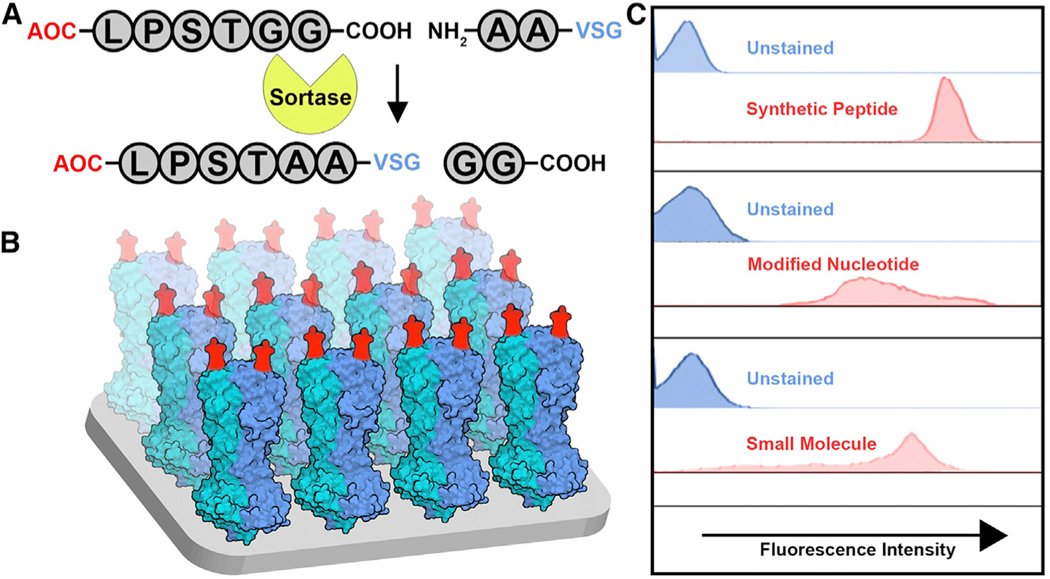
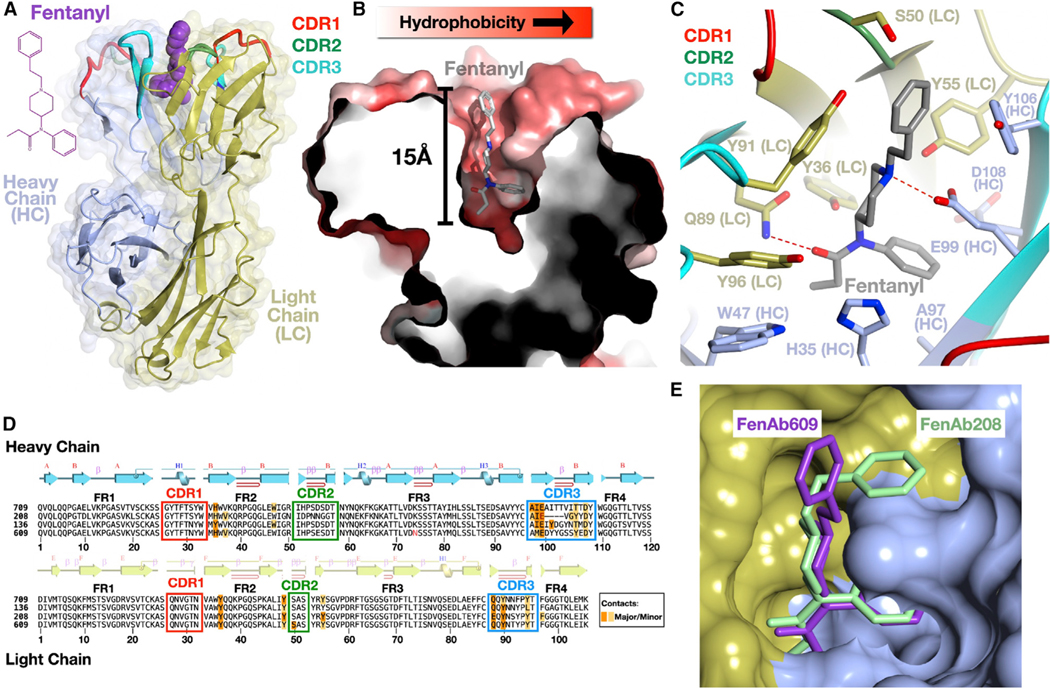
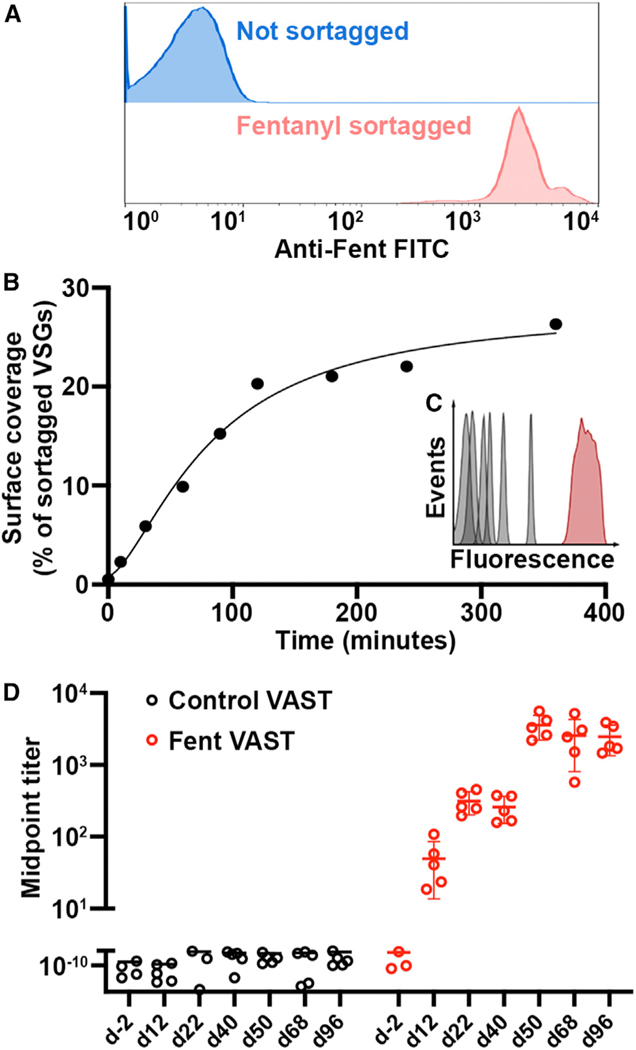
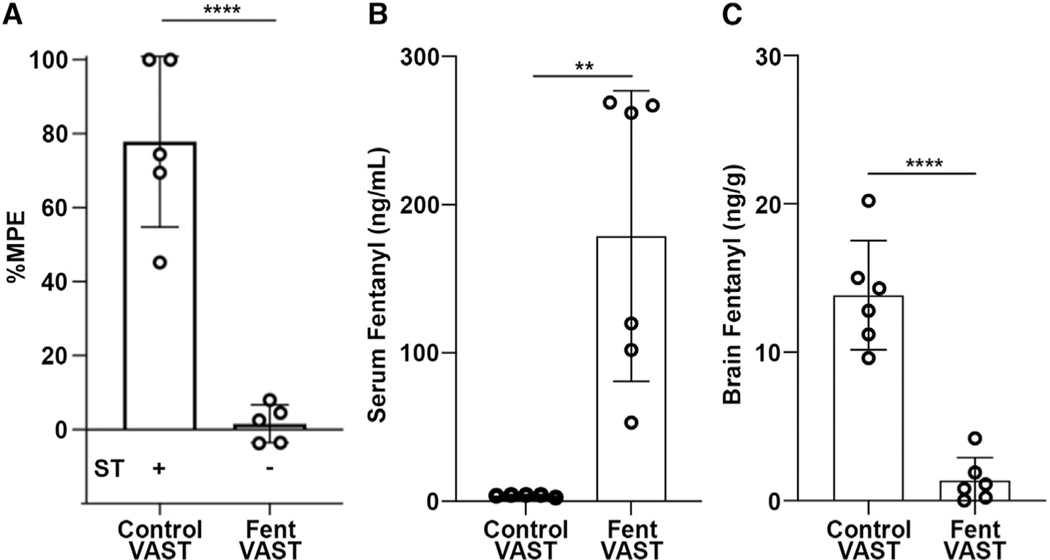
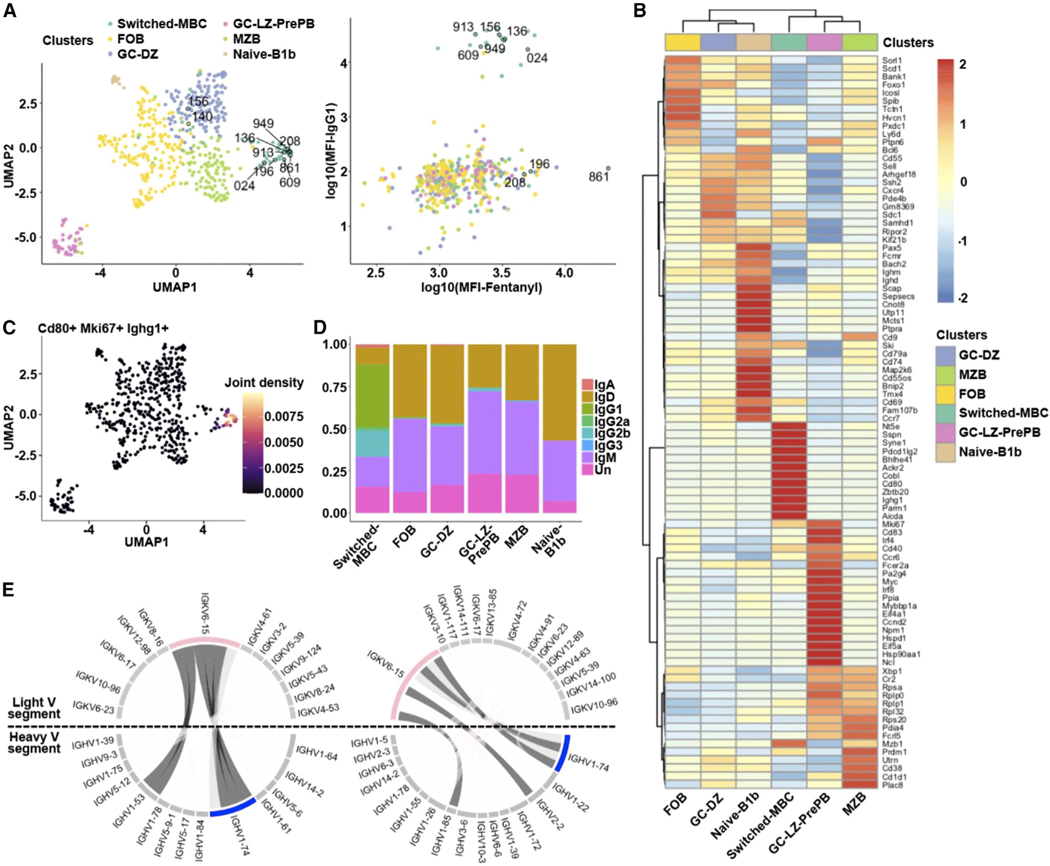
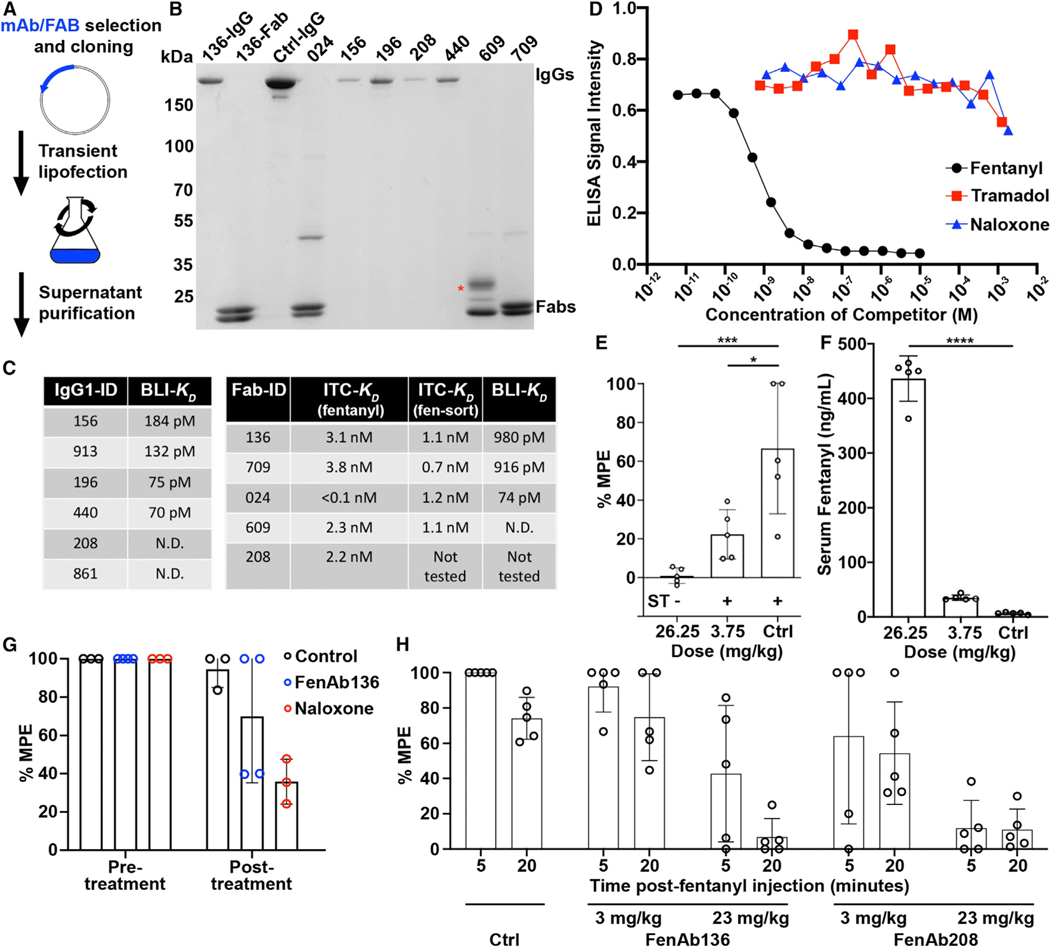
Poorly immunogenic small molecules pose challenges for the production of clinically efficacious vaccines and antibodies. To address this, we generate an immunization platform derived from the immunogenic surface coat of the African trypanosome. Through sortase-based conjugation of the target molecules to the variant surface glycoprotein (VSG) of the trypanosome surface coat, we develop VSG-immunogen array by sortase tagging (VAST). VAST elicits antigen-specific memory B cells and antibodies in a murine model after deploying the poorly immunogenic molecule fentanyl as a proof of concept. We also develop a single-cell RNA sequencing (RNA-seq)-based computational method that synergizes with VAST to specifically identify memory B cell-encoded antibodies. All computationally selected antibodies bind to fentanyl with picomolar affinity. Moreover, these antibodies protect mice from fentanyl effects after passive immunization, demonstrating the ability of these two coupled technologies to elicit therapeutic antibodies to challenging immunogens.
对于产生具有临床疗效的疫苗和抗体而言,免疫原性差的小分子是一个挑战。为了解决这个问题,我们开发了一种源自非洲锥虫免疫表面囊泡的免疫接种平台。通过基于 sortase 的靶分子与锥虫表面囊泡的变异表面糖蛋白(VSG)的缀合,我们通过 sortase 标记(VAST)开发了 VSG-免疫原阵列。VAST 引发抗原特异性记忆 B 细胞和抗体在小鼠模型中,在部署免疫原性差的芬太尼作为概念验证后。我们还开发了一种基于单细胞 RNA 测序(RNA-seq)的计算方法,与 VAST 协同作用,特异性识别记忆 B 细胞编码的抗体。所有通过计算选择的抗体均与芬太尼以皮摩尔亲和力结合。此外,这些抗体在被动免疫后可保护小鼠免受芬太尼的影响,证明了这两种偶联技术能够引发针对挑战性免疫原的治疗性抗体。