Department of Medical Chemistry, Graduate School of Medicine, Kyoto University, Kyoto, 606-8501, Japan.
Arch Pharm Res. 2023 Feb;46(2):65-77. doi: 10.1007/s12272-023-01429-2. Epub 2023 Feb 1.
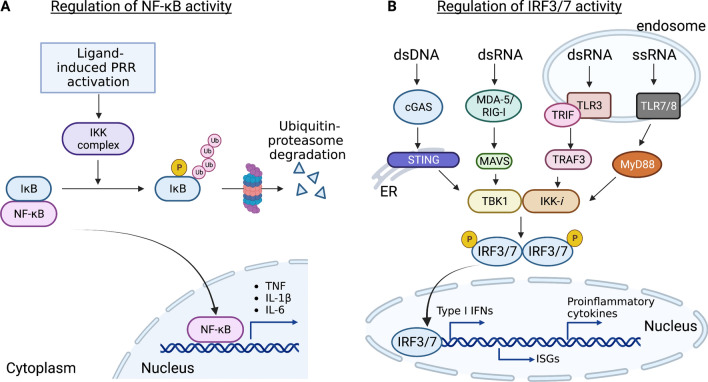
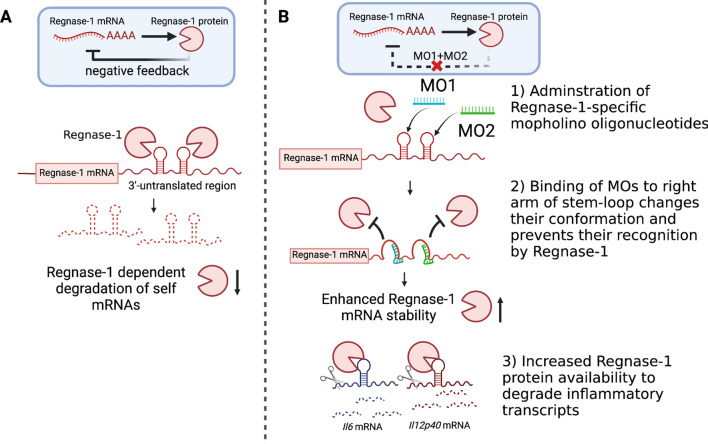
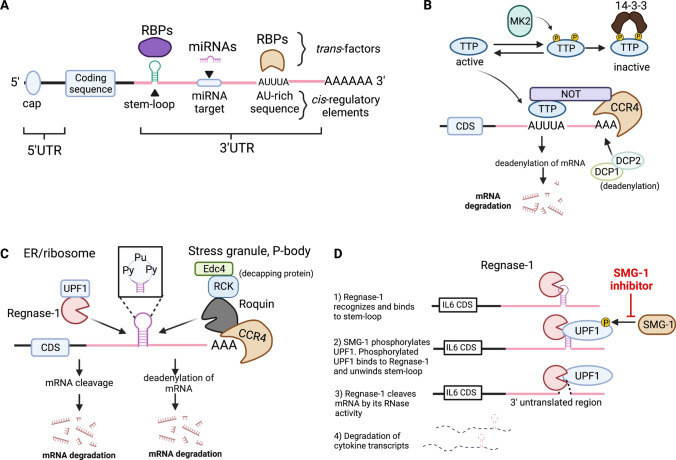
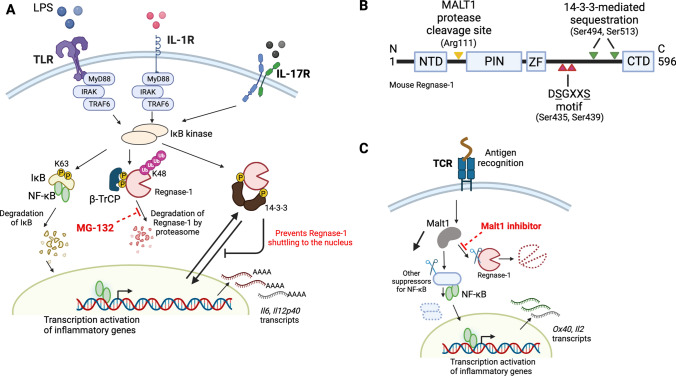
Innate immunity is one of the most ancient and conserved aspect of the immune system. It is responsible for an anti-infective response and has been intrinsically linked to the generation of inflammation. While the inflammatory response entails signaling to the adaptive immune system, it can be self-perpetuating and over-exaggerated, resulting in deleterious consequences, including cytokine storm, sepsis, and the development of inflammatory and autoimmune diseases. Cytokines are the defining features of the immune system. They are critical to mediation of inflammation and host immune defense, and are tightly regulated at several levels, including transcriptional and post-transcriptional levels. Recently, the role of post-transcriptional regulation in fine-tuning cytokine expression has become more appreciated. This interest has advanced our understanding of how various mechanisms are integrated and regulated to determine the amount of cytokine production in cells during inflammatory responses. Here, we would like to review how innate immunity recognizes and responds to pathogens by pattern-recognition receptors, and the molecular mechanisms regulating inflammatory responses, with a focus on the post-transcriptional regulations of inflammatory mediators by RNA-binding proteins, especially Regnase-1. Finally, we will discuss the regulatory mechanisms of Regnase-1 and highlight therapeutic strategies based on targeting Regnase-1 activity and its turnover as potential treatment options for chronic and autoimmune diseases.
先天免疫系统是免疫系统中最古老和最保守的部分之一。它负责抗感染反应,并与炎症的产生有内在联系。虽然炎症反应需要向适应性免疫系统发出信号,但它可能会自我持续和过度夸大,导致有害的后果,包括细胞因子风暴、败血症和炎症性及自身免疫性疾病的发展。细胞因子是免疫系统的特征。它们对于炎症和宿主免疫防御的介导至关重要,并在多个水平上受到严格的调控,包括转录和转录后水平。最近,细胞因子表达的转录后调控在微调中的作用变得更加受到重视。这一兴趣增进了我们对各种机制如何整合和调控以确定细胞在炎症反应期间产生细胞因子的量的理解。在这里,我们将回顾先天免疫系统如何通过模式识别受体识别和响应病原体,以及调节炎症反应的分子机制,重点关注 RNA 结合蛋白(尤其是 Regnase-1)对炎症介质的转录后调控。最后,我们将讨论 Regnase-1 的调控机制,并强调基于靶向 Regnase-1 活性及其周转的治疗策略作为慢性和自身免疫性疾病的潜在治疗选择。