Department of Urology, Shanghai Tenth People's Hospital, School of Medicine, Tongji University, Shanghai, China.
Urologic Cancer Institute, School of Medicine, Tongji University, Shanghai, China.
Front Endocrinol (Lausanne). 2023 Jan 17;13:1054216. doi: 10.3389/fendo.2022.1054216. eCollection 2022.
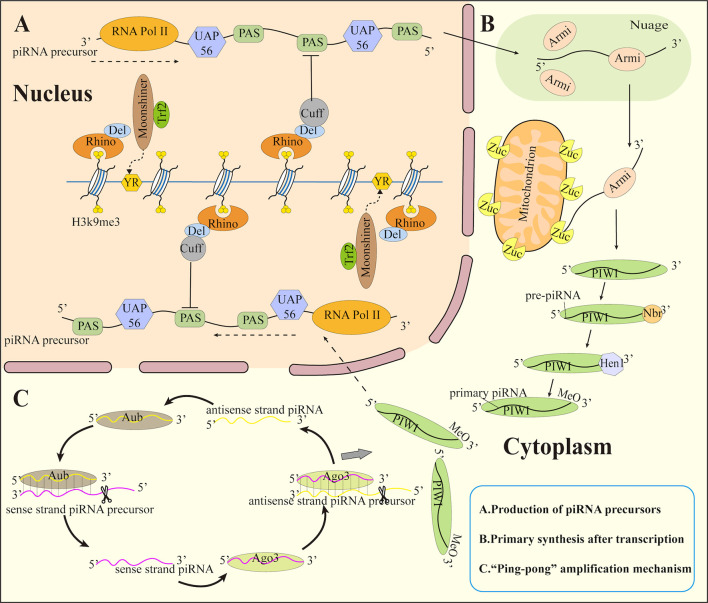
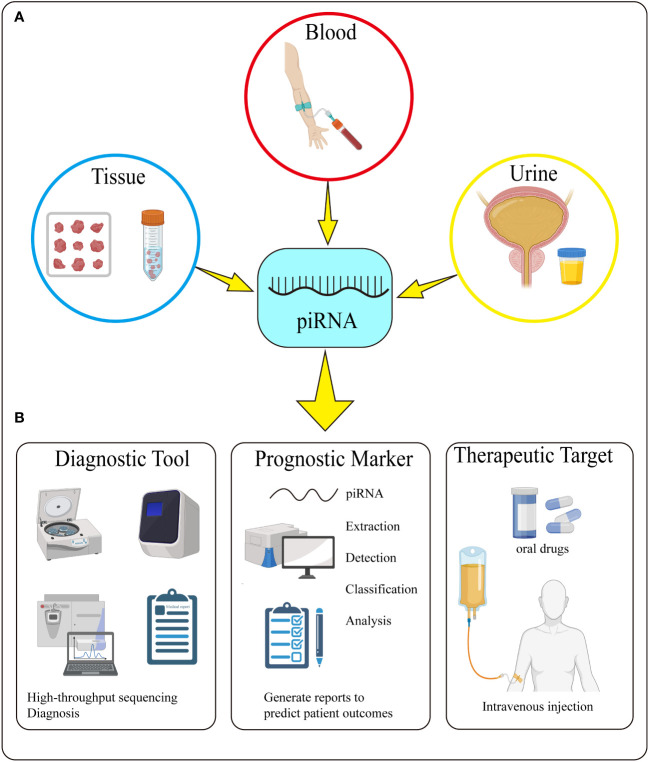
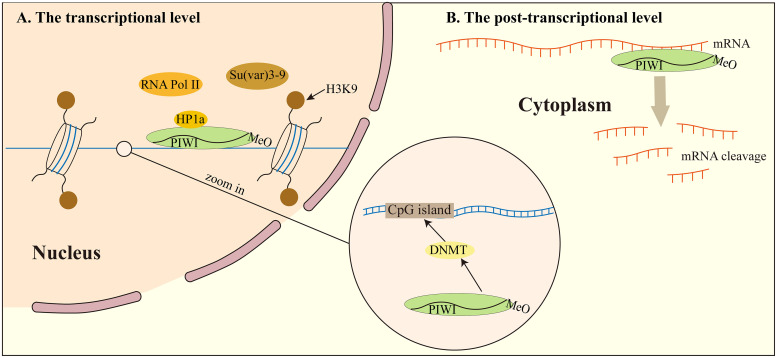
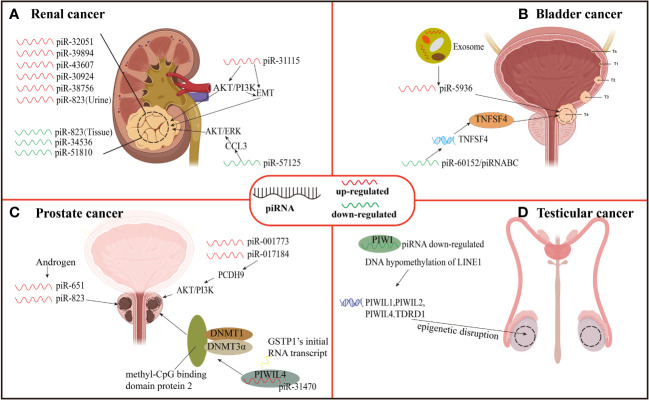
The piRNA (PIWI-interacting RNA) is P-Element induced wimpy testis (PIWI)-interacting RNA which is a small molecule, non-coding RNA with a length of 24-32nt. It was originally found in germ cells and is considered a regulator of germ cell function. It can interact with PIWI protein, a member of the Argonaute family, and play a role in the regulation of gene transcription and epigenetic silencing of transposable factors in the nucleus. More and more studies have shown that piRNAs are abnormally expressed in a variety of cancer tissues and patient fluids, and may become diagnostic tools, therapeutic targets, staging markers, and prognostic evaluation tools for cancer. This article reviews the recent research on piRNA and summarizes the structural characteristics, production mechanism, applications, and its role in urological tumors, to provide a reference value for piRNA to regulate urological tumors.
piRNA(PIWI-interacting RNA)是 P 元素诱导的软弱精子(PIWI)相互作用 RNA,是一种小分子非编码 RNA,长度为 24-32nt。它最初在生殖细胞中被发现,被认为是生殖细胞功能的调节剂。它可以与 PIWI 蛋白相互作用,PIWI 蛋白是 Argonaute 家族的成员,在细胞核中转座因子的基因转录和表观遗传沉默的调节中发挥作用。越来越多的研究表明,piRNA 在多种癌症组织和患者体液中表达异常,可能成为癌症的诊断工具、治疗靶点、分期标志物和预后评估工具。本文综述了 piRNA 的最新研究进展,总结了其结构特征、产生机制、应用及其在泌尿系统肿瘤中的作用,为 piRNA 调控泌尿系统肿瘤提供参考价值。