Université Clermont Auvergne, INRAE, VetAgro Sup, UMR Herbivores, 63122, Saint-Genès-Champanelle, France.
Université Paris-Saclay, UVSQ, INRAE, BREED, 78350, Jouy-en-Josas, France.
Sci Rep. 2023 Feb 3;13(1):1977. doi: 10.1038/s41598-023-27884-x.
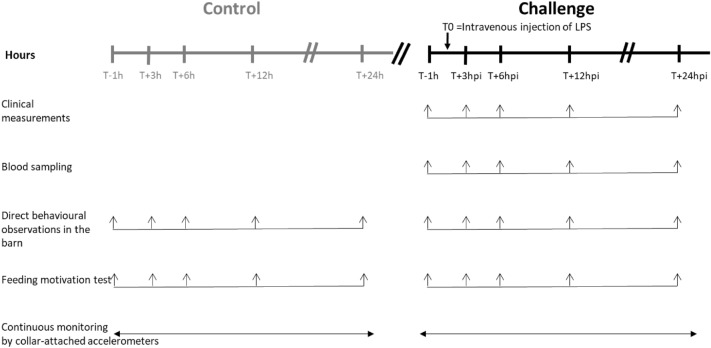
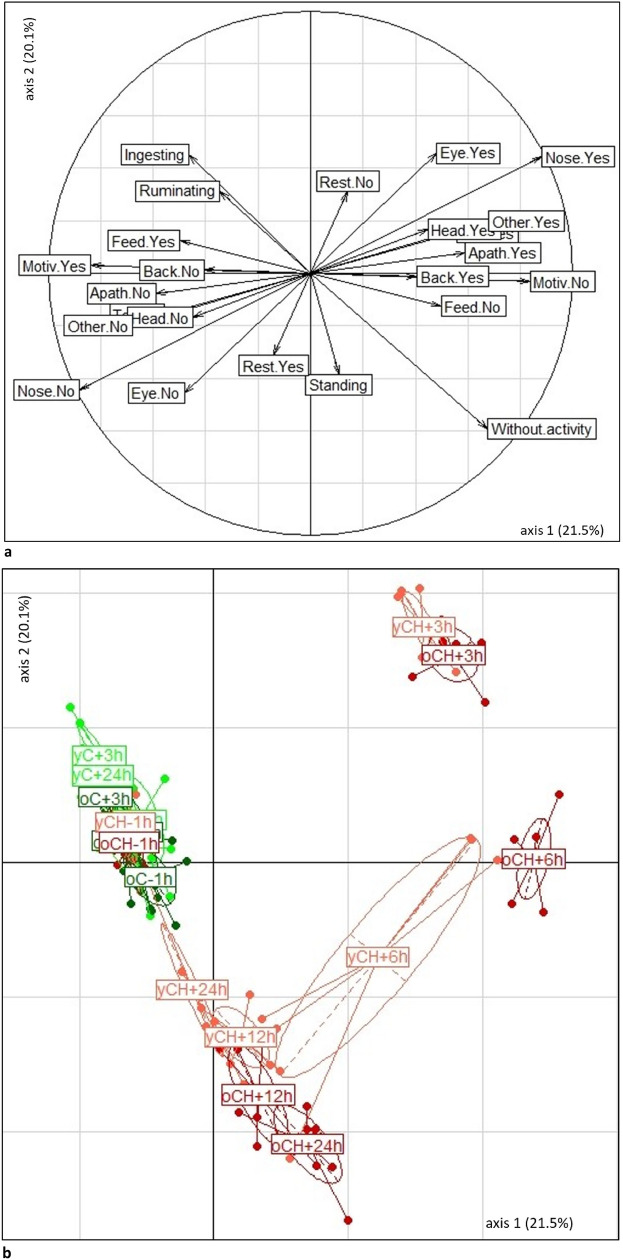
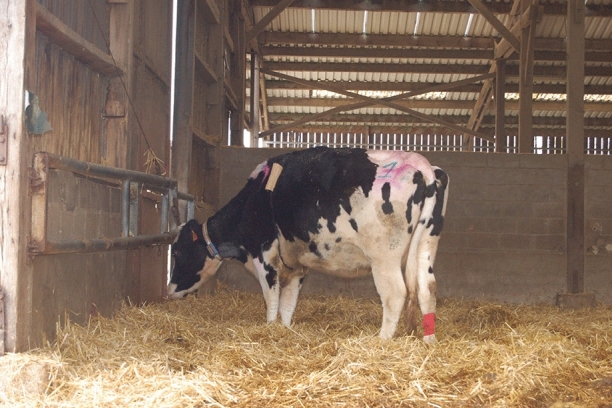
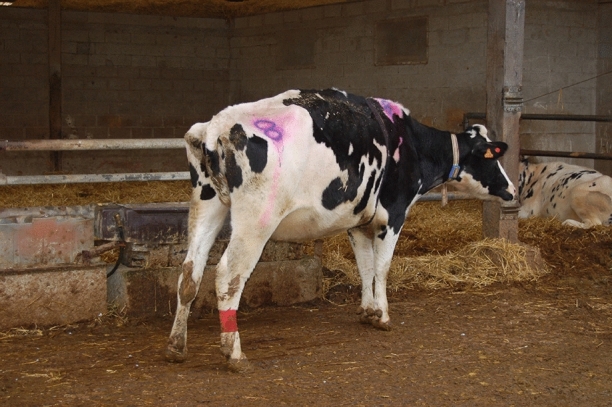
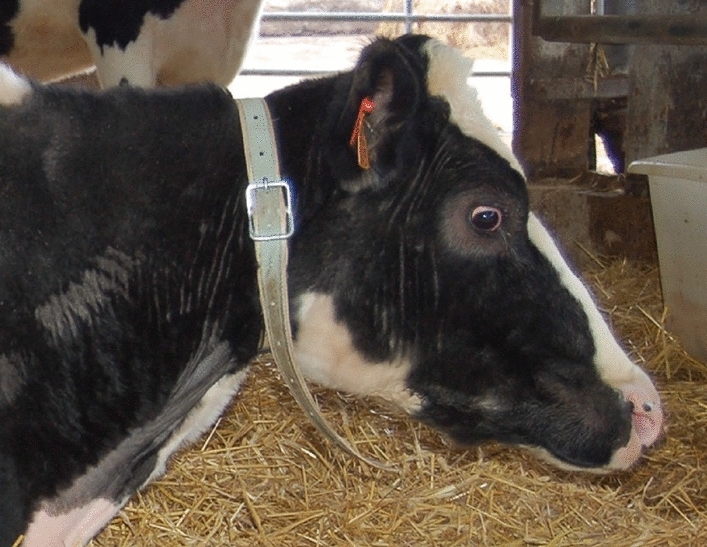
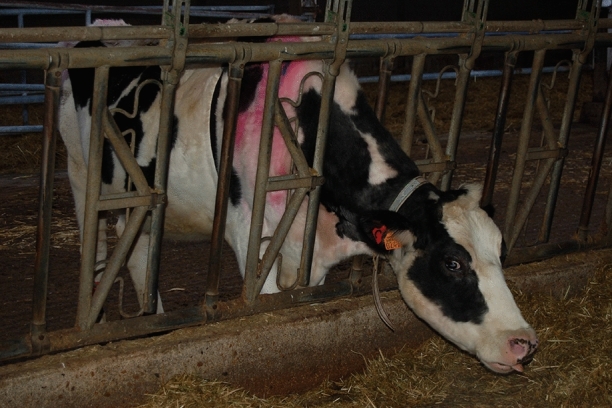
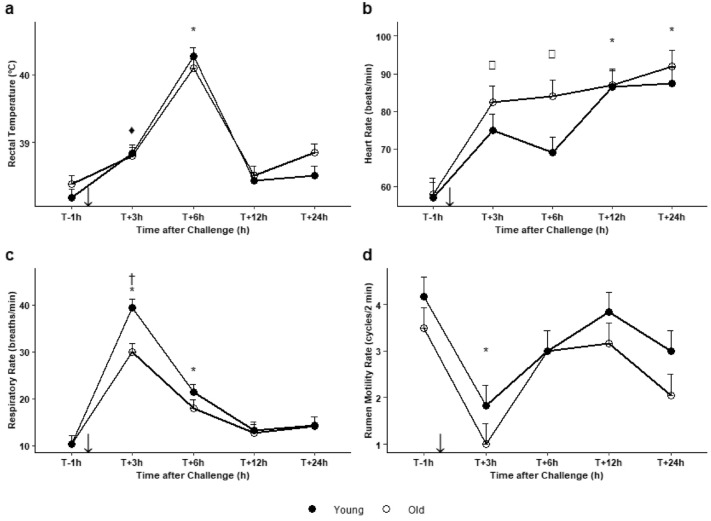
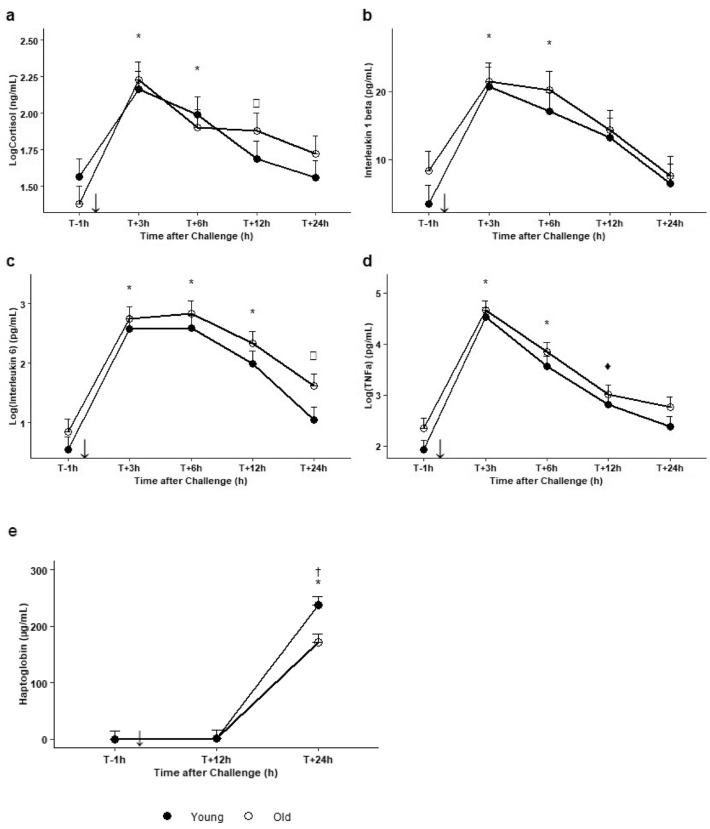
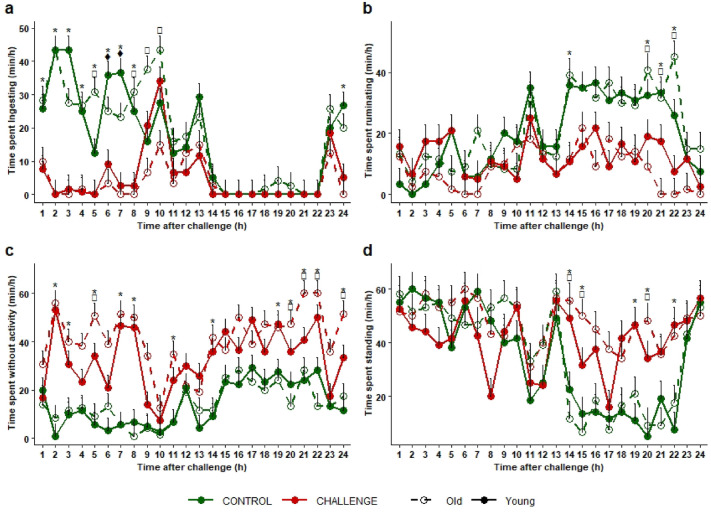
Cattle suffering from inflammatory infection display sickness and pain-related behaviours. As these behaviours may be transient and last only a few hours, one may miss them. The aim of this study was to assess the benefit of combining continuous monitoring of cow behaviour via collar-attached accelerometers with direct visual observations to detect sickness and pain-related behavioural responses after a systemic inflammatory challenge (intravenous lipopolysaccharide injection) in cows of two different ages, proven by clinical, physiological and blood parameters. Twelve cloned Holstein cows (six 'old' cows aged 10-15 years old and six 'young' cows aged 6 years old) were challenged and either directly observed at five time-points from just before the lipopolysaccharide injection up to 24 h post-injection (hpi) or continuously monitored using collar-attached accelerometers in either control or challenge situations. Direct observations identified specific sickness and pain behaviours (apathy, changes in facial expression and body posture, reduced motivation to feed) expressed partially at 3 hpi and fully at 6 hpi. These signs of sickness and pain behaviours then faded, and quicker for the young cows. Accelerometers detected changes in basic activities (low ingesting, low ruminating, high inactivity) and position (high time standing up) earlier and over a longer period of time than direct observations. The combination of sensors and direct observations improved the detection of behavioural signs of sickness and pain earlier on and over the whole study period, even when direct signs were weak especially in young cows. This system could provide great benefit for better earlier animal care.
患有炎症感染的牛会表现出与疾病和疼痛相关的行为。由于这些行为可能是短暂的,只持续几个小时,因此人们可能会错过它们。本研究的目的是评估通过佩戴在牛颈圈上的加速度计连续监测牛的行为,并结合直接视觉观察,来检测两种不同年龄的牛在系统性炎症挑战(静脉注射脂多糖)后的与疾病和疼痛相关的行为反应的益处,该炎症挑战可通过临床、生理和血液参数得到证实。本研究选择了 12 头克隆荷斯坦奶牛(6 头“老年”牛,年龄为 10-15 岁,6 头“青年”牛,年龄为 6 岁),这些牛要么在注射脂多糖前、注射后 24 小时内(hpi)的五个时间点直接观察,要么在对照或挑战条件下使用颈圈式加速度计连续监测。直接观察到了一些特定的疾病和疼痛行为(冷漠、面部表情和身体姿势的变化、进食动机降低),这些行为在 3 hpi 时部分表现出来,在 6 hpi 时完全表现出来。这些疾病和疼痛行为的迹象随后消失,且青年牛消失得更快。与直接观察相比,加速度计更早、更长期地检测到基本活动(低采食、低反刍、高静止)和姿势(高站立时间)的变化。传感器和直接观察的结合,更早、更长期地提高了对疾病和疼痛行为迹象的检测,即使直接迹象很微弱,尤其是在青年牛中。这种系统可以为更好的早期动物护理提供很大的好处。