Department of Gifted Education, Arabian Gulf University, P.O. Box: 26671, Manama, Bahrain.
BMC Endocr Disord. 2023 Feb 6;23(1):34. doi: 10.1186/s12902-023-01288-4.
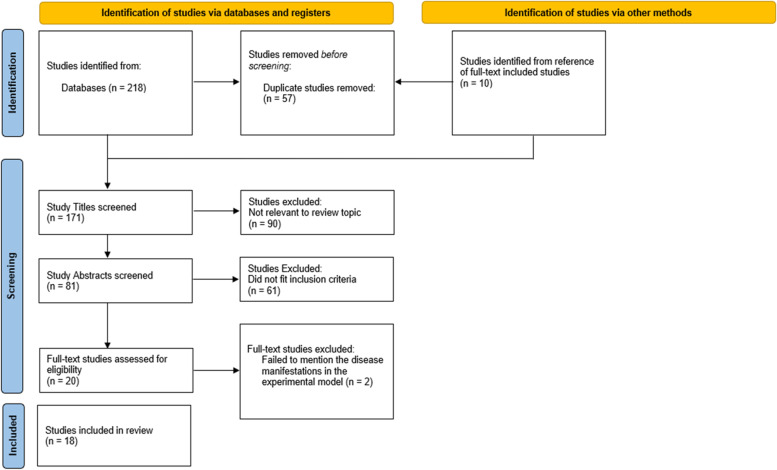
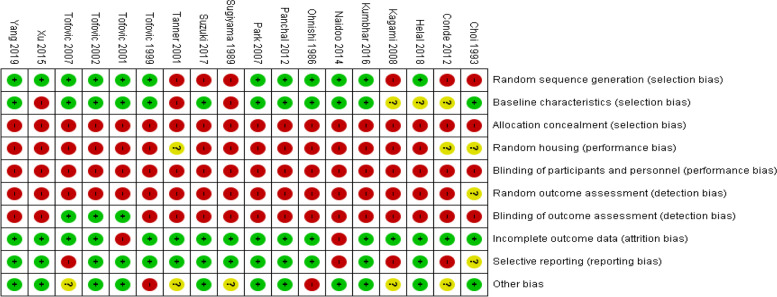
This systematic review aimed to study caffeine's effect on the cardiometabolic markers of the metabolic syndrome and to evaluate caffeine's application as a potential therapeutic agent in rat models. The systematic review was structured and synthesized according to Preferred Reporting Items for Systematic Reviews and Meta-Analyses (PRISMA) and the Population, Intervention, comparator, outcome (PICO) framework. A literature search was conducted in PubMed, Scopus, and ScienceDirect to identify studies that used caffeine as an intervention in the rat model of the metabolic syndrome or any of its components compared with no treatment or controls. Studies that did not mention the disease manifestations from the experimental model used, without rat subjects, and which induced renovascular hypertension were excluded. The risk of bias in the included studies was assessed using the Systematic Review Center for Laboratory Animal Experimentation risk-of-bias tool. The main outcomes assessed were caffeine's effect on obesity, dyslipidemia, hepatic steatosis, hepatic dysfunction, insulin resistance, and hypertension. Out of 228 studies retrieved from the search, 18 met our inclusion criteria and were included in the systematic review. Caffeine was found to favorably reduce obesity and insulin resistance in the rat model of the metabolic syndrome. The effects of caffeine on dyslipidemia, hepatic steatosis, hepatic dysfunction, and hypertension remain inconclusive. The main limitations of this study are the heterogeneity of the included studies in terms of the disease model used, experimental duration, methods to assess outcomes, including studies that were only published in English, measurement units used, and graphical data without and numerical mention in the results section. As a result, quantitative synthesis was unfeasible, and a qualitative descriptive synthesis was conducted; this might have led to the under characterization of caffeine's effect on metabolic syndrome and its potential as an adjuvant therapy in metabolic syndrome. Caffeine has favorable effects on the metabolic syndrome, chiefly reducing obesity and insulin resistance. Future research is encouraged to delve into caffeine's effect on dyslipidemia, hepatic steatosis, hepatic dysfunction, and hypertension, which is necessary if caffeine is to be used as a potential clinical adjuvant therapy to treat the metabolic syndrome.
这篇系统综述旨在研究咖啡因对代谢综合征的心脏代谢标志物的影响,并评估咖啡因作为潜在治疗剂在大鼠模型中的应用。系统综述根据系统评价和荟萃分析的首选报告项目(PRISMA)和人群、干预、比较、结局(PICO)框架进行构建和综合。在 PubMed、Scopus 和 ScienceDirect 中进行文献检索,以确定使用咖啡因作为代谢综合征或其任何成分的大鼠模型干预措施的研究,与无治疗或对照相比。排除未提及实验模型中疾病表现、无大鼠受试者和诱导肾血管性高血压的研究。使用系统评价中心的实验室动物实验风险偏倚工具评估纳入研究的偏倚风险。主要评估的结局是咖啡因对肥胖、血脂异常、肝脂肪变性、肝功能障碍、胰岛素抵抗和高血压的影响。从检索中检索到 228 项研究中,有 18 项符合我们的纳入标准,并纳入了系统综述。咖啡因可降低代谢综合征大鼠模型中的肥胖和胰岛素抵抗。咖啡因对血脂异常、肝脂肪变性、肝功能障碍和高血压的影响仍不确定。这项研究的主要局限性在于纳入研究在所用疾病模型、实验持续时间、评估结局的方法方面存在异质性,包括仅以英文发表的研究、使用的测量单位以及图形数据缺乏和结果部分未提及数值。因此,无法进行定量综合,只能进行定性描述性综合;这可能导致对咖啡因对代谢综合征及其作为代谢综合征辅助治疗的潜在作用的特征描述不足。咖啡因对代谢综合征有有利影响,主要是降低肥胖和胰岛素抵抗。鼓励未来的研究深入研究咖啡因对血脂异常、肝脂肪变性、肝功能障碍和高血压的影响,如果要将咖啡因用作治疗代谢综合征的潜在临床辅助治疗剂,则这是必要的。