School of Pharmacy and Medical Sciences, and Menzies Health Institute Queensland, Griffith University, Gold Coast, QLD, 4222, Australia.
School of Biological Sciences, University of East Anglia, Norwich, NR4 7TJ, UK.
Sci Rep. 2023 Feb 6;13(1):2137. doi: 10.1038/s41598-023-28117-x.
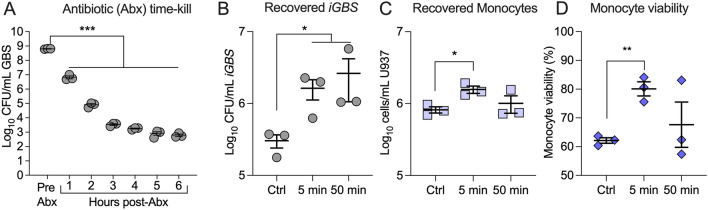
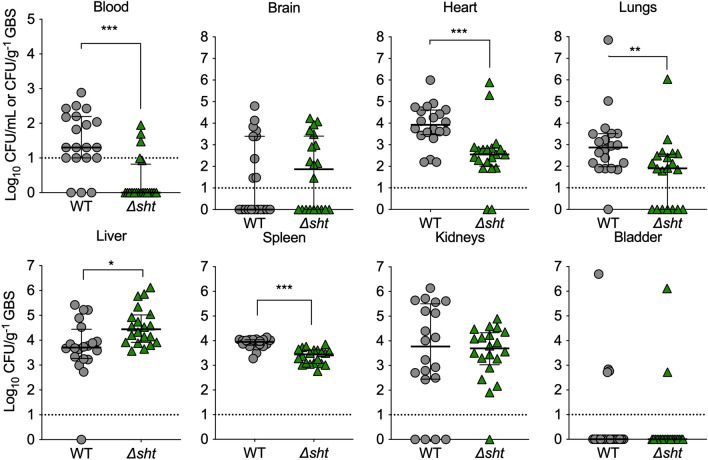
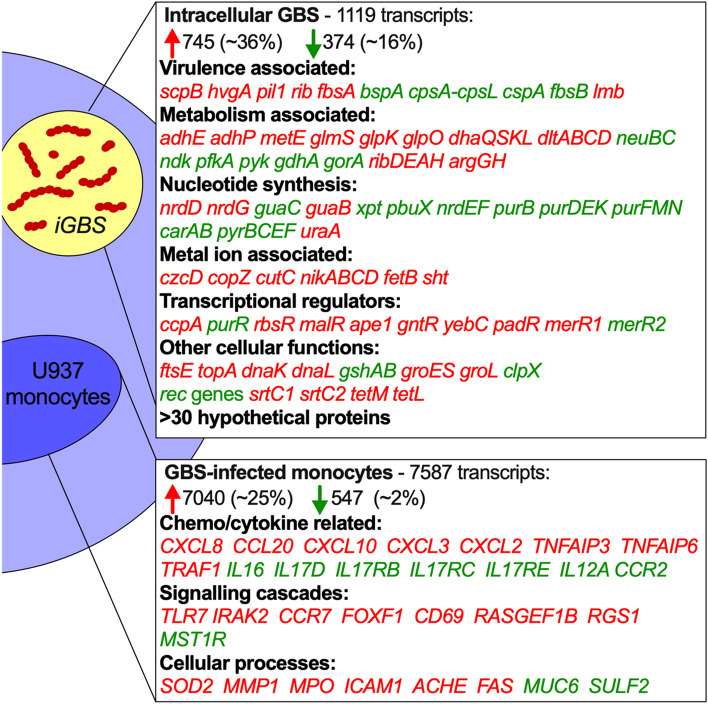
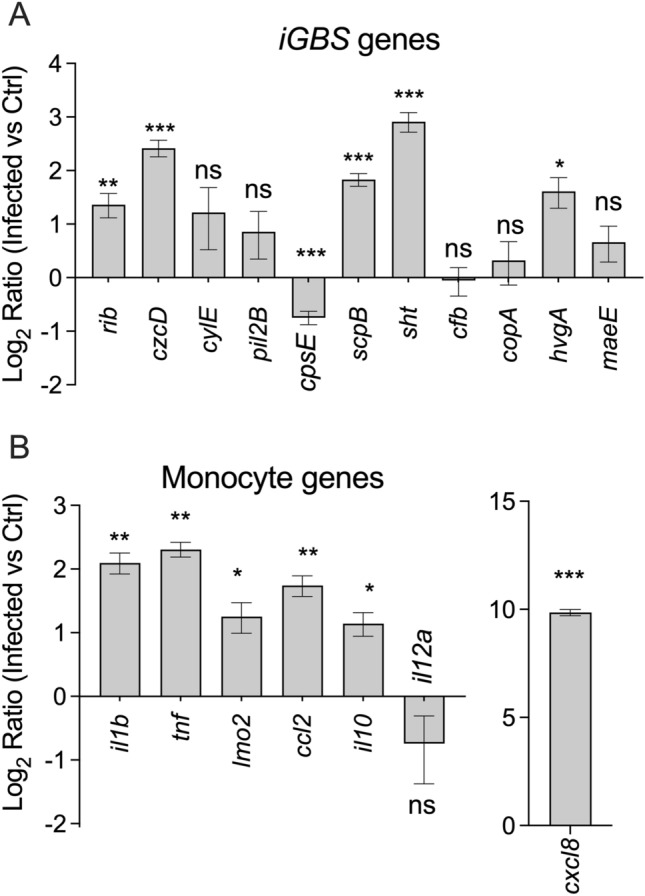
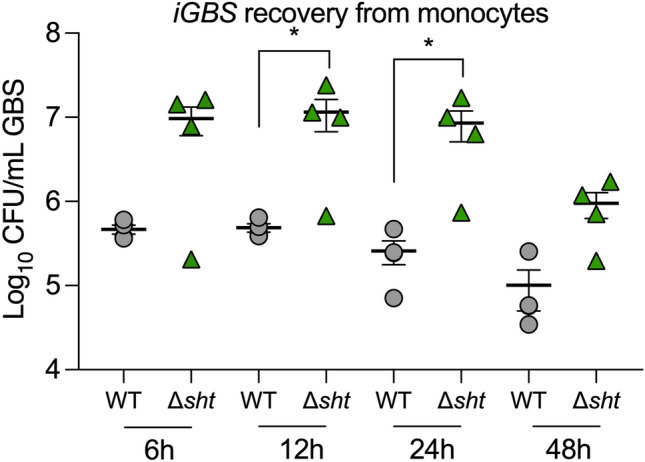
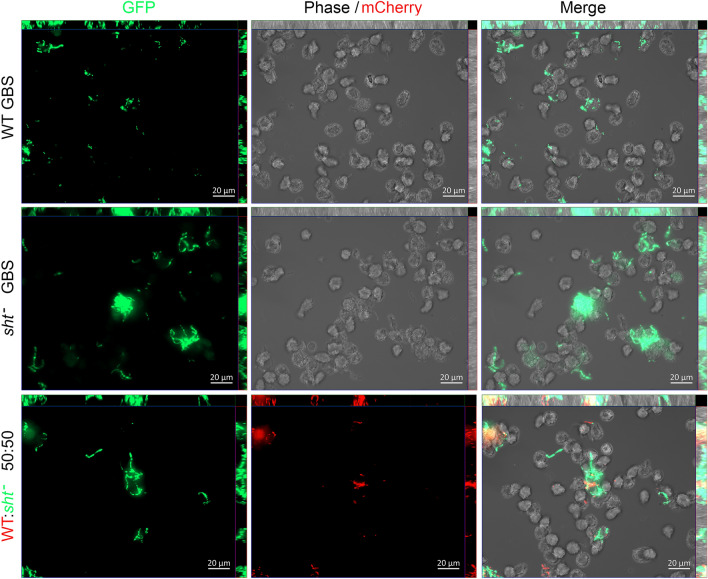
Streptococcus agalactiae, also known as Group B Streptococcus (GBS) is a frequent cause of infections, including bacteraemia and other acute diseases in adults and immunocompromised individuals. We developed a novel system to study GBS within human monocytes to define the co-transcriptome of intracellular GBS (iGBS) and host cells simultaneously using dual RNA-sequencing (RNA-seq) to better define how this pathogen responds to host cells. Using human U937 monocytes and genome-sequenced GBS reference strain 874,391 in antibiotic protection assays we validated a system for dual-RNA seq based on measures of GBS and monocyte viability to ensure that the bacterial and host cell co-transcriptome reflected mainly intracellular (iGBS) rather than extracellular GBS. Elucidation of the co-transcriptome revealed 1119 dysregulated transcripts in iGBS with most genes, including several that encode virulence factors (e.g., scpB, hvgA, ribD, pil2b) exhibiting activation by upregulated expression. Infection with iGBS resulted in significant remodelling of the monocyte transcriptome, with 7587 transcripts differentially expressed including 7040 up-regulated and 547 down-regulated. qPCR confirmed that the most strongly activated genes included sht, encoding Streptococcal Histidine Triad Protein. An isogenic GBS mutant strain deficient in sht revealed a significant effect of this gene on phagocytosis of GBS and survival of the bacteria during systemic infection in mice. Identification of a novel contribution of sht to GBS virulence shows the co-transcriptome responses elucidated in GBS-infected monocytes help to shape the host-pathogen interaction and establish a role for sht in the response of the bacteria to phagocytic uptake. This study provides comprehension of concurrent transcriptional responses that occur in GBS and human monocytes that shape the host-pathogen interaction.
无乳链球菌,也被称为 B 群链球菌(GBS),是一种常见的感染病原体,包括成人和免疫功能低下者的菌血症和其他急性疾病。我们开发了一种新的系统,用于在人类单核细胞中研究 GBS,使用双 RNA 测序(RNA-seq)同时定义细胞内 GBS(iGBS)和宿主细胞的共转录组,以更好地定义这种病原体如何响应宿主细胞。使用人类 U937 单核细胞和经过基因组测序的 GBS 参考菌株 874,391 在抗生素保护测定中,我们验证了一种基于 GBS 和单核细胞活力测量的双 RNA-seq 系统,以确保细菌和宿主细胞的共转录组主要反映细胞内(iGBS)而不是细胞外 GBS。共转录组的阐明揭示了 iGBS 中 1119 个失调的转录本,其中大多数基因,包括几个编码毒力因子(例如,scpB、hvgA、ribD、pil2b),通过上调表达表现出激活。iGBS 的感染导致单核细胞转录组发生显著重塑,有 7587 个转录本差异表达,包括 7040 个上调和 547 个下调。qPCR 证实,最强烈激活的基因包括 sht,编码链球菌组氨酸三肽蛋白。sh t 缺失的 GBS 突变菌株的感染实验表明,该基因对 GBS 的吞噬作用和细菌在小鼠全身感染期间的存活有显著影响。sht 对 GBS 毒力的新贡献的鉴定表明,在 GBS 感染的单核细胞中阐明的共转录组反应有助于塑造宿主-病原体相互作用,并确立 sht 在细菌对吞噬作用的反应中的作用。这项研究提供了对同时发生在 GBS 和人类单核细胞中的转录反应的理解,这些反应塑造了宿主-病原体相互作用。