Zarrow Jonah E, Alli-Oluwafuyi Abdul-Musawwir, Youwakim Cristina M, Kim Kwangho, Jenkins Andrew N, Suero Isabelle C, Jones Margaret R, Mashhadi Zahra, Mackie Kenneth P, Waterson Alex G, Doran Amanda C, Sulikowski Gary A, Davies Sean S
Department of Pharmacology , Vanderbilt University. Nashville, TN.
Department of Medicine, Division of Cardiology, Vanderbilt University Medical Center. Nashville, TN.
bioRxiv. 2023 Feb 28:2023.01.25.525554. doi: 10.1101/2023.01.25.525554.
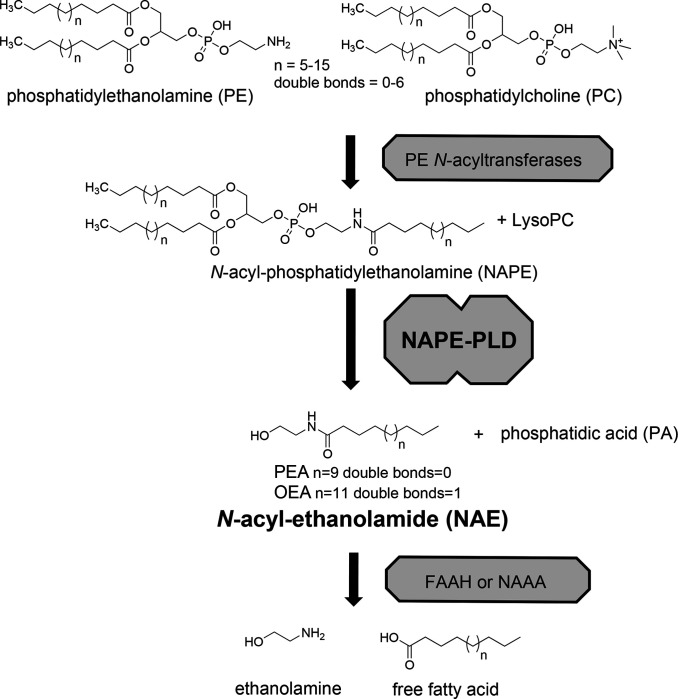
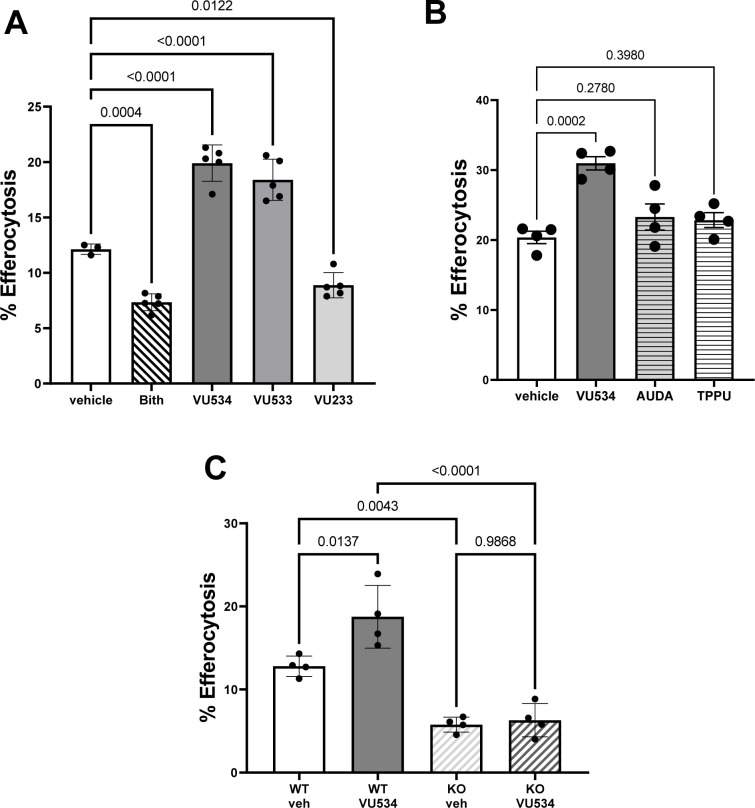
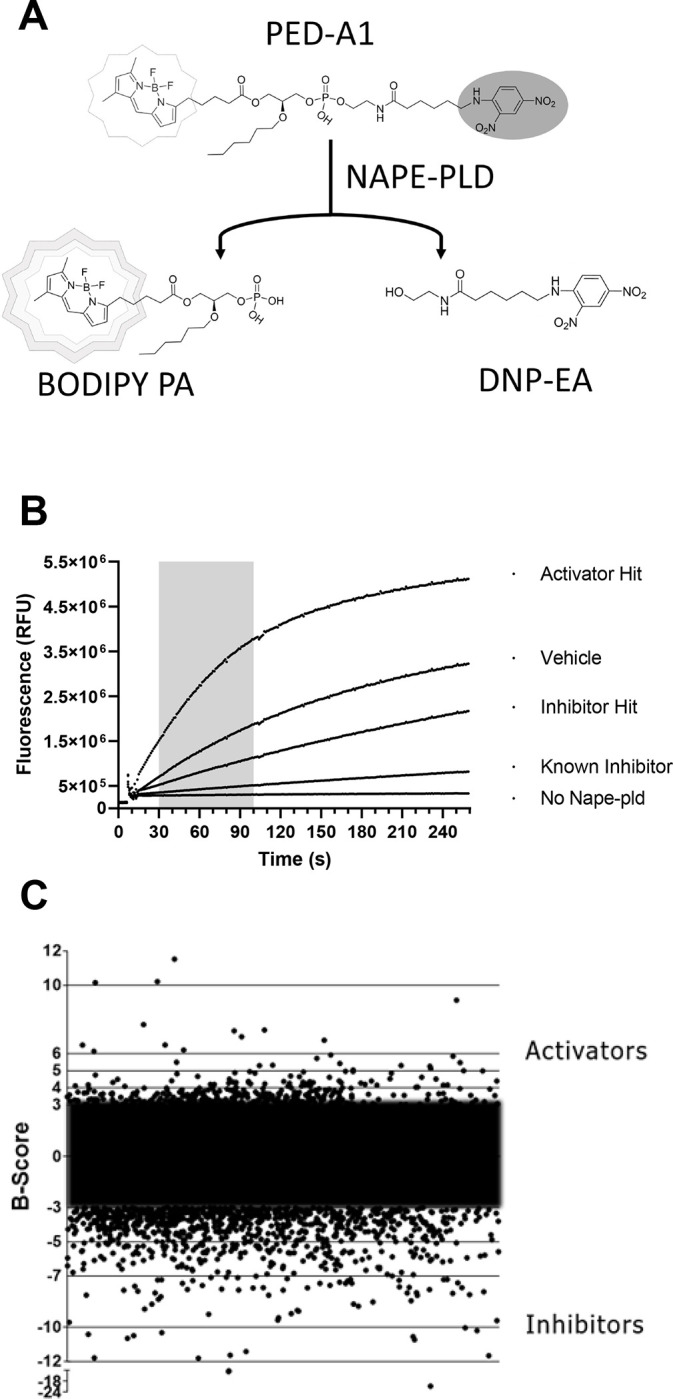
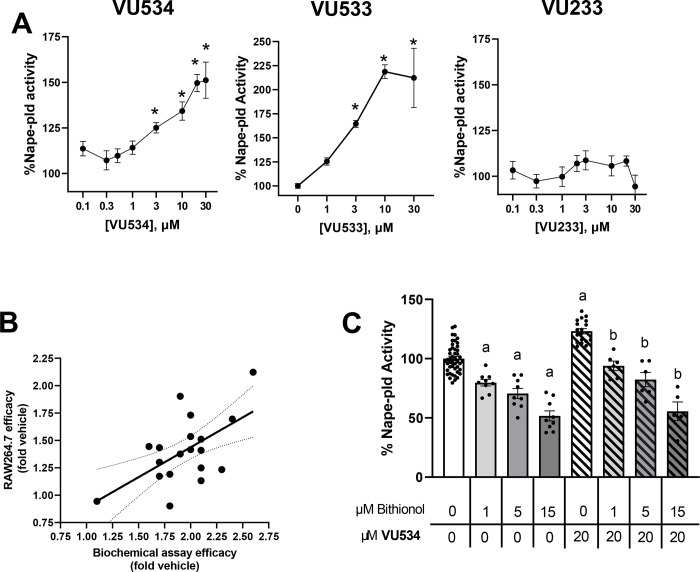
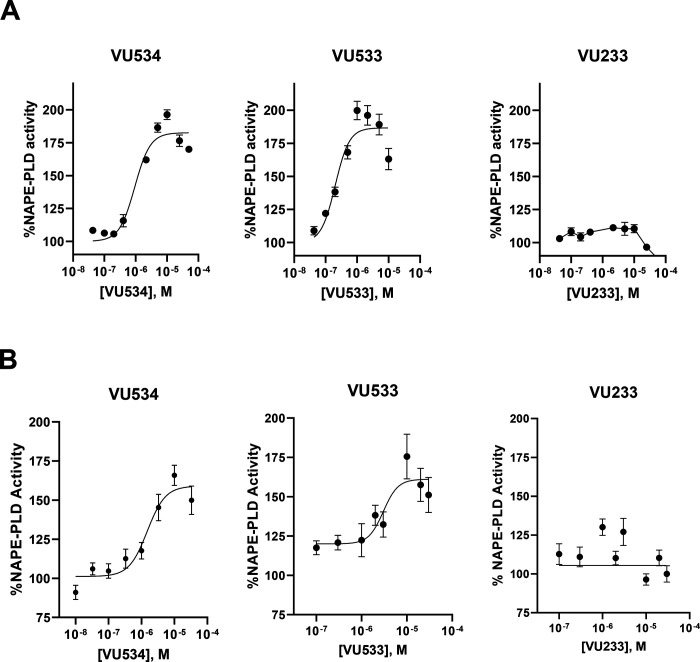
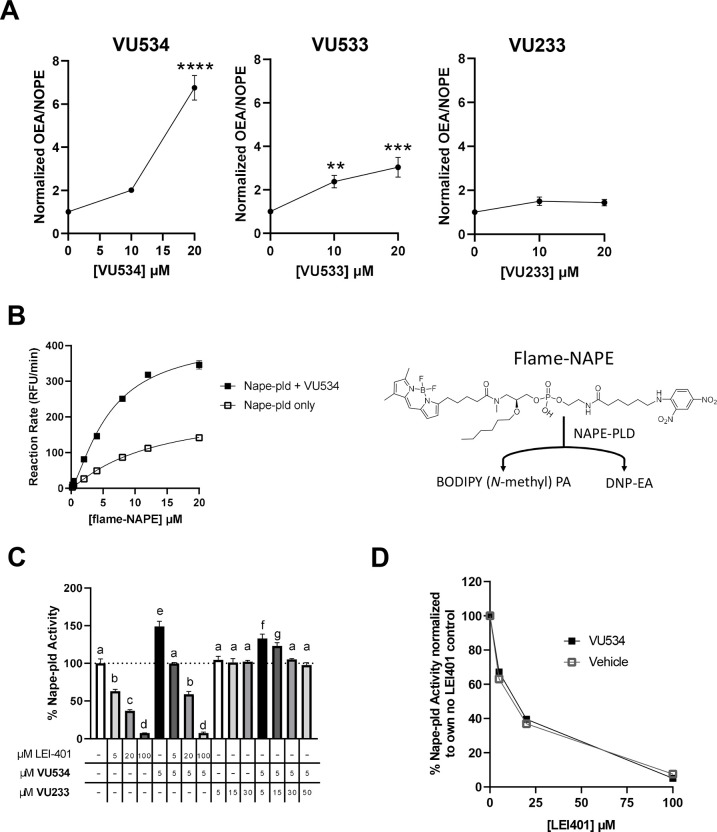
-acyl-phosphatidylethanolamine hydrolyzing phospholipase D (NAPE-PLD) is a zinc metallohydrolase that hydrolyzes -acyl-phosphatidylethanolamine (NAPEs) to form -acyl-ethanolamides (NAEs) and phosphatidic acid. Several lines of evidence suggest that reduced NAPE-PLD activity could contribute to cardiometabolic diseases. For instance, expression is reduced in human coronary arteries with unstable atherosclerotic lesions, defective efferocytosis is implicated in the enlargement of necrotic cores of these lesions, and NAPE-PLD products such as palmitoylethanolamide and oleoylethanolamide have been shown to enhance efferocytosis. Thus, enzyme activation mediated by a small molecule may serve as a therapeutic treatment for cardiometabolic diseases. As a proof-of-concept study, we sought to identify small molecule activators of NAPE-PLD. High-throughput screening followed by hit validation and primary lead optimization studies identified a series of benzothiazole phenylsulfonyl-piperidine carboxamides that variably increased activity of both mouse and human NAPE-PLD. From this set of small molecules, two NAPE-PLD activators (VU534 and VU533) were shown to increase efferocytosis by bone-marrow derived macrophages isolated from wild-type mice, while efferocytosis was significantly reduced in BMDM or after Nape-pld inhibition. Together these studies demonstrate an essential role for NAPE-PLD in the regulation of efferocytosis and the potential value of NAPE-PLD activators as a strategy to treat cardiometabolic diseases.
N-酰基磷脂酰乙醇胺水解磷脂酶D(NAPE-PLD)是一种锌金属水解酶,可将N-酰基磷脂酰乙醇胺(NAPEs)水解形成N-酰基乙醇酰胺(NAEs)和磷脂酸。多项证据表明,NAPE-PLD活性降低可能导致心脏代谢疾病。例如,在具有不稳定动脉粥样硬化病变的人类冠状动脉中,其表达降低,有缺陷的胞葬作用与这些病变坏死核心的扩大有关,并且已证明NAPE-PLD的产物如棕榈酰乙醇酰胺和油酰乙醇酰胺可增强胞葬作用。因此,由小分子介导的酶激活可能作为心脏代谢疾病的一种治疗方法。作为一项概念验证研究,我们试图鉴定NAPE-PLD的小分子激活剂。通过高通量筛选,随后进行命中验证和初步先导优化研究,确定了一系列苯并噻唑苯磺酰基-哌啶羧酰胺,它们可不同程度地增加小鼠和人类NAPE-PLD的活性。从这组小分子中,两种NAPE-PLD激活剂(VU534和VU533)被证明可增加从野生型小鼠分离的骨髓来源巨噬细胞的胞葬作用,而在Nape-pld基因敲除的骨髓来源巨噬细胞中或Nape-pld抑制后,胞葬作用显著降低。这些研究共同证明了NAPE-PLD在调节胞葬作用中的重要作用以及NAPE-PLD激活剂作为治疗心脏代谢疾病策略的潜在价值。