Department of Implantology, School and Hospital of Stomatology, Cheeloo College of Medicine, Shandong University & Shandong Key Laboratory of Oral Tissue Regeneration & Shandong Engineering Laboratory for Dental Materials and Oral Tissue Regeneration, Jinan, China.
Department of Human Microbiome, School and Hospital of Stomatology, Cheeloo College of Medicine, Shandong University & Shandong Key Laboratory of Oral Tissue Regeneration & Shandong Engineering Laboratory for Dental Materials and Oral Tissue Regeneration, Jinan, China.
Int J Oral Sci. 2023 Feb 8;15(1):8. doi: 10.1038/s41368-022-00213-0.
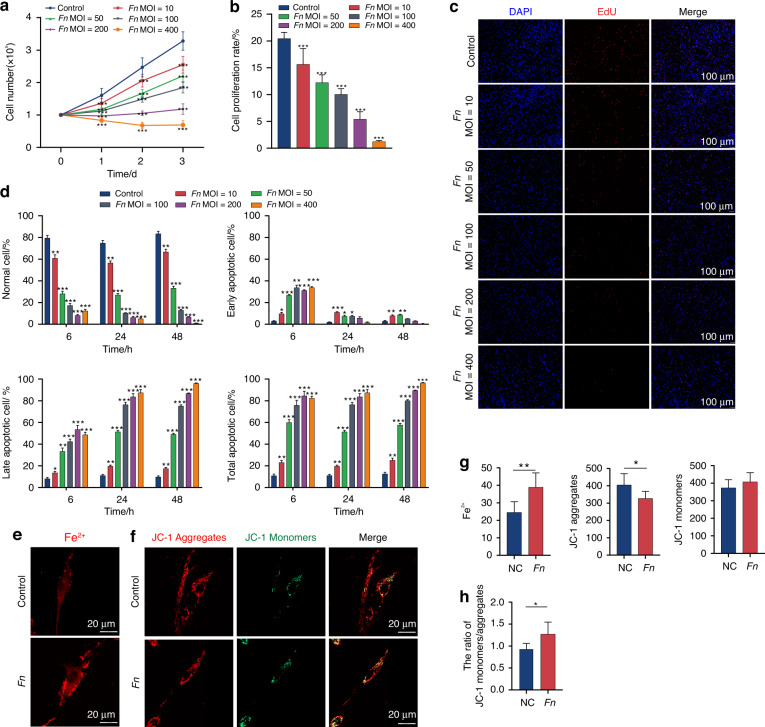
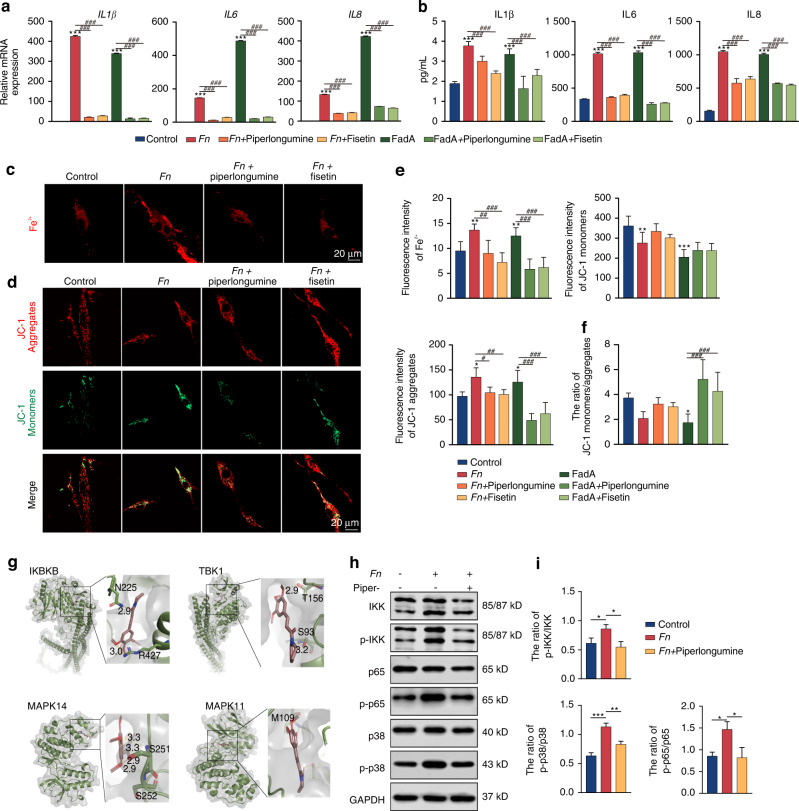
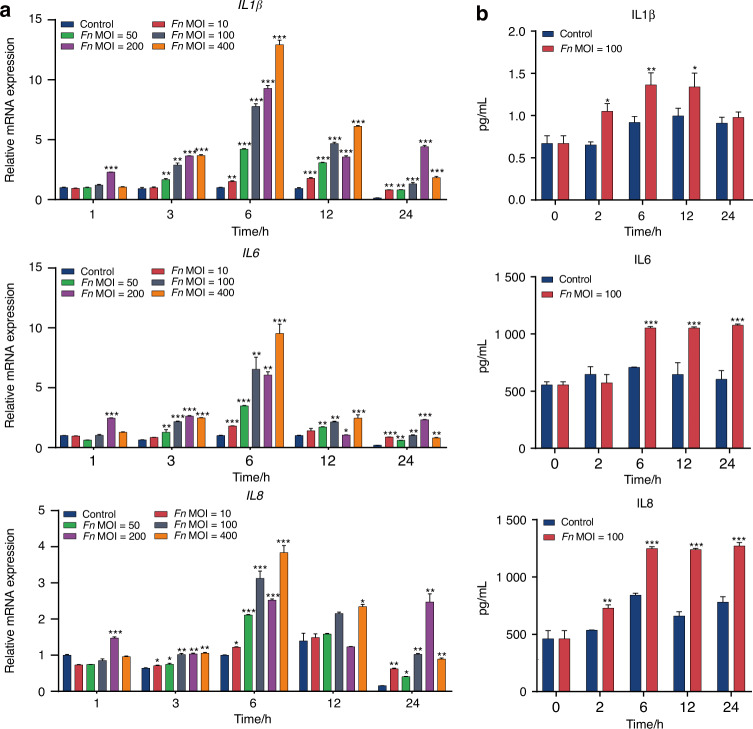
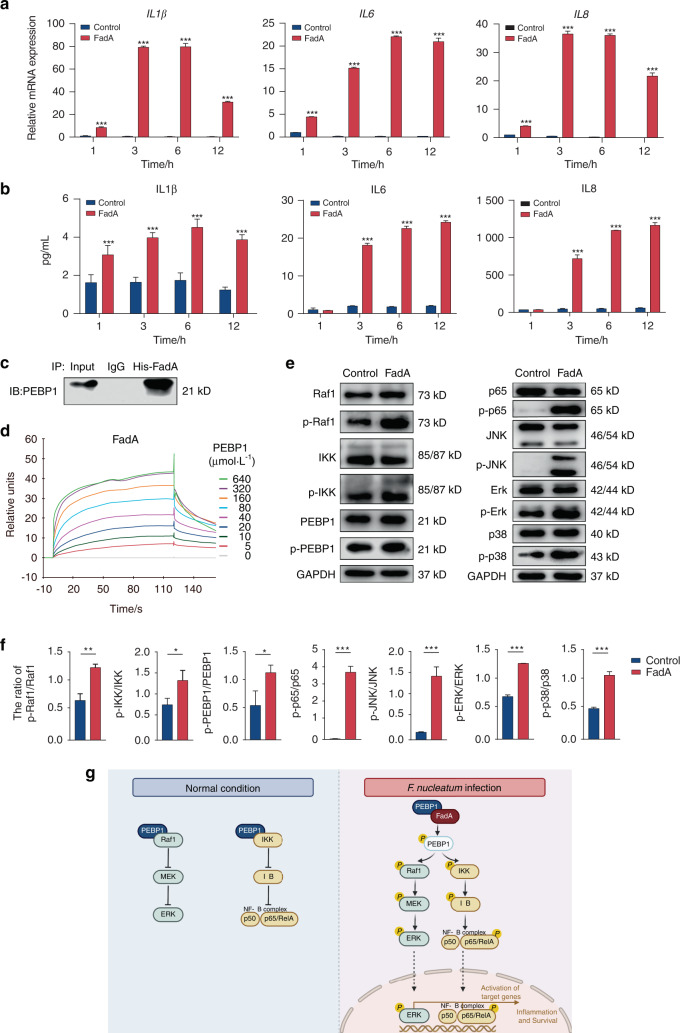
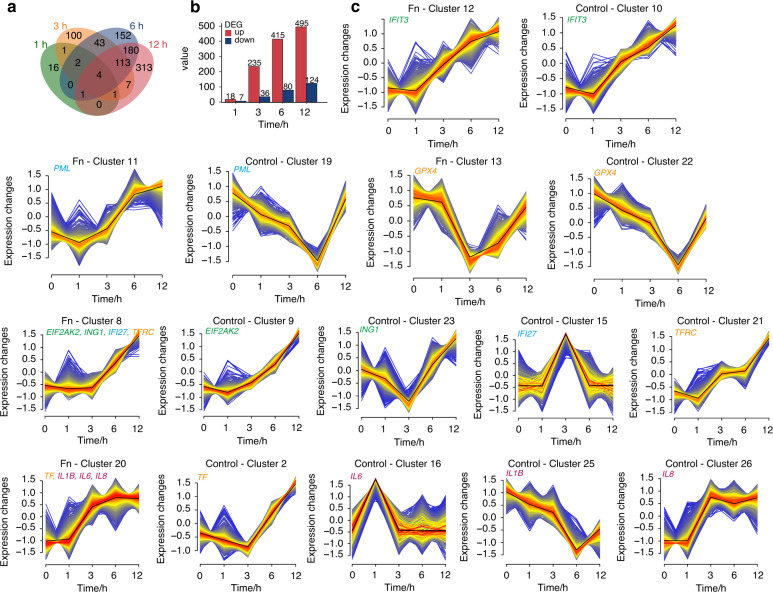
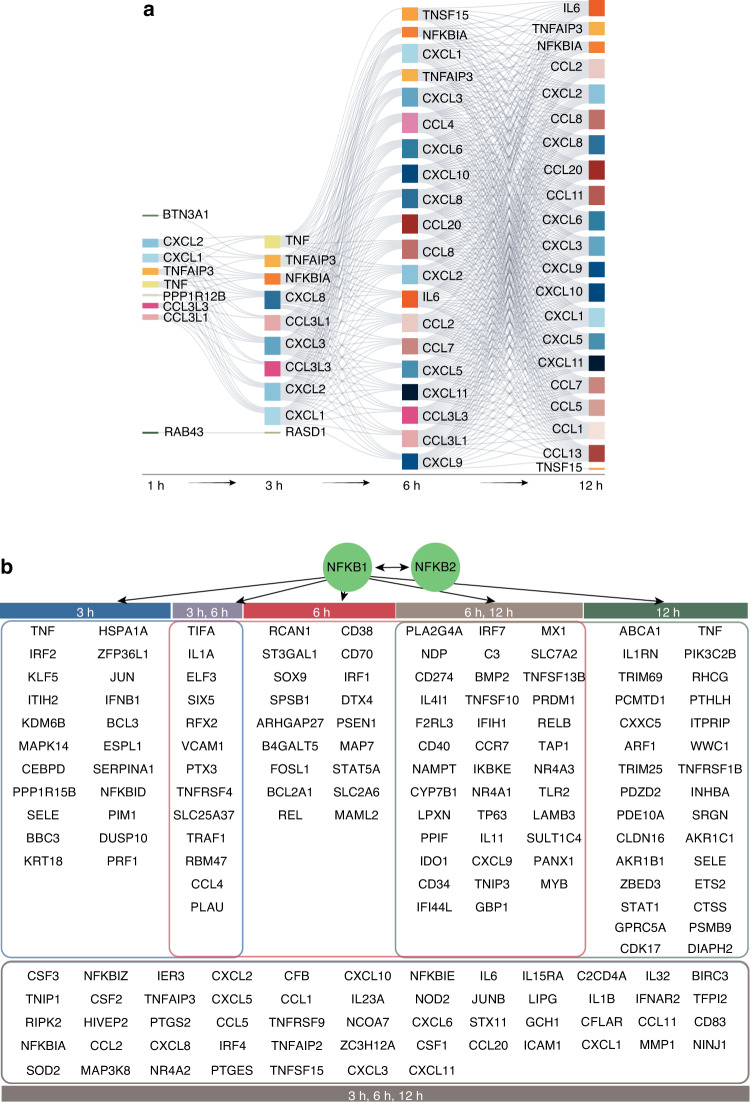
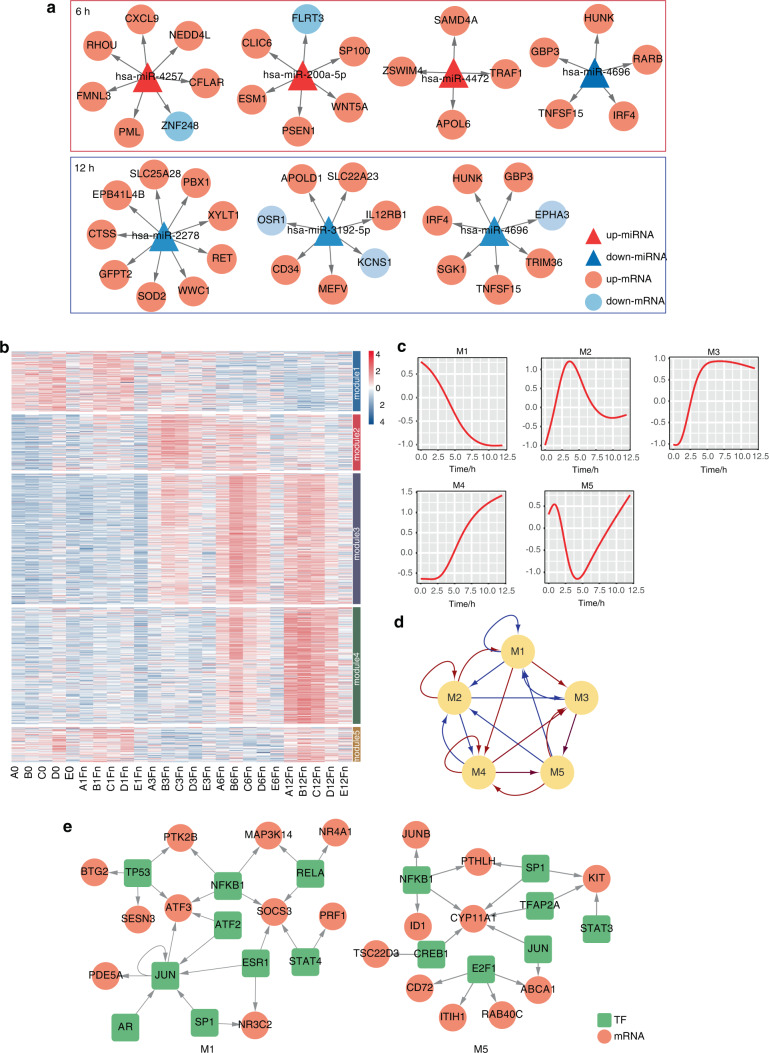
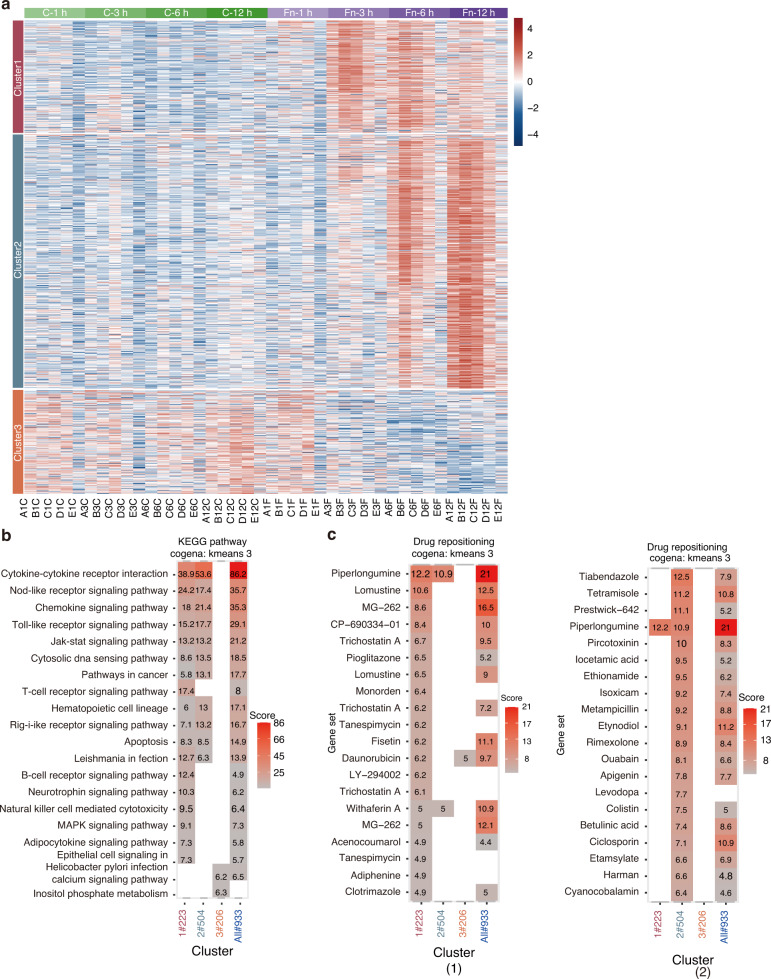
Fusobacterium nucleatum (F. nucleatum) is an early pathogenic colonizer in periodontitis, but the host response to infection with this pathogen remains unclear. In this study, we built an F. nucleatum infectious model with human periodontal ligament stem cells (PDLSCs) and showed that F. nucleatum could inhibit proliferation, and facilitate apoptosis, ferroptosis, and inflammatory cytokine production in a dose-dependent manner. The F. nucleatum adhesin FadA acted as a proinflammatory virulence factor and increased the expression of interleukin(IL)-1β, IL-6 and IL-8. Further study showed that FadA could bind with PEBP1 to activate the Raf1-MAPK and IKK-NF-κB signaling pathways. Time-course RNA-sequencing analyses showed the cascade of gene activation process in PDLSCs with increasing durations of F. nucleatum infection. NFκB1 and NFκB2 upregulated after 3 h of F. nucleatum-infection, and the inflammatory-related genes in the NF-κB signaling pathway were serially elevated with time. Using computational drug repositioning analysis, we predicted and validated that two potential drugs (piperlongumine and fisetin) could attenuate the negative effects of F. nucleatum-infection. Collectively, this study unveils the potential pathogenic mechanisms of F. nucleatum and the host inflammatory response at the early stage of F. nucleatum infection.
具核梭杆菌(Fusobacterium nucleatum)是牙周炎的早期致病性定植菌,但宿主对这种病原体感染的反应仍不清楚。在本研究中,我们构建了具核梭杆菌感染人牙周膜干细胞(PDLSCs)的模型,并表明具核梭杆菌可以以剂量依赖的方式抑制增殖,并促进细胞凋亡、铁死亡和炎性细胞因子的产生。具核梭杆菌黏附素 FadA 作为一种促炎毒力因子,增加了白细胞介素(IL)-1β、IL-6 和 IL-8 的表达。进一步的研究表明,FadA 可以与 PEBP1 结合,激活 Raf1-MAPK 和 IKK-NF-κB 信号通路。时间过程 RNA 测序分析显示了 PDLSCs 中随着具核梭杆菌感染时间的延长基因激活过程的级联反应。在具核梭杆菌感染 3 小时后,NFκB1 和 NFκB2 上调,NF-κB 信号通路中的炎症相关基因随时间呈序列性升高。通过计算药物再定位分析,我们预测并验证了两种潜在药物(胡椒碱和非瑟酮)可以减轻具核梭杆菌感染的负面影响。综上所述,本研究揭示了具核梭杆菌的潜在致病机制以及宿主在具核梭杆菌感染早期的炎症反应。