Department of Chemical and Petroleum Engineering, Fluminense Federal University, R. Passos da Patria 156, Niterói 24210-140, RJ, Brazil.
School of Chemistry, Federal University of Rio de Janeiro, Av. Athos da Silveira Ramos, 149, Ilha do Fundão 21941-972, RJ, Brazil.
Molecules. 2023 Jan 18;28(3):948. doi: 10.3390/molecules28030948.
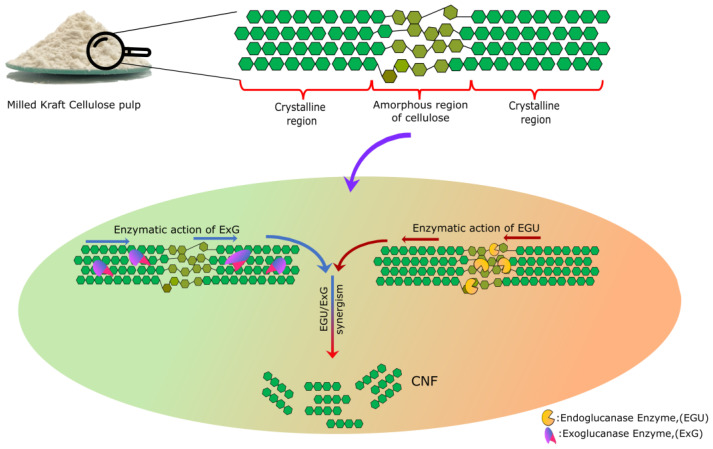
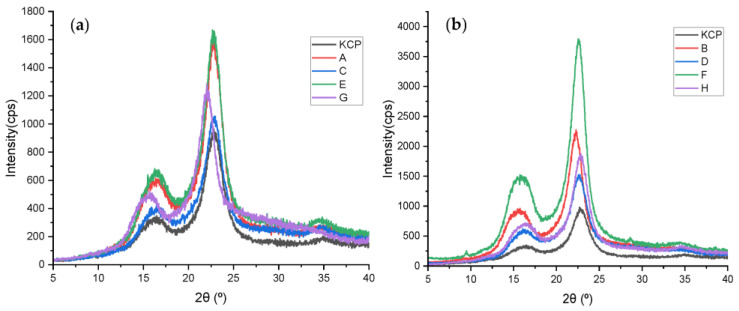
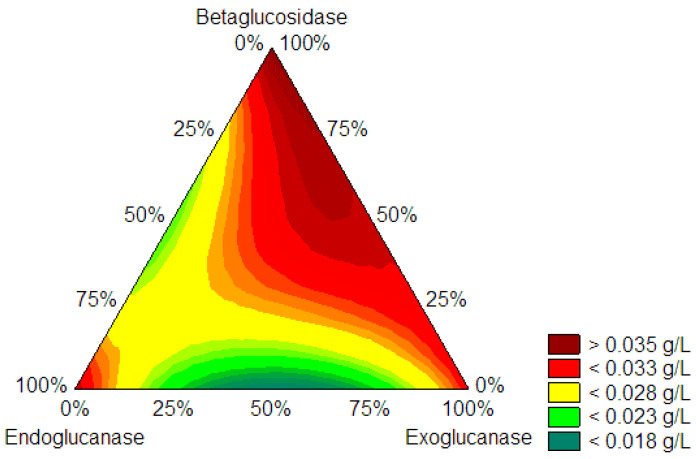
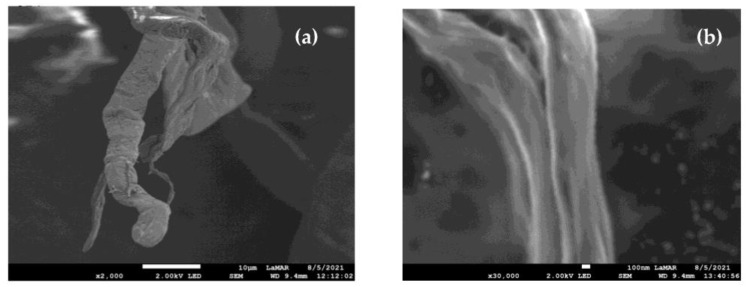
A study to produce cellulose nanofibrils (CNF) from kraft cellulose pulp was conducted using a centroid simplex mixture design. The enzyme blend contains 69% endoglucanase and 31% exoglucanase. The central composite rotational design (CCRD) optimized the CNF production process by achieving a higher crystallinity index. It thus corresponded to a solid loading of 15 g/L and an enzyme loading of 0.974. Using the Segal formula, the crystallinity index (CrI) of the CNF was determined by X-ray diffraction to be 80.87%. The average diameter of the CNF prepared by enzymatic hydrolysis was 550-600 nm, while the one produced by enzymatic hydrolysis and with ultrasonic dispersion was 250-300 nm. Finally, synergistic interactions between the enzymes involved in nanocellulose production were demonstrated, with Colby factor values greater than one.
采用重心单纯形混合设计,对从硫酸盐纤维素浆粕中制备纤维素纳米纤维(CNF)进行了研究。该酶混合物包含 69%内切葡聚糖酶和 31%外切葡聚糖酶。通过实现更高的结晶度指数,中心复合旋转设计(CCRD)优化了 CNF 的生产工艺。因此,对应的固体负荷为 15 g/L,酶负荷为 0.974。使用 Segal 公式,通过 X 射线衍射法确定 CNF 的结晶度指数(CrI)为 80.87%。通过酶水解制备的 CNF 的平均直径为 550-600nm,而通过酶水解和超声分散制备的 CNF 的平均直径为 250-300nm。最后,证明了参与纳米纤维素生产的酶之间存在协同作用,科尔比因子值大于 1。