Institute of Theoretical and Experimental Biophysics of the Russian Academy of Sciences, 3 Institutskaya St., Pushchino 142290, Russia.
Kurnakov Institute of General and Inorganic Chemistry of the Russian Academy of Sciences, 31 Leninskiy Prosp., Moscow 119991, Russia.
Molecules. 2023 Jan 24;28(3):1165. doi: 10.3390/molecules28031165.
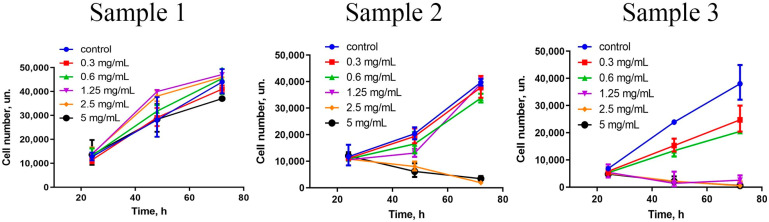
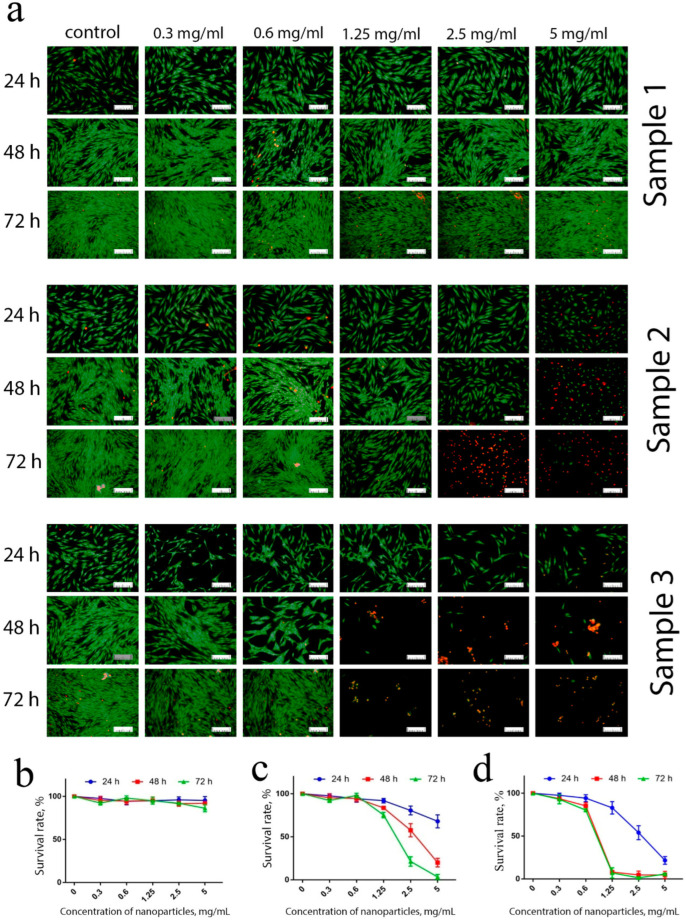
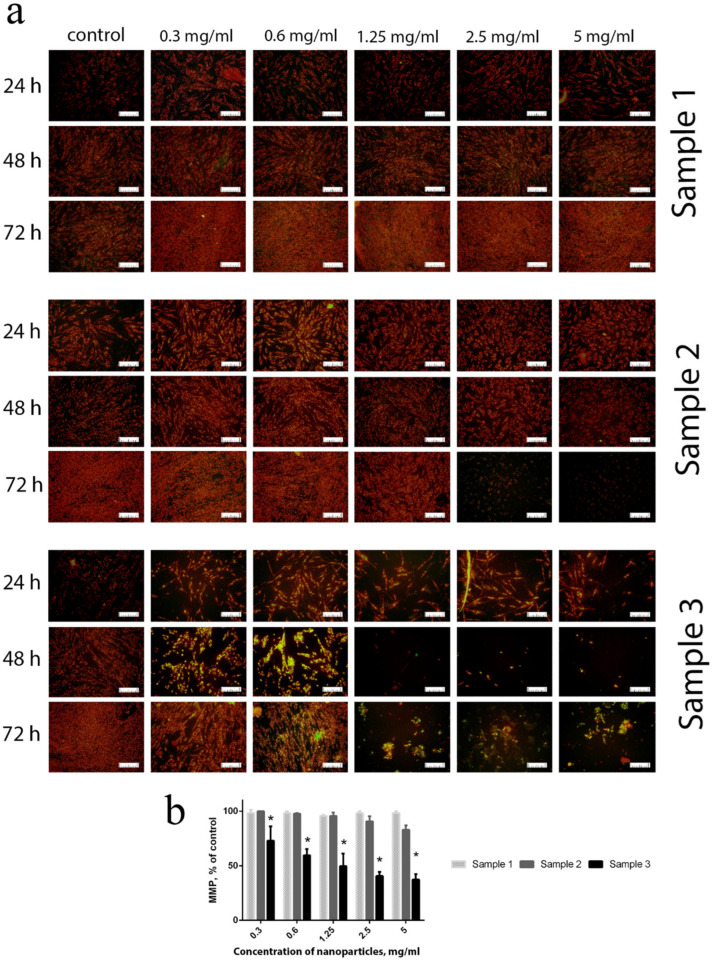
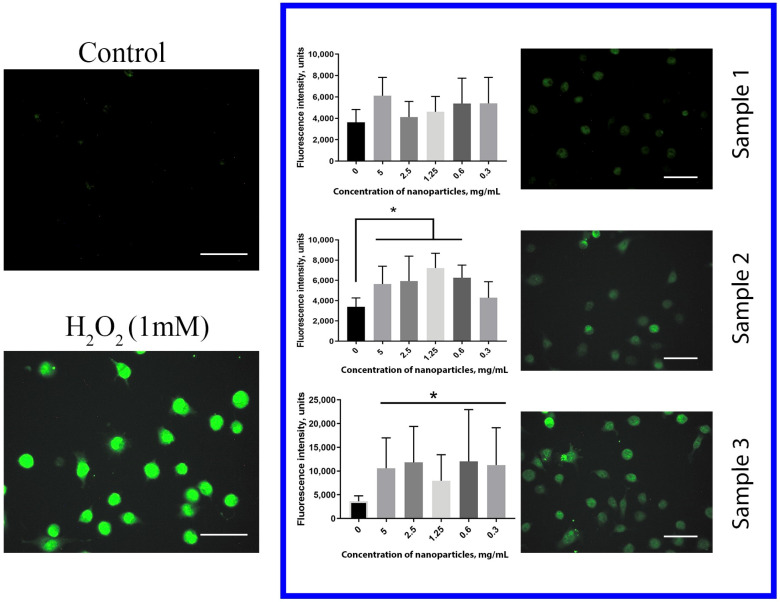
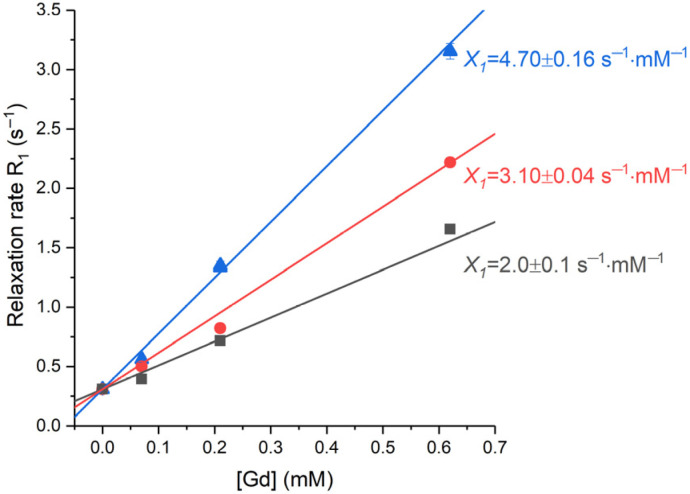
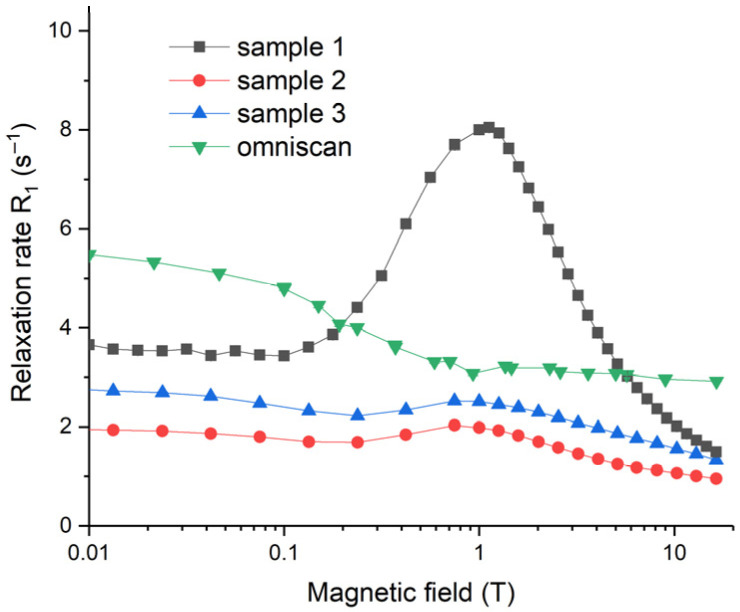
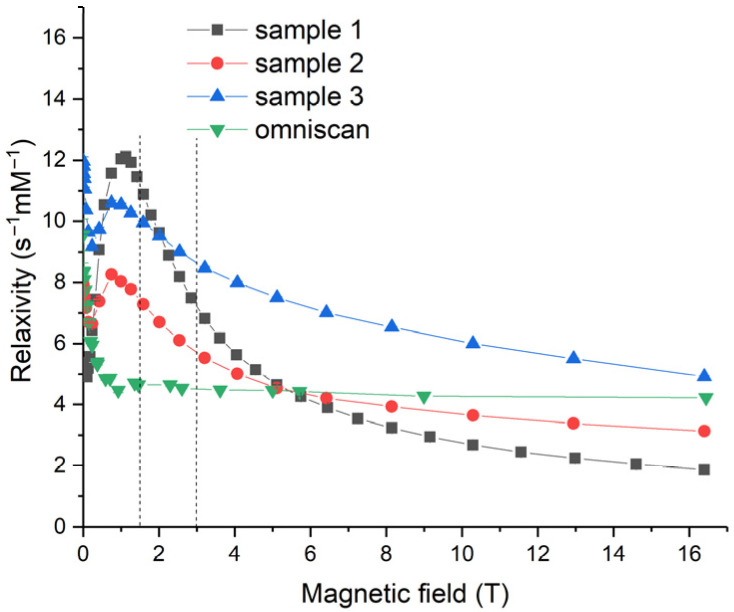
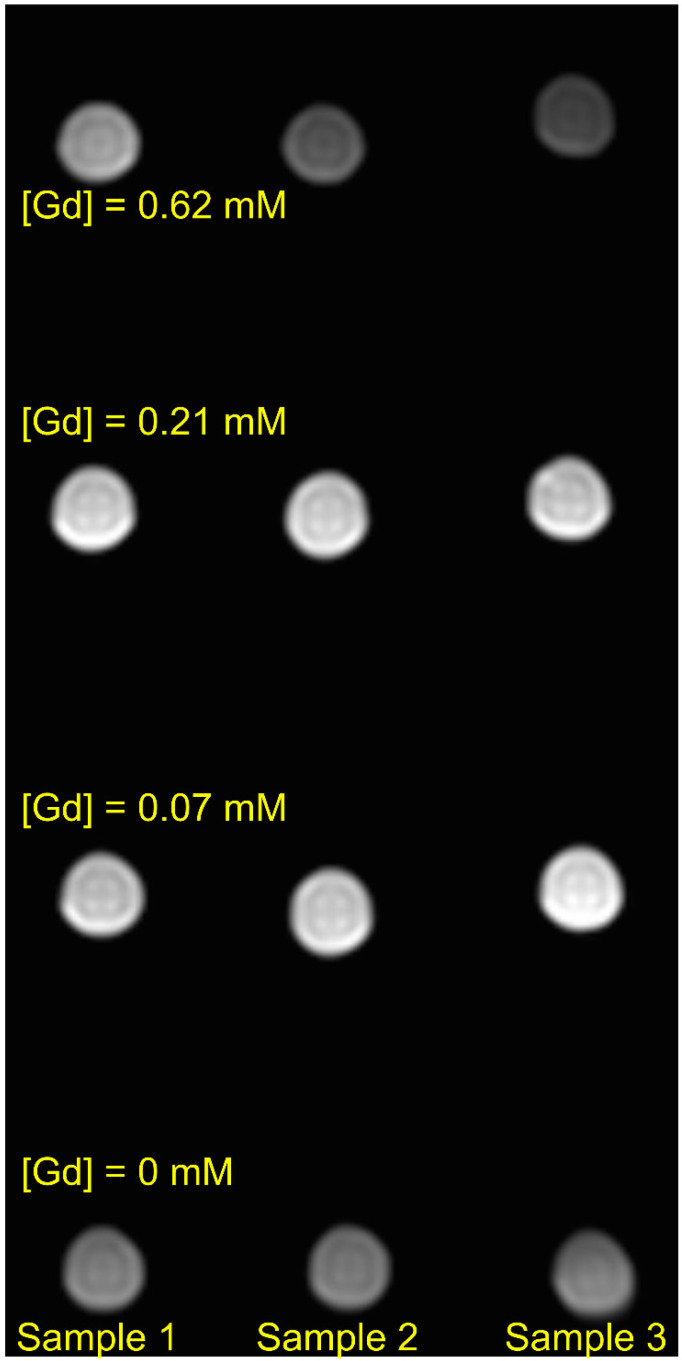
Recently, human mesenchymal stem cells (hMSc) have attracted a great deal of attention as potential therapeutic agents in the treatment of socially significant diseases. Despite substantial advances in stem-cell therapy, the biological mechanisms of hMSc action after transplantation remain unclear. The use of magnetic resonance imaging (MRI) as a non-invasive method for tracking stem cells in the body is very important for analysing their distribution in tissues and organs, as well as for ensuring control of their lifetime after injection. Herein, detailed experimental data are reported on the biocompatibility towards hMSc of heavily gadolinium-doped cerium oxide nanoparticles (CeGdO) synthesised using two synthetic protocols. The relaxivity of the nanoparticles was measured in a magnetic field range from 1 mT to 16.4 T. The relaxivity values ( = 11 ± 1.2 mM s and = 7 ± 1.2 mM s in magnetic fields typical of 1.5 and 3 T MRI scanners, respectively) are considerably higher than those of the commercial Omniscan MRI contrast agent. The low toxicity of gadolinium-doped ceria nanoparticles to hMSc enables their use as an effective theranostic tool with improved MRI-contrasting properties.
最近,间充质干细胞(hMSc)作为治疗具有重要社会意义的疾病的潜在治疗剂引起了广泛关注。尽管在干细胞治疗方面取得了重大进展,但 hMSc 移植后作用的生物学机制仍不清楚。使用磁共振成像(MRI)作为一种非侵入性方法来跟踪体内的干细胞对于分析它们在组织和器官中的分布以及确保在注射后对其寿命进行控制非常重要。本文详细报道了两种合成方案合成的重镧掺杂氧化铈纳米粒子(CeGdO)对 hMSc 的生物相容性的实验数据。在磁场范围为 1 mT 至 16.4 T 的情况下测量了纳米粒子的弛豫率。弛豫率值(分别在磁场为 1.5 和 3 T 的 MRI 扫描仪典型值下为 11 ± 1.2 mM s 和 7 ± 1.2 mM s)远高于商用 Omniscan MRI 造影剂的值。镧掺杂氧化铈纳米粒子对 hMSc 的低毒性使其可用作具有改进的 MRI 对比特性的有效治疗诊断工具。