Peng Bo, Hao Yifan, Si Chao, Wang Bo, Luo Chengfeng, Chen Menghao, Luo Cheng, Gong Baijuan, Li Zhimin
Department of Oral Radiology, School of Stomatology, China Medical University, Shenyang 110002, P. R. China.
Department of Oral Radiology, Hospital of Stomatology, Jilin University, Changchun 130021, P. R. China.
ACS Omega. 2023 Jan 25;8(5):4736-4746. doi: 10.1021/acsomega.2c06714. eCollection 2023 Feb 7.
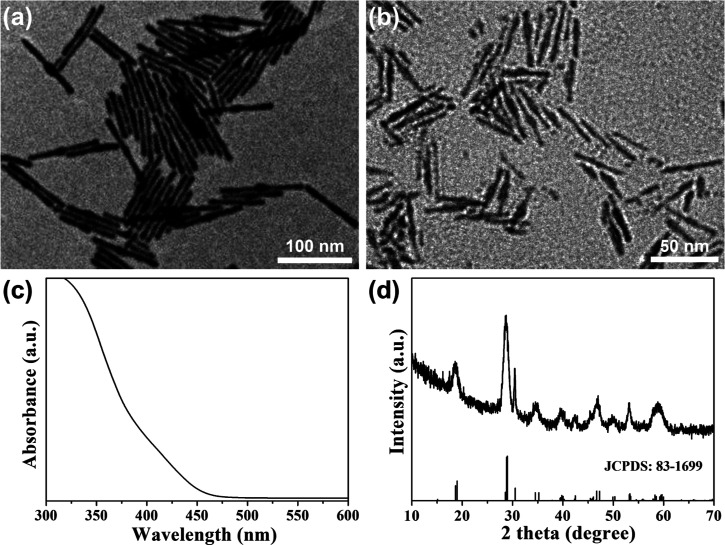
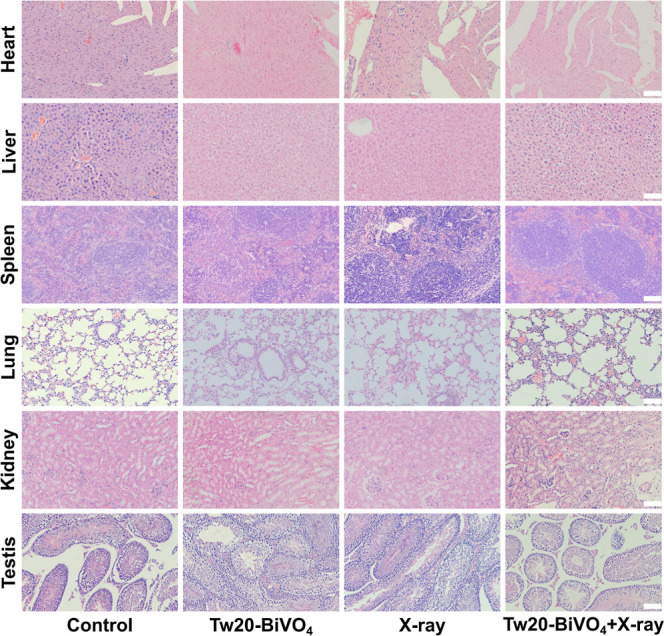
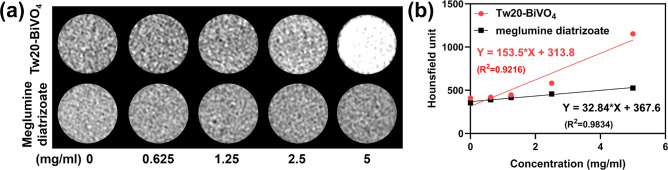
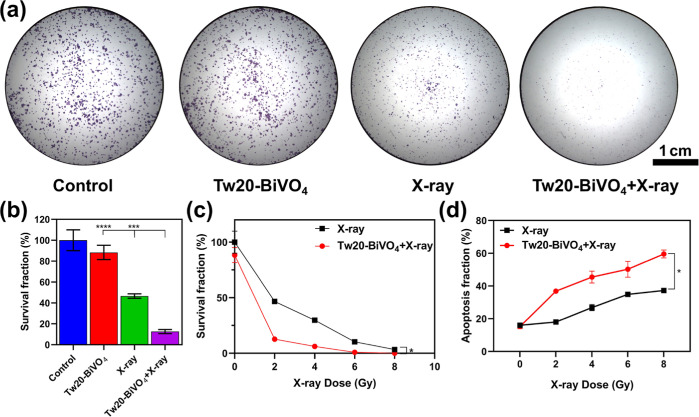
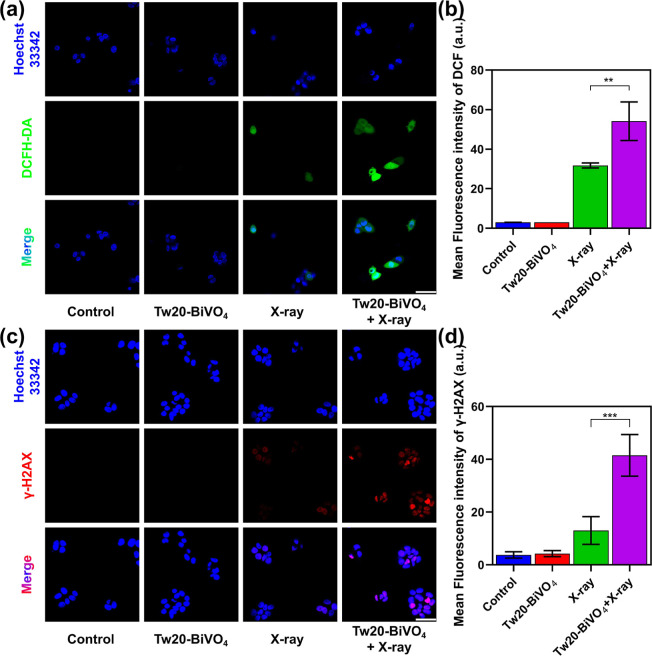
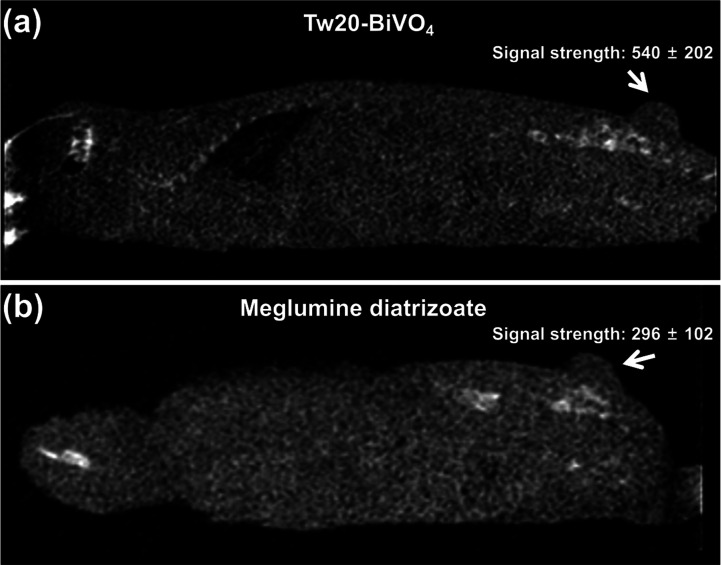
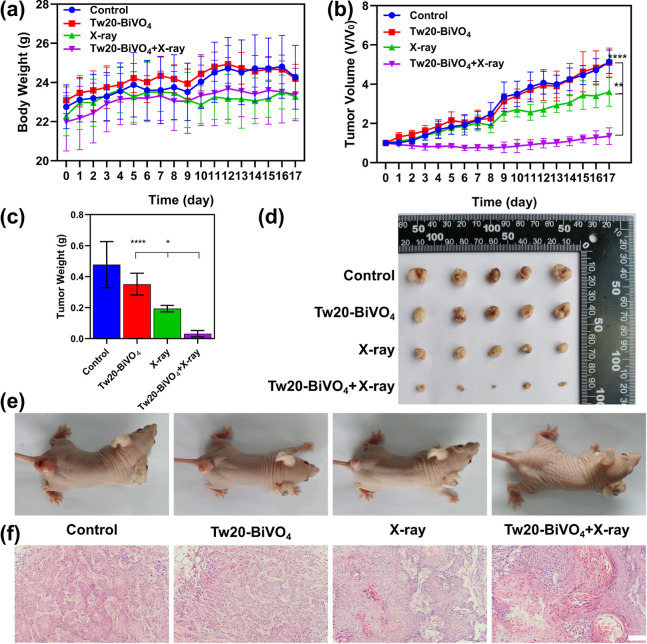
Oral cancer is the most common malignant tumor in the oral and maxillofacial region, which seriously threatens the health of patients. At present, radiotherapy is one of the commonly used methods for oral cancer treatment. However, the resistance of cancerous tissues to ionizing radiation, as well as the side effects of X-rays on healthy tissues, still limit the application of radiotherapy. Therefore, how to effectively solve the above problems is still a challenge at present. Generally speaking, elements with high atomic numbers, such as bismuth, tungsten, and iodine, have a high X-ray attenuation capacity. Using nanomaterials containing these elements as radiosensitizers can greatly improve the radiotherapy effect. At the same time, the modification of nanomaterials based on the above elements with the biocompatible polymer can effectively reduce the side effects of radiosensitizers, providing a new method for the realization of efficient and safe radiotherapy for oral cancer. In this work, we prepared Tween-20-modified BiVO nanorods (Tw20-BiVO NRs) and further used them in the radiotherapy of human tongue squamous cell carcinoma. Tw20-BiVO NRs are promising radiosensitizers, which can generate a large number of free radicals under X-rays, leading to the damage of cancer cells and thus playing a role in tumor therapy. In cell experiments, radiotherapy sensitization of Tw20-BiVO NRs significantly enhanced the production of free radicals in oral cancer cells, aggravated the destruction of chromosomes, and improved the therapeutic effect of radiotherapy. In animal experiments, the strong X-ray absorption ability of Tw20-BiVO NRs makes them effective contrast agents in computed tomography (CT) imaging. After the tumors are located by CT imaging, it helps to apply precise radiotherapy; the growth of subcutaneous tumors in nude mice was significantly inhibited, confirming the remarkable effect of CT imaging-guided radiotherapy.
口腔癌是口腔颌面部最常见的恶性肿瘤,严重威胁患者健康。目前,放射治疗是口腔癌常用的治疗方法之一。然而,癌组织对电离辐射的抗性以及X射线对健康组织的副作用,仍然限制了放射治疗的应用。因此,如何有效解决上述问题仍是目前面临的一项挑战。一般来说,高原子序数的元素,如铋、钨和碘,具有较高的X射线衰减能力。使用含有这些元素的纳米材料作为放射增敏剂可以大大提高放射治疗效果。同时,用生物相容性聚合物对基于上述元素的纳米材料进行修饰,可以有效降低放射增敏剂的副作用,为实现口腔癌高效、安全的放射治疗提供了一种新方法。在这项工作中,我们制备了吐温-20修饰的BiVO纳米棒(Tw20-BiVO NRs),并将其进一步用于人舌鳞状细胞癌的放射治疗。Tw20-BiVO NRs是很有前景的放射增敏剂,其在X射线下可产生大量自由基,导致癌细胞损伤,从而在肿瘤治疗中发挥作用。在细胞实验中,Tw20-BiVO NRs的放射增敏作用显著增强了口腔癌细胞中自由基的产生,加剧了染色体的破坏,提高了放射治疗效果。在动物实验中,Tw20-BiVO NRs较强的X射线吸收能力使其成为计算机断层扫描(CT)成像中的有效造影剂。通过CT成像定位肿瘤后,有助于进行精确放射治疗;裸鼠皮下肿瘤的生长受到显著抑制,证实了CT成像引导下放射治疗的显著效果。