Karczewski Konrad J, Solomonson Matthew, Chao Katherine R, Goodrich Julia K, Tiao Grace, Lu Wenhan, Riley-Gillis Bridget M, Tsai Ellen A, Kim Hye In, Zheng Xiuwen, Rahimov Fedik, Esmaeeli Sahar, Grundstad A Jason, Reppell Mark, Waring Jeff, Jacob Howard, Sexton David, Bronson Paola G, Chen Xing, Hu Xinli, Goldstein Jacqueline I, King Daniel, Vittal Christopher, Poterba Timothy, Palmer Duncan S, Churchhouse Claire, Howrigan Daniel P, Zhou Wei, Watts Nicholas A, Nguyen Kevin, Nguyen Huy, Mason Cara, Farnham Christopher, Tolonen Charlotte, Gauthier Laura D, Gupta Namrata, MacArthur Daniel G, Rehm Heidi L, Seed Cotton, Philippakis Anthony A, Daly Mark J, Davis J Wade, Runz Heiko, Miller Melissa R, Neale Benjamin M
Program in Medical and Population Genetics, Broad Institute of MIT and Harvard, Cambridge, MA 02142, USA.
Analytic and Translational Genetics Unit, Massachusetts General Hospital, Boston, MA 02114, USA.
Cell Genom. 2022 Aug 15;2(9):100168. doi: 10.1016/j.xgen.2022.100168. eCollection 2022 Sep 14.
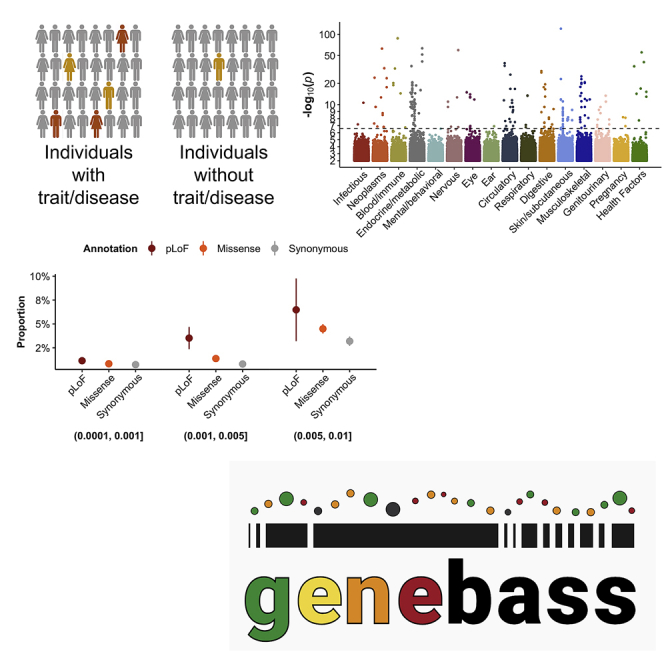
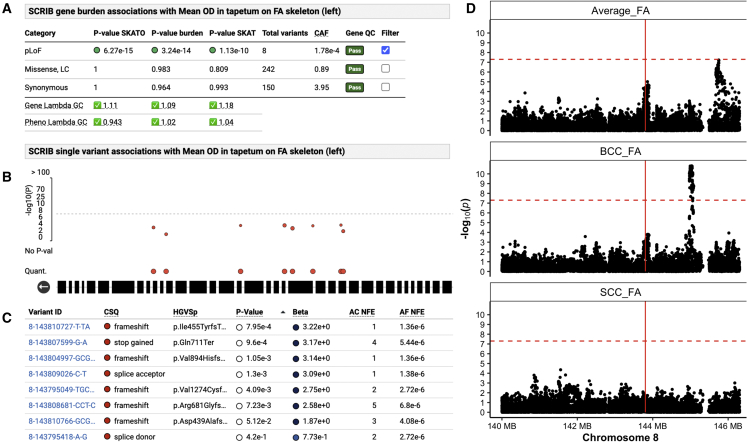
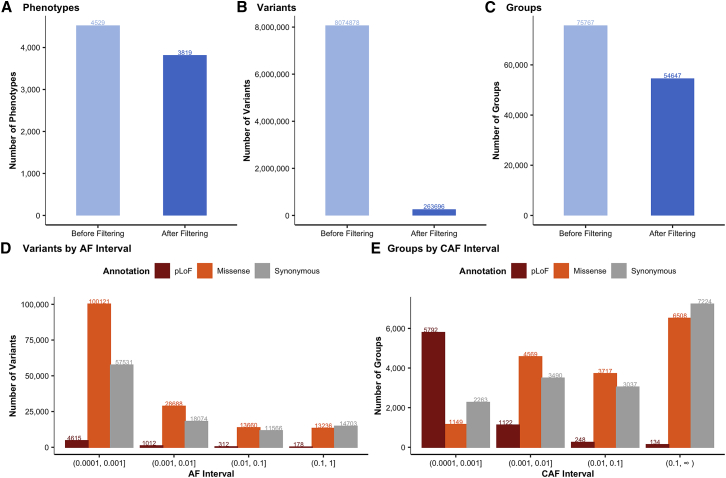
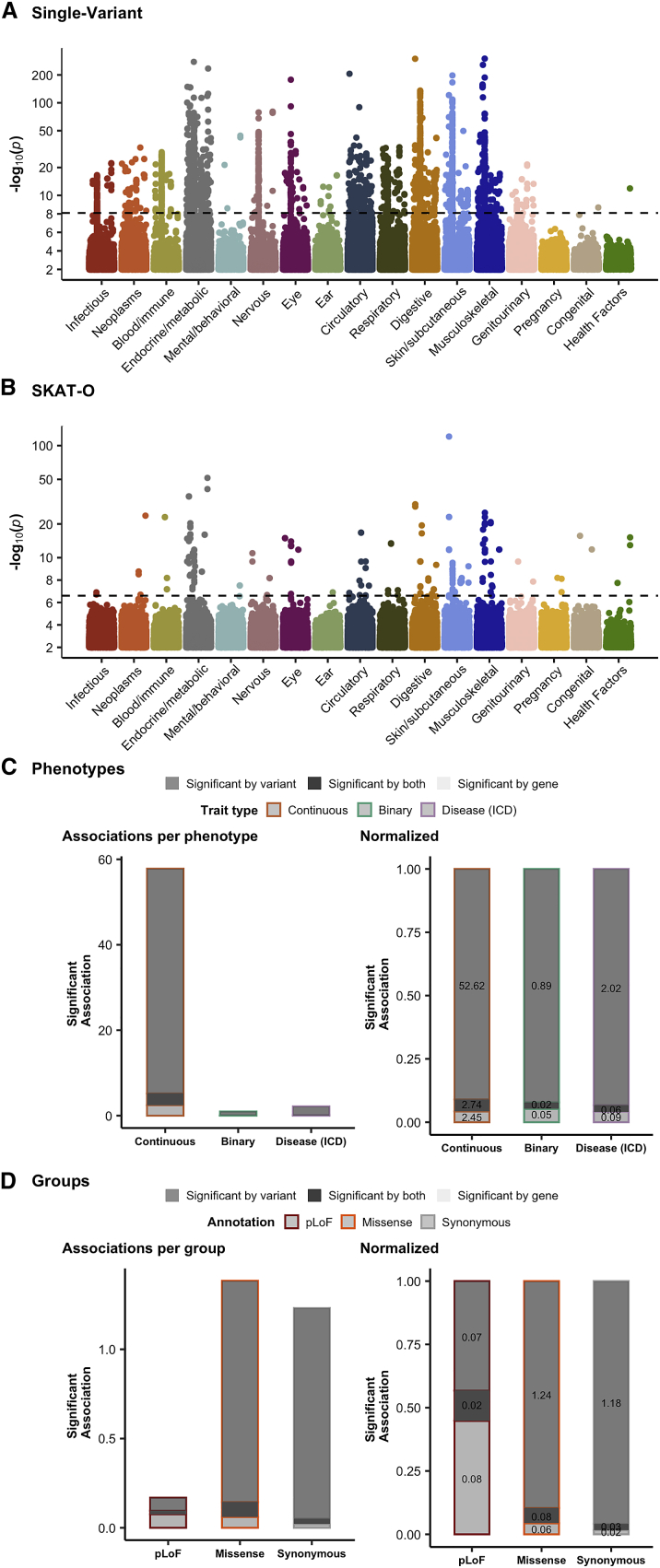
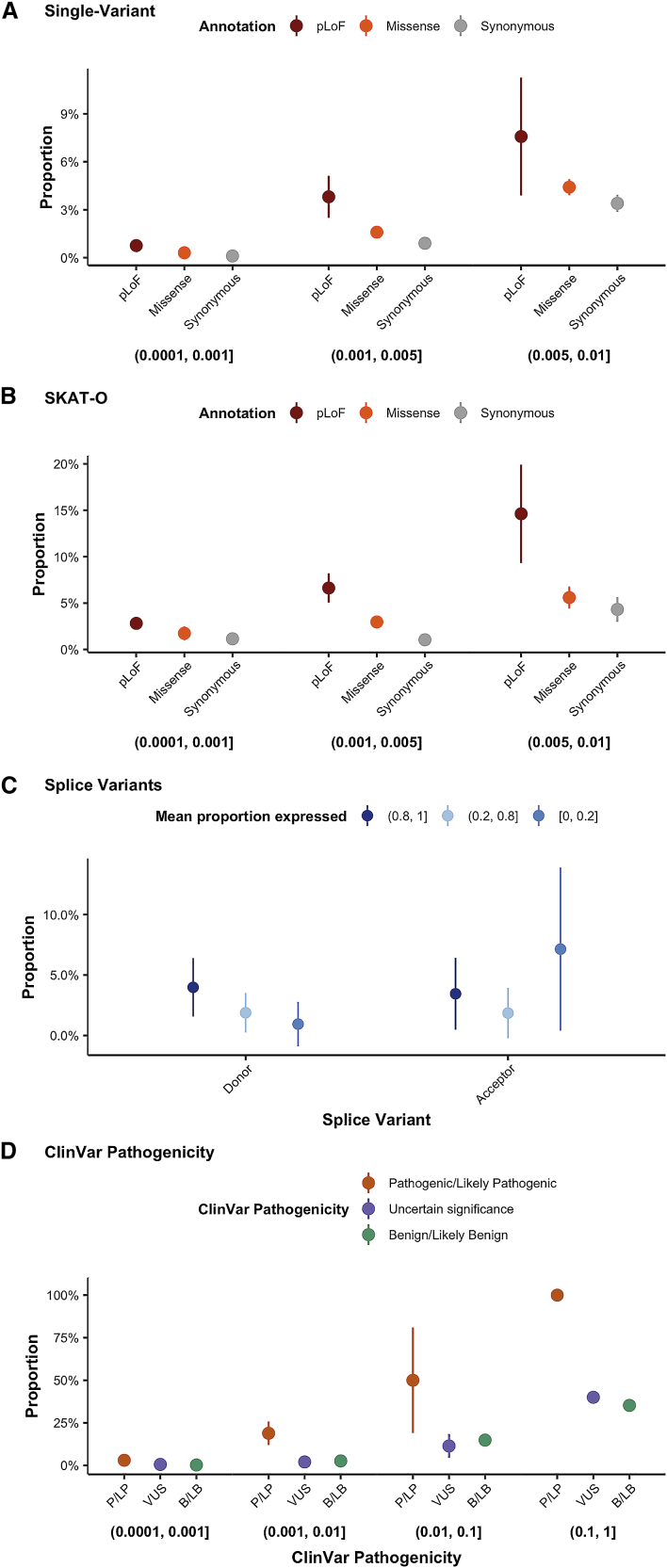
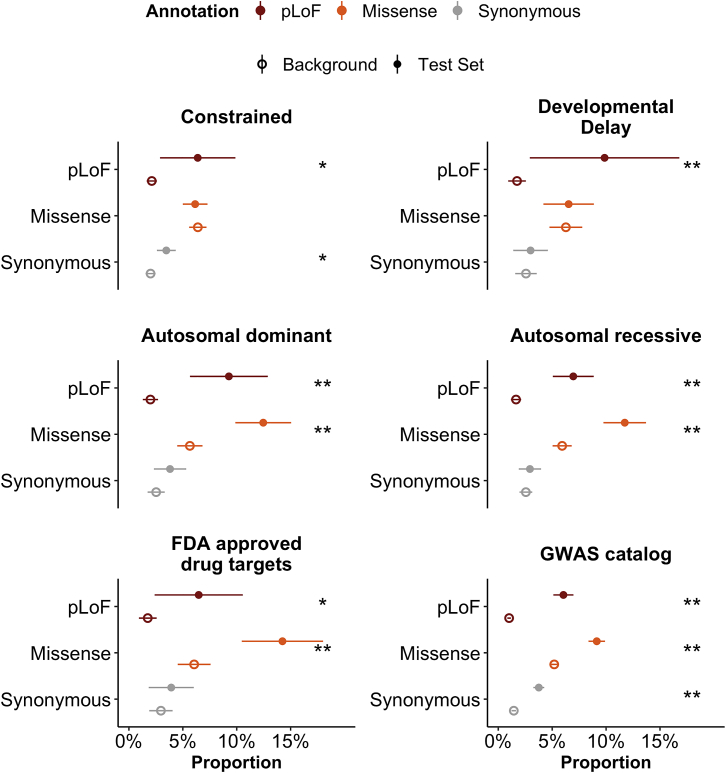
Genome-wide association studies have successfully discovered thousands of common variants associated with human diseases and traits, but the landscape of rare variations in human disease has not been explored at scale. Exome-sequencing studies of population biobanks provide an opportunity to systematically evaluate the impact of rare coding variations across a wide range of phenotypes to discover genes and allelic series relevant to human health and disease. Here, we present results from systematic association analyses of 4,529 phenotypes using single-variant and gene tests of 394,841 individuals in the UK Biobank with exome-sequence data. We find that the discovery of genetic associations is tightly linked to frequency and is correlated with metrics of deleteriousness and natural selection. We highlight biological findings elucidated by these data and release the dataset as a public resource alongside the Genebass browser for rapidly exploring rare-variant association results.
全基因组关联研究已成功发现了数千种与人类疾病和性状相关的常见变异,但人类疾病中罕见变异的情况尚未得到大规模探索。人群生物样本库的外显子组测序研究提供了一个机会,可系统评估广泛表型中罕见编码变异的影响,以发现与人类健康和疾病相关的基因和等位基因系列。在此,我们展示了对英国生物样本库中394,841名个体的外显子组序列数据进行单变异和基因检测,对4529种表型进行系统关联分析的结果。我们发现,遗传关联的发现与频率紧密相关,并且与有害性和自然选择指标相关。我们强调了这些数据所阐明的生物学发现,并将数据集作为公共资源发布,同时发布Genebass浏览器以快速探索罕见变异关联结果。