Gangwar Vibha, Gupta Shweta, Verma Manish, Singh Arvind Kumar, John Nitin, Jasrotia Rajani Bala, Singh Amita
Department of Physiology, Dr. Ram Manohar Lohia Institute of Medical Sciences, Lucknow, IND.
Department of Physiology, Prasad Institute of Medical Sciences, Lucknow, IND.
Cureus. 2023 Jan 9;15(1):e33566. doi: 10.7759/cureus.33566. eCollection 2023 Jan.
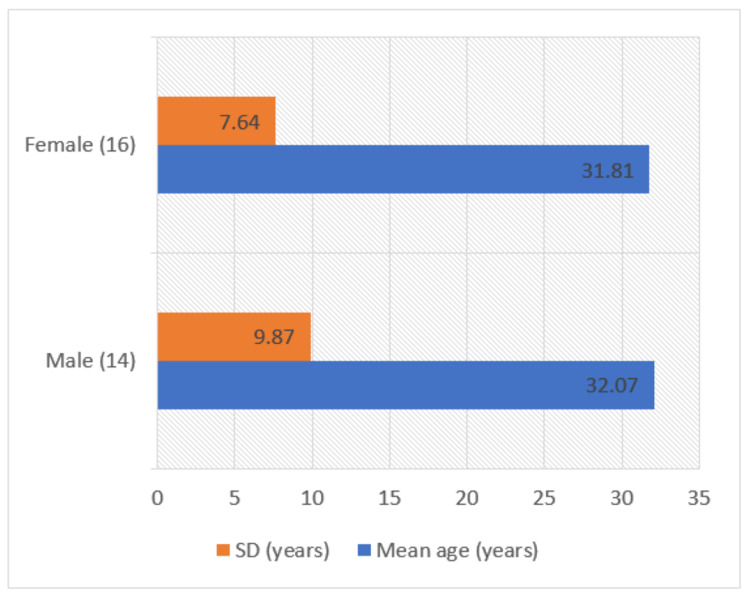
Background This study aimed to estimate the association of autonomic balance with the duration of phone calls in healthy individuals. Methodology A total of 30 subjects aged between 18 and 30 years without any established systemic disease and using mobile phones for more than five years with minimum daily usage of 30 minutes were included in this analytical study. Heart rate variability (HRV) was recorded using a three-channel physiograph (AD Instruments South Asia (India) Pvt. Ltd., New Delhi, India) with the software LabChart PROV8.1.8 with HRV Module version 2.0.3 for 10 minutes. Time domain parameters were recorded in terms of the standard deviation of normal to normal interval (SDNN), root mean square of successive differences between normal heartbeats (RMSSD), R-R intervals greater than 50 ms (pRR50), and mean heart rate (MHR), and frequency domain parameters were total power, low-frequency power (LF), high-frequency power (HF), and the ratio of low-frequency to high-frequency power (LF/HF). HRV was recorded three times in each subject that included baseline HRV, HRV during the use of a mobile phone, and HRV after the use of a mobile phone. Results A total of 30 subjects (14 males and 16 females) participated in this study. The mean age of participants was 31.93 ± 8.59 years (32.07 ± 9.87 years for males, and 31.81 ± 7.64 years for females). There were no findings of significant arrhythmia in any of the participants. There was a significant difference in pRR50 on comparing all three phases (p = 0.036). However, there was no significant variation in other parameters such as very low frequency (VLF, ms), VLF (%), LF (ms), LF (%), HF (ms), HF (%), LF/HF, SDNN (ms), RMSSD (ms), Poincare plot standard deviation perpendicular to the line of identity (ms), Poincare plot standard deviation along the line of identity (ms), systolic blood pressure (mmHg), and diabolic blood pressure (mmHg) during, before, and after exposure to mobile phone calls. There was no significant difference in the value of all parameters between males and females (p < 0.05). Conclusions Mobile phone calls may influence HRV and autonomic balance. This change may be affected by the electromagnetic field and by speaking as well.
背景 本研究旨在评估健康个体中自主神经平衡与通话时长之间的关联。
方法 本分析研究共纳入30名年龄在18至30岁之间、无任何确诊全身性疾病且使用手机超过五年、每日最低使用时长为30分钟的受试者。使用三通道生理记录仪(印度新德里AD Instruments南亚私人有限公司)及LabChart PRO V8.1.8软件和HRV模块版本2.0.3记录心率变异性(HRV)10分钟。记录时域参数,包括正常到正常间期的标准差(SDNN)、正常心跳之间连续差值的均方根(RMSSD)、大于50毫秒的R-R间期(pRR50)和平均心率(MHR),频域参数包括总功率、低频功率(LF)、高频功率(HF)以及低频与高频功率之比(LF/HF)。在每个受试者身上记录HRV三次,包括基线HRV、使用手机期间的HRV以及使用手机之后的HRV。
结果 共有30名受试者(14名男性和16名女性)参与本研究。参与者的平均年龄为31.93±8.59岁(男性为32.07±9.87岁,女性为31.81±7.64岁)。所有参与者均未发现明显心律失常。比较所有三个阶段时,pRR50存在显著差异(p = 0.036)。然而,在暴露于手机通话期间、之前和之后,其他参数如极低频(VLF,毫秒)、VLF(%)、LF(毫秒)、LF(%)、HF(毫秒)、HF(%)、LF/HF、SDNN(毫秒)、RMSSD(毫秒)、庞加莱图垂直于恒等线的标准差(毫秒)、庞加莱图沿恒等线的标准差(毫秒)、收缩压(毫米汞柱)和舒张压(毫米汞柱)均无显著变化。男性和女性之间所有参数的值均无显著差异(p < 0.05)。
结论 手机通话可能会影响HRV和自主神经平衡。这种变化可能受到电磁场以及说话的影响。