Department of Chemistry, Faculty of Applied Science, Umm Al-Qura University, Makkah, 21955, Saudi Arabia.
Chemistry Department, Faculty of Science, Assiut University, Assiut, 71516, Egypt.
Sci Rep. 2023 Feb 14;13(1):2585. doi: 10.1038/s41598-023-29715-5.
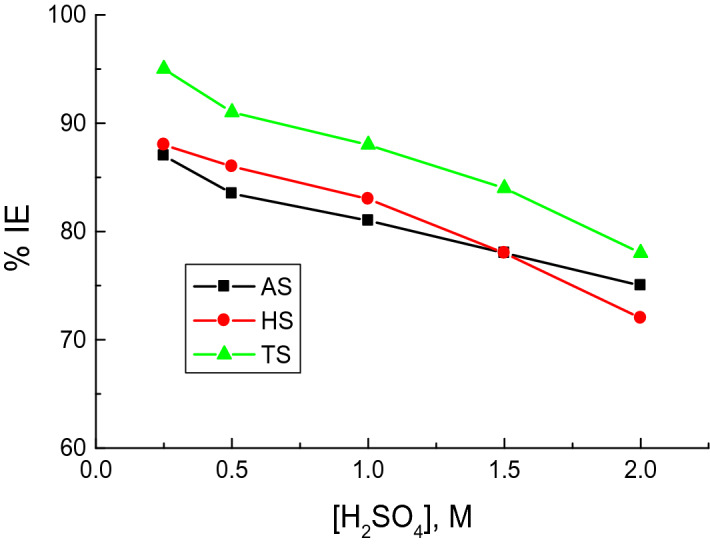
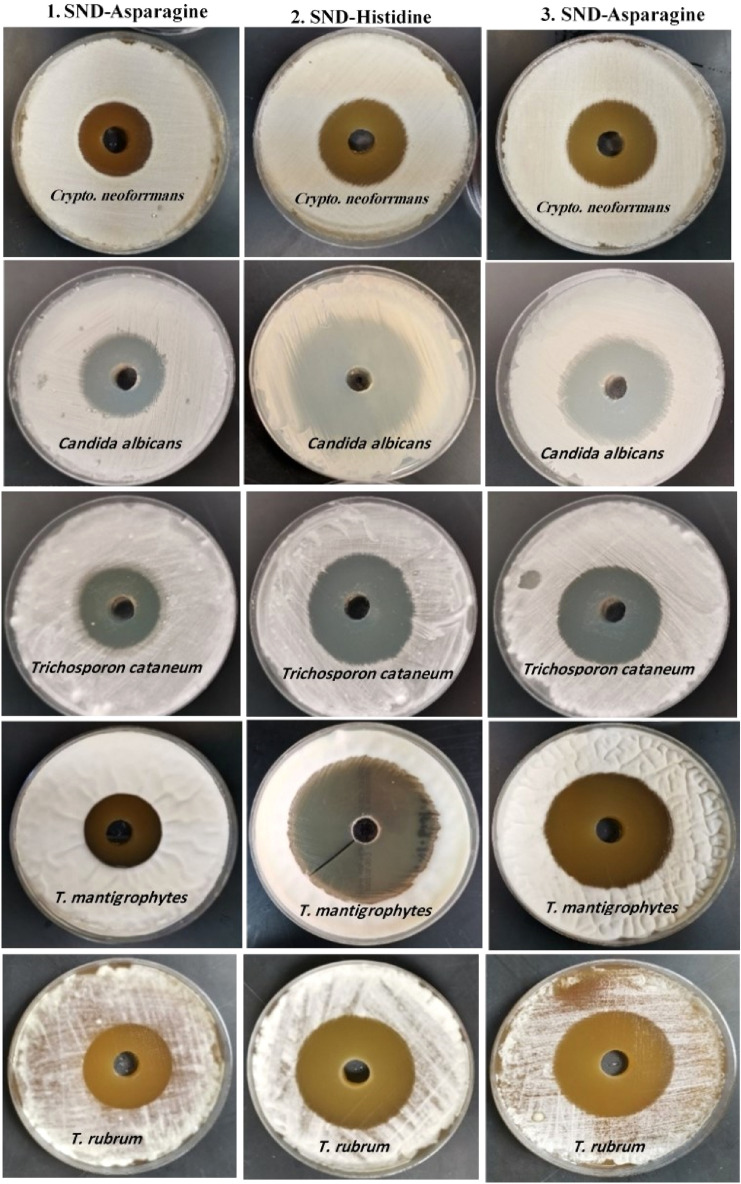
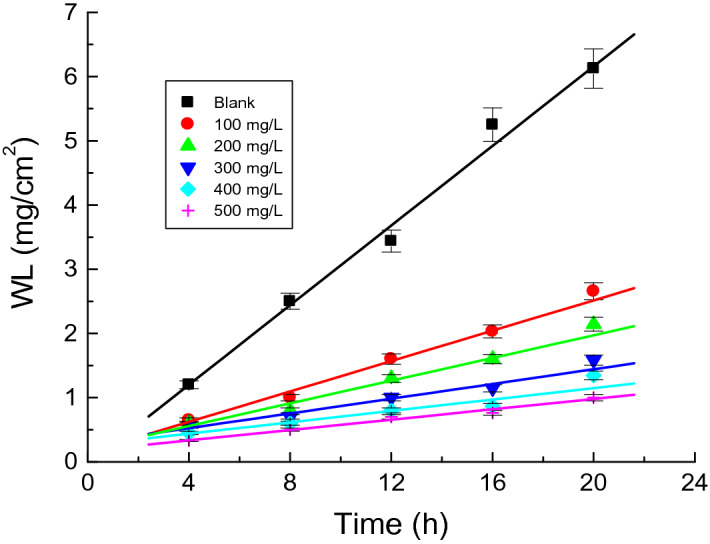
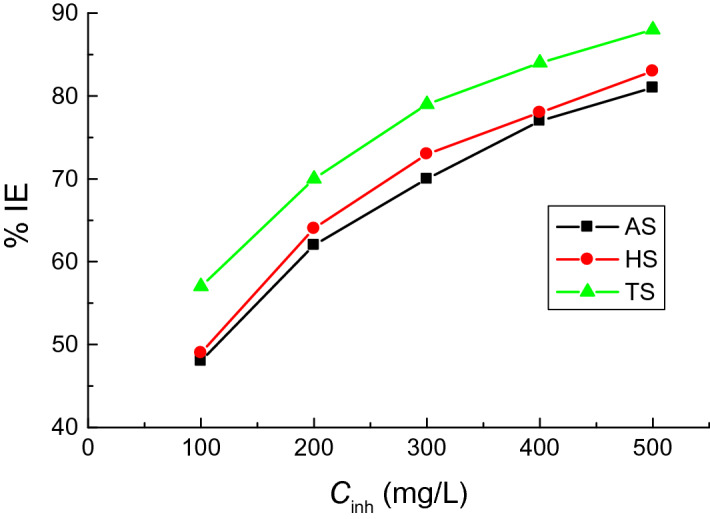
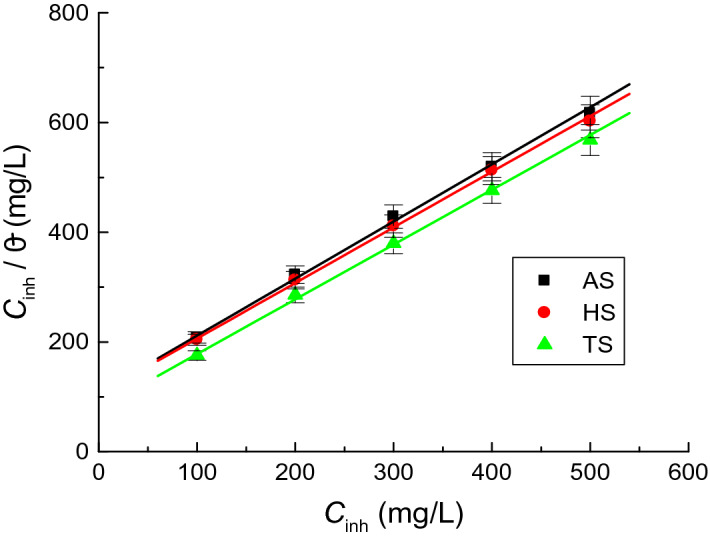
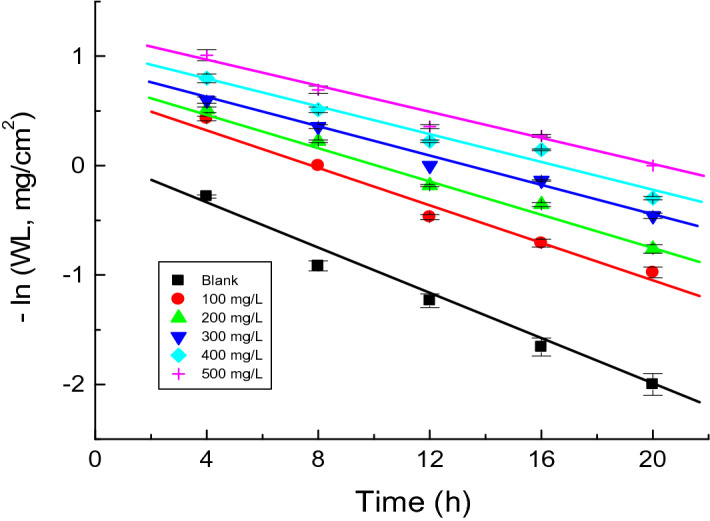
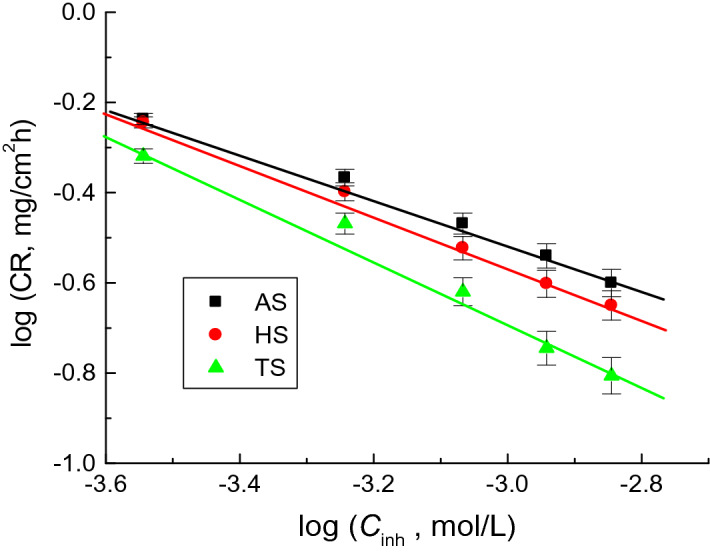
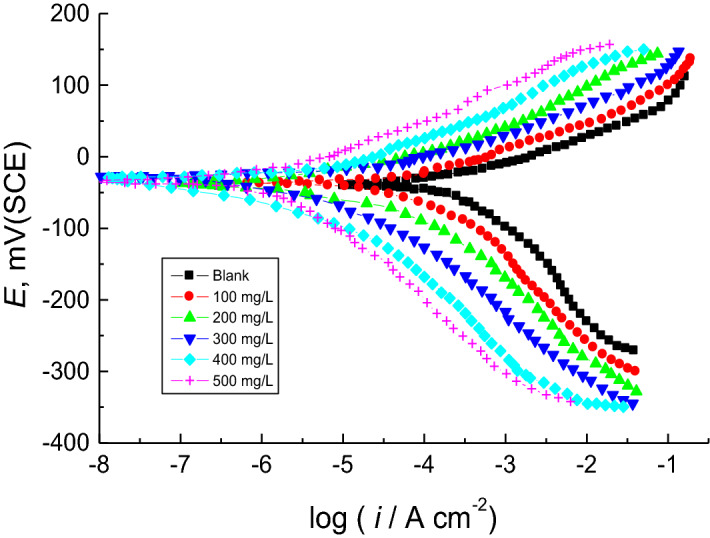
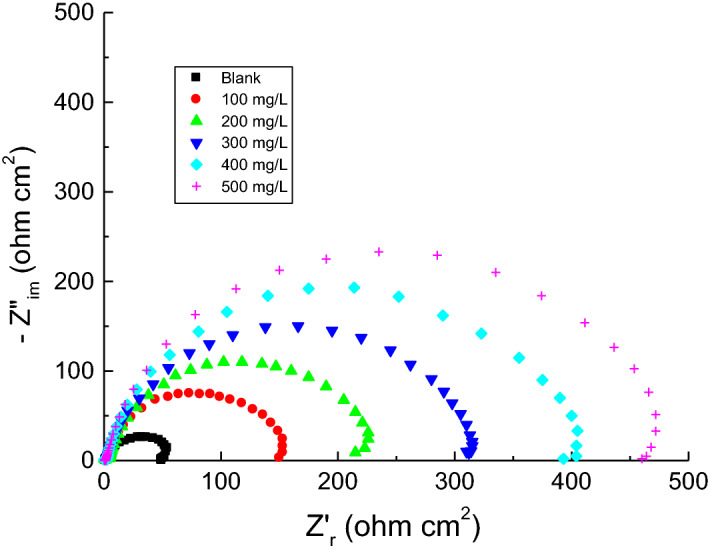
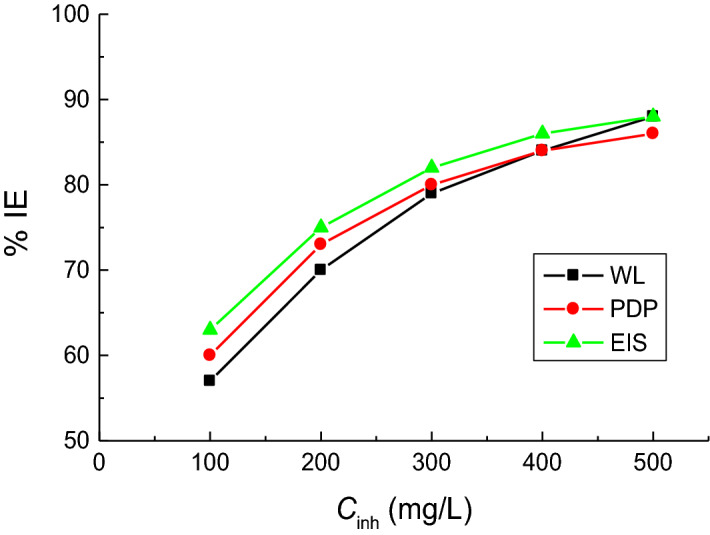
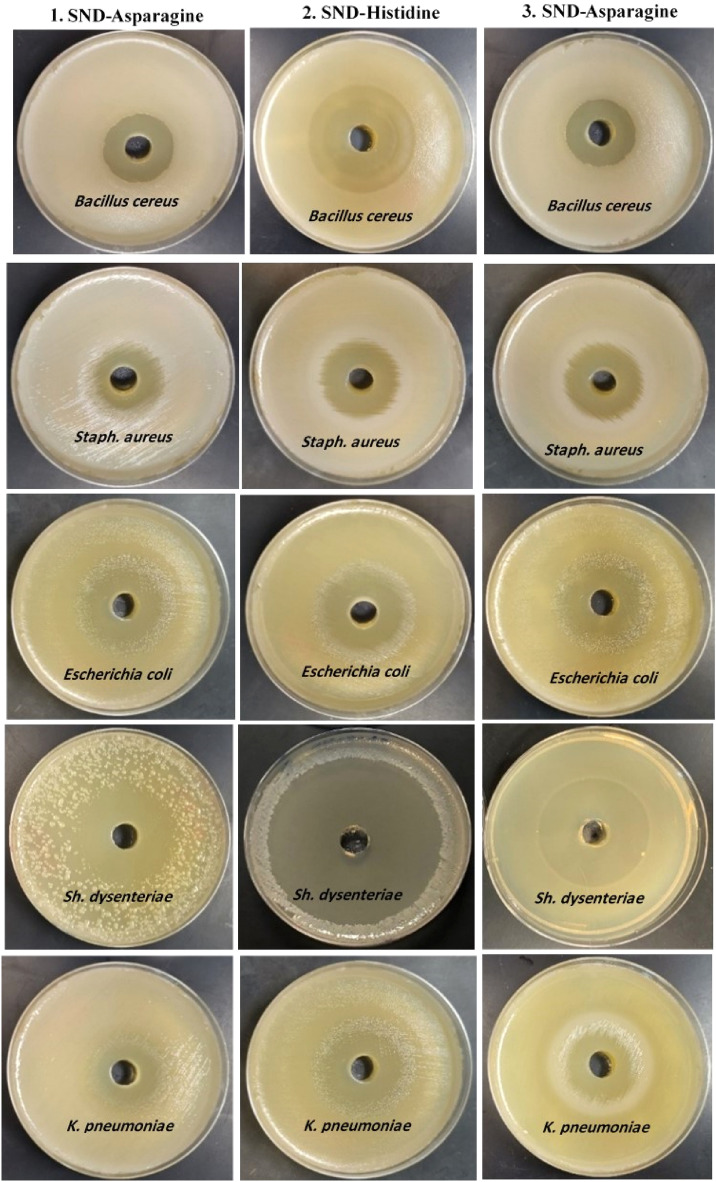
This study investigated different amino acid-based surfactants (AASs), also known as biosurfactants, including sodium N-dodecyl asparagine (AS), sodium N-dodecyl tryptophan (TS), and sodium N-dodecyl histidine (HS) for their potential anticorrosion, antibacterial, and antidermatophyte properties. The chemical and electrochemical techniques were employed to examine the copper corrosion inhibition efficacy in HSO (1.0 M) solution at 298 K. The results indicated their promising corrosion inhibition efficiencies (% IEs), which varied with the biosurfactant structures and concentrations, and the concentrations of corrosive medium. Higher % IEs values were attributed to the surfactant adsorption on the copper surface and the production of a protective film. The adsorption was in agreement with Langmuir adsorption isotherm. The kinetics and mechanisms of copper corrosion and its inhibition by the examined AASs were illuminated. The surfactants behaved as mixed-kind inhibitors with minor anodic priority. The values of % IEs gained from weight loss technique at a 500 ppm of the tested surfactants were set to be 81, 83 and 88 for AS, HS and TS, respectively. The values of % IEs acquired from all the applied techniques were almost consistent which were increased in the order: TS > HS ≥ AS, establishing the validity of this study. These surfactants also exhibited strong broad-spectrum activities against pathogenic Gram-negative and Gram-positive bacteria and dermatophytes. HS exhibited the highest antimicrobial activity followed by TS, and AS. The sensitivity of pathogenic bacteria varied against tested AASs. Shigella dysenteriae and Trichophyton mantigrophytes were found to be the most sensitive pathogens. HS exhibited the highest antibacterial activity against Shigella dysenteriae, Bacillus cereus, E. coli, K. pneumoniae, and S. aureus through the formation of clear zones of 70, 50, 40, 39, and 35 mm diameters, respectively. AASs also exhibited strong antifungal activity against all the tested dermatophyte molds and fungi. HS caused the inhibition zones of 62, 57, 56, 48, and 36 mm diameters against Trichophyton mantigrophytes, Trichophyton rubrum, Candida albicans, Trichosporon cataneum, and Cryptococcus neoformans, respectively. AASs minimal lethal concentrations ranged between 16 to 128 µg/ml. HS presented the lowest value (16 µg/ml) against tested pathogens followed by TS (64 µg/ml), and AS (128 µg/ml). Therefore, AASs, especially HS, could serve as an effective alternative antimicrobial agent against food-borne pathogenic bacteria and skin infections-associated dermatophyte fungi.
本研究考察了不同的氨基酸基表面活性剂(AASs),也称为生物表面活性剂,包括 N-十二烷基天冬酰胺(AS)、N-十二烷基色氨酸(TS)和 N-十二烷基组氨酸(HS),以评估它们在 298 K 下在 HSO(1.0 M)溶液中对铜腐蚀的抑制、抗菌和抗皮肤真菌的潜在性能。采用化学和电化学技术在 HSO(1.0 M)溶液中于 298 K 下研究了铜腐蚀的抑制效率。结果表明,它们具有较高的腐蚀抑制效率(%IE),这取决于生物表面活性剂的结构和浓度以及腐蚀性介质的浓度。较高的%IE 值归因于表面活性剂在铜表面的吸附和保护膜的生成。吸附符合 Langmuir 吸附等温线。揭示了铜腐蚀及其被所研究的 AASs 抑制的动力学和机理。这些表面活性剂表现为混合类型抑制剂,具有较小的阳极优先性。在 500 ppm 测试表面活性剂的情况下,通过失重技术获得的 %IE 值分别为 81、83 和 88,用于 AS、HS 和 TS。从所有应用技术获得的%IE 值几乎一致,按 TS>HS≥AS 的顺序增加,证实了本研究的有效性。这些表面活性剂还对致病革兰氏阴性和革兰氏阳性细菌和皮肤真菌表现出强烈的广谱活性。HS 表现出最高的抗菌活性,其次是 TS,然后是 AS。对测试 AAS 的致病性细菌的敏感性各不相同。志贺氏菌和毛癣菌被发现是最敏感的病原体。HS 对志贺氏菌、蜡样芽孢杆菌、大肠杆菌、肺炎克雷伯菌和金黄色葡萄球菌的抑菌活性最强,通过形成的清晰带直径分别为 70、50、40、39 和 35 mm。AAS 对所有测试的皮肤真菌和真菌也表现出很强的抗真菌活性。HS 对毛癣菌、红色毛癣菌、白色念珠菌、白色念珠菌和新型隐球菌的抑菌带直径分别为 62、57、56、48 和 36 mm。AAS 的最小致死浓度范围在 16 至 128 µg/ml 之间。HS 对测试病原体的最低值为 16 µg/ml,其次是 TS(64 µg/ml)和 AS(128 µg/ml)。因此,AAS,特别是 HS,可作为一种有效的替代食品源性致病菌和皮肤感染相关皮肤真菌的抗菌剂。