Cancer Center, Beijing Friendship Hospital, Capital Medical University, No. 95 Yong an Road, Beijing, 100053, Xi Cheng District, China.
Lipids Health Dis. 2023 Feb 14;22(1):25. doi: 10.1186/s12944-023-01789-0.
Previous studies have demonstrated the important role of fatty acid desaturase 2 (FADS2) in governing tumorigenesis and tumor metastasis. Although FADS2 is an essential regulator of fatty acid metabolism, its prognostic and immunotherapeutic value remains uncertain.
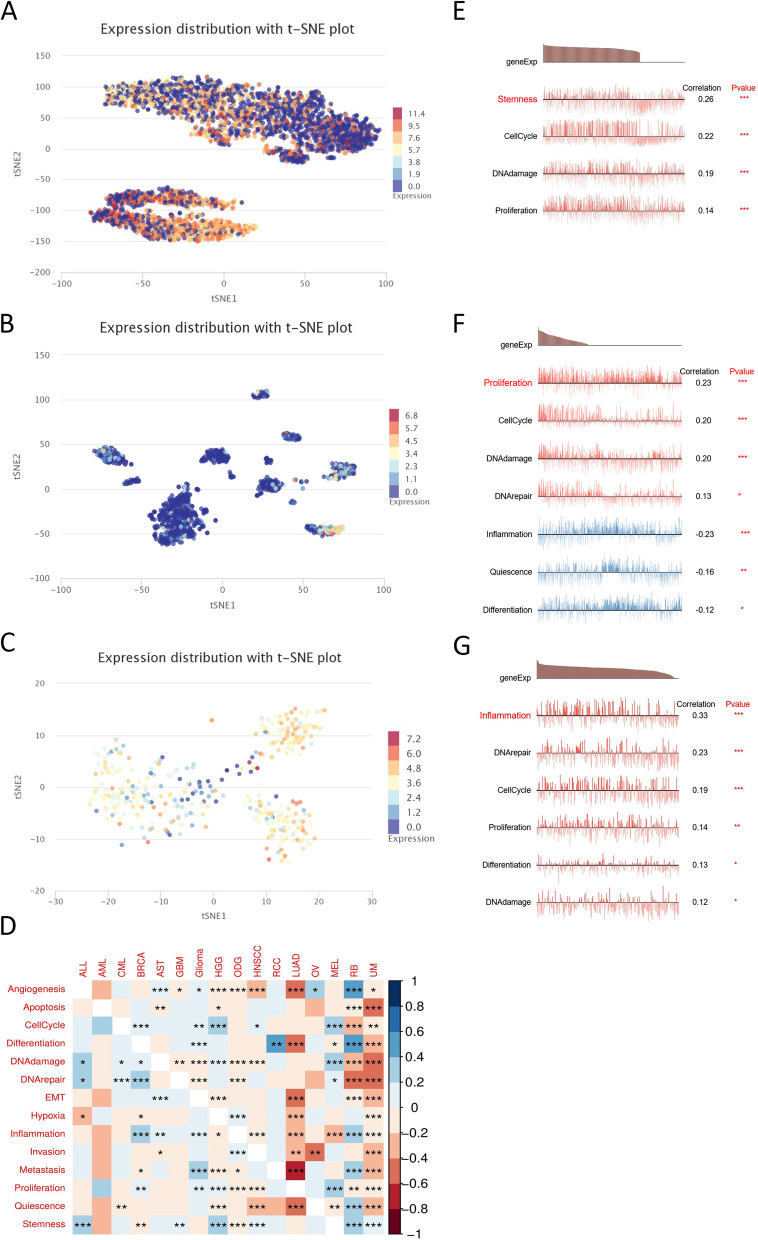
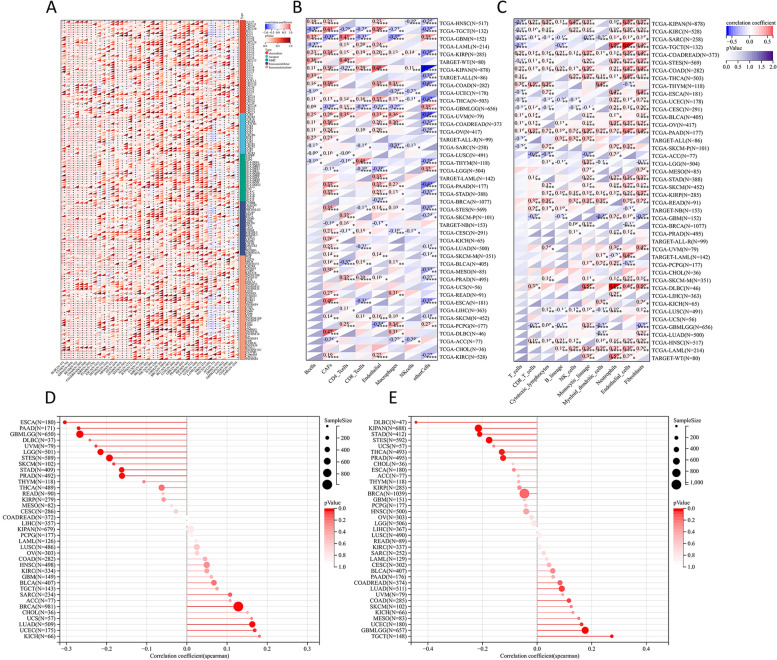
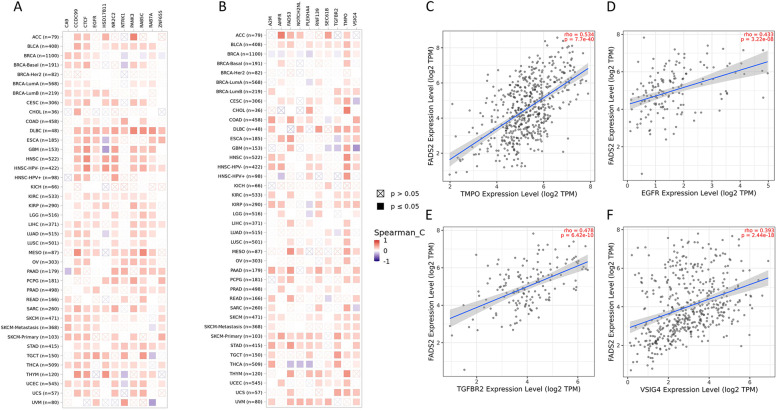
The role of FADS2 was investigated across different types of tumors. Besides, the relationship between FADS2 and survival prognosis, clinicopathologic features, tumor-infiltrating immune cells, immunoregulatory genes, chemokines, chemokines receptor, tumor mutational burden (TMB), and microsatellite instability (MSI) was also explored. FADS2-related genes enrichment analysis was performed to further explore the molecular function of FADS2. Finally, the relationship between FADS2 expression and altered functional states in single-cell levels across different tumor cells was explored.
FADS2 was increased in most tumor tissues. Elevated FADS2 expression was associated with a poor overall survival (OS) and disease-free survival (DFS). FADS2 amplification was germane to worse progress-free survival (PFS). In addition, FADS2 correlated with the majority of tumor-infiltrating immune cells, immunoregulatory genes, and chemokines. Especially, FADS2 expression positively correlated with cancer-associated fibroblast (CAFs) infiltration. Gene Ontology and KEGG analysis demonstrated that FADS2 was involved in the fatty acid metabolic process, arachidonic acid metabolism, RAS, PPAR, and VEGF pathway. FADS2 had a positive relationship with tumor biological behaviors such as inflammation, cell cycle, proliferation, DNA damage, and DNA repair response in single-cell levels.
FADS2 can serve as a potential prognostic and immunotherapeutic biomarker for multiple tumors, revealing new insights and evidence for cancer treatment.
先前的研究表明脂肪酸去饱和酶 2(FADS2)在肿瘤发生和肿瘤转移中起着重要作用。尽管 FADS2 是脂肪酸代谢的重要调节剂,但它的预后和免疫治疗价值仍不确定。
研究了 FADS2 在不同类型肿瘤中的作用。此外,还探讨了 FADS2 与生存预后、临床病理特征、肿瘤浸润免疫细胞、免疫调节基因、趋化因子、趋化因子受体、肿瘤突变负担(TMB)和微卫星不稳定性(MSI)的关系。进行了 FADS2 相关基因富集分析,以进一步探讨 FADS2 的分子功能。最后,还探讨了 FADS2 表达与不同肿瘤细胞中单细胞水平功能状态改变之间的关系。
FADS2 在大多数肿瘤组织中增加。FADS2 表达升高与整体生存(OS)和无病生存(DFS)不良相关。FADS2 扩增与无进展生存(PFS)恶化相关。此外,FADS2 与大多数肿瘤浸润免疫细胞、免疫调节基因和趋化因子相关。特别是,FADS2 表达与癌症相关成纤维细胞(CAFs)浸润呈正相关。GO 和 KEGG 分析表明,FADS2 参与脂肪酸代谢过程、花生四烯酸代谢、RAS、PPAR 和 VEGF 途径。在单细胞水平上,FADS2 与炎症、细胞周期、增殖、DNA 损伤和 DNA 修复反应等肿瘤生物学行为呈正相关。
FADS2 可以作为多种肿瘤的潜在预后和免疫治疗生物标志物,为癌症治疗提供新的见解和证据。