Department of Clinical Pharmacology, Xiangya Hospital, Central South University, Changsha, China.
Department of Respiratory Medicine, National Key Clinical Specialty, Branch of National Clinical Research Center for Respiratory Disease, Xiangya Hospital, Central South University, Changsha, China.
CNS Neurosci Ther. 2021 Aug;27(8):973-986. doi: 10.1111/cns.13654. Epub 2021 May 10.
Glioma is a highly invasive brain tumor, which makes prognosis challenging and renders patients resistant to various treatments. Induction of cell death is promising in cancer therapy. Ferroptosis, a recently discovered regulated cell death, can be induced for killing glioma cells. However, the prognostic prediction of ferroptosis-related genes (FRGs) in glioma remains elusive.
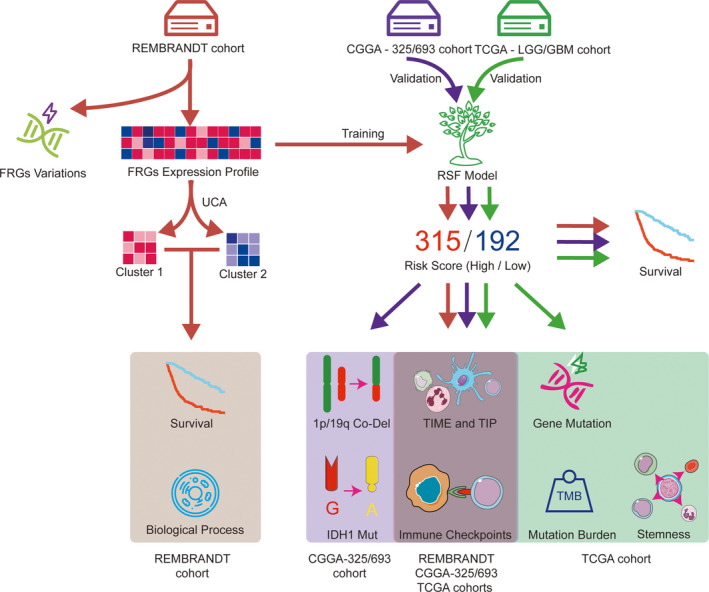
The mRNA expression profiles and gene variation and corresponding clinical data of glioma patients and NON-TUMOR control were downloaded from public databases. Risk score based on a FRGs signature was constructed in REMBRANDT cohort and validated in other datasets including CGGA-693, CGGA-325, and TCGA.
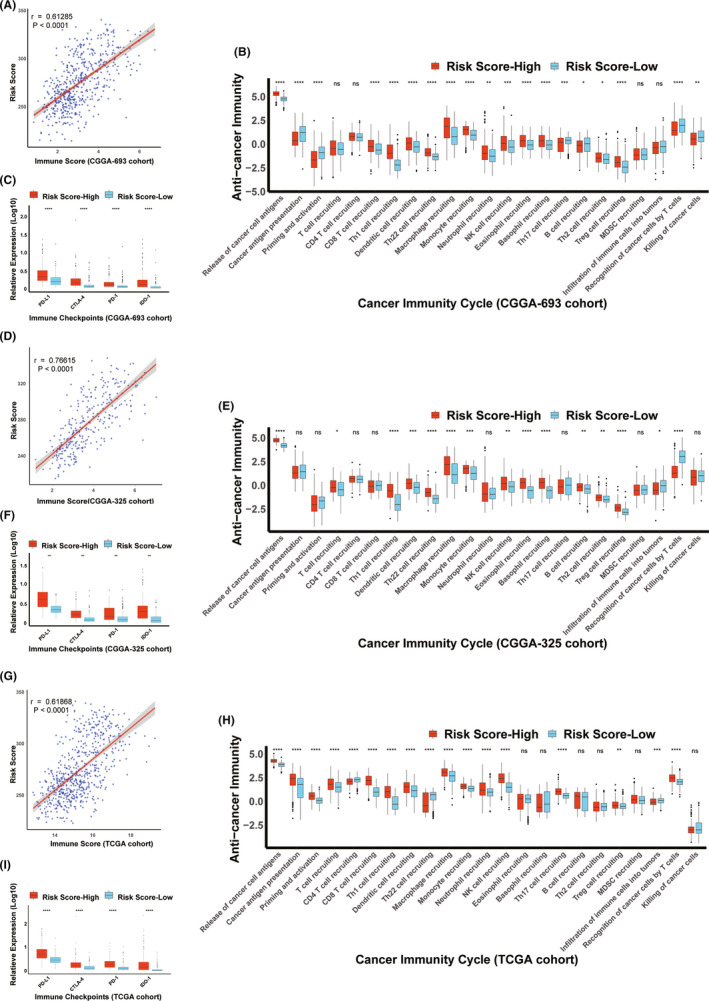
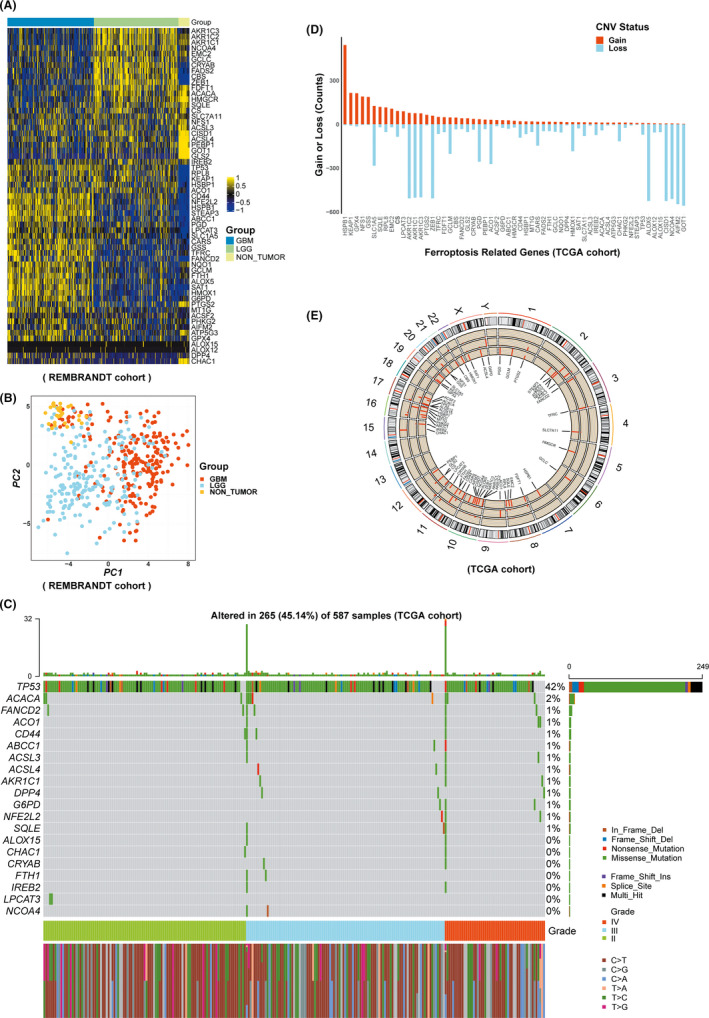
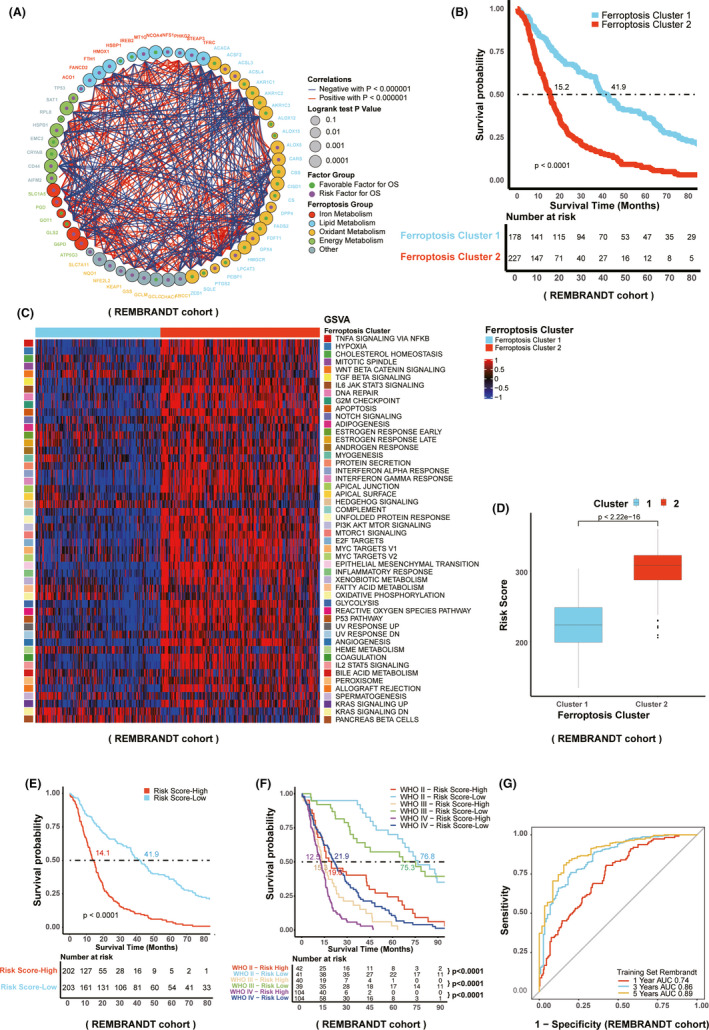
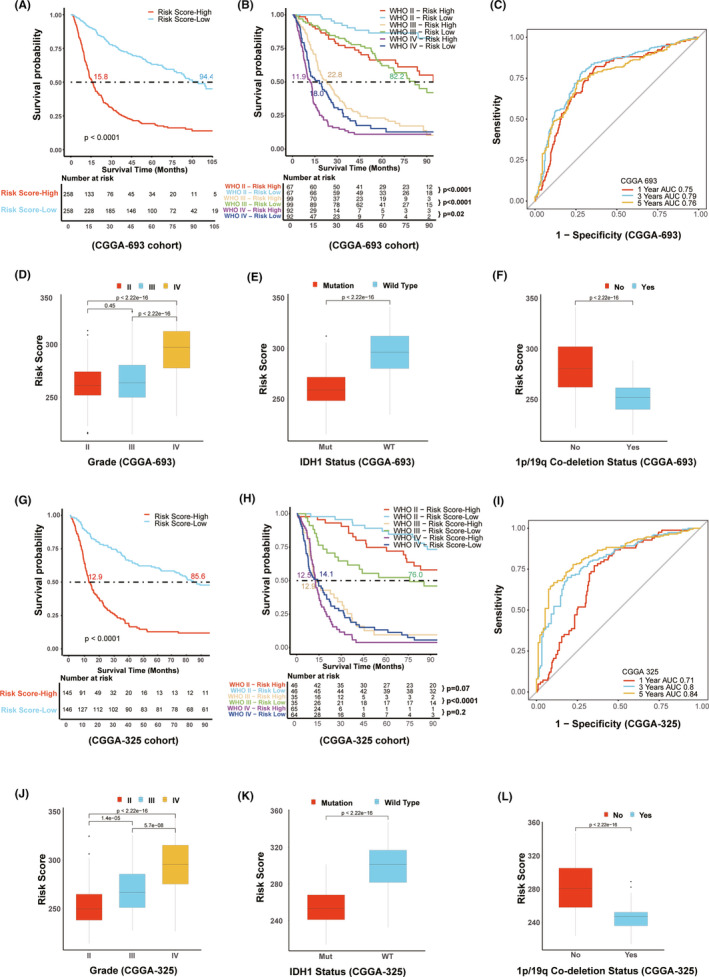
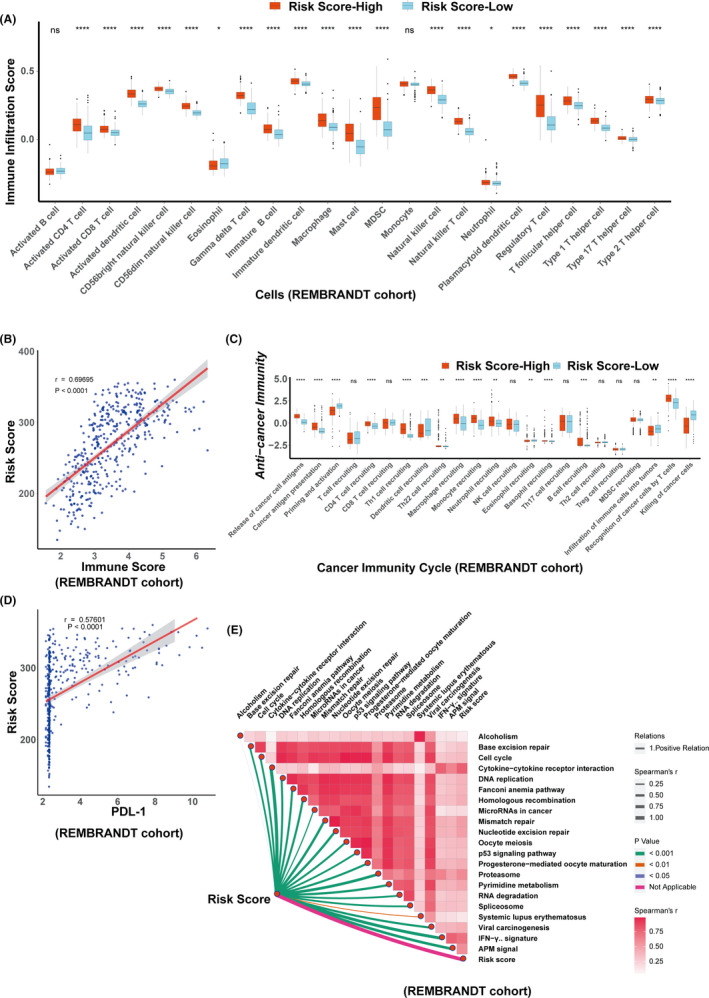
Our results demonstrated that the majority of FRGs was differentially expressed among GBM, LGG, and NON-TUMOR groups (96.6%). Furthermore, the glioma patients with low-risk score exhibited a more satisfactory clinical outcome. The better prognosis was also validated in the glioma patients with low-risk score no matter to which grade they were affiliated. Functional analysis revealed that the high-risk score group was positively correlated with the enrichment scores for immune checkpoint blockade-related positive signatures, indicating the critical role of glioma immunotherapy via risk score.
A novel FRGs-related risk score can predict prognosis and immunotherapy in glioma patients.
脑胶质瘤是一种高度侵袭性的脑肿瘤,这使得预后具有挑战性,并使患者对各种治疗方法产生耐药性。诱导细胞死亡在癌症治疗中很有前景。铁死亡是一种新发现的受调控的细胞死亡方式,可以诱导杀死脑胶质瘤细胞。然而,铁死亡相关基因(FRGs)在脑胶质瘤中的预后预测仍然难以捉摸。
从公共数据库中下载脑胶质瘤患者和非肿瘤对照的 mRNA 表达谱、基因变异和相应的临床数据。在 REMBRANDT 队列中构建基于 FRGs 特征的风险评分,并在其他数据集包括 CGGA-693、CGGA-325 和 TCGA 中进行验证。
我们的结果表明,大多数 FRGs 在 GBM、LGG 和非肿瘤组之间存在差异表达(96.6%)。此外,低风险评分的脑胶质瘤患者表现出更满意的临床结局。无论属于哪个级别,低风险评分的脑胶质瘤患者的预后均得到验证。功能分析表明,高风险评分组与免疫检查点阻断相关阳性特征的富集评分呈正相关,这表明通过风险评分进行脑胶质瘤免疫治疗具有重要作用。
一种新的 FRGs 相关风险评分可预测脑胶质瘤患者的预后和免疫治疗。