IUNICS, University of the Balearic Islands, Cra. de Valldemossa Km 7.5, 07122, Palma, Spain.
Health Research Institute of the Balearic Islands (IdISBa), Palma, Spain.
Pharmacol Rep. 2023 Apr;75(2):320-330. doi: 10.1007/s43440-023-00464-6. Epub 2023 Feb 20.
Binge alcohol drinking is considered a prominent risk factor for the development of alcohol-use disorders, and could be model in rodents through the standard two-bottle preference choice test. The goal was to recreate an intermittent use of alcohol during 3 consecutive days each week to ascertain its potential impact on hippocampal neurotoxicity (neurogenesis and other neuroplasticity markers), and including sex as a biological variable, given the well-known sex differences in alcohol consumption.
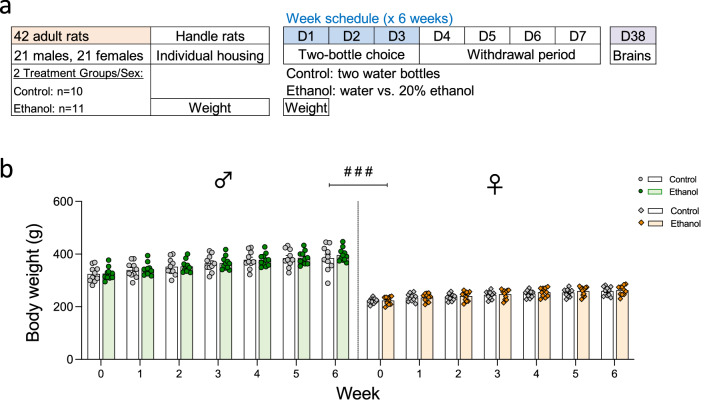
Ethanol access was granted to adult Sprague-Dawley rats for 3 consecutive days per week, followed by 4 days of withdrawal, during 6 weeks, mimicking the most common pattern of intake in people, drinking over the weekends in an intensive manner. Hippocampal samples were collected to evaluate signs of neurotoxicity.
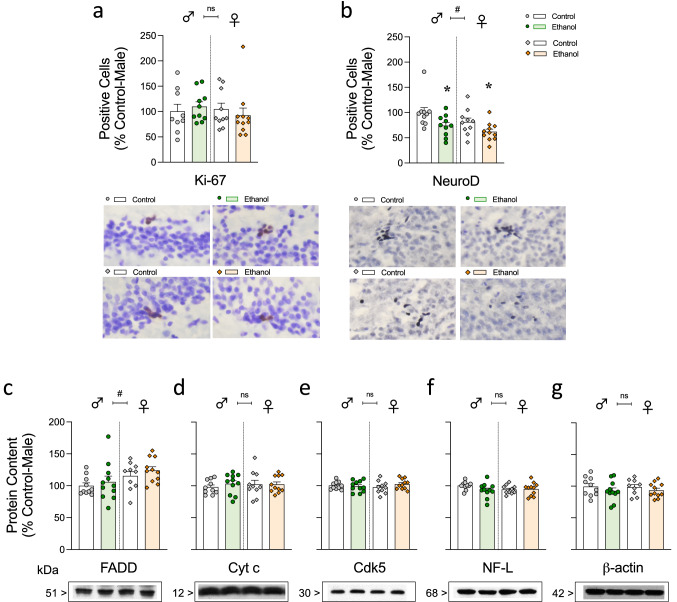
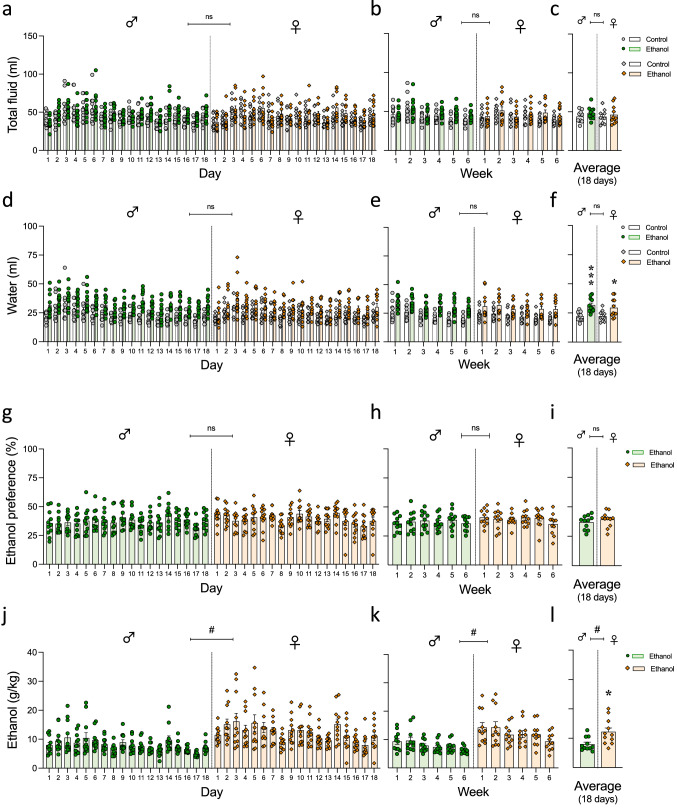
Female rats consumed significantly more ethanol than males, although intake did not escalate over time. Ethanol preference levels remained below 40% over time and did not differ between sexes. Moderate signs of ethanol neurotoxicity were observed in hippocampus at the level of decreased neuronal progenitors (NeuroD + cells), and these effects were independent of sex. No other signs of neurotoxicity were induced by ethanol voluntary consumption when measured through several key cell fate markers (i.e., FADD, Cyt c, Cdk5, NF-L) by western blot analysis.
Overall, the present results suggest that even though we modeled a situation where no escalation in ethanol intake occurred across time, mild signs of neurotoxicity emerged, suggesting that even the use of ethanol during adulthood in a recreational way could lead to certain brain harm.
狂饮酒精被认为是导致酒精使用障碍的一个突出风险因素,可以通过标准的双瓶选择偏好测试在啮齿动物中建模。目的是在每周连续 3 天内间歇性使用酒精,以确定其对海马神经毒性(神经发生和其他神经可塑性标志物)的潜在影响,并将性别作为一个生物学变量,因为众所周知,性别差异会影响酒精的摄入。
在 6 周的时间里,成年 Sprague-Dawley 大鼠每周连续 3 天可以接触到乙醇,然后连续 4 天戒断,模拟了人们最常见的摄入模式,即在周末集中饮酒。收集海马样本以评估神经毒性的迹象。
雌性大鼠的乙醇摄入量明显高于雄性大鼠,尽管摄入量并没有随着时间的推移而增加。乙醇偏好水平在整个过程中一直低于 40%,且在性别之间没有差异。在海马体水平上观察到中等程度的乙醇神经毒性迹象,表现为神经元前体细胞(NeuroD+细胞)减少,这些影响与性别无关。通过 Western blot 分析,用几个关键的细胞命运标志物(即 FADD、Cyt c、Cdk5、NF-L)测量时,乙醇自愿消耗并没有引起其他神经毒性迹象。
总的来说,目前的结果表明,即使我们模拟了在整个时间内乙醇摄入量没有增加的情况,但仍出现了轻度的神经毒性迹象,这表明即使在成年期以娱乐的方式使用乙醇也可能导致某些大脑损伤。