Department of Rehabilitation Medicine, Zhongnan Hospital of Wuhan University, Wuhan, China.
Department of Neurosurgery, Renmin Hospital of Wuhan University, Wuhan, China.
Oxid Med Cell Longev. 2023 Feb 8;2023:5157417. doi: 10.1155/2023/5157417. eCollection 2023.
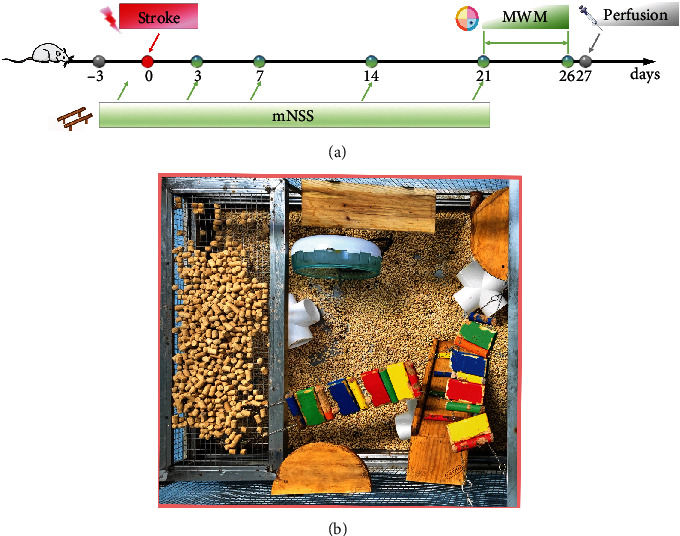
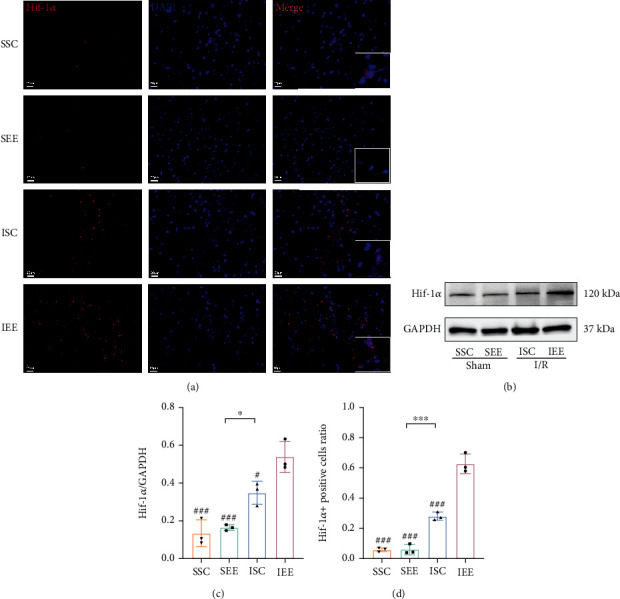
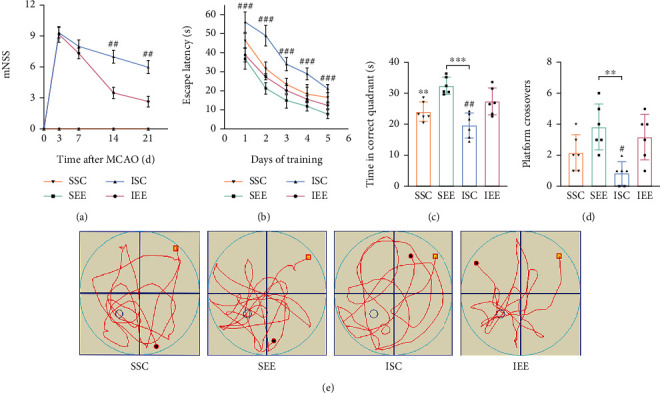
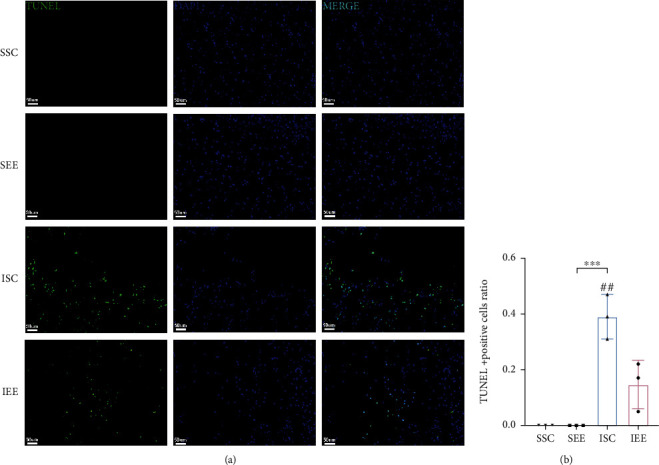
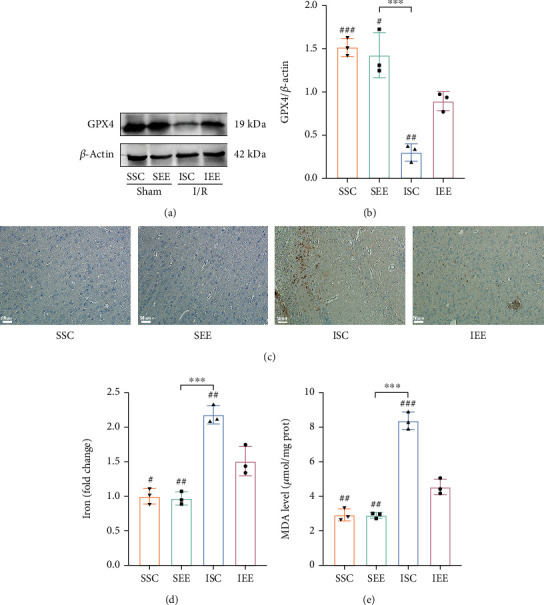
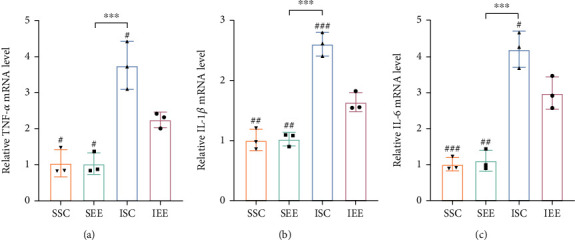
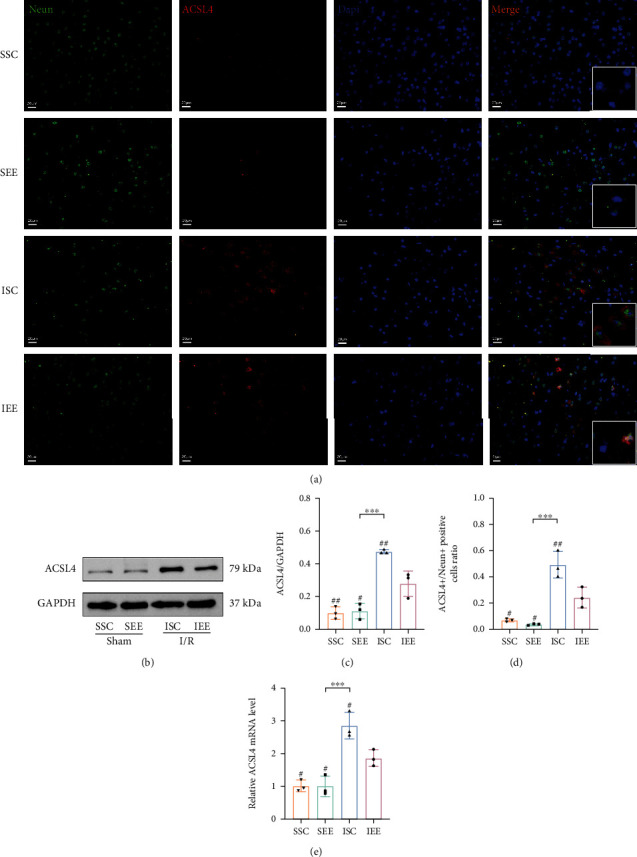
Enriched environment (EE) has been proven to be an effective intervention strategy which can improve neurofunctional recovery following cerebral ischemia/reperfusion (I/R) injury. However, it still needs further investigation for the underlying mechanisms. Recently, it has been shown that ferroptosis played an essential role in the pathophysiological development of ischemic stroke (IS). This study is aimed at investigating whether EE plays a neuroprotective role by attenuating ferroptosis after cerebral I/R injury. We used middle cerebral artery occlusion/reperfusion (MCAO/R) to build a model of cerebral I/R injury. To evaluate the effect of EE on neurological recovery, we used the modified neurological severity score (mNSS) and the Morris water maze (MWM). We used the western blot to detect the protein levels of glutathione peroxidase 4 (GPX4), hypoxia-inducible factor-1 (HIF-1), and acyl-CoA synthetase long-chain family member 4 (ACSL4). We used the quantitative real-time PCR (qRT-PCR) to measure the mRNA levels of ACSL4 and inflammatory cytokines including tumor necrosis factor alpha (TNF), interleukin-6 (IL-6), and interleukin 1 beta (IL-1). The occurrence of ferroptosis was detected by TdT-mediated dUTP nick-end labeling (TUNEL) assay, diaminobenzidine- (DAB-) enhanced Perls' staining, iron level assays, and malondialdehyde (MDA) level assays. The results verified that EE enhanced functional recovery and attenuated ferroptosis and neuroinflammation after cerebral I/R injury. EE increased the expression of HIF-1 while inhibited the expression of ACSL4. Our research indicated that EE improved functional recovery after cerebral I/R injury through attenuating ferroptosis, and this might be related to its regulation of the neuroinflammation and HIF-1-ACSL4 pathway.
丰富环境(EE)已被证明是一种有效的干预策略,可以改善脑缺血/再灌注(I/R)损伤后的神经功能恢复。然而,其潜在机制仍需要进一步研究。最近,铁死亡在缺血性脑卒中(IS)的病理生理发展中起着至关重要的作用。本研究旨在探讨 EE 是否通过减轻脑 I/R 损伤后的铁死亡来发挥神经保护作用。我们使用大脑中动脉闭塞/再灌注(MCAO/R)建立脑 I/R 损伤模型。为了评估 EE 对神经功能恢复的影响,我们使用改良神经功能严重程度评分(mNSS)和 Morris 水迷宫(MWM)。我们使用 Western blot 检测谷胱甘肽过氧化物酶 4(GPX4)、缺氧诱导因子 1(HIF-1)和长链酰基辅酶 A 合成酶家族成员 4(ACSL4)的蛋白水平。我们使用定量实时 PCR(qRT-PCR)测量 ACSL4 和炎症细胞因子(包括肿瘤坏死因子-α(TNF)、白细胞介素 6(IL-6)和白细胞介素 1β(IL-1β))的 mRNA 水平。通过 TdT 介导的 dUTP 缺口末端标记(TUNEL)检测、二氨基联苯胺-(DAB-)增强 Perls' 染色、铁水平测定和丙二醛(MDA)水平测定来检测铁死亡的发生。结果证实,EE 增强了脑 I/R 损伤后的功能恢复,并减轻了铁死亡和神经炎症。EE 增加了 HIF-1 的表达,同时抑制了 ACSL4 的表达。我们的研究表明,EE 通过减轻脑 I/R 损伤后的铁死亡来改善功能恢复,这可能与其对神经炎症和 HIF-1-ACSL4 途径的调节有关。