Philips Healthcare, Suresnes, France.
Philips Healthcare, Haifa, Israel.
Invest Radiol. 2023 Jul 1;58(7):459-471. doi: 10.1097/RLI.0000000000000965. Epub 2023 Feb 22.
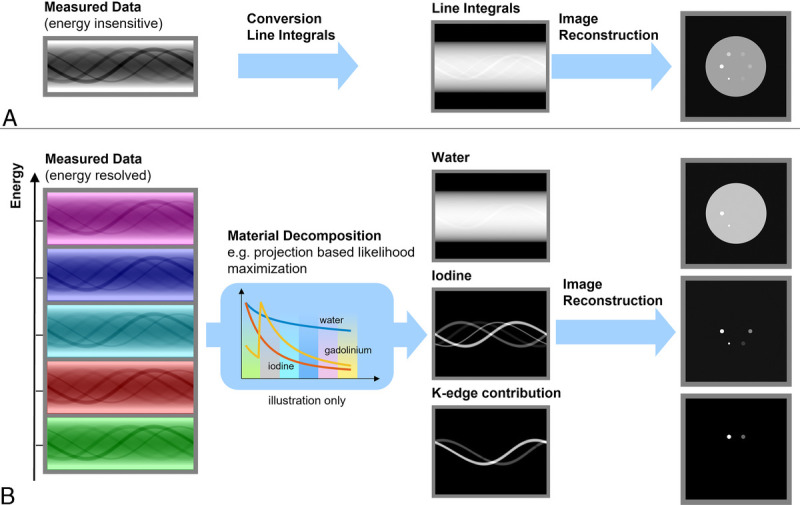
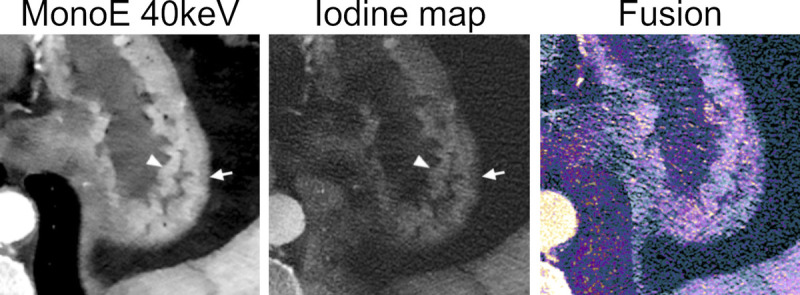
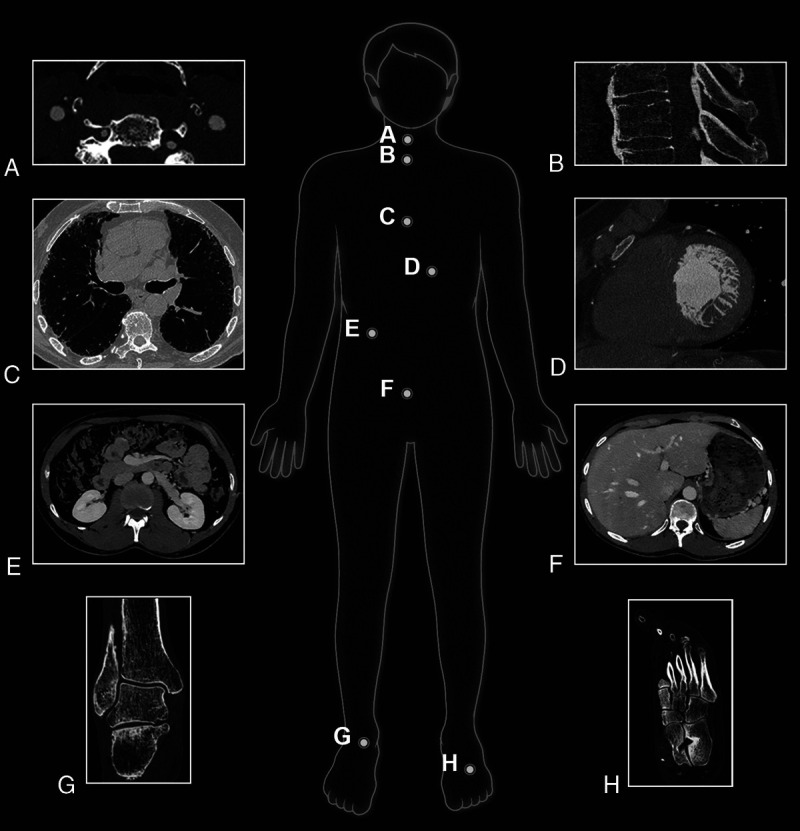
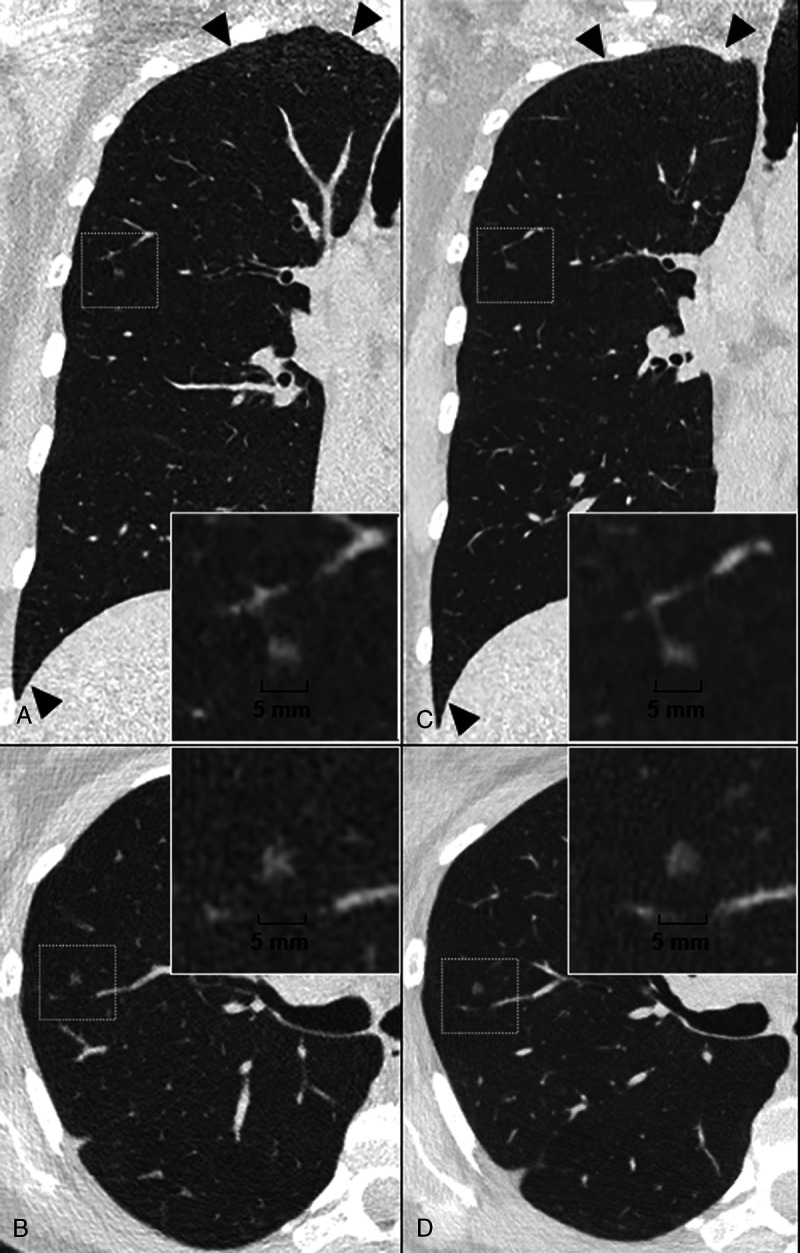
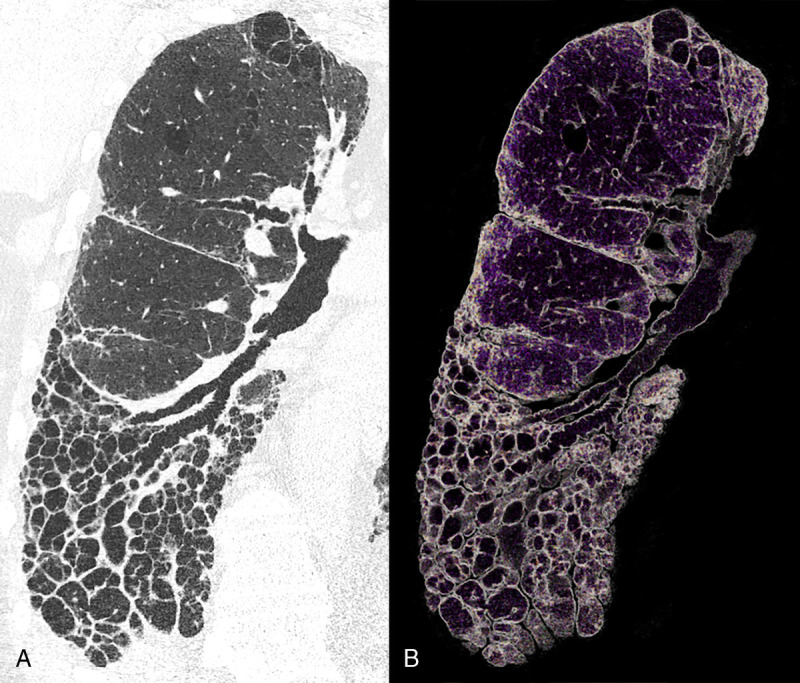
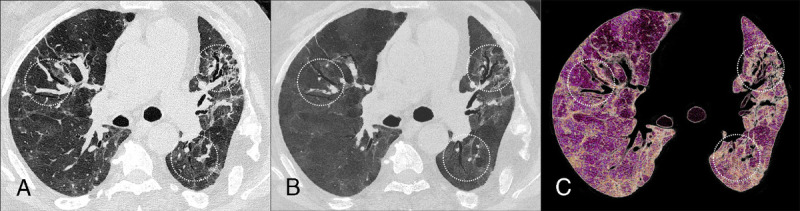
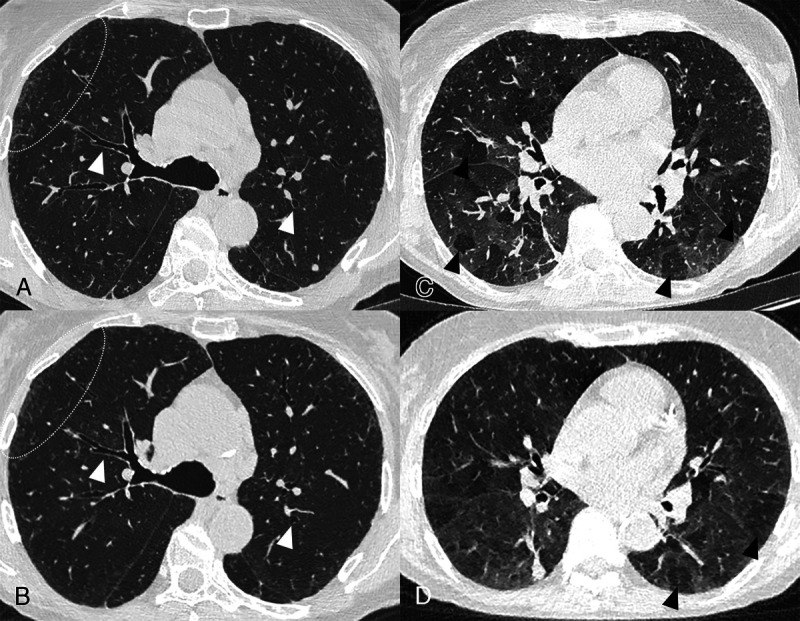
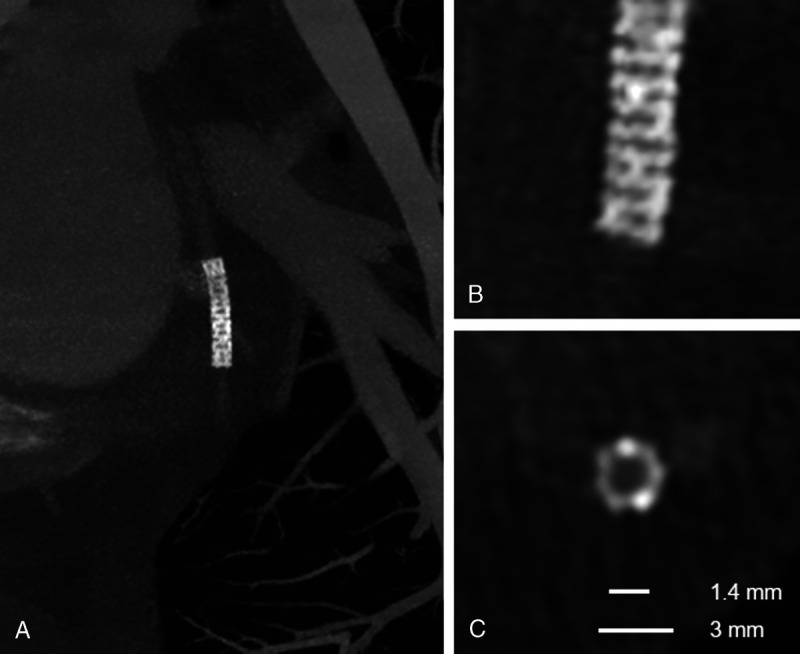
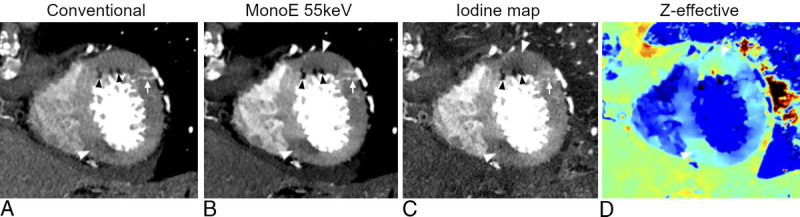
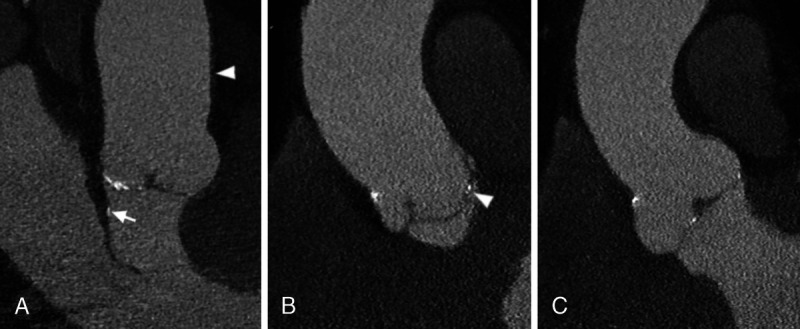
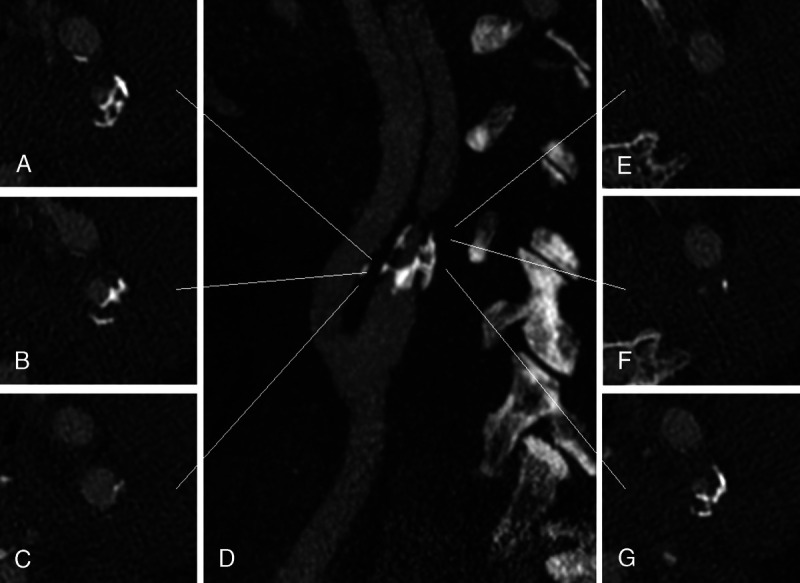
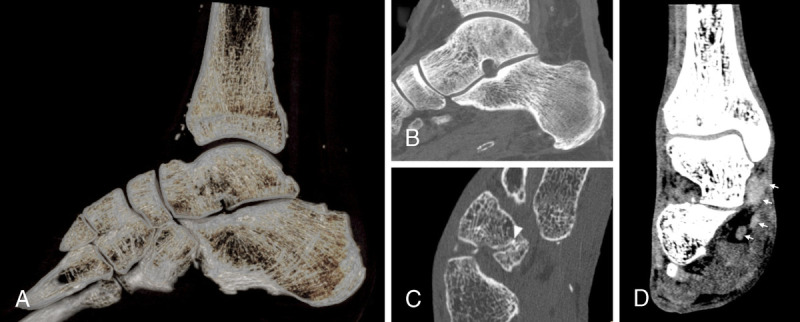
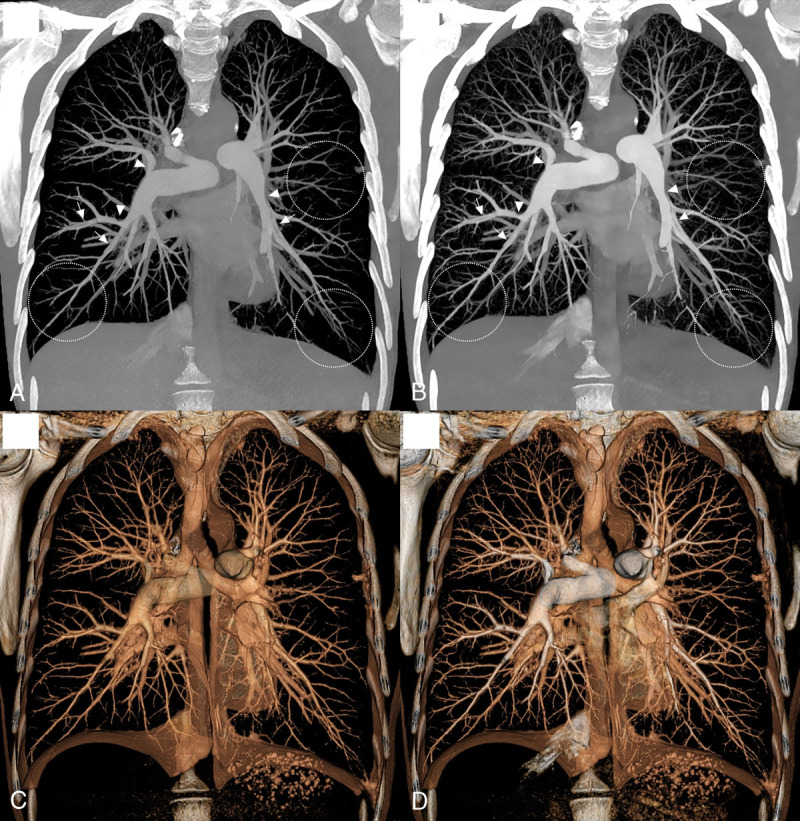
Spectral photon-counting computed tomography (SPCCT) technology holds great promise for becoming the next generation of computed tomography (CT) systems. Its technical characteristics have many advantages over conventional CT imaging. For example, SPCCT provides better spatial resolution, greater dose efficiency for ultra-low-dose and low-dose protocols, and tissue contrast superior to that of conventional CT. In addition, SPCCT takes advantage of several known approaches in the field of spectral CT imaging, such as virtual monochromatic imaging and material decomposition imaging. In addition, SPCCT takes advantage of a new approach in this field, known as K-edge imaging, which allows specific and quantitative imaging of a heavy atom-based contrast agent. Hence, the high potential of SPCCT systems supports their ongoing investigation in clinical research settings. In this review, we propose an overview of our clinical research experience of a whole-body SPCCT clinical prototype, to give an insight into the potential benefits for clinical human imaging on image quality, diagnostic confidence, and new approaches in spectral CT imaging.
光谱光子计数计算机断层扫描(SPCCT)技术有望成为下一代计算机断层扫描(CT)系统。其技术特点在许多方面优于传统 CT 成像。例如,SPCCT 提供了更好的空间分辨率、更高的剂量效率,适用于超低剂量和低剂量方案,并且具有比传统 CT 更好的组织对比度。此外,SPCCT 利用了光谱 CT 成像领域的几种已知方法,如虚拟单能成像和物质分解成像。此外,SPCCT 还利用了该领域的一种新方法,称为 K 边成像,它允许基于重原子的造影剂的特定和定量成像。因此,SPCCT 系统的高潜力支持了它们在临床研究环境中的持续研究。在这篇综述中,我们提出了对全身 SPCCT 临床原型的临床研究经验的概述,以深入了解在图像质量、诊断信心和光谱 CT 成像新方法方面对临床人体成像的潜在益处。