Ko Kyung-Pil, Zhang Shengzhe, Huang Yuanjian, Kim Bongjun, Zou Gengyi, Jun Sohee, Zhang Jie, Martin Cecilia, Dunbar Karen J, Efe Gizem, Rustgi Anil K, Zhang Haiyang, Nakagawa Hiroshi, Park Jae-Il
Department of Experimental Radiation Oncology, Division of Radiation Oncology, The University of Texas MD Anderson Cancer Center, Houston, TX 77030, USA.
Division of Digestive and Liver Diseases, Department of Medicine, Herbert Irving Comprehensive Cancer Center, Columbia University Irving Medical Center, New York, NY 10032, USA.
bioRxiv. 2023 Feb 15:2023.02.15.528539. doi: 10.1101/2023.02.15.528539.
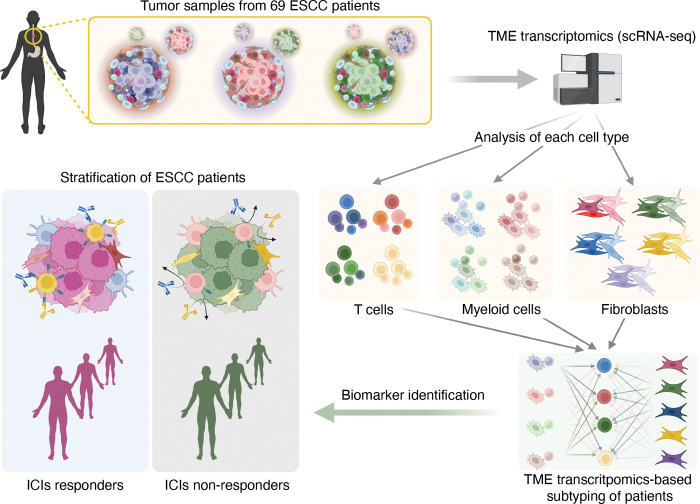
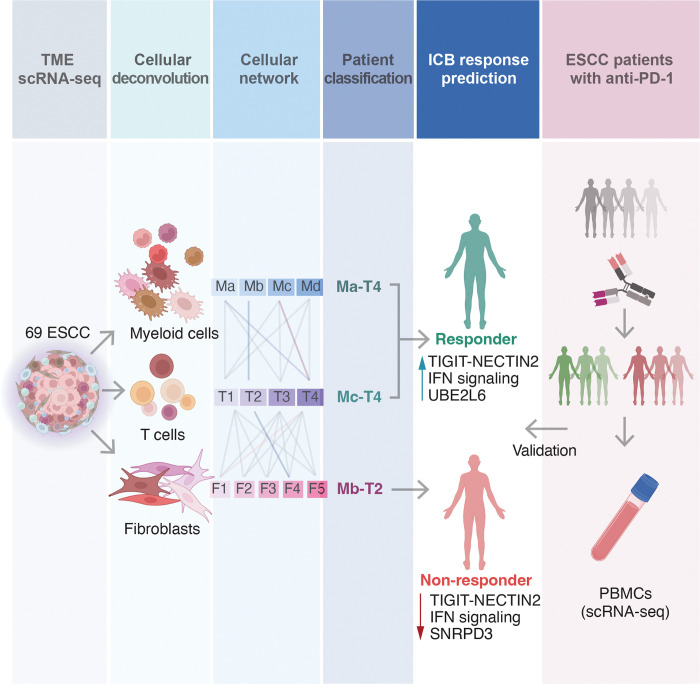
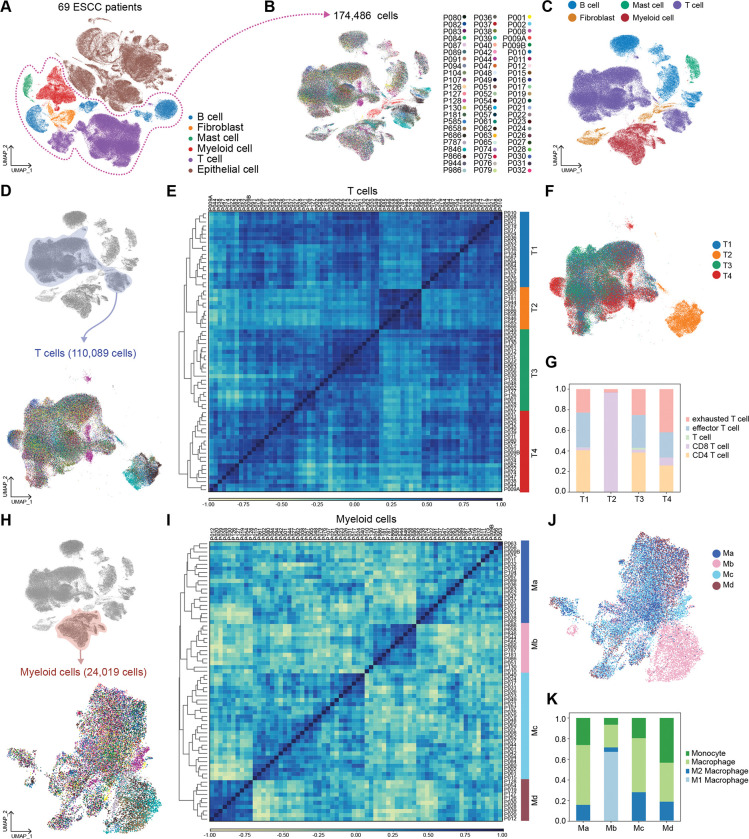
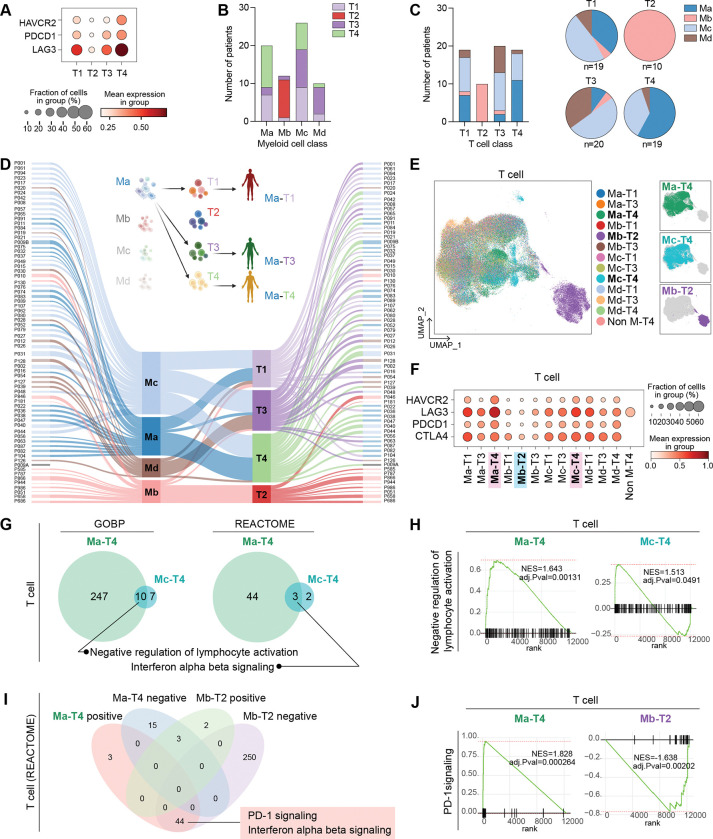
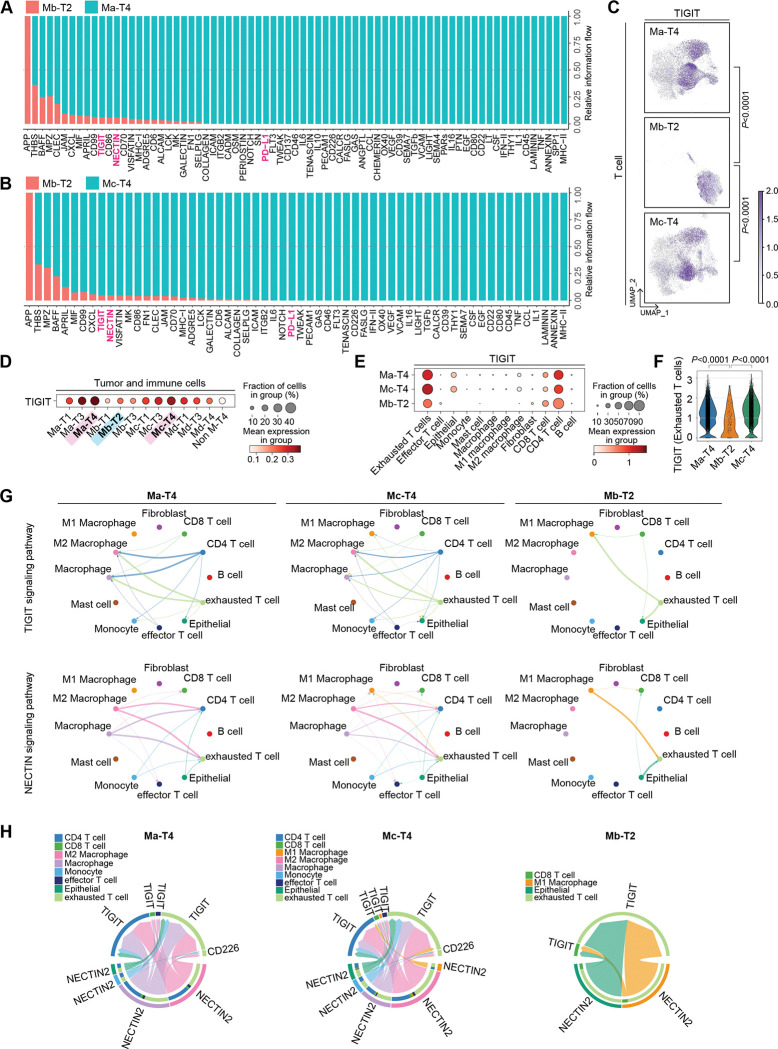
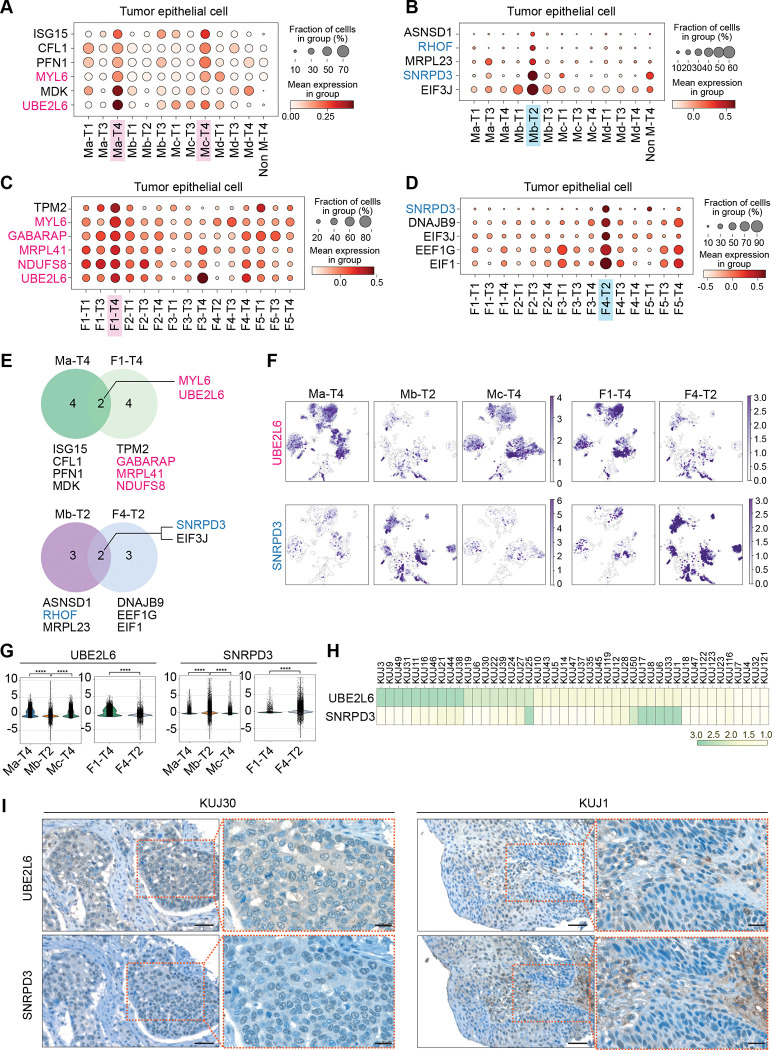
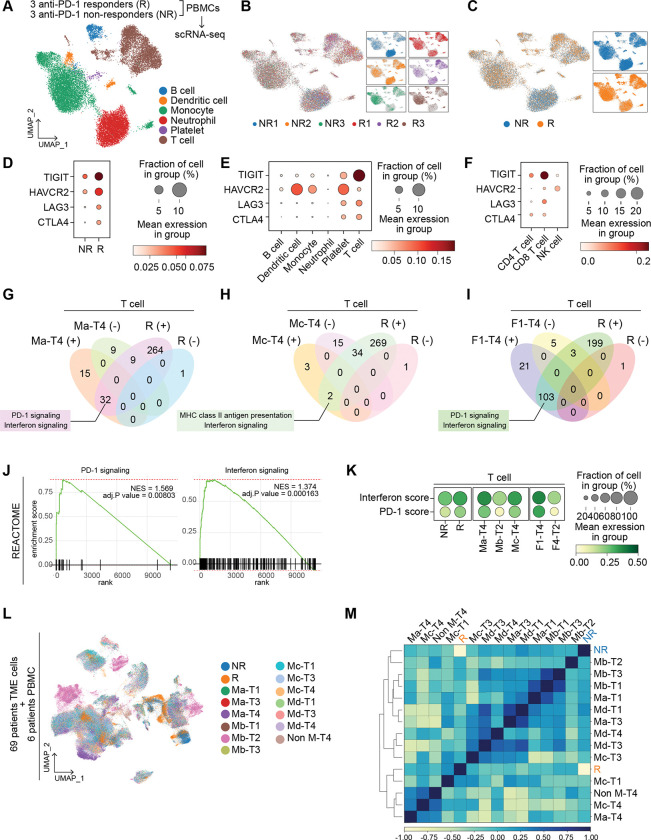
Despite the promising outcomes of immune checkpoint blockade (ICB), resistance to ICB presents a new challenge. Therefore, selecting patients for specific ICB applications is crucial for maximizing therapeutic efficacy. Herein we curated 69 human esophageal squamous cell cancer (ESCC) patients' tumor microenvironment (TME) single-cell transcriptomic datasets to subtype ESCC. Integrative analyses of the cellular network transcriptional signatures of T cells, myeloid cells, and fibroblasts define distinct ESCC subtypes characterized by T cell exhaustion, Interferon (IFN) a/b signaling, TIGIT enrichment, and specific marker genes. Furthermore, this approach classifies ESCC patients into ICB responders and non-responders, as validated by liquid biopsy single-cell transcriptomics. Our study stratifies ESCC patients based on TME transcriptional network, providing novel insights into tumor niche remodeling and predicting ICB responses in ESCC patients.
尽管免疫检查点阻断(ICB)取得了令人鼓舞的成果,但对ICB的耐药性带来了新的挑战。因此,为特定的ICB应用选择患者对于最大化治疗效果至关重要。在此,我们整理了69例人类食管鳞状细胞癌(ESCC)患者的肿瘤微环境(TME)单细胞转录组数据集,以对ESCC进行亚型分类。对T细胞、髓样细胞和成纤维细胞的细胞网络转录特征进行综合分析,确定了以T细胞耗竭、干扰素(IFN)α/β信号传导、TIGIT富集和特定标记基因为特征的不同ESCC亚型。此外,通过液体活检单细胞转录组学验证,这种方法将ESCC患者分为ICB反应者和无反应者。我们的研究基于TME转录网络对ESCC患者进行分层,为肿瘤微环境重塑提供了新的见解,并预测ESCC患者的ICB反应。