Popa Monica, Anastasescu Mihai, Stefan Laura M, Prelipcean Ana-Maria, Calderon Moreno Jose
Oxide Compounds and Materials Science Laboratory, "Ilie Murgulescu" Institute of Physical Chemistry, 202 Splaiul Independentei, 060021 Bucharest, Romania.
Surface Chemistry and Catalysis Laboratory, "Ilie Murgulescu" Institute of Physical Chemistry, 202 Splaiul Independentei, 060021 Bucharest, Romania.
J Funct Biomater. 2023 Feb 10;14(2):98. doi: 10.3390/jfb14020098.
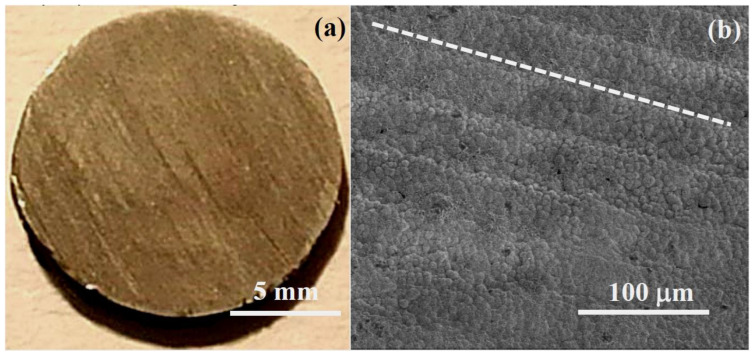
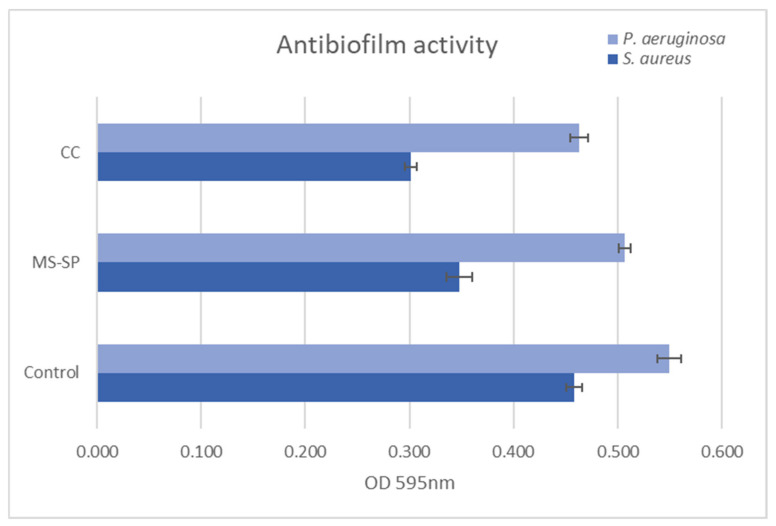
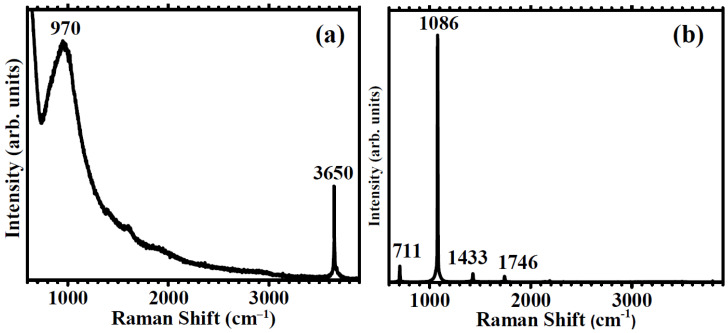
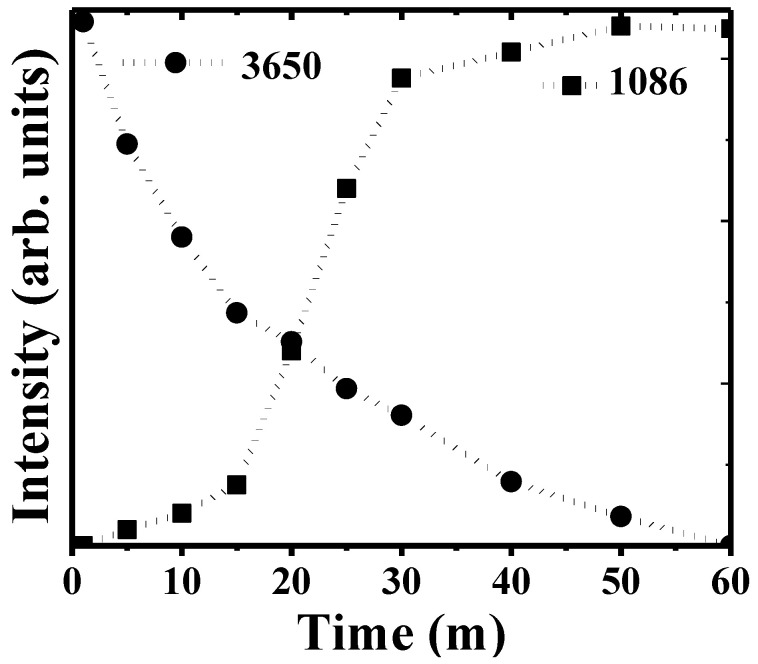
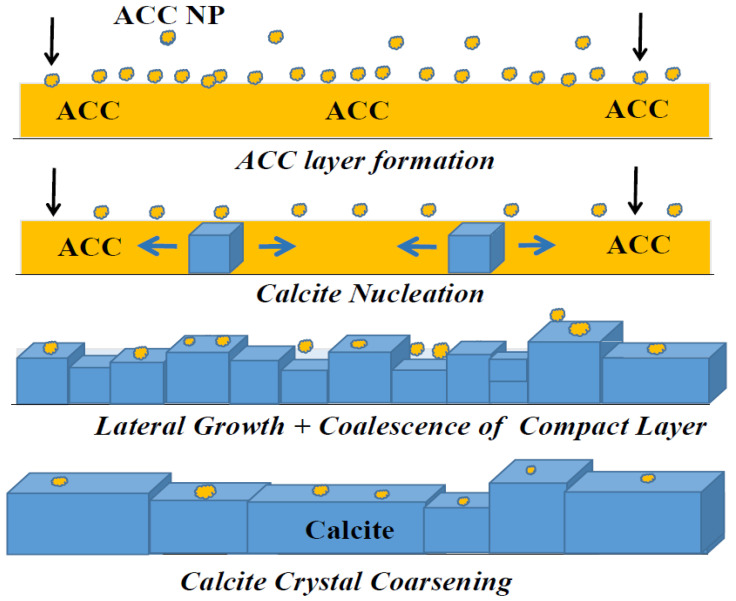
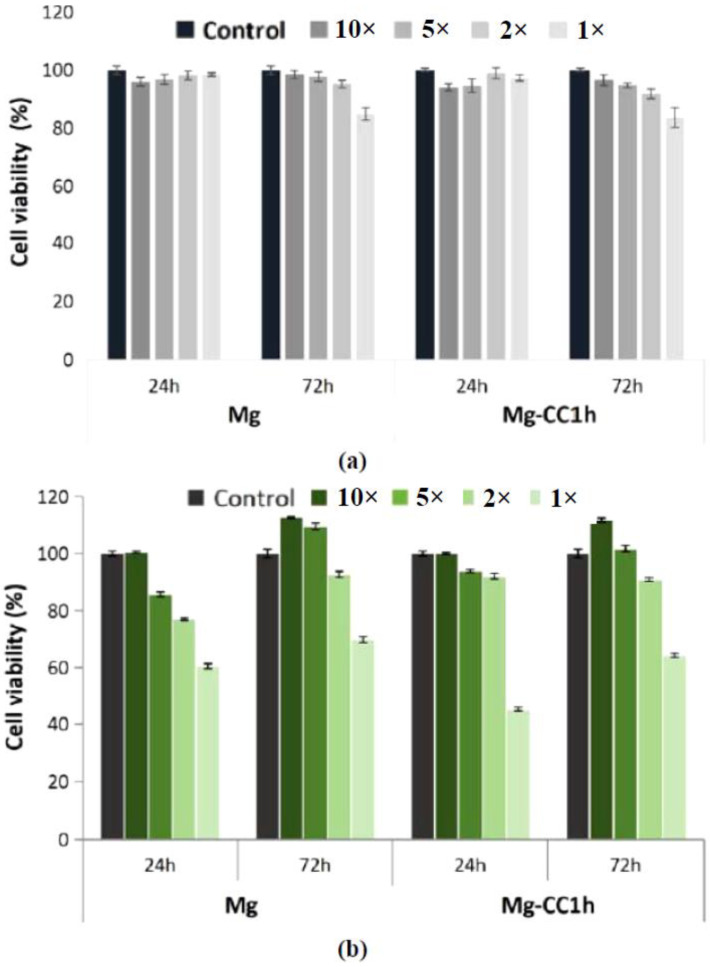
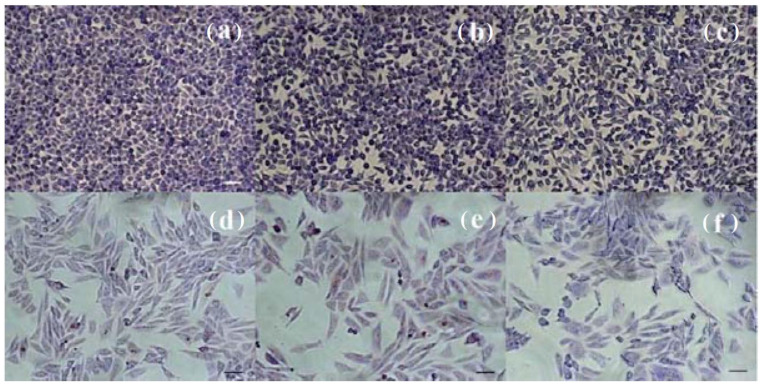
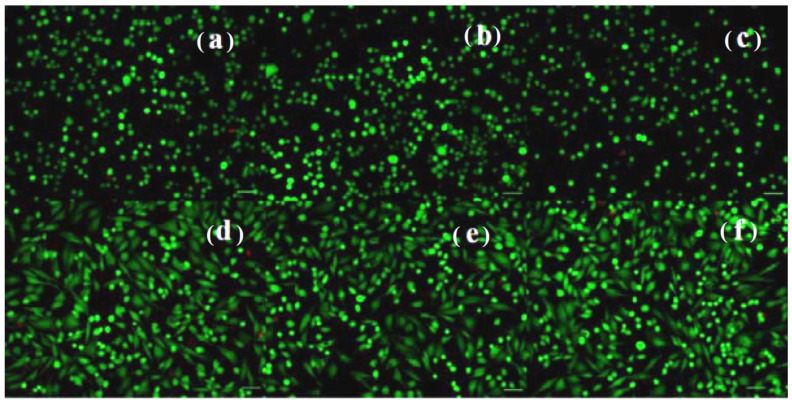
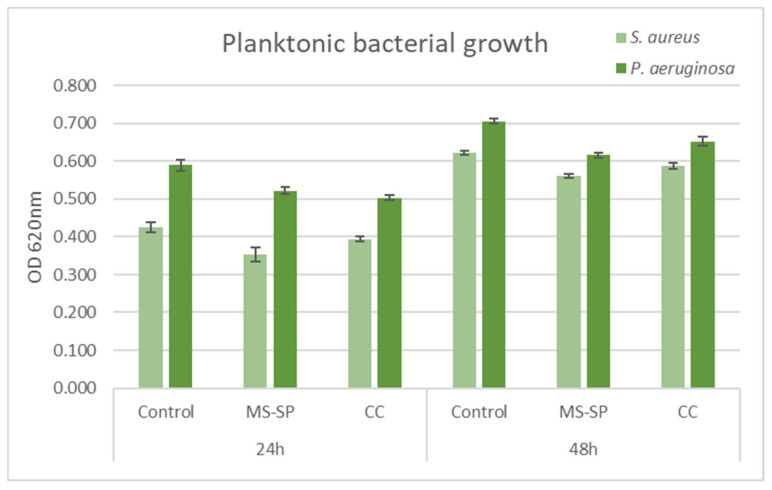
Mg is a material of choice for biodegradable implants. The main challenge for using Mg in temporary implants is to provide protective surfaces that mitigate its rapid degradation in biological fluids and also confer sufficient cytocompatibility and bacterial resistance to Mg-coated surfaces. Even though carbonate mineralization is the most important source of biominerals, such as the skeletons and shells of many marine organisms, there has been little success in the controlled growth of carbonate layers by synthetic processes. We present here the formation mechanism, antibacterial activity, and cell viability of magnesian calcite biomimetic coatings grown on biodegradable Mg via a green, one-step route. Cell compatibility assessment showed cell viability higher than 80% after 72 h using fibroblast cells (NCTC, clone L929) and higher than 60% after 72 h using human osteoblast-like cells (SaOS-2); the cells displayed a normal appearance and a density similar to the control sample. Antimicrobial potential evaluation against both Gram-positive ( (ATCC 25923)) and Gram-negative ( (ATCC 27853)) strains demonstrated that the coated samples significantly inhibited bacterial adhesion and biofilm formation compared to the untreated control. Calcite coatings grown on biodegradable Mg by a single coating process showed the necessary properties of cell compatibility and bacterial resistance for application in surface-modified Mg biomaterials for temporary implants.
镁是可生物降解植入物的首选材料。在临时植入物中使用镁的主要挑战是提供保护表面,以减轻其在生物流体中的快速降解,并赋予镁涂层表面足够的细胞相容性和抗菌性。尽管碳酸盐矿化是生物矿物(如许多海洋生物的骨骼和外壳)的最重要来源,但通过合成过程控制碳酸盐层的生长几乎没有成功。我们在此展示了通过绿色一步法在可生物降解镁上生长的镁方解石仿生涂层的形成机制、抗菌活性和细胞活力。细胞相容性评估显示,使用成纤维细胞(NCTC,克隆L929)培养72小时后细胞活力高于80%,使用人成骨样细胞(SaOS-2)培养72小时后细胞活力高于60%;细胞外观正常,密度与对照样品相似。对革兰氏阳性菌(ATCC 25923)和革兰氏阴性菌(ATCC 27853)菌株的抗菌潜力评估表明,与未处理的对照相比,涂层样品显著抑制了细菌粘附和生物膜形成。通过单次涂层工艺在可生物降解镁上生长的方解石涂层显示出细胞相容性和抗菌性的必要特性,可应用于临时植入物的表面改性镁生物材料。