Faculty of Sport Science, University of Extremadura, Cáceres, Spain.
Sport Sciences School of Rio Maior, Research Center in Sport Science, Health and Human Development, Vila Real, Portugal.
Medicine (Baltimore). 2023 Feb 22;102(8):e32668. doi: 10.1097/MD.0000000000032668.
This systematic review and meta-analysis set out to determine the efficacy of whole-body muscle electrostimulation on body composition, strength, and muscle power in active and non-active adults (aged ≥18 years).
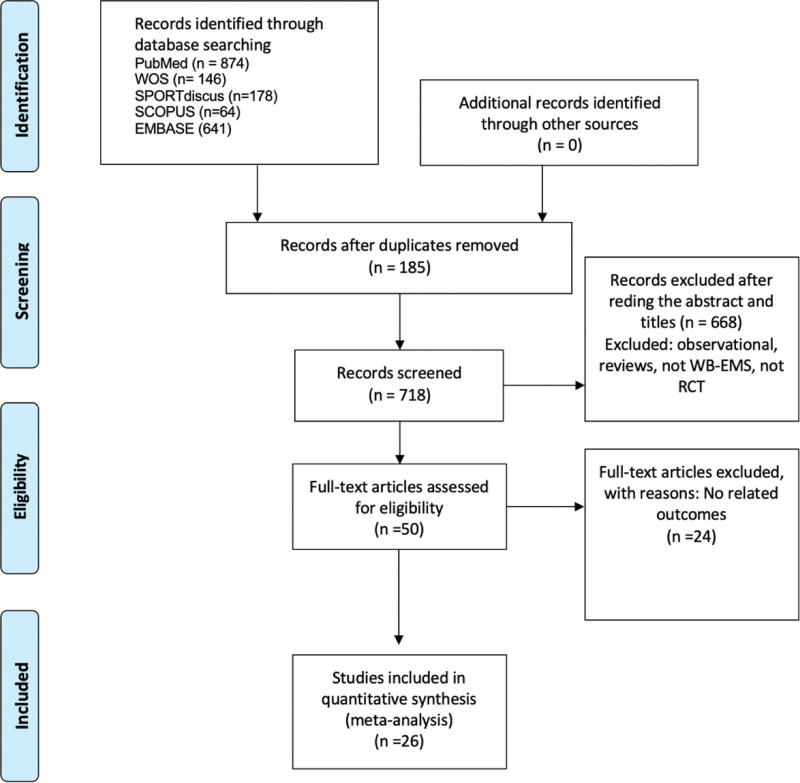
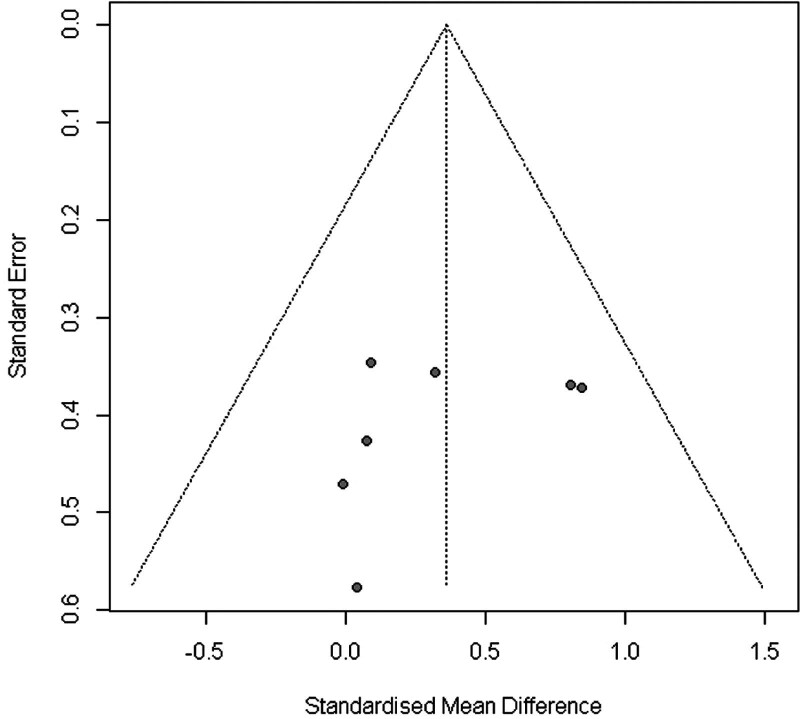
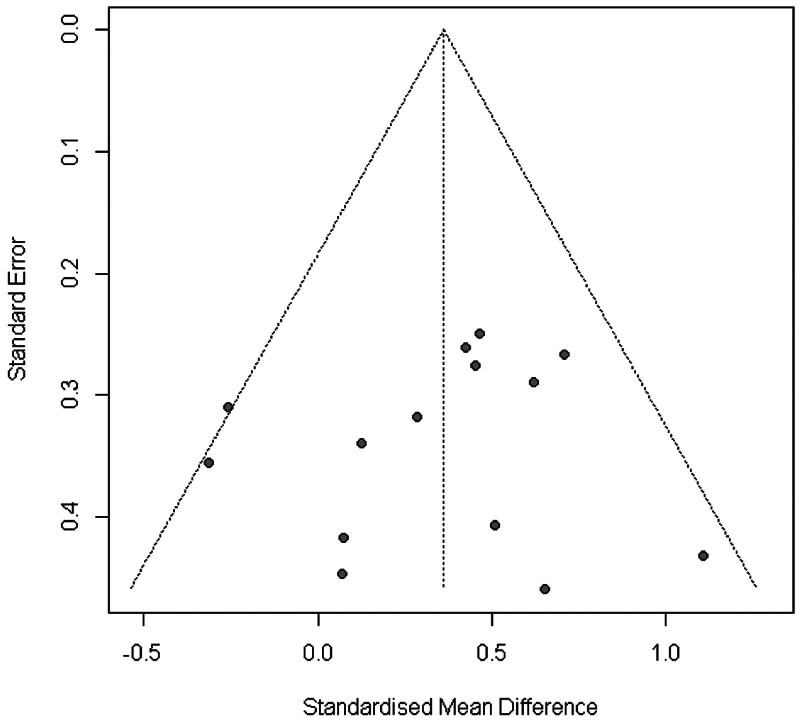
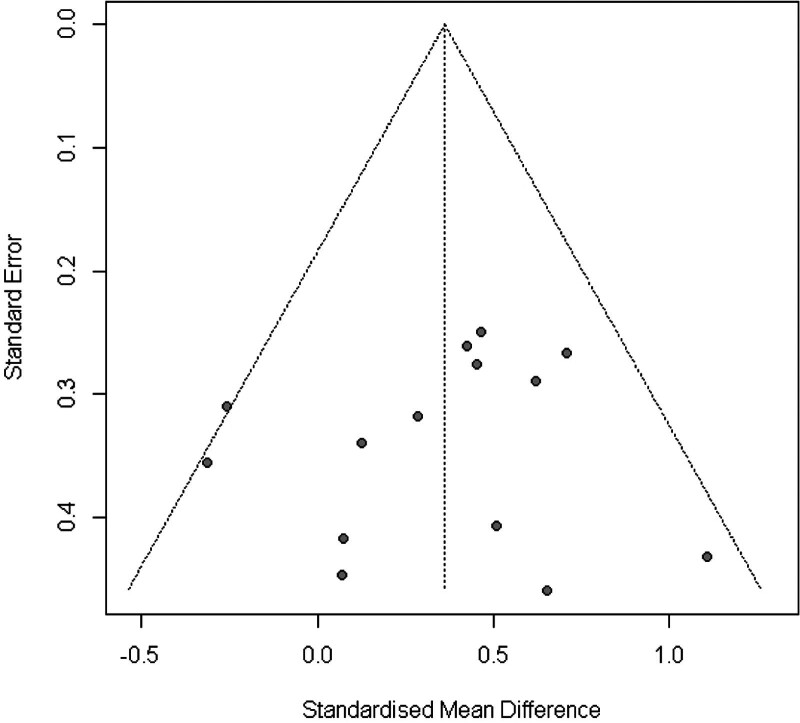
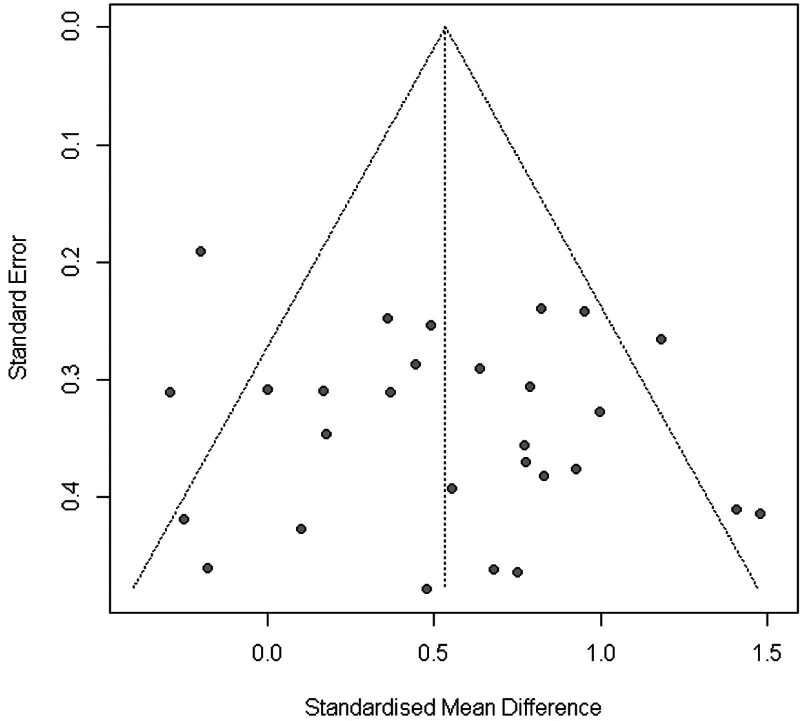
This review was reported in accordance with the Protocol Statement of Preferred Reporting Element Guidelines for Systematic Reviews and Meta-Analysis included controlled trials; whole-body electromyostimulation trials with at least 1 exercise and control group; participants >18 years old. Outcome measures were defined as standardized mean differences for muscle mass, body fat mass, strength, and power. Studies were searched in the following electronic databases: PubMed, Web of Science, Scopus, SPORTDiscus, and EMBASE for all articles published up to July 30, 2021. The risk of bias was assessed by 2 independent researchers using the Physiotherapy Evidence Database scale and Grading of Recommendations, Assessment, Development and Evaluations approach. Analyses were performed using the metafor package of the statistical software R (version 4.0.3; R Core Team, 2020). Random effects models, forest, and funnel plots to quantify the asymmetry associated with publication bias were fitted using the metafor library in R. Statistical heterogeneity was assessed using I2 statistics.
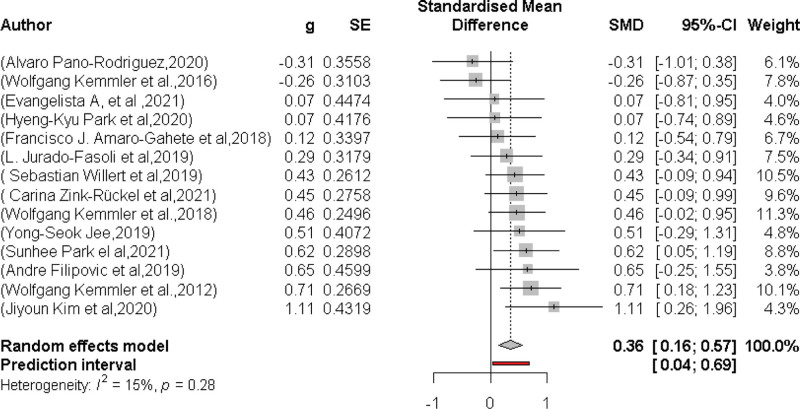
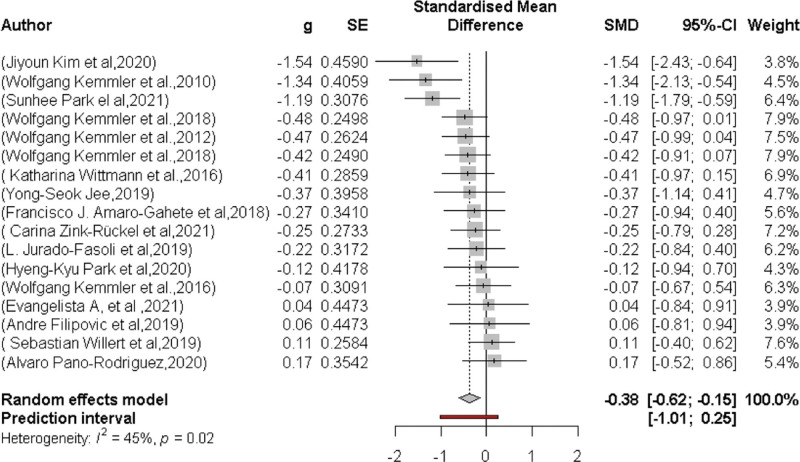
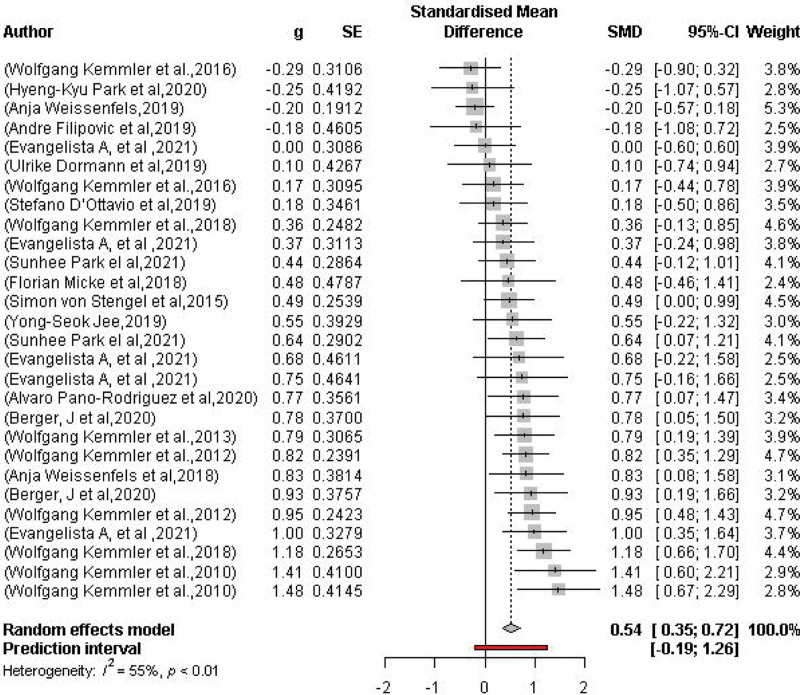
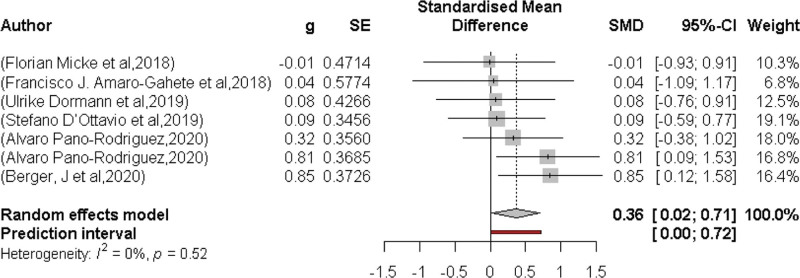
In total, 26 studies representing 1183 participants were included (WB-electromyostimulation: n = 586 and control group: n = 597). The mean age of the participants ranged from a minimum of 20.4 to a maximum of 77.4 years old. Interventions lasted a minimum of 4 and a maximum of 54 weeks. Standardized mean difference was 0.36 (95% confidence interval [CI]: 0.16-0.57) for muscle mass, -0.38 (95% CI: -0.62-0.15) for body fat, 0.54 (95% CI: 0.35-0.72) for strength, and 0.36 (95% CI: 0.02-0.71) for power with significant differences between groups (all P < .04). I2 revealed low heterogeneity of muscle mass (15%) and power (0%) between trials and medium heterogeneity of body fat (45%) and strength (55%).
We concluded that WB-electromyostimulation has significant positive effects on muscle mass, body fat, strength, and power.
本系统评价和荟萃分析旨在确定全身肌肉电刺激对活跃和非活跃成年人(年龄≥18 岁)的身体成分、力量和肌肉力量的疗效。
本综述按照系统评价和荟萃分析首选报告要素指南的方案声明进行报告,包括对照试验;全身肌电刺激试验至少有 1 个运动组和对照组;参与者年龄大于 18 岁。结果测量定义为肌肉质量、体脂肪质量、力量和功率的标准化均数差。研究在以下电子数据库中进行搜索:PubMed、Web of Science、Scopus、SPORTDiscus 和 EMBASE,以获取截至 2021 年 7 月 30 日发表的所有文章。两名独立研究人员使用物理治疗证据数据库量表和推荐评估、制定和评估方法评估偏倚风险。使用 R 统计软件(版本 4.0.3;R 核心团队,2020 年)的 metafor 包进行分析。随机效应模型、森林和漏斗图用于拟合与发表偏倚相关的不对称性,使用 R 中的 metafor 库进行拟合。使用 I2 统计评估统计异质性。
共有 26 项研究代表 1183 名参与者被纳入(全身电刺激组:n=586,对照组:n=597)。参与者的平均年龄从最小的 20.4 岁到最大的 77.4 岁不等。干预时间最短 4 周,最长 54 周。标准化均数差为 0.36(95%置信区间[CI]:0.16-0.57)的肌肉质量,-0.38(95% CI:-0.62-0.15)的体脂肪,0.54(95% CI:0.35-0.72)的力量,和 0.36(95% CI:0.02-0.71)的功率,两组间差异有统计学意义(均 P <.04)。I2 显示肌肉质量(15%)和功率(0%)试验之间的异质性较低,体脂肪(45%)和力量(55%)试验之间的异质性中等。
我们得出结论,全身电刺激对肌肉质量、体脂肪、力量和功率有显著的积极影响。