The Quzhou Affiliated Hospital of Wenzhou Medical University, Quzhou People's Hospital, Quzhou, 324000, Zhejiang, China.
Istituto Italiano di Tecnologia, Centre for Materials Interfaces, Pontedera, 56025, Italy.
Mil Med Res. 2023 Feb 24;10(1):8. doi: 10.1186/s40779-023-00443-1.
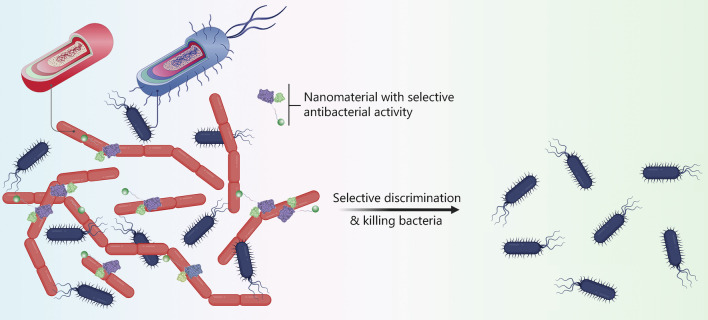
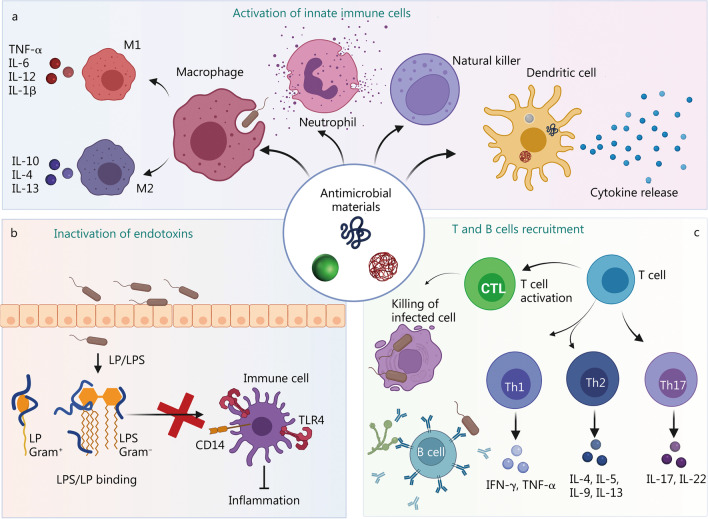
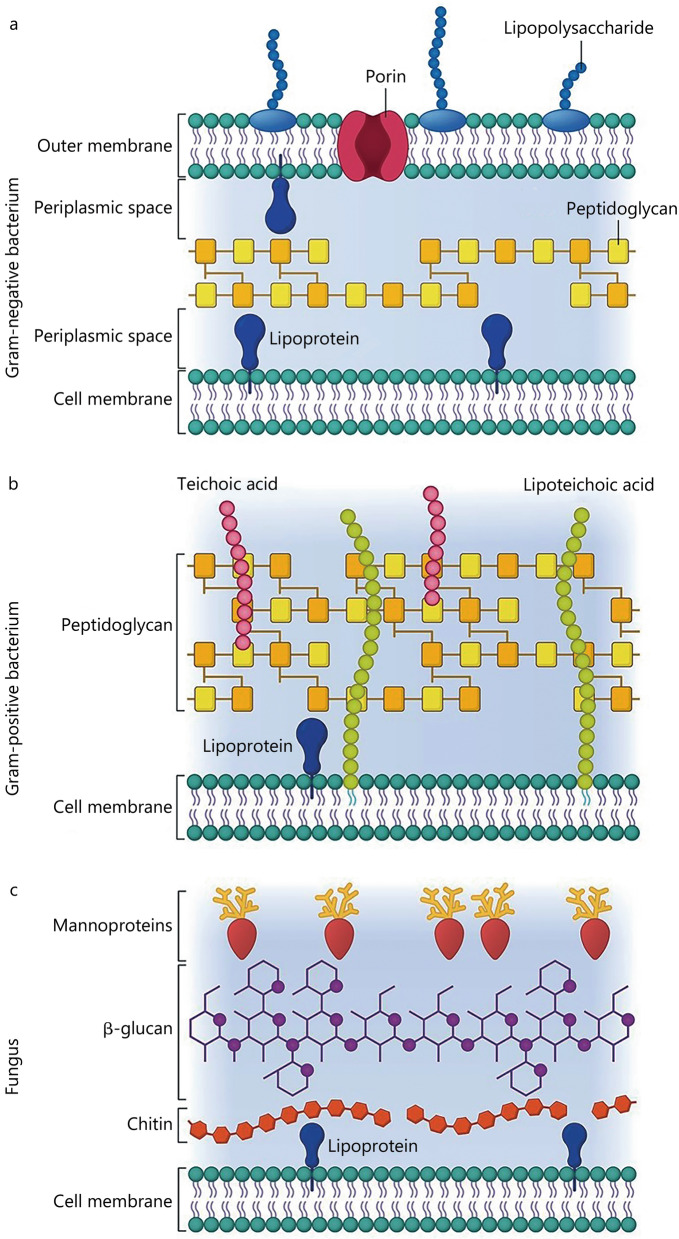
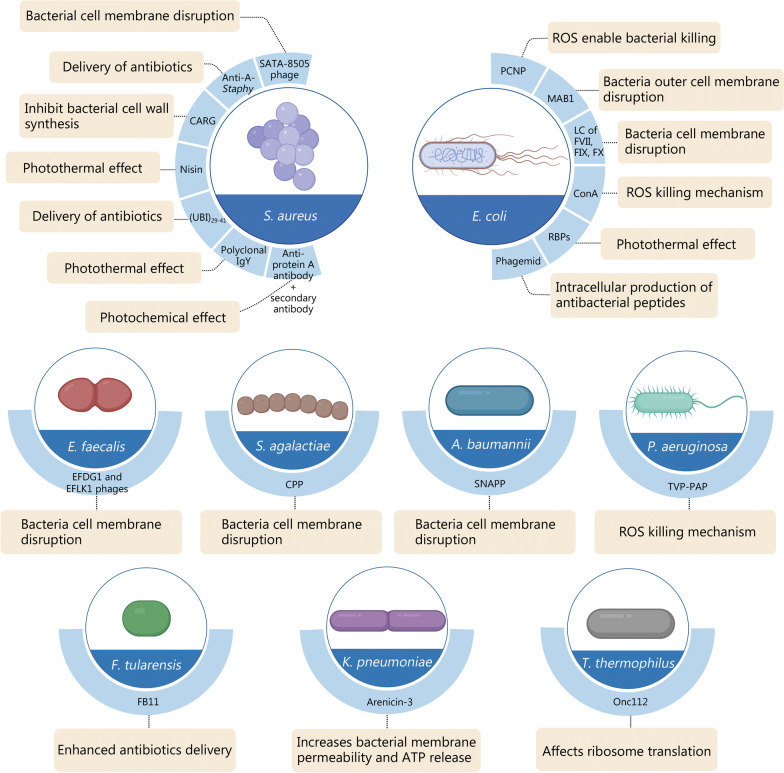
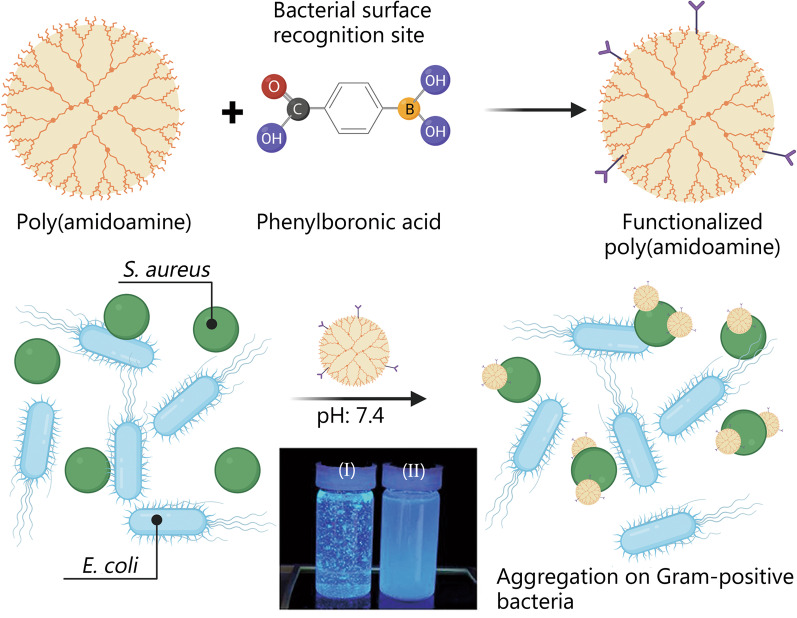
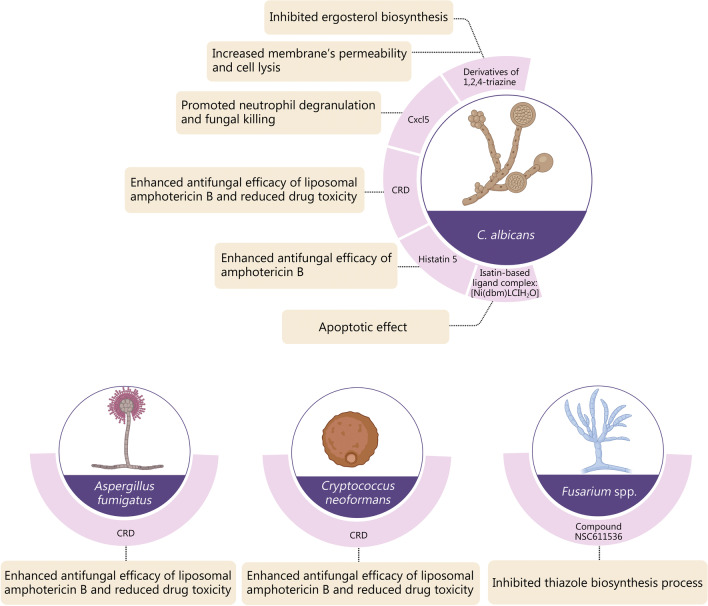
Fungi and bacteria afflict humans with innumerous pathogen-related infections and ailments. Most of the commonly employed microbicidal agents target commensal and pathogenic microorganisms without discrimination. To distinguish and fight the pathogenic species out of the microflora, novel antimicrobials have been developed that selectively target specific bacteria and fungi. The cell wall features and antimicrobial mechanisms that these microorganisms involved in are highlighted in the present review. This is followed by reviewing the design of antimicrobials that selectively combat a specific community of microbes including Gram-positive and Gram-negative bacterial strains as well as fungi. Finally, recent advances in the antimicrobial immunomodulation strategy that enables treating microorganism infections with high specificity are reviewed. These basic tenets will enable the avid reader to design novel approaches and compounds for antibacterial and antifungal applications.
真菌和细菌会导致人类感染无数与病原体相关的感染和疾病。大多数常用的杀菌剂不加区分地针对共生菌和病原菌。为了从微生物群中区分和对抗病原菌,已经开发出了新型的抗菌药物,这些药物选择性地针对特定的细菌和真菌。本综述重点介绍了这些微生物涉及的细胞壁特征和抗菌机制。接下来,我们回顾了选择性对抗特定微生物群落的抗菌药物的设计,包括革兰氏阳性和革兰氏阴性细菌菌株以及真菌。最后,我们综述了抗菌免疫调节策略的最新进展,该策略能够实现高度特异性地治疗微生物感染。这些基本原则将使读者能够设计出用于抗菌和抗真菌应用的新方法和化合物。