
乙醇提取的蔓越莓果渣对鸡肝细胞肠炎沙门氏菌感染的抗氧化和细胞保护作用
Antioxidative and Cytoprotective Efficacy of Ethanolic Extracted Cranberry Pomace against Enteritidis Infection in Chicken Liver Cells.
作者信息
Ahmed Nada, El-Fateh Mohamed, Amer Magdy S, El-Shafei Reham A, Bilal Muhammad, Diarra Moussa S, Zhao Xin
机构信息
Department of Animal Science, McGill University, Sainte-Anne-de-Bellevue, Montreal, QC H9X 3V9, Canada.
Department of Pharmacology, Faculty of Veterinary Medicine, Mansoura University, El-Dakhelia, Mansoura 35516, Egypt.
出版信息
Antioxidants (Basel). 2023 Feb 11;12(2):460. doi: 10.3390/antiox12020460.
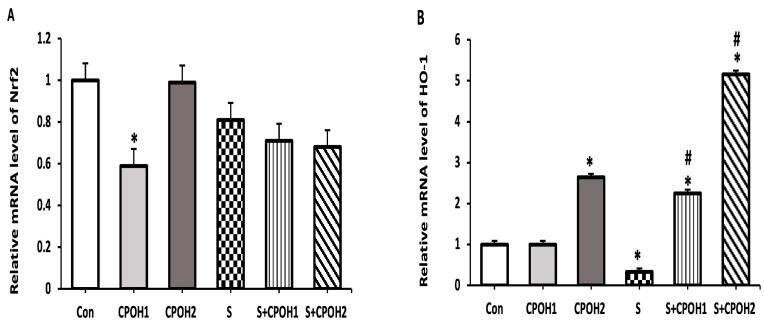
serovar Enteritidis is a globally significant zoonotic foodborne pathogen. Chicken liver is a vital organ that has been recently implicated in several reported human salmonellosis outbreaks in the U.S. One promising strategy for reducing Salmonella in chickens could be through supplementation with natural antimicrobial additives. Ethanolic extracted cranberry pomace (CPOH) is an excellent source of bioactive polyphenolic compounds with antioxidant and antimicrobial activities. However, the protective effect of CPOH against -induced chicken hepatic cell damage remains unclear. In this study, we used a chicken hepatoma cell (LMH) infection model to investigate the protective effects and potential mechanisms of CPOH. CPOH increased the viability of -infected LMH cells. Furthermore, CPOH reduced the adhesion and invasion of to LMH cells. CPOH downregulated the expression of Rho GTPase genes that are essential for Salmonella's entry into LMH cells. Additionally, the expression of antioxidant regulatory genes, such as Nrf2, HO-1, Txn, and Gclc, was increased. Our data show that CPOH effectively protected LMH cells from cell damage through the inhibition of adhesion and invasion, as well as the induction of the expression of master antioxidant genes. These findings offer opportunities to develop sustainable, safe, and economic strategies to reduce the colonization and pathogenesis of .
肠炎血清型是一种在全球范围内具有重要意义的人畜共患食源性病原体。鸡肝是一个重要器官,最近在美国几起报告的人类沙门氏菌病疫情中被牵连。减少鸡体内沙门氏菌的一种有前景的策略可能是通过补充天然抗菌添加剂。乙醇提取的酸果蔓果渣(CPOH)是具有抗氧化和抗菌活性的生物活性多酚化合物的极佳来源。然而,CPOH对诱导的鸡肝细胞损伤的保护作用仍不清楚。在本研究中,我们使用鸡肝癌细胞(LMH)感染模型来研究CPOH的保护作用和潜在机制。CPOH提高了感染的LMH细胞的活力。此外,CPOH减少了对LMH细胞的粘附和侵袭。CPOH下调了沙门氏菌进入LMH细胞所必需的Rho GTPase基因的表达。此外,抗氧化调节基因如Nrf2、HO-1、Txn和Gclc的表达增加。我们的数据表明,CPOH通过抑制粘附和侵袭以及诱导主要抗氧化基因的表达,有效地保护LMH细胞免受细胞损伤。这些发现为制定可持续、安全和经济的策略以减少的定植和发病机制提供了机会。


 Zotero 插件