Tonev Dimitar G, Momchilova Albena B
Department of Anesthesiology and Intensive Care, Medical University of Sofia, University Hospital "Tzaritza Yoanna-ISUL", 1527 Sofia, Bulgaria.
Institute of Biophysics and Biomedical Engineering, Bulgarian Academy of Science, 1113 Sofia, Bulgaria.
Biomedicines. 2023 Jan 25;11(2):328. doi: 10.3390/biomedicines11020328.
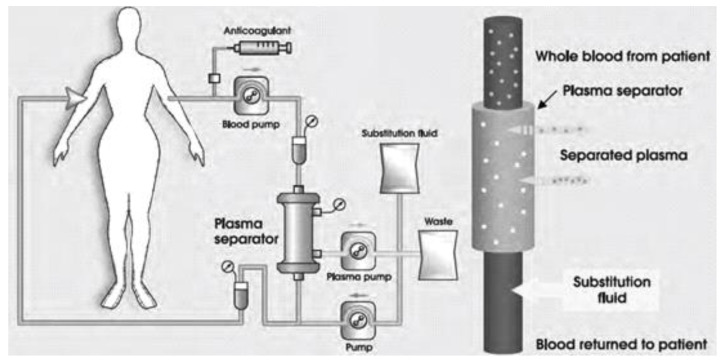
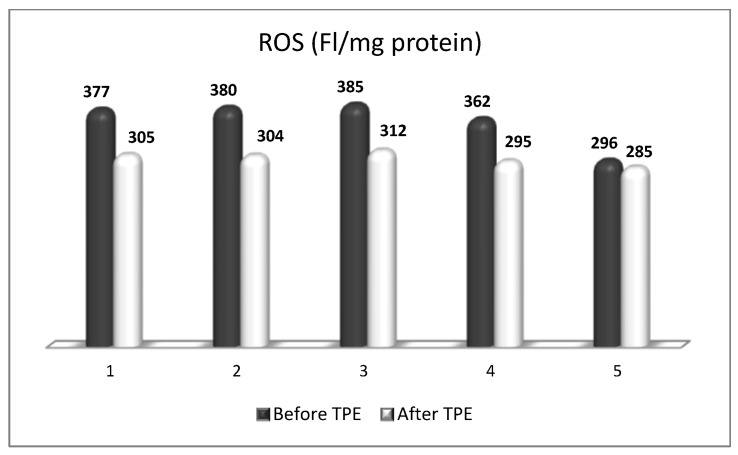
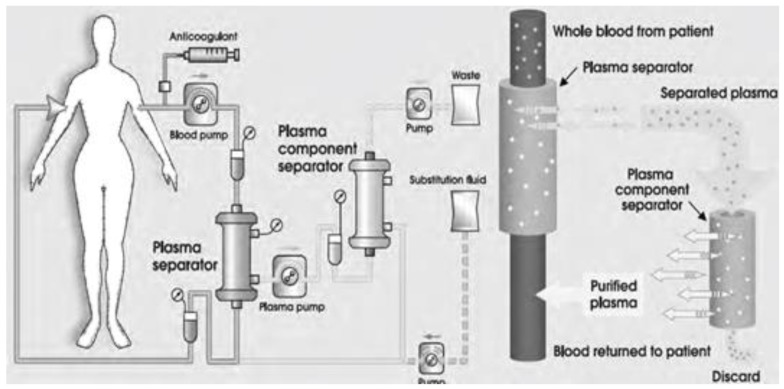
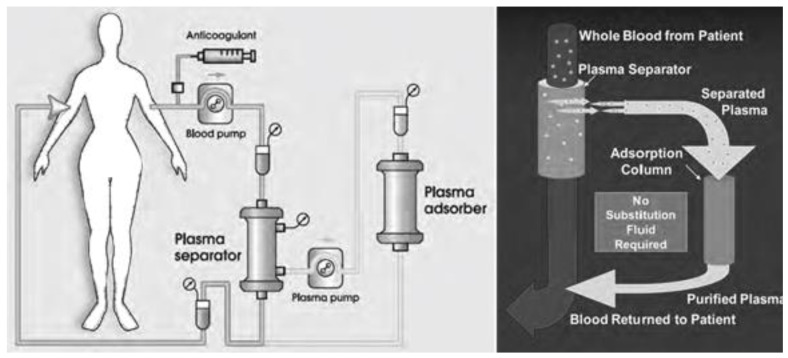
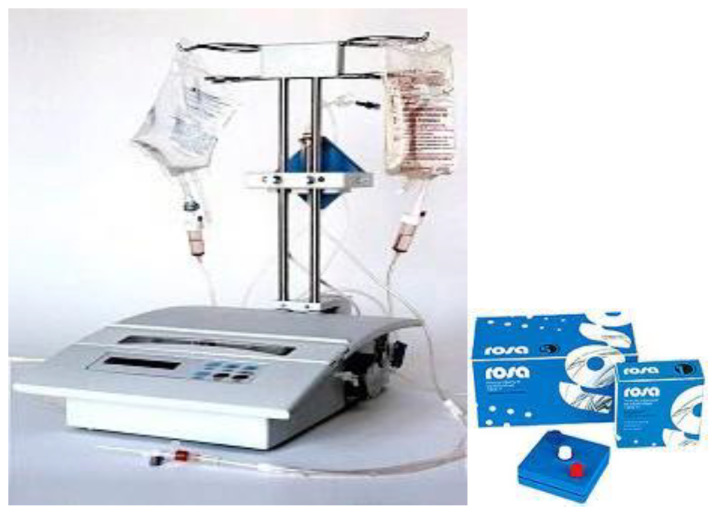
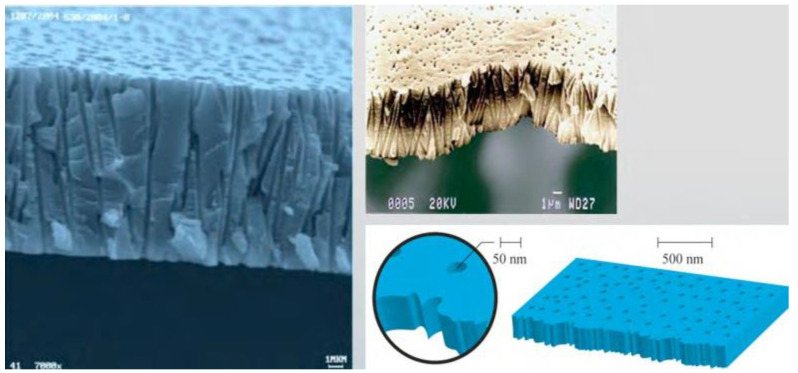
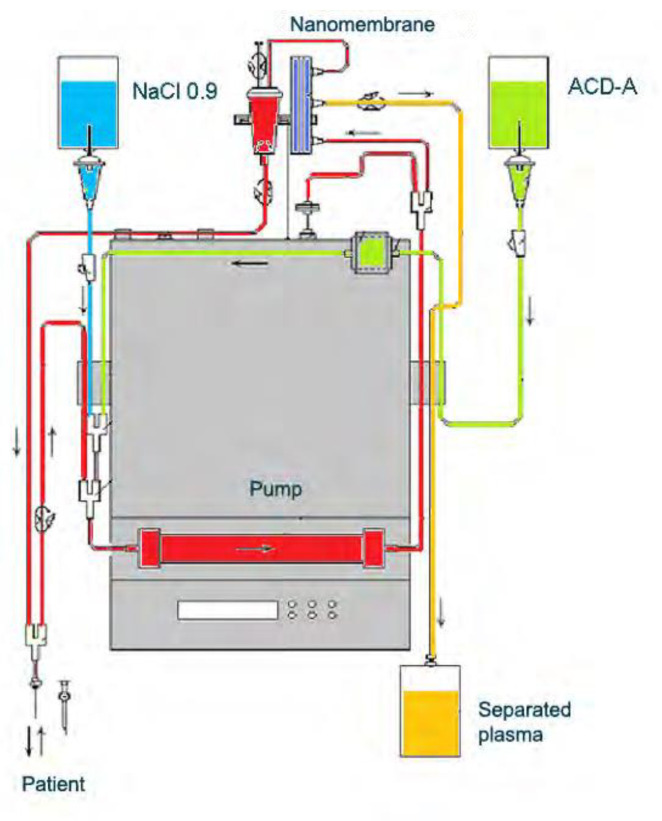
Therapeutic plasma exchange (TPE) is an efficient extracorporeal blood purification technique to remove circulating autoantibodies and other pathogenic substances. Its mechanism of action in immune-mediated neurological disorders includes immediate intravascular reduction of autoantibody concentration, pulsed induction of antibody redistribution, and subsequent immunomodulatory changes. Conventional TPE with 1 to 1.5 total plasma volume (TPV) exchange is a well-established treatment in Guillain-Barre Syndrome, Chronic Inflammatory Demyelinating Polyradiculoneuropathy, Neuromyelitis Optica Spectrum Disorder, Myasthenia Gravis and Multiple Sclerosis. There is insufficient evidence for the efficacy of so-called low volume plasma exchange (LVPE) (<1 TPV exchange) implemented either by the conventional or by a novel nanomembrane-based TPE in these neurological conditions, including their impact on conductivity and neuroregenerative recovery. In this narrative review, we focus on the role of nanomembrane-based technology as an alternative LVPE treatment option in these neurological conditions. Nanomembrane-based technology is a promising type of TPE, which seems to share the basic advantages of the conventional one, but probably with fewer adverse effects. It could play a valuable role in patient management by ameliorating neurological symptoms, improving disability, and reducing oxidative stress in a cost-effective way. Further research is needed to identify which patients benefit most from this novel TPE technology.
治疗性血浆置换(TPE)是一种有效的体外血液净化技术,用于清除循环中的自身抗体和其他致病物质。其在免疫介导的神经系统疾病中的作用机制包括立即在血管内降低自身抗体浓度、脉冲诱导抗体重新分布以及随后的免疫调节变化。在吉兰-巴雷综合征、慢性炎症性脱髓鞘性多发性神经根神经病、视神经脊髓炎谱系障碍、重症肌无力和多发性硬化症中,采用1至1.5个总血浆量(TPV)交换的传统TPE是一种成熟的治疗方法。在这些神经系统疾病中,无论是传统的还是基于新型纳米膜的TPE实施所谓的小容量血浆置换(LVPE)(<1个TPV交换),其疗效证据不足,包括其对电导率和神经再生恢复的影响。在这篇叙述性综述中,我们重点关注基于纳米膜的技术作为这些神经系统疾病中小容量血浆置换替代治疗选择的作用。基于纳米膜的技术是一种有前景的TPE类型,它似乎具有传统TPE的基本优点,但可能副作用较少。它可以通过改善神经症状、改善残疾状况并以具有成本效益的方式降低氧化应激,在患者管理中发挥重要作用。需要进一步研究以确定哪些患者从这种新型TPE技术中获益最大。