Bauer Stefan, Blakeney William G, Wang Allan W, Ernstbrunner Lukas, Corbaz Jocelyn, Werthel Jean-David
Service d'Orthopédie et de Traumatologie, Chirurgie de l'Épaule, Ensemble Hospitalier de la Côte, 1110 Morges, Switzerland.
Medical School, University of Western Australia, 35 Sterling Highway, Perth, WA 6009, Australia.
J Clin Med. 2023 Feb 17;12(4):1616. doi: 10.3390/jcm12041616.
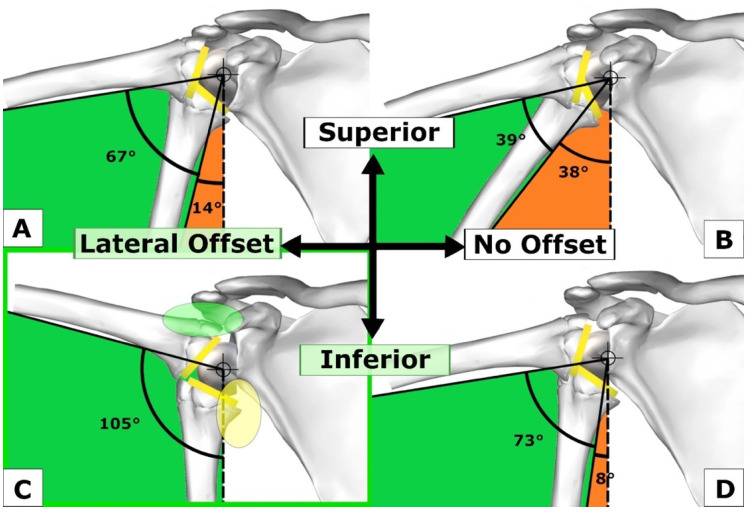
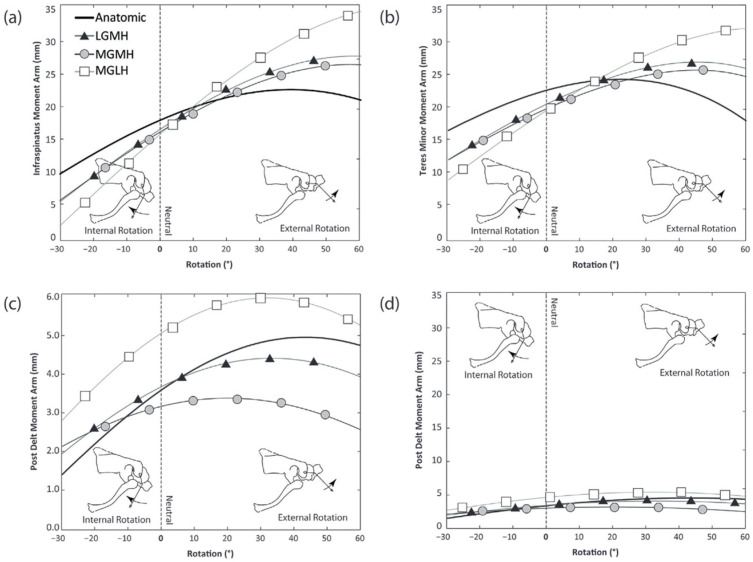
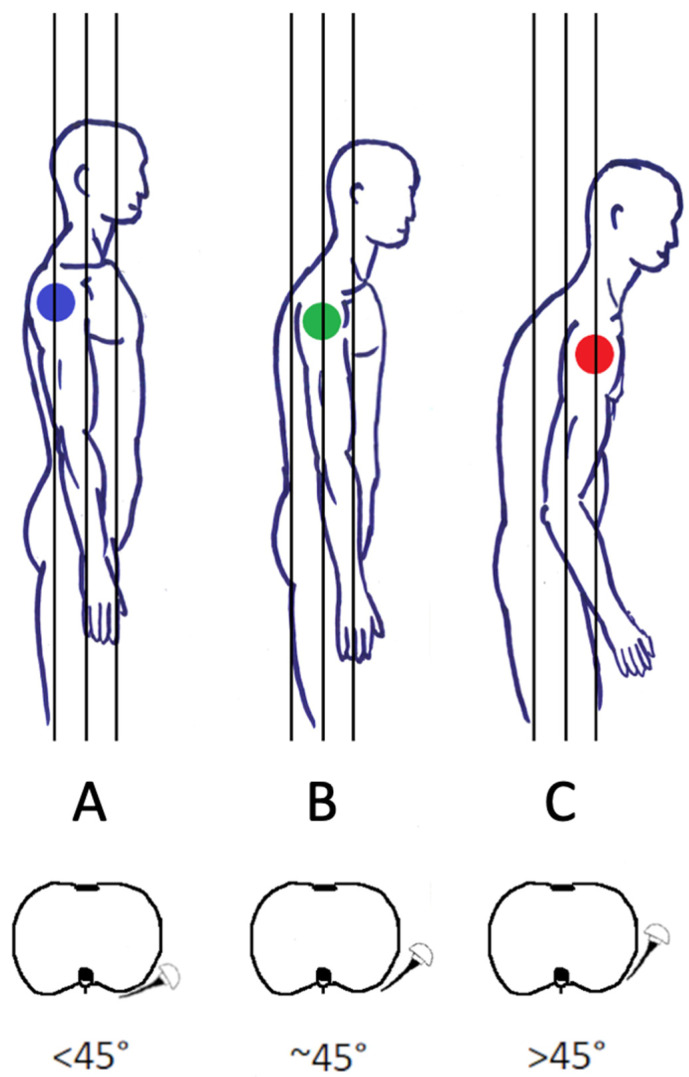
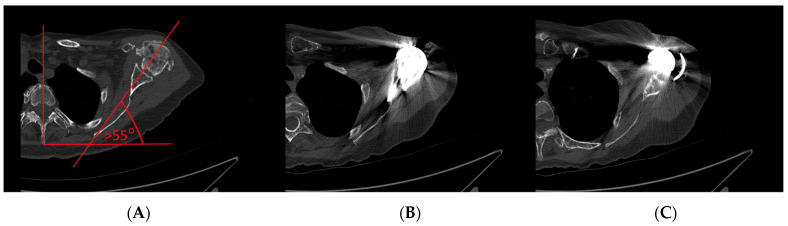
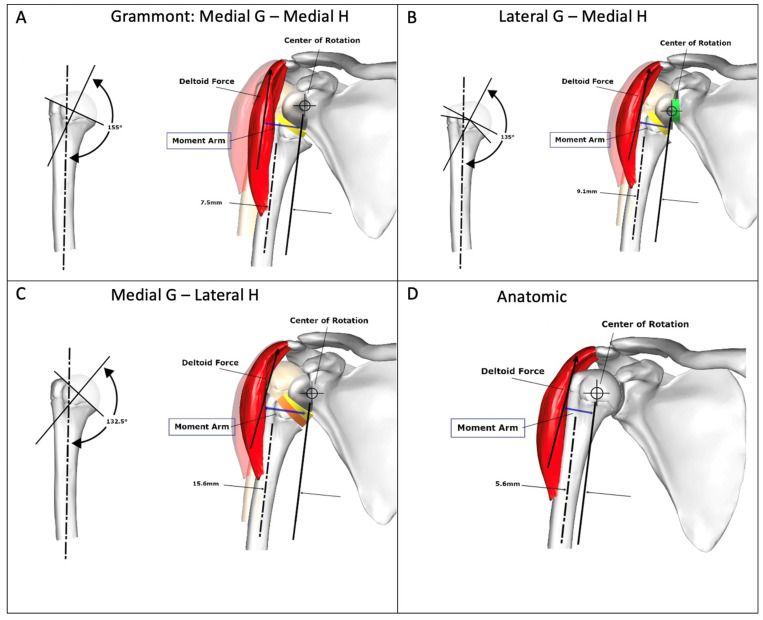
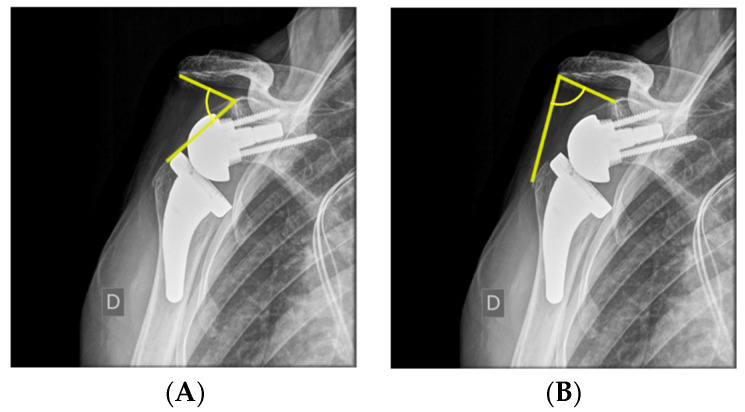
In part II of this comprehensive review on the optimization of reverse shoulder arthroplasty (RSA), we focus on three other challenges: 1. "Conservation of sufficient subacromial and coracohumeral space"; 2. "Scapular posture"; and 3. "Moment arms and muscle tensioning". This paper follows a detailed review of the basic science and clinical literature of the challenges in part I: 1. "External rotation and extension" and 2. "Internal rotation". "Conservation of sufficient subacromial and coracohumeral space" and "Scapular posture" may have a significant impact on the passive and active function of RSA. Understanding the implications of "Moment arms and muscle tensioning" is essential to optimize active force generation and RSA performance. An awareness and understanding of the challenges of the optimization of RSA help surgeons prevent complications and improve RSA function and raise further research questions for ongoing study.
在这篇关于优化反肩关节置换术(RSA)的全面综述的第二部分中,我们关注其他三个挑战:1. “保留足够的肩峰下和喙肱间隙”;2. “肩胛姿势”;3. “力臂与肌肉张力”。本文继第一部分对挑战的基础科学和临床文献进行详细综述之后:1. “外旋与伸展”和2. “内旋”。“保留足够的肩峰下和喙肱间隙”以及“肩胛姿势”可能对RSA的被动和主动功能产生重大影响。理解“力臂与肌肉张力”的影响对于优化主动力产生和RSA性能至关重要。认识和理解RSA优化的挑战有助于外科医生预防并发症、改善RSA功能,并为正在进行的研究提出进一步的研究问题。