Cheatham Christa N, Gustafson Kevin L, McAdams Zachary L, Turner Giedre M, Dorfmeyer Rebecca A, Ericsson Aaron C
Comparative Medicine Program, Department of Veterinary Pathobiology, University of Missouri (MU), Columbia, MO 65201, USA.
Molecular Pathogenesis and Therapeutics Program, University of Missouri (MU), Columbia, MO 65201, USA.
Microorganisms. 2023 Feb 15;11(2):484. doi: 10.3390/microorganisms11020484.
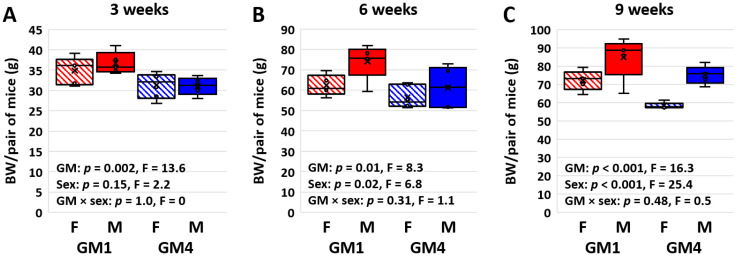
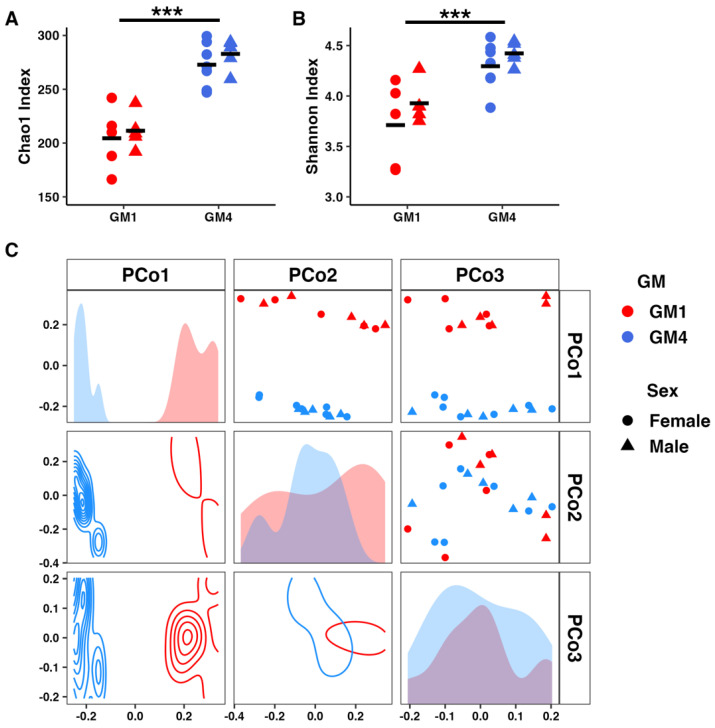
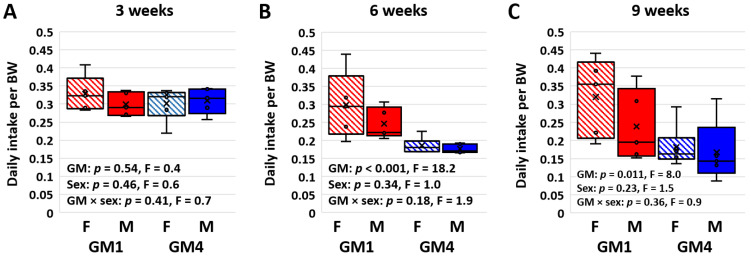
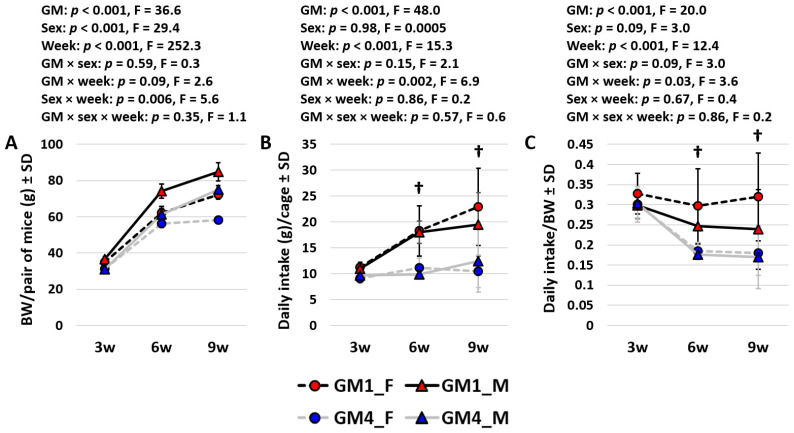
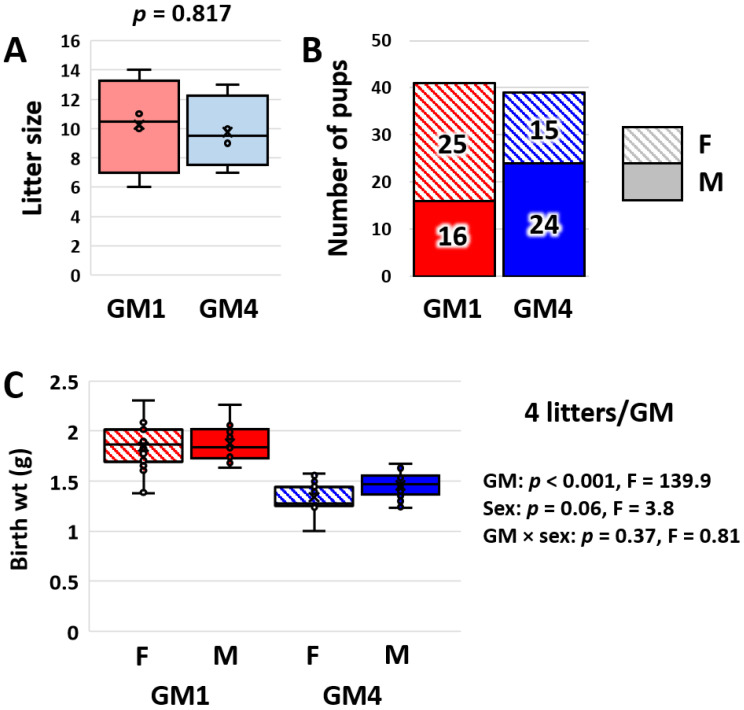
Obesity places a tremendous burden on individual health and the healthcare system. The gut microbiome (GM) influences host metabolism and behaviors affecting body weight (BW) such as feeding. The GM of mice varies between suppliers and significantly influences BW. We sought to determine whether GM-associated differences in BW are associated with differences in intake, fecal energy loss, or fetal growth. Pair-housed mice colonized with a low or high microbial richness GM were weighed, and the total and BW-adjusted intake were measured at weaning and adulthood. Pups were weighed at birth to determine the effects of the maternal microbiome on fetal growth. Fecal samples were collected to assess the fecal energy loss and to characterize differences in the microbiome. The results showed that supplier-origin microbiomes were associated with profound differences in fetal growth and excessive BW-adjusted differences in intake during adulthood, with no detected difference in fecal energy loss. Agreement between the features of the maternal microbiome associated with increased birth weight here and in recent human studies supports the value of this model to investigate the mechanisms by which the maternal microbiome regulates offspring growth and food intake.
肥胖给个人健康和医疗系统带来了巨大负担。肠道微生物群(GM)影响宿主代谢和影响体重(BW)的行为,如进食。小鼠的GM因供应商而异,并显著影响BW。我们试图确定与GM相关的BW差异是否与摄入量、粪便能量损失或胎儿生长的差异有关。对饲养在一起的、定植有低或高微生物丰富度GM的小鼠进行称重,并在断奶和成年期测量总摄入量和经BW调整后的摄入量。在出生时对幼崽称重,以确定母体微生物群对胎儿生长的影响。收集粪便样本以评估粪便能量损失并表征微生物群的差异。结果表明,供应商来源的微生物群与胎儿生长的显著差异以及成年期经BW调整后的摄入量过度差异有关,而未检测到粪便能量损失的差异。此处与出生体重增加相关的母体微生物群特征与最近人类研究结果的一致性,支持了该模型在研究母体微生物群调节后代生长和食物摄入机制方面的价值。