
构建具有合成人类肠道微生物组的无菌小鼠模型,以研究宿主-微生物相互作用。
Constructing a gnotobiotic mouse model with a synthetic human gut microbiome to study host-microbe cross talk.
机构信息
Department of Infection and Immunity, Luxembourg Institute of Health, Esch-sur-Alzette 4354, Luxembourg.
Faculty of Science, Technology and Medicine, University of Luxembourg, Esch-sur-Alzette 4365, Luxembourg.
出版信息
STAR Protoc. 2021 Jun 12;2(2):100607. doi: 10.1016/j.xpro.2021.100607. eCollection 2021 Jun 18.
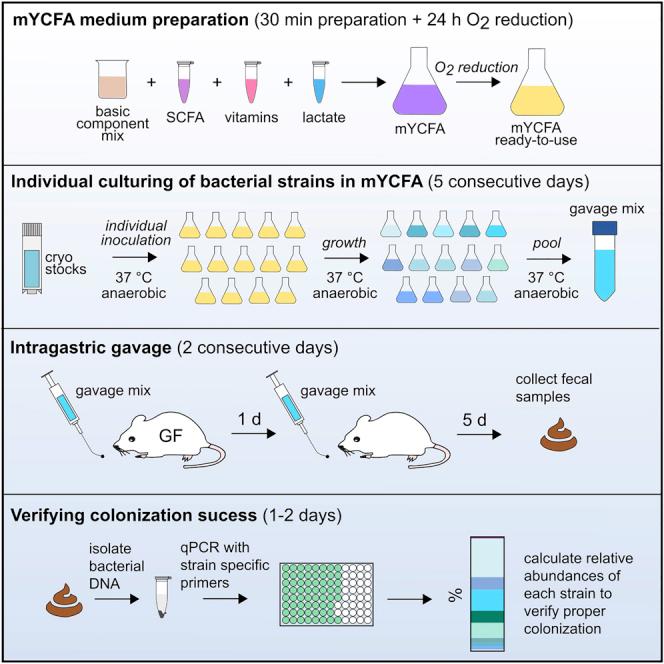
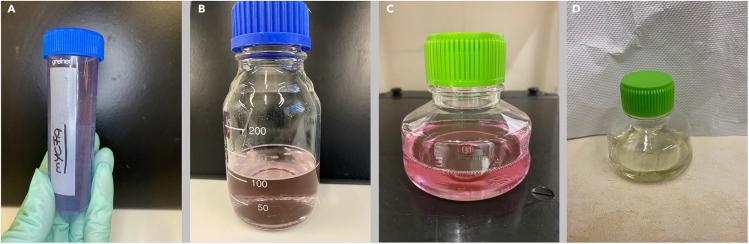
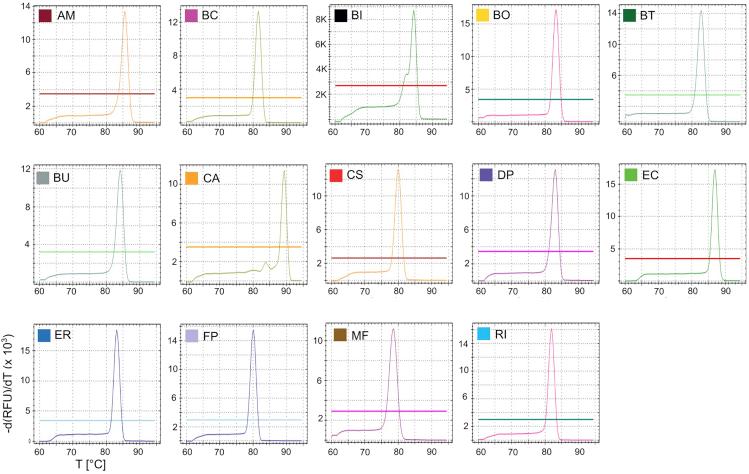
Reproducible models are necessary to address functional aspects of the gut microbiome in various diseases. Here, we present a gnotobiotic mouse model that allows for the investigation of specific microbial functions within the microbiome. We describe how to culture 14 different well-characterized human gut species and how to verify their proper colonization in germ-free mice. This protocol can be modified to add or remove certain species of interest to investigate microbial mechanistic details in various disease models. For complete details on the use and execution of this protocol, please refer to Desai et al. (2016).
可复制的模型对于研究各种疾病中肠道微生物组的功能方面是必要的。在这里,我们提出了一种无菌动物小鼠模型,可用于研究微生物组内特定的微生物功能。我们描述了如何培养 14 种不同的、特征明确的人类肠道物种,以及如何验证它们在无菌小鼠中的定植情况。该方案可以进行修改,以添加或去除某些感兴趣的物种,从而研究各种疾病模型中的微生物机制细节。有关使用和执行此方案的完整详细信息,请参阅 Desai 等人(2016 年)。







 Zotero 插件