Saldanha Leonor, Langel Ülo, Vale Nuno
OncoPharma Research Group, Center for Health Technology and Services Research (CINTESIS), Rua Doutor Plácido da Costa, 4200-450 Porto, Portugal.
CINTESIS@RISE, Faculty of Medicine, University of Porto, Alameda Professor Hernâni Monteiro, 4200-319 Porto, Portugal.
Pharmaceutics. 2023 Feb 15;15(2):654. doi: 10.3390/pharmaceutics15020654.
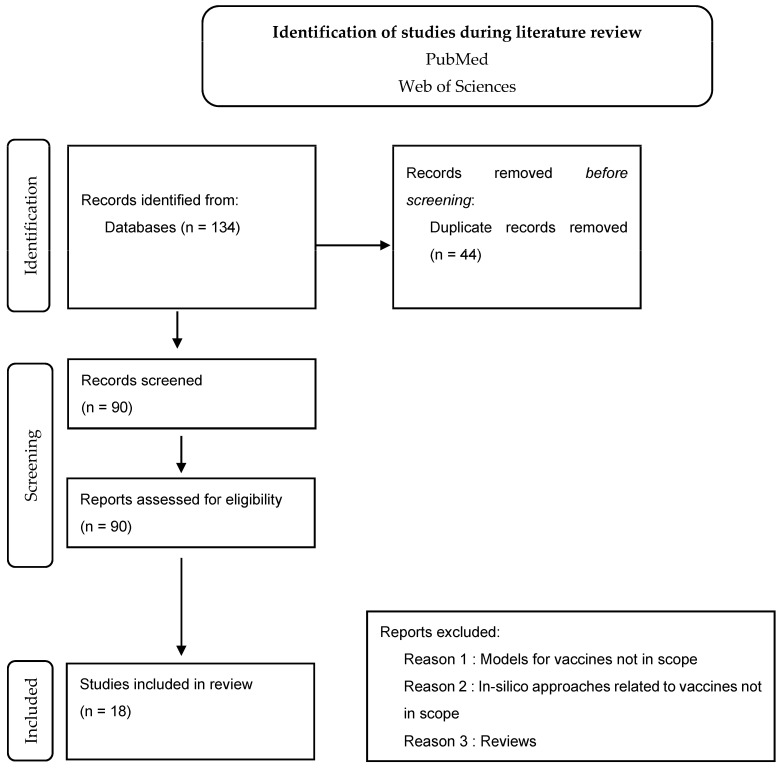
The progress that has been made in computer science positioned in silico studies as an important and well-recognized methodology in the drug discovery and development process. It has numerous advantages in terms of costs and also plays a huge impact on the way the research is conducted since it can limit the use of animal models leading to more sustainable research. Currently, human trials are already being partly replaced by in silico trials. EMA and FDA are both endorsing these studies and have been providing webinars and guidance to support them. For instance, PBPK modeling studies are being used to gather data on drug interactions with other drugs and are also being used to support clinical and regulatory requirements for the pediatric population, pregnant women, and personalized medicine. This trend evokes the need to understand the role of in silico studies in vaccines, considering the importance that these products achieved during the pandemic and their promising hope in oncology. Vaccines are safer than other current oncology treatments. There is a huge variety of strategies for developing a cancer vaccine, and some of the points that should be considered when designing the vaccine technology are the following: delivery platforms (peptides, lipid-based carriers, polymers, dendritic cells, viral vectors, etc.), adjuvants (to boost and promote inflammation at the delivery site, facilitating immune cell recruitment and activation), choice of the targeted antigen, the timing of vaccination, the manipulation of the tumor environment, and the combination with other treatments that might cause additive or even synergistic anti-tumor effects. These and many other points should be put together to outline the best vaccine design. The aim of this article is to perform a review and comprehensive analysis of the role of in silico studies to support the development of and design of vaccines in the field of oncology and infectious diseases. The authors intend to perform a literature review of all the studies that have been conducted so far in preparing in silico models and methods to support the development of vaccines. From this point, it was possible to conclude that there are few in silico studies on vaccines. Despite this, an overview of how the existing work could support the design of vaccines is described.
计算机科学领域取得的进展使计算机模拟研究成为药物发现和开发过程中一种重要且广为人知的方法。它在成本方面有诸多优势,并且对研究方式也产生了巨大影响,因为它可以减少动物模型的使用,从而使研究更具可持续性。目前,人体试验已部分被计算机模拟试验所取代。欧洲药品管理局(EMA)和美国食品药品监督管理局(FDA)都在支持这些研究,并提供网络研讨会和指导以给予支持。例如,生理药代动力学(PBPK)建模研究正被用于收集药物与其他药物相互作用的数据,也被用于支持针对儿科人群、孕妇和个性化医疗的临床及监管要求。考虑到疫苗在疫情期间的重要性及其在肿瘤学方面的广阔前景,这一趋势引发了人们对了解计算机模拟研究在疫苗领域作用的需求。疫苗比目前其他肿瘤治疗方法更安全。开发癌症疫苗有多种策略,设计疫苗技术时应考虑的一些要点如下:递送平台(肽、脂质载体、聚合物、树突状细胞、病毒载体等)、佐剂(在递送部位增强和促进炎症,便于免疫细胞募集和激活)、靶向抗原的选择、接种时间、肿瘤微环境的调控以及与其他可能产生相加甚至协同抗肿瘤作用的治疗方法的联合使用。应综合考虑这些及许多其他要点来勾勒出最佳疫苗设计方案。本文的目的是对计算机模拟研究在肿瘤学和传染病领域支持疫苗开发与设计中的作用进行综述和全面分析。作者打算对迄今为止在制备支持疫苗开发的计算机模拟模型和方法方面所开展的所有研究进行文献综述。由此可以得出结论,关于疫苗的计算机模拟研究较少。尽管如此,本文还是描述了现有工作如何能够支持疫苗设计的概况。