Zhao Yuehan, Hou Zhaohua, Zhang Na, Ji Haipeng, Dong Chenghu, Yu Jinze, Chen Xueling, Chen Cunkun, Guo Honglian
College of Food Science and Engineering, Tianjin University of Science and Technology, Tianjin, China.
Institute of Agricultural Products Preservation and Processing Technology (National Engineering Technology Research Center for Preservation of Agriculture Product), Tianjin Academy of Agricultural Sciences, Key Laboratory of Postharvest Physiology and Storage of Agricultural Products, Ministry of Agriculture of the People's Republic of China, Tianjin Key Laboratory of Postharvest Physiology and Storage of Agricultural Products, Tianjin, China.
Front Plant Sci. 2023 Feb 9;14:1065465. doi: 10.3389/fpls.2023.1065465. eCollection 2023.
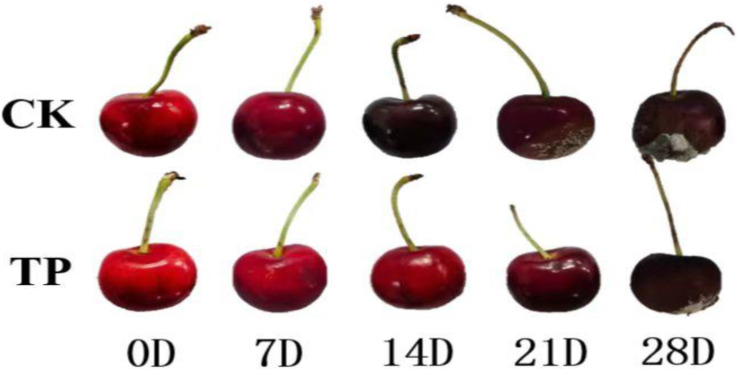
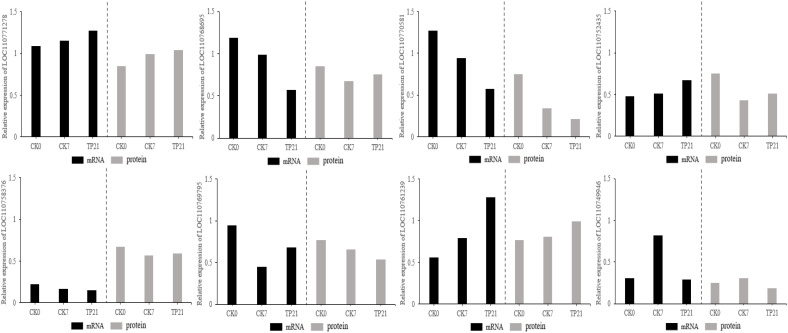
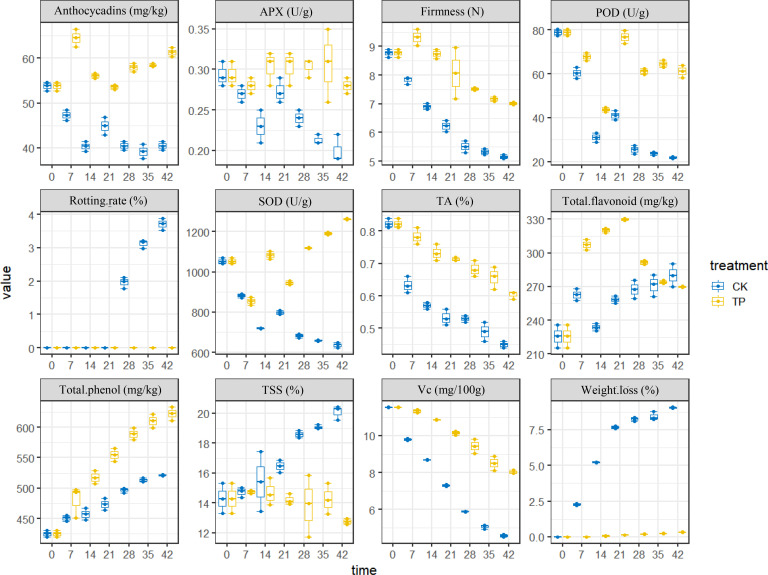
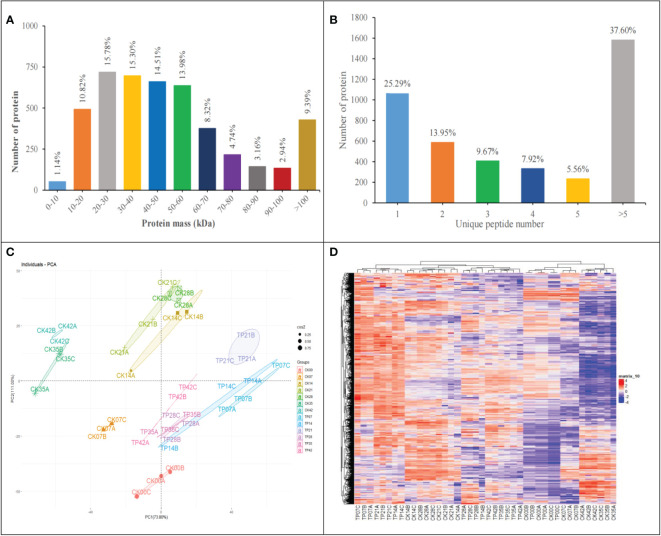
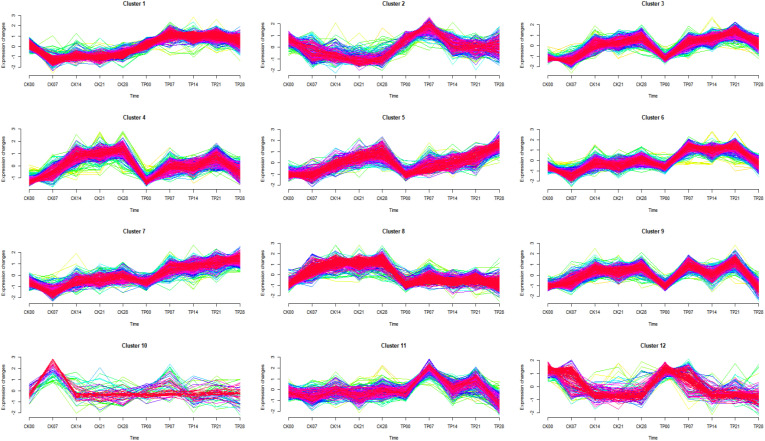
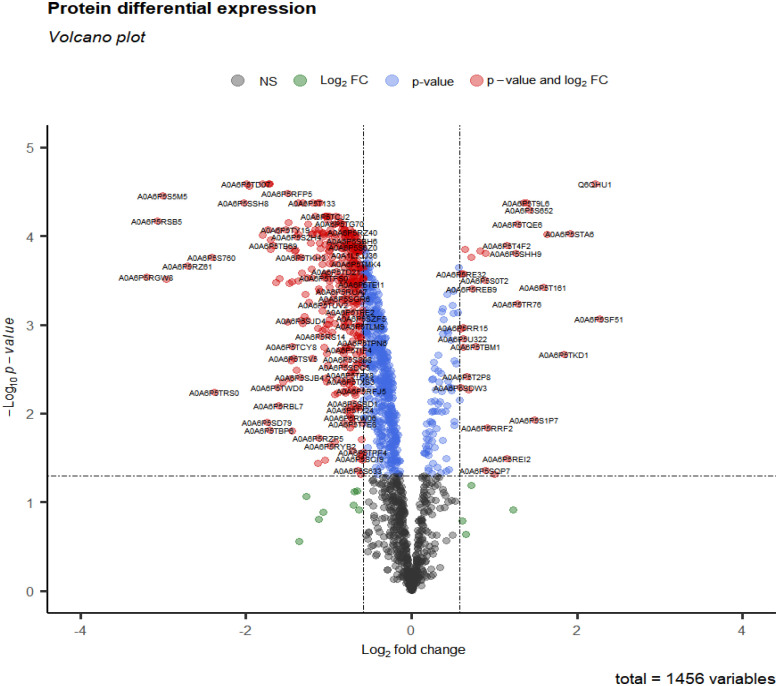
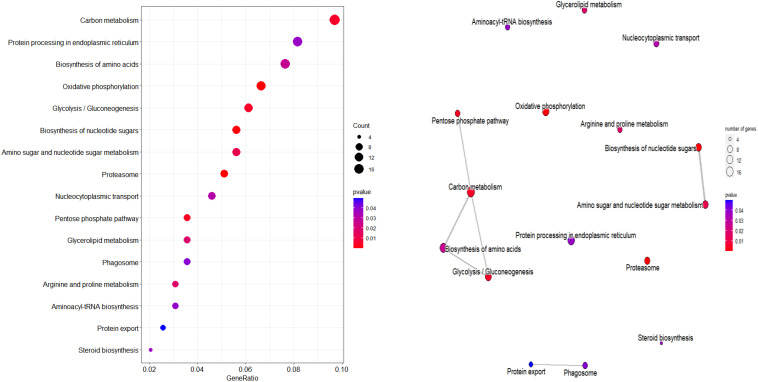
This research investigated the mechanism of ozone treatment on sweet cherry ( L.) by Lable-free quantification proteomics and physiological traits. The results showed that 4557 master proteins were identified in all the samples, and 3149 proteins were common to all groups. Mfuzz analyses revealed 3149 candidate proteins. KEGG annotation and enrichment analysis showed proteins related to carbohydrate and energy metabolism, protein, amino acids, and nucleotide sugar biosynthesis and degradation, and fruit parameters were characterized and quantified. The conclusions were supported by the fact that the qRT-PCR results agreed with the proteomics results. For the first time, this study reveals the mechanism of cherry in response to ozone treatment at a proteome level.
本研究通过无标记定量蛋白质组学和生理特性研究了臭氧处理甜樱桃(L.)的机制。结果表明,在所有样品中鉴定出4557种主要蛋白质,所有组共有3149种蛋白质。Mfuzz分析揭示了3149种候选蛋白质。KEGG注释和富集分析表明,与碳水化合物和能量代谢、蛋白质、氨基酸以及核苷酸糖生物合成和降解相关的蛋白质以及果实参数得到了表征和量化。qRT-PCR结果与蛋白质组学结果一致,支持了这些结论。本研究首次在蛋白质组水平揭示了樱桃对臭氧处理的响应机制。