Department of Computational Biology and Medical Sciences, Graduate School of Frontier Sciences, The University of Tokyo, Kashiwa, Japan.
RNA Systems Biochemistry Laboratory, RIKEN Cluster for Pioneering Research, Wako, Japan.
Elife. 2023 Feb 28;12:e81302. doi: 10.7554/eLife.81302.
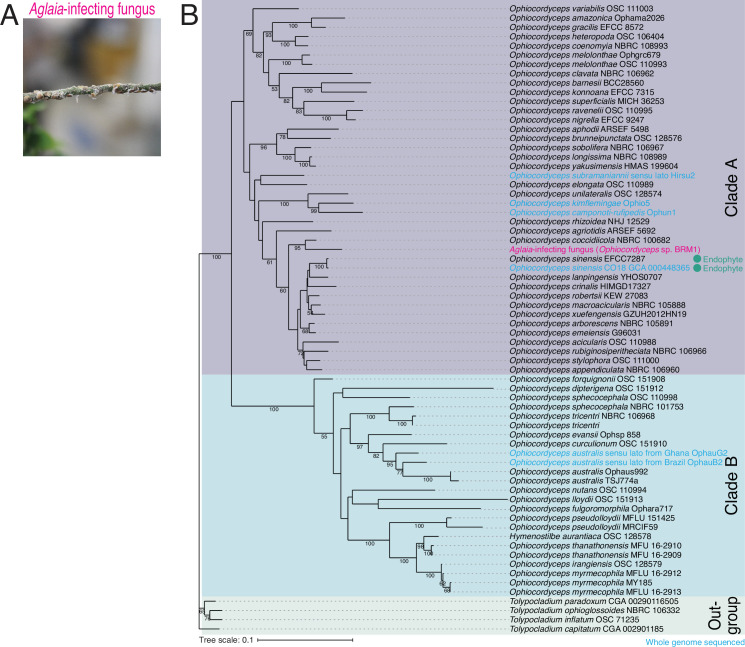
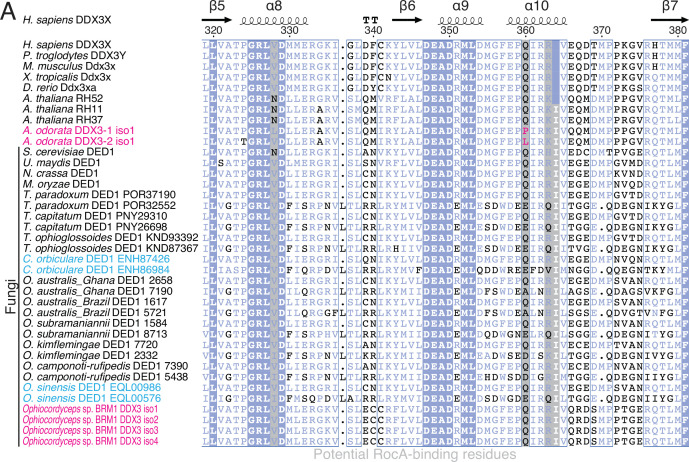
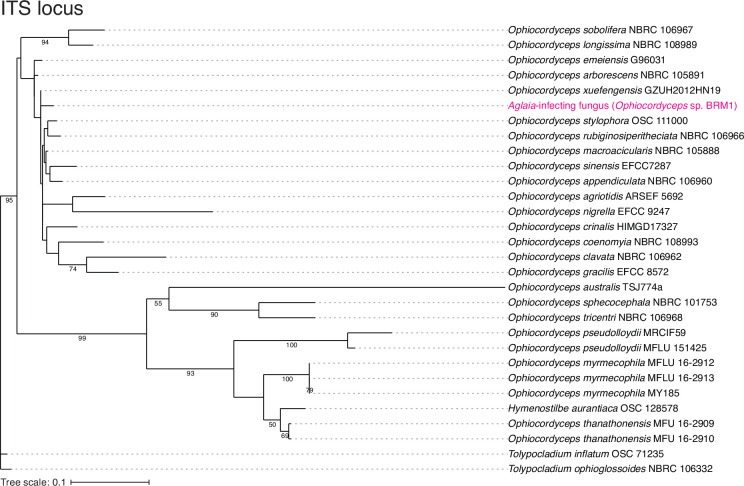
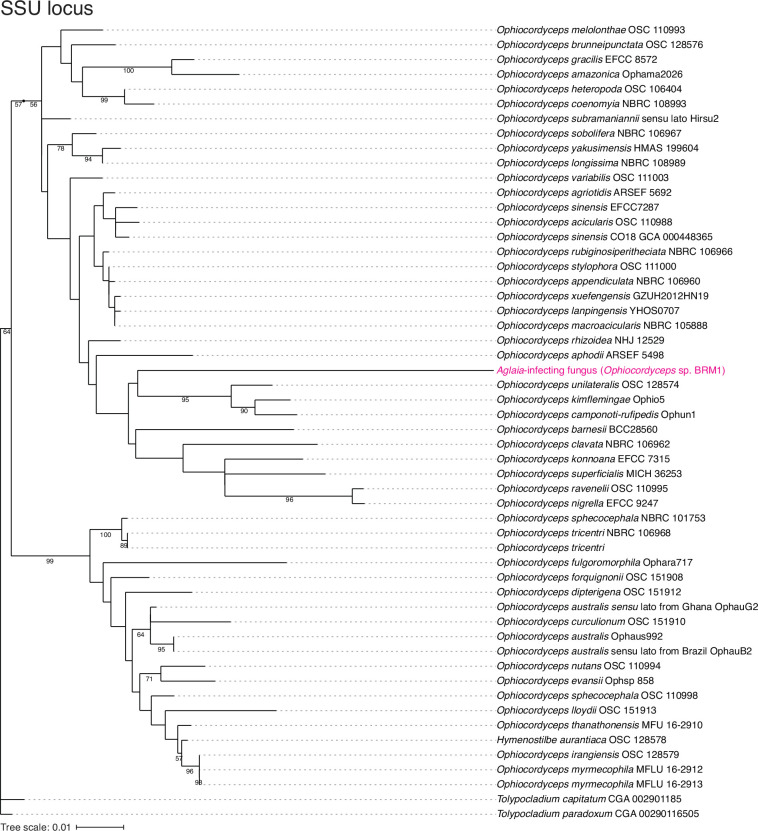
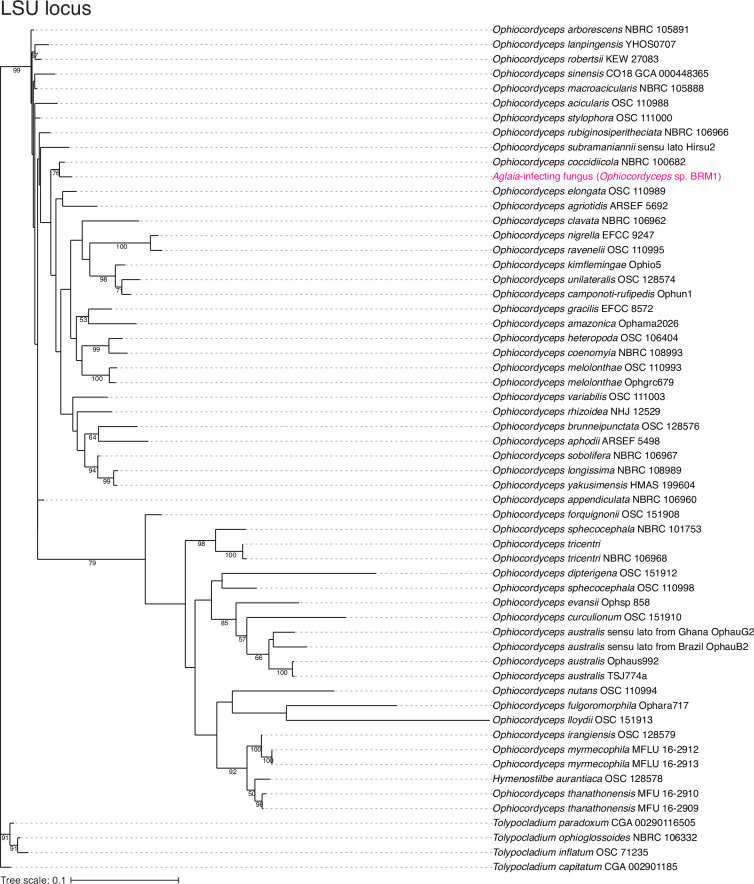
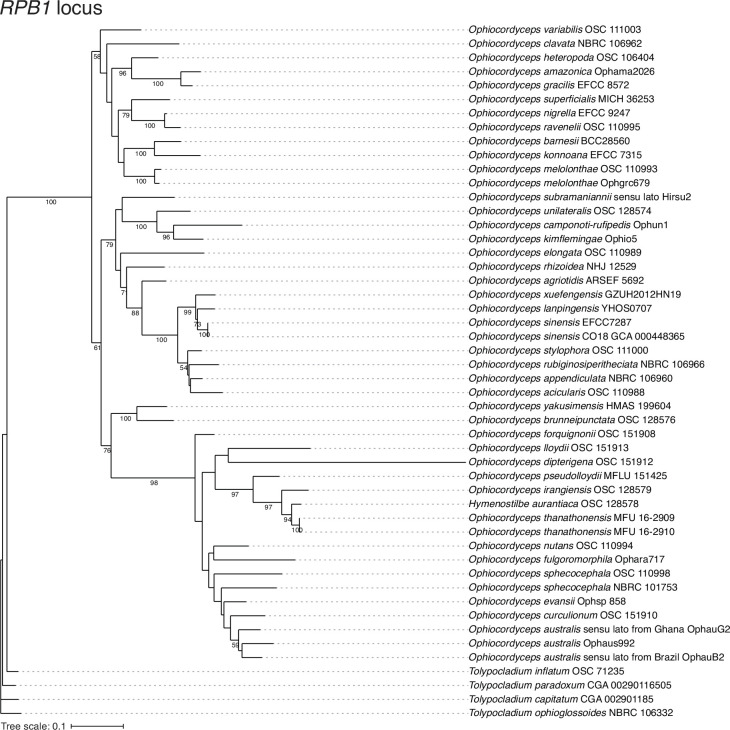
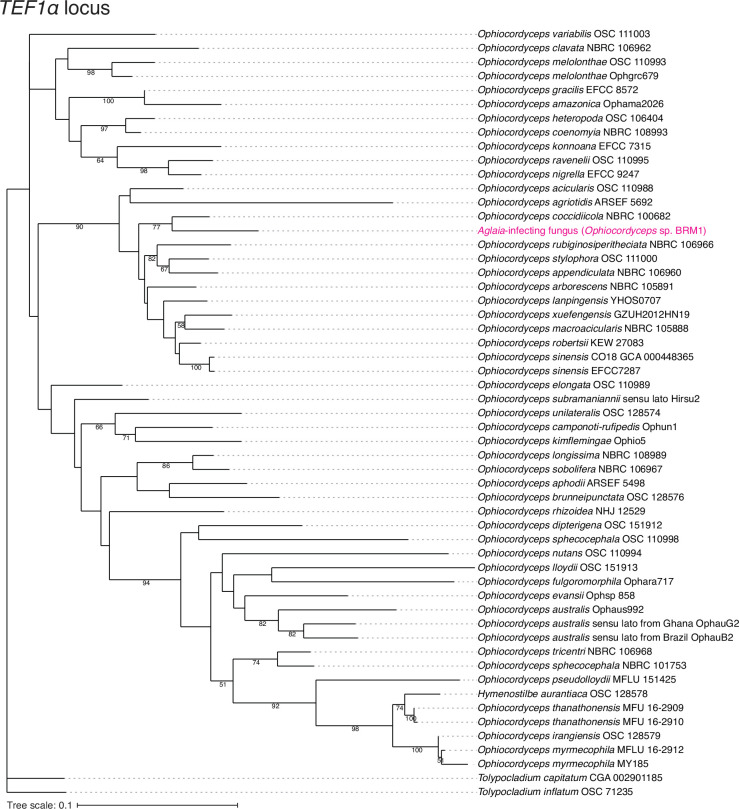
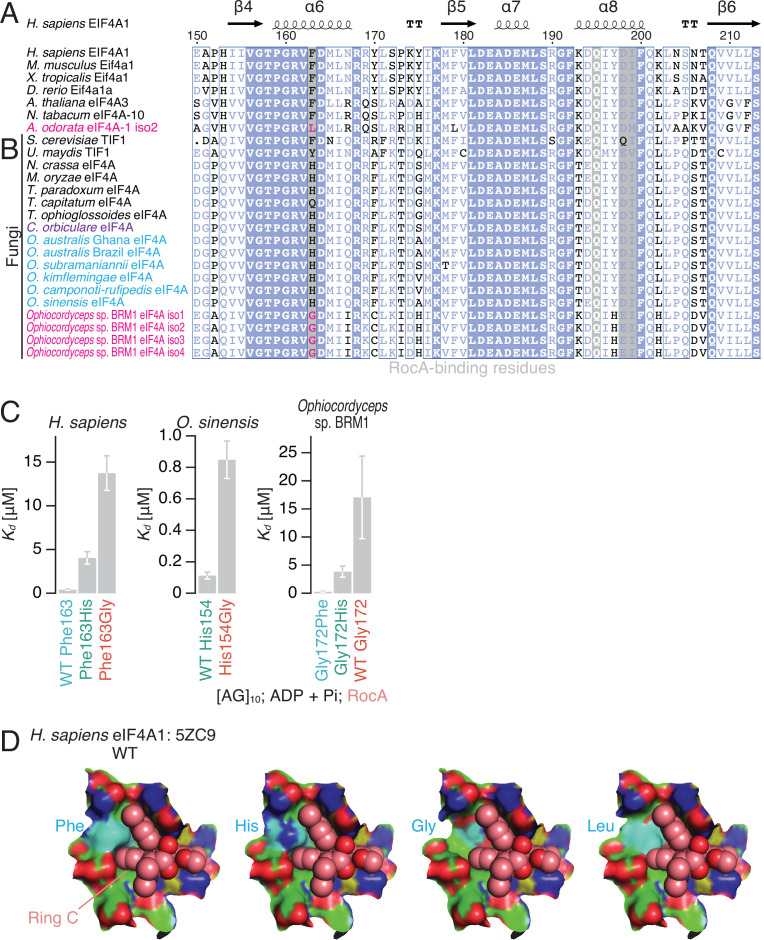
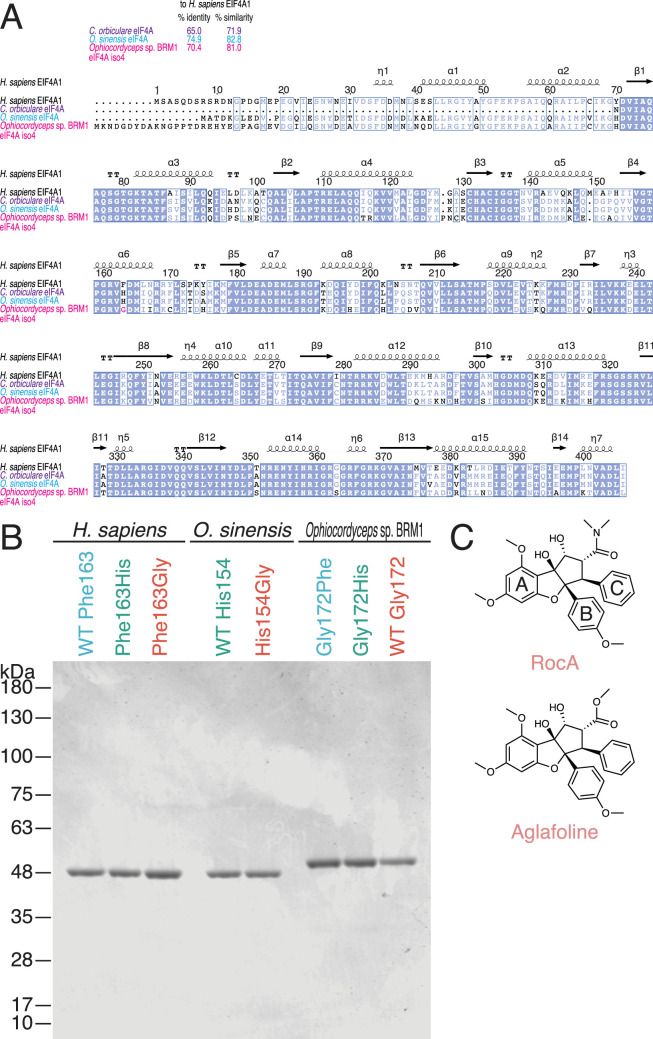
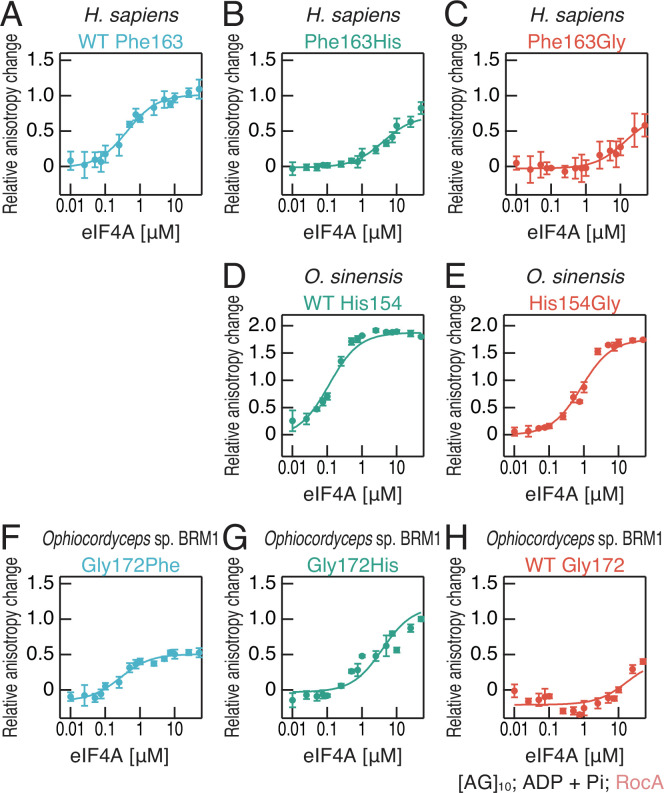
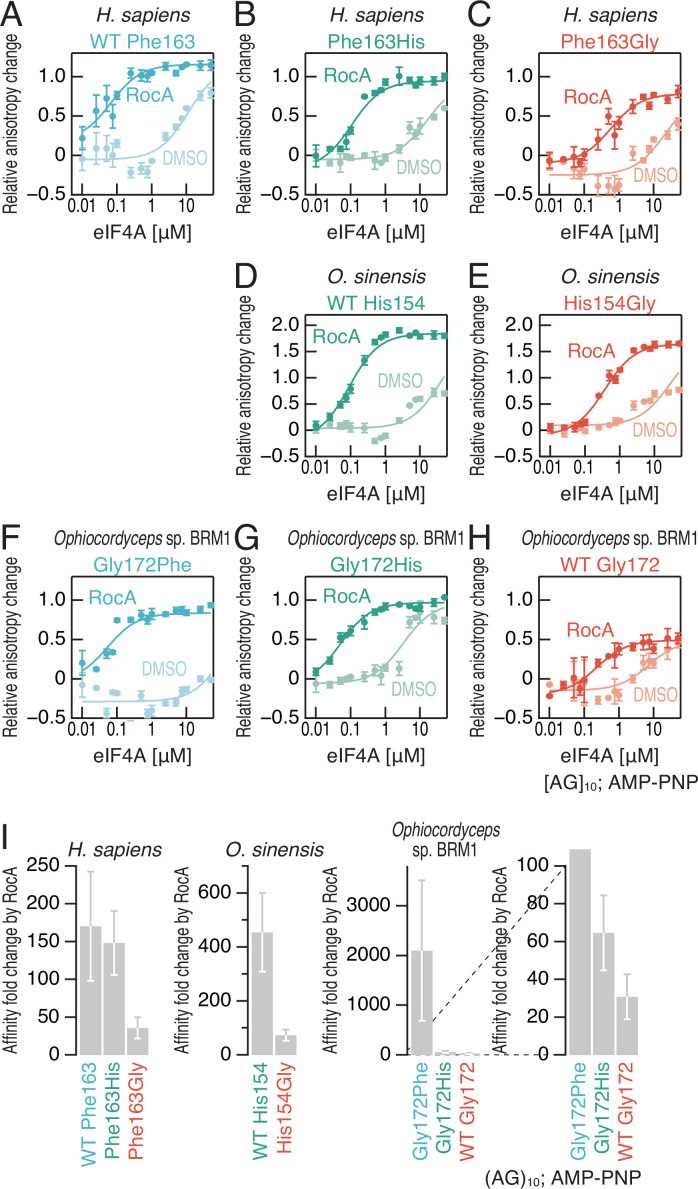
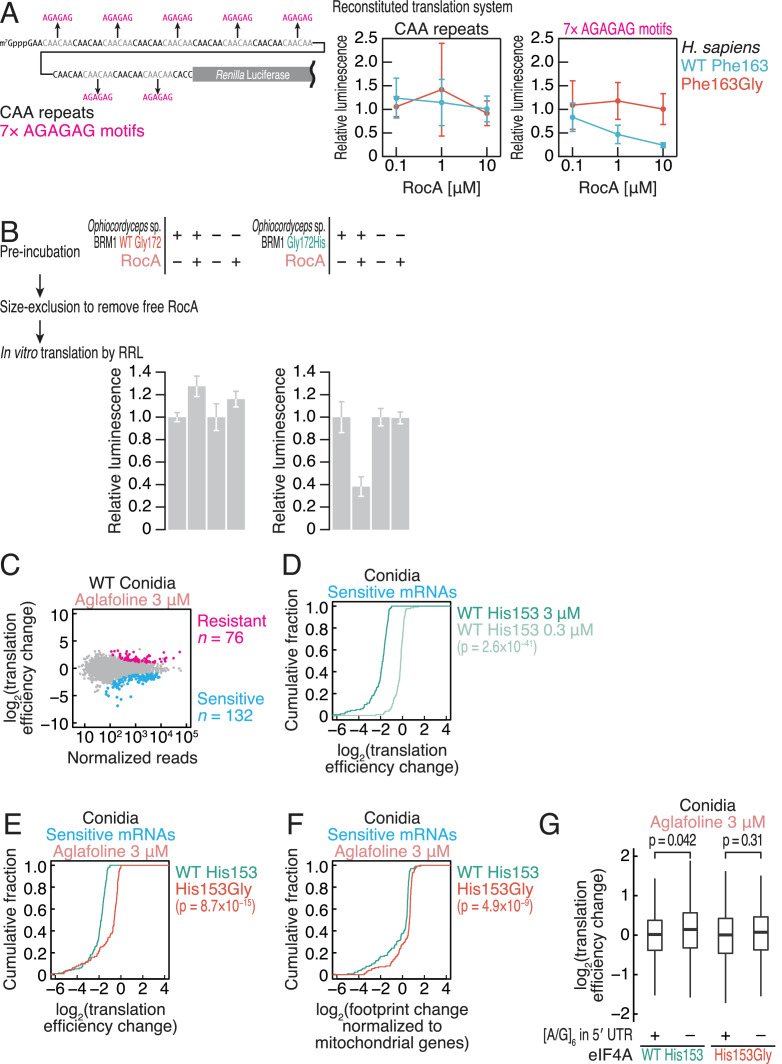
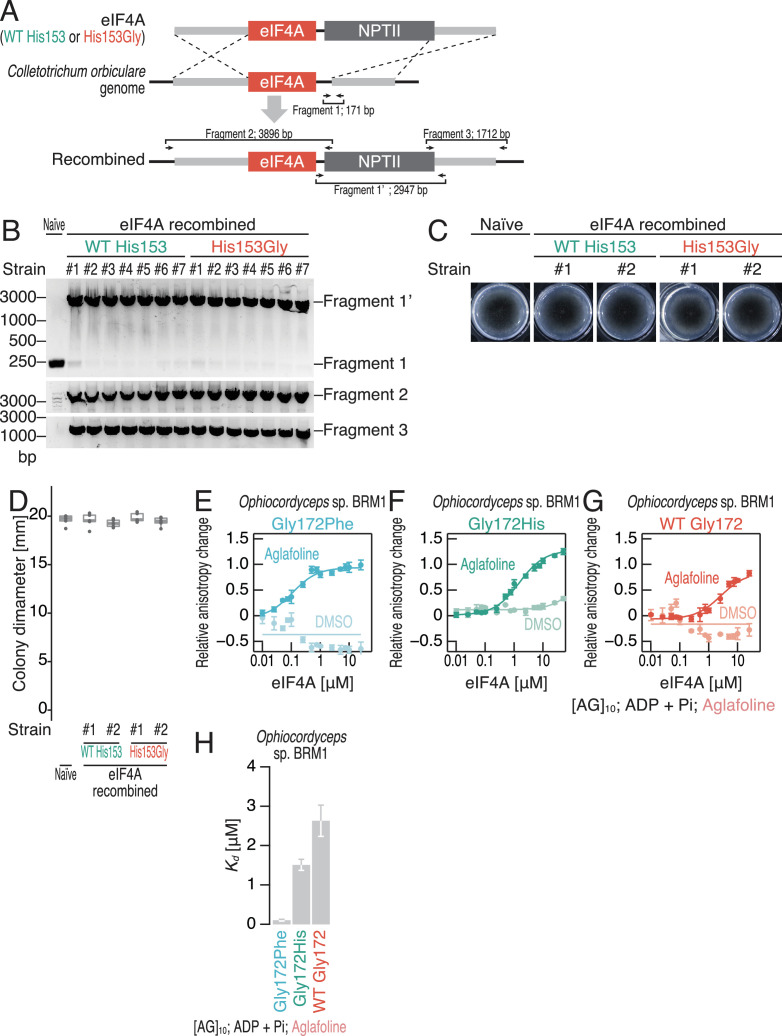
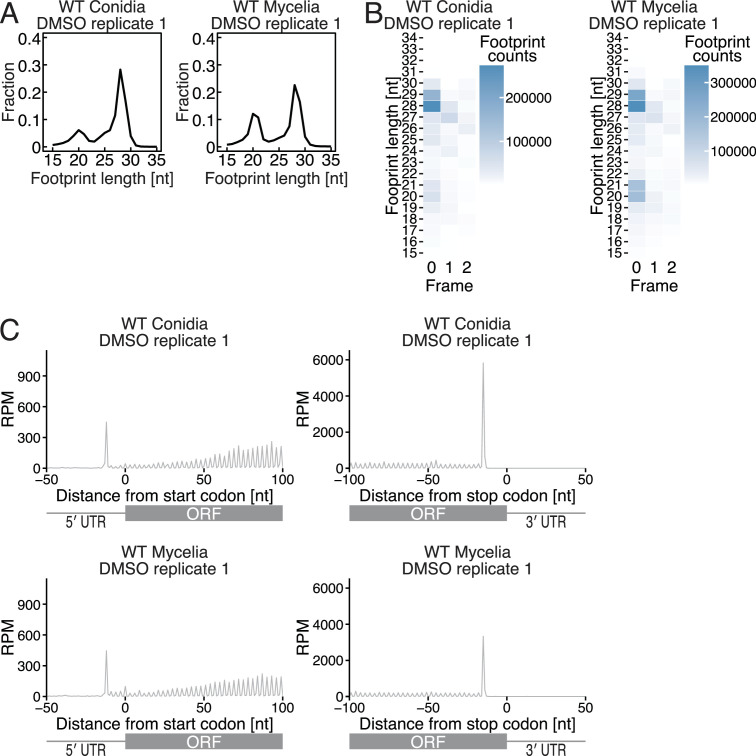
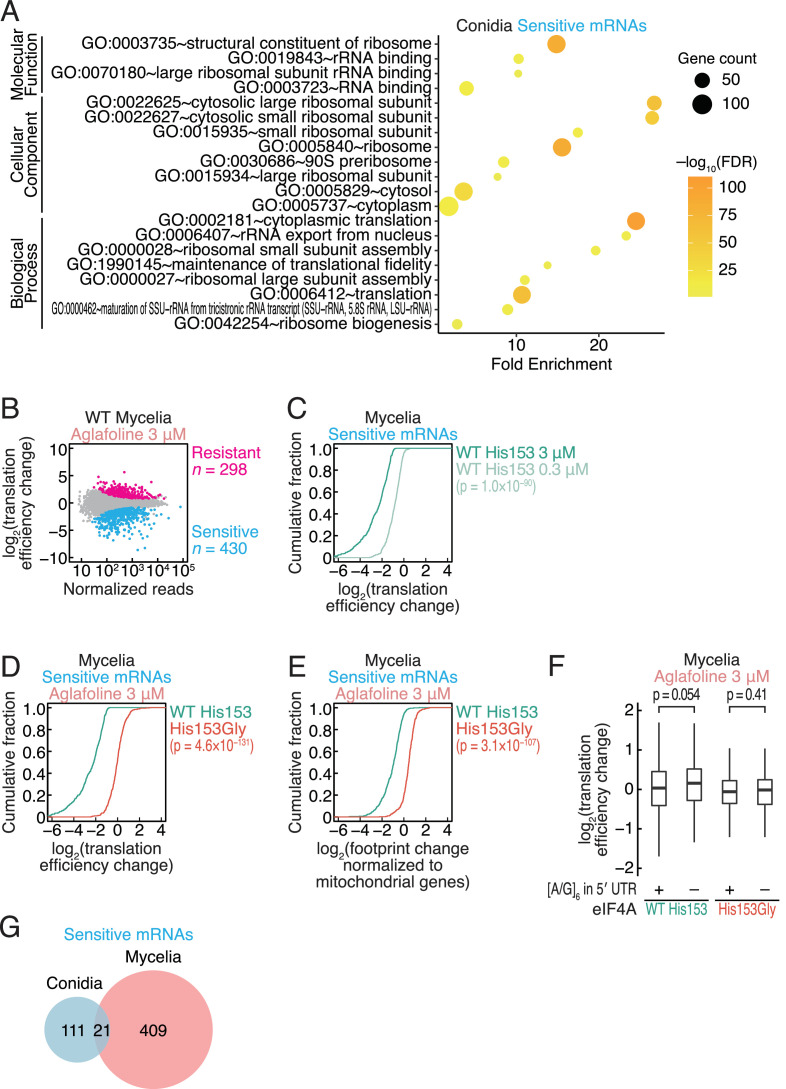
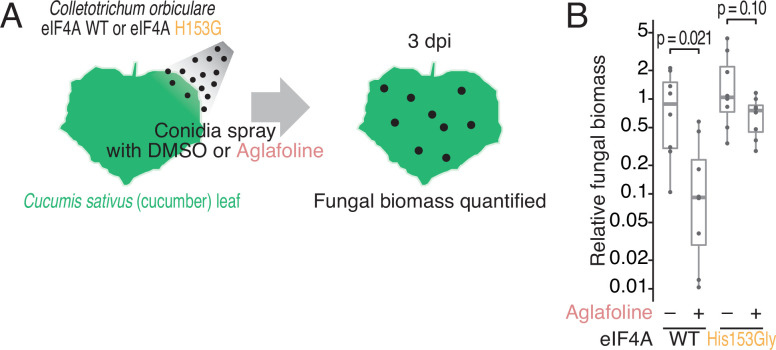
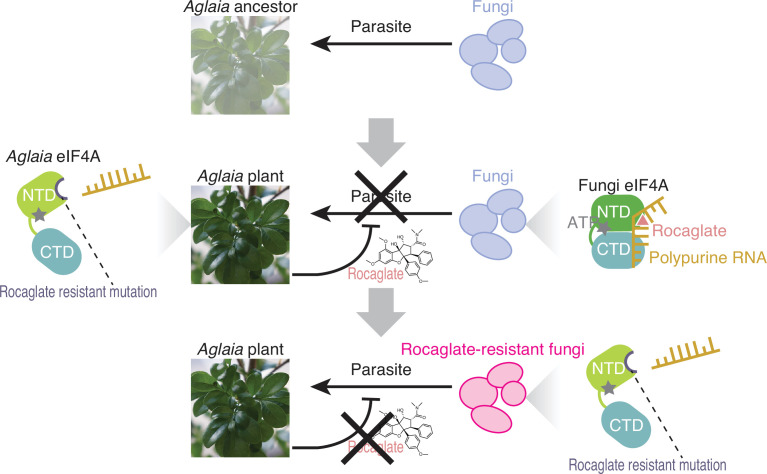
Plants often generate secondary metabolites as defense mechanisms against parasites. Although some fungi may potentially overcome the barrier presented by antimicrobial compounds, only a limited number of examples and molecular mechanisms of resistance have been reported. Here, we found an plant-parasitizing fungus that overcomes the toxicity of rocaglates, which are translation inhibitors synthesized by the plant, through an amino acid substitution in a eukaryotic translation initiation factor (eIF). transcriptome assembly revealed that the fungus belongs to the genus and that its eIF4A, a molecular target of rocaglates, harbors an amino acid substitution critical for rocaglate binding. Ribosome profiling harnessing a cucumber-infecting fungus, , demonstrated that the translational inhibitory effects of rocaglates were largely attenuated by the mutation found in the parasite. The engineered showed a survival advantage on cucumber plants with rocaglates. Our study exemplifies a plant-fungus tug-of-war centered on secondary metabolites produced by host plants.
植物通常会产生次生代谢物作为抵御寄生虫的防御机制。尽管一些真菌可能潜在地克服了抗菌化合物构成的障碍,但仅有有限数量的抗性实例和分子机制被报道。在这里,我们发现一种植物寄生真菌能够克服植物合成的翻译抑制剂罗卡格莱特的毒性,这是通过真核翻译起始因子 (eIF) 的氨基酸取代实现的。转录组组装表明,该真菌属于 属,其 eIF4A 是罗卡格莱特的分子靶标,含有对罗卡格莱特结合至关重要的氨基酸取代。利用一种侵染黄瓜的真菌进行核糖体分析表明,该寄生虫中发现的突变大大减弱了罗卡格莱特的翻译抑制作用。该工程化的 在含有罗卡格莱特的黄瓜植株上表现出生存优势。我们的研究例证了以宿主植物产生的次生代谢物为中心的植物-真菌拉锯战。