Department of Otolaryngology, Puerta del Mar University Hospital, Av. Ana de Viya 21, CP: 11009, Cádiz, Spain.
Biomedical Research and Innovation Institute of Cádiz (INiBICA) Research Unit, Puerta del Mar University, Cádiz, Spain.
Eur J Pediatr. 2023 May;182(5):2181-2187. doi: 10.1007/s00431-023-04863-y. Epub 2023 Mar 1.
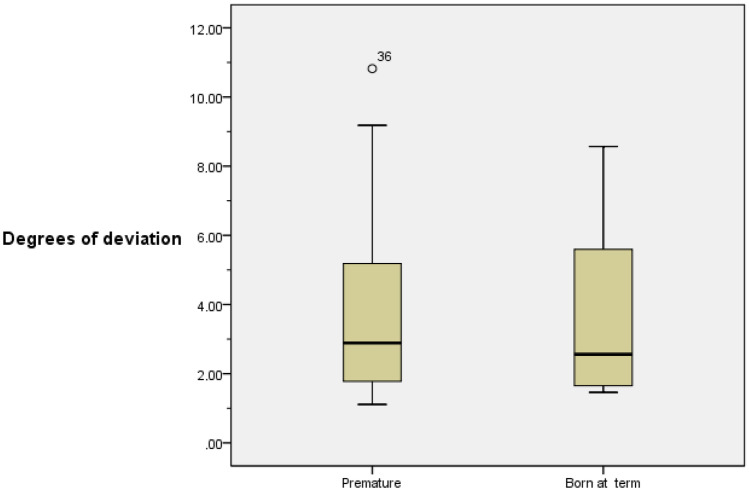
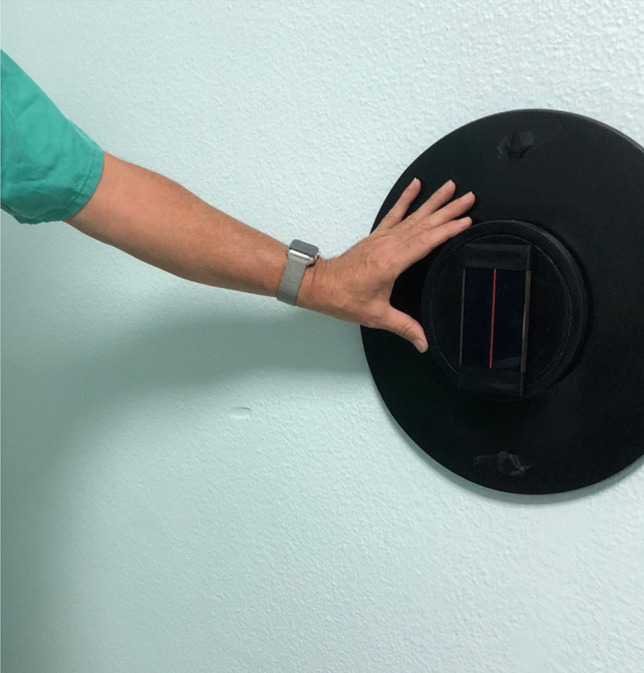
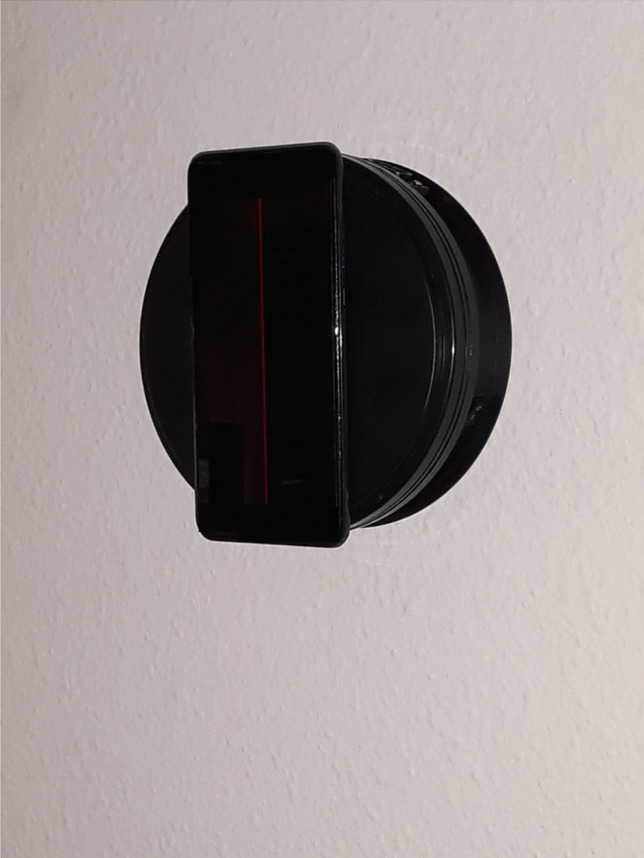
Children born preterm have increased rates of paediatric mortality and morbidity. Prematurity has been associated with impaired visual perception and visuo-motor integration. The alteration of the perception of verticality translates into alterations of the vestibular system at central and/or peripheral level, which may manifest itself in symptoms such as imbalance, dizziness or even vertigo. The aim of this study was to compare subjective visual vertical (SVV) test scores in children born preterm with those of children born at term at ages between 7 and 10. One hundred ten children with no neurodevelopmental disorder of 7 to 10 years of age were studied using a mobile application on a smartphone attached to a wall by means of a rotating plate. The SVV test was compared between two groups: a group of 55 preterm children (53 very preterm children born under 32 weeks of gestational age and 2 preterm with very low birth weight) and another group of 55 children born at term (after 37 weeks of gestational age). The SVV results were analysed for comparison with respect to prematurity, sex and age. We found no significant differences in the SVV study in the comparison between preterm and term children. In addition, no significant differences were observed regarding sex or age between 7 and 10 years. Conclusion: We found no alterations in the perception of vertical subjectivity in children between 7 and 10 years of age, with antecedents of very preterm birth and/or very low birth weight. What is Known: • The different studies published so far suggest the existence of balance disorders in premature children, although in most of these studies the children are examined at an age when the vestibular system is not mature and with non-specific tests for the study of the vestibular system. What is New: • We compared the results of the subjective visual vertical (SVV) test in a group of 55 preterm children (53 very preterm children born under 32 weeks of gestational age and 2 preterm with very low weight at birth) and in a group of 55 children born at term (after 37 weeks of gestational age), at the ages of 7 to 10 years and observed no differences. • We conclude that, if there had been any vestibular alterations due to very premature birth, these must have been compensated by the age of 7.
早产儿的儿科死亡率和发病率较高。早产儿的视觉感知和视动整合能力受损。垂直知觉的改变会导致中枢和/或外周水平前庭系统的改变,这可能表现为平衡障碍、头晕甚至眩晕等症状。本研究旨在比较 7 至 10 岁时早产和足月出生的儿童的主观垂直视觉(SVV)测试分数。我们使用智能手机上的移动应用程序,通过旋转板将智能手机附着在墙上,对 110 名无神经发育障碍的 7 至 10 岁儿童进行了研究。将 SVV 测试结果与两组进行比较:一组 55 名早产儿(53 名胎龄小于 32 周的极早产儿和 2 名极低出生体重的早产儿)和另一组 55 名足月出生的儿童(胎龄 37 周以上)。对 SVV 结果进行分析,以比较早产、性别和年龄的影响。我们发现,早产儿和足月出生儿童的 SVV 研究结果无显著差异。此外,7 至 10 岁儿童之间的性别或年龄差异也无显著意义。结论:我们发现,7 至 10 岁时,有极早产和/或极低出生体重病史的儿童的主观垂直知觉没有改变。已知的:• 到目前为止发表的不同研究表明,早产儿存在平衡障碍,尽管在这些研究中,大多数研究都是在儿童的前庭系统尚未成熟的年龄进行的,并且使用的是针对前庭系统的非特异性测试。新的:• 我们比较了 55 名早产儿(53 名胎龄小于 32 周的极早产儿和 2 名极低出生体重的早产儿)和 55 名足月出生的儿童(胎龄 37 周以上)的主观垂直视觉(SVV)测试结果,年龄在 7 至 10 岁之间,未发现差异。• 我们的结论是,如果由于极早产而导致任何前庭改变,那么这些改变在 7 岁时就已经得到了代偿。