Sándor Zsuzsanna J, Banjac Vojislav, Vidosavljević Strahinja, Káldy Jenő, Egessa Robert, Lengyel-Kónya Éva, Tömösközi-Farkas Rita, Zalán Zsolt, Adányi Nóra, Libisch Balázs, Biró Janka
Research Centre for Aquaculture and Fisheries (HAKI), Hungarian University of Agriculture and Life Sciences, Anna liget u. 35, Szarvas, Hungary.
University of Novi Sad, Institute of Food Technology, Bulevar cara Lazara br. 1, Novi Sad, Serbia.
Aquac Nutr. 2022 Oct 18;2022:4717014. doi: 10.1155/2022/4717014. eCollection 2022.
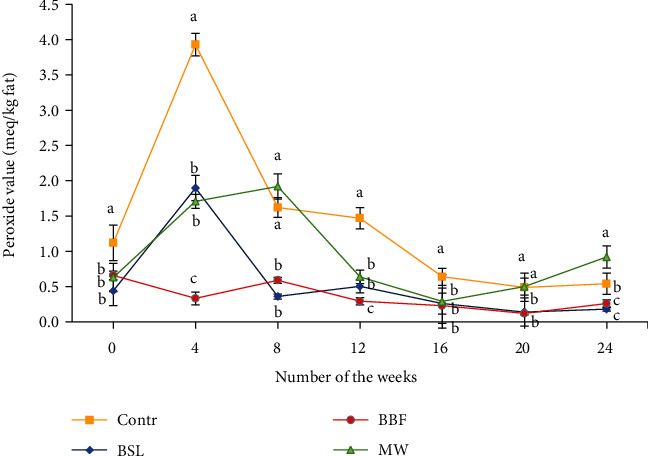
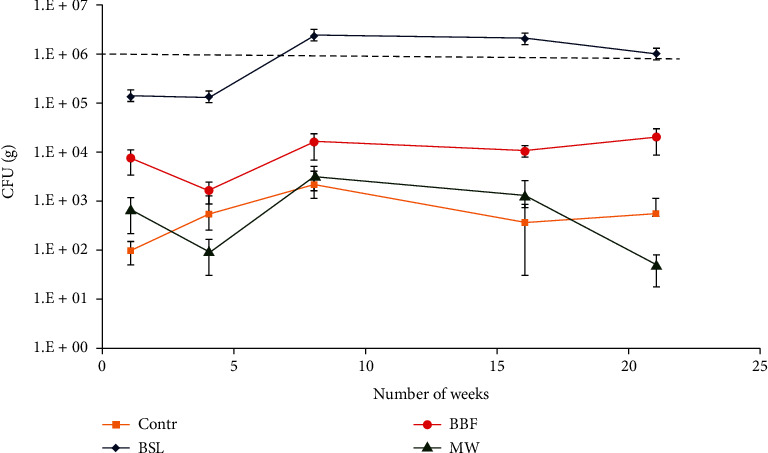
A digestibility trial was conducted with African catfish hybrid juveniles in order to determine the apparent digestibility coefficients (ADCs) of different nutrients. The experimental diets contained defatted black soldier fly (BSL), yellow mealworm (MW), or fully fat blue bottle fly (BBF) meals, in a 70 : 30 ratio between the control diet and the tested insect meals. The indirect method for the digestibility study was performed using 0.1% yttrium oxide as an inert marker. Fish juveniles of 217.4 ± 9.5 g initial weight were distributed in 1 m tanks (75 fish/tank) of a recirculating aquaculture system (RAS), in triplicates, and fed until satiation for 18 days. The average final weight of the fish was 346 ± 35.8 g. The ADCs of the dry matter, protein, lipid, chitin, ash, phosphorus, amino acids, fatty acids, and gross energy for the test ingredients and diets were calculated. A six-month storage test was carried out to evaluate the shelf life of the experimental diets, while the peroxidation and microbiological status of the diets were also assessed. The ADC values of the test diets differed significantly ( < 0.001) compared to those of the control for most of the nutrients. Altogether, the BSL diet was significantly more digestible for protein, fat, ash, and phosphorus than the control diet but less digestible for essential amino acids. Significant differences were found between the ADCs of the different insect meals evaluated ( < 0.001) for practically all nutritional fractions analyzed. The African catfish hybrids were able to digest BSL and BBF more efficiently than MW, and the calculated ADC values agreed with those of other fish species. The lower ADCs of the tested MW meal correlated ( < 0.05) with the markedly higher acid detergent fiber (ADF) levels present in the MW meal and MW diet. Microbiological evaluation of the feeds revealed that mesophilic aerobic bacteria in the BSL feed were 2-3 orders of magnitude more abundant than those in the other diets and their numbers significantly increased during storage. Overall, BSL and BBF proved to be potential feed ingredients for African catfish juveniles and the shelf life of the produced diets with 30% inclusion of insect meal retained the required quality during a six-month period of storage.
为了确定不同营养素的表观消化率系数(ADCs),对非洲鲶鱼杂交幼鱼进行了消化率试验。实验饲料包含脱脂黑水虻(BSL)、黄粉虫(MW)或全脂蓝瓶蝇(BBF)粉,对照饲料与受试昆虫饲料的比例为70∶30。消化率研究采用间接法,以0.1%的氧化钇作为惰性标记物。初始体重为217.4±9.5克的幼鱼被分配到循环水养殖系统(RAS)的1立方米水箱中(每箱75尾鱼),共设三个重复组,饱食投喂18天。鱼的平均终末体重为346±35.8克。计算了受试成分和饲料中干物质、蛋白质、脂质、几丁质、灰分、磷、氨基酸、脂肪酸和总能的ADCs。进行了为期六个月的储存试验,以评估实验饲料的保质期,同时还评估了饲料的过氧化和微生物状况。与对照组相比,大多数营养素的受试饲料的ADCs值差异显著(P<0.001)。总体而言,BSL饲料在蛋白质、脂肪、灰分和磷的消化率上显著高于对照饲料,但必需氨基酸的消化率较低。在所分析的几乎所有营养成分中,评估的不同昆虫饲料的ADCs之间存在显著差异(P<0.001)。非洲鲶鱼杂交种对BSL和BBF的消化效率高于MW,计算得到的ADCs值与其他鱼类的一致。受试MW饲料较低的ADCs与MW饲料和MW日粮中显著较高的酸性洗涤纤维(ADF)水平相关(P<0.05)。饲料的微生物学评估表明,BSL饲料中的嗜温需氧菌比其他饲料中的多2 - 3个数量级,且在储存期间其数量显著增加。总体而言,BSL和BBF被证明是非洲鲶鱼幼鱼的潜在饲料成分,含有30%昆虫粉的生产饲料在六个月的储存期内保持了所需的质量。